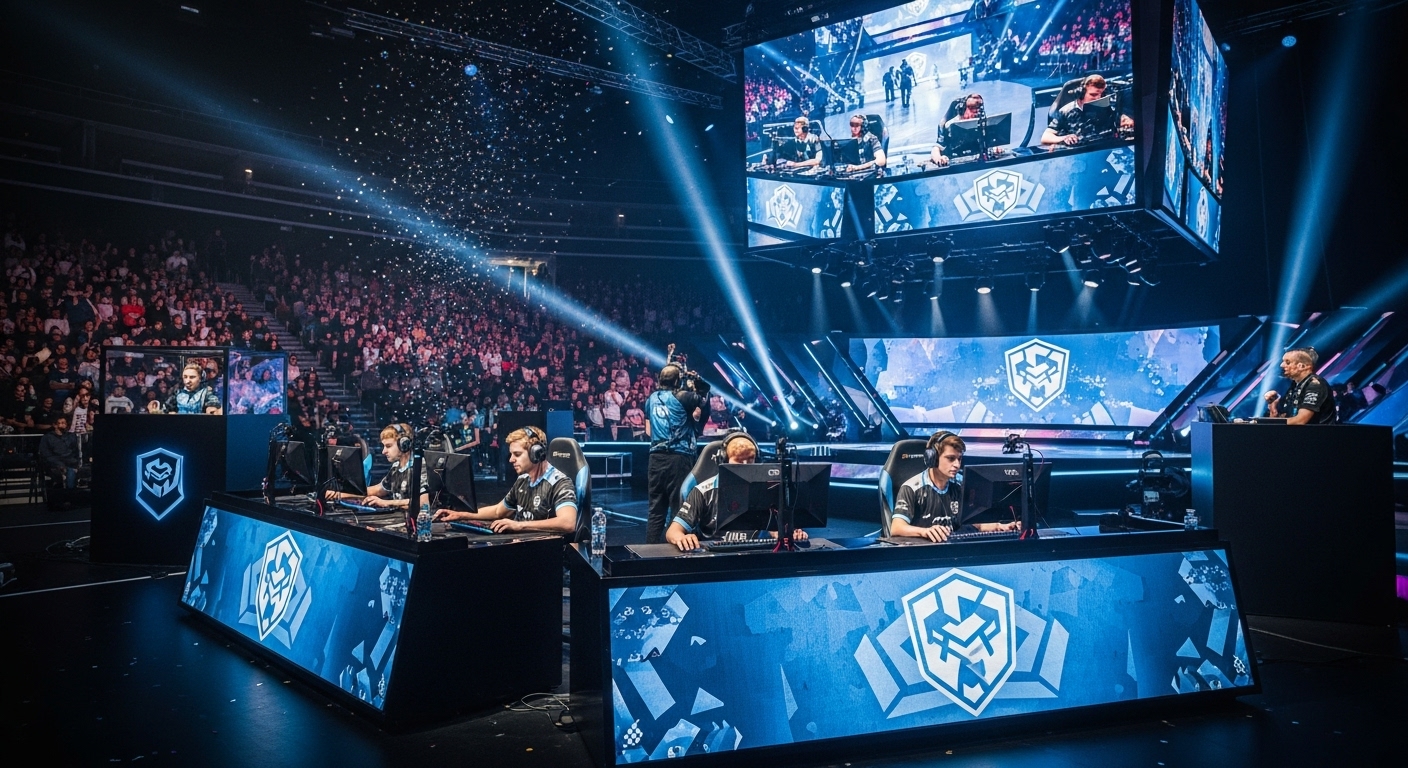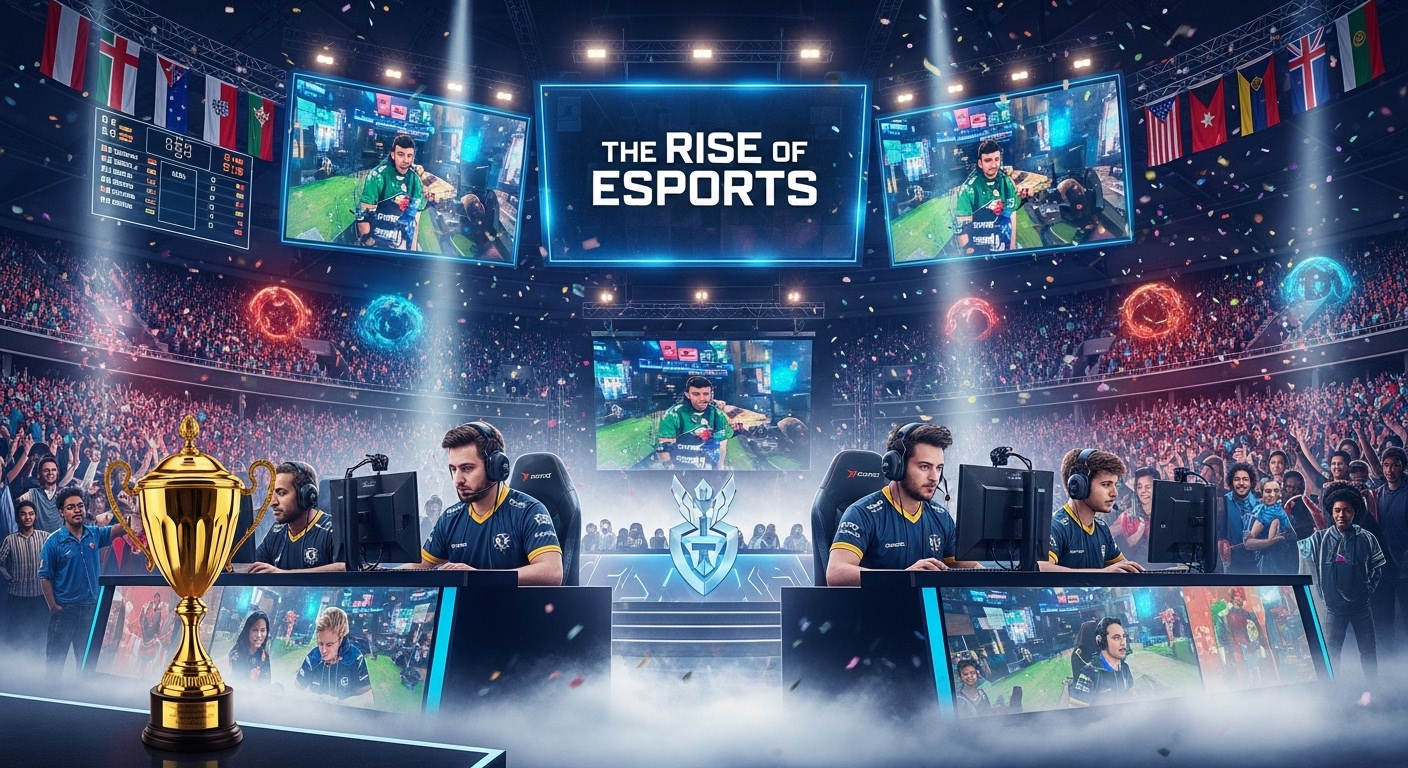
Esports, once an obscure niche activity confined to small online communities, has transformed into a global entertainment juggernaut. With its rapid rise, it has garnered millions of viewers, sponsorships from multinational companies, and the promise of lucrative careers for professional players. As the gaming world continues to evolve, esports has solidified itself as a mainstream form of entertainment, blending traditional sports with digital culture. This blog post delves into the world of esports, examining its rise, key drivers of growth, prominent titles, and the future of competitive gaming.
1. What is Esports?
Esports, short for electronic sports, refers to organized, multiplayer video game competitions, particularly between professional players, individually or as teams. These competitions typically revolve around games that require significant skill, strategy, and practice. Unlike casual gaming, esports is characterized by its competitive nature, often played in front of a live audience or streamed online for millions of viewers. The rapid rise of esports has led to the creation of professional leagues, large-scale tournaments, and sponsorships from major brands, solidifying its place in the world of competitive entertainment.
The distinction between casual gaming and esports lies in the competitive structure. While anyone can play games like Fortnite or Call of Duty for fun, esports involves a high level of dedication and discipline. Professional esports players train like athletes, practicing for hours each day, improving their reaction times, strategies, and teamwork. Their performances are often analyzed by analysts, and their progress is tracked across seasons, much like traditional sports.
2. The Rise of Esports: From Basement Tournaments to Global Phenomenon
Esports has its roots in the early days of gaming, but its growth was gradual. The 1990s saw the first instances of organized tournaments, such as the Red Annihilation tournament in 1997, which featured the game Quake. However, it was the launch of StarCraft in 1998 and Warcraft III in 2002 that truly kicked off the competitive gaming scene. These games introduced the concept of online multiplayer competitions on a larger scale, allowing players from different countries to compete against each other.
The early 2000s were a pivotal period for esports. The launch of services like Battle.net, GameSpy, and Steam provided the infrastructure necessary for online multiplayer matches, connecting players across the globe. As broadband internet became more widespread, competitive gaming became more accessible to players, leading to the rise of professional leagues and the creation of platforms for tournament broadcasting.
In the mid-2000s, organizations like the Electronic Sports League (ESL) and Major League Gaming (MLG) began organizing large-scale tournaments, bringing esports into the spotlight. The arrival of streaming platforms, most notably Twitch in 2011, transformed esports once again by allowing fans to watch live broadcasts of tournaments. These developments set the stage for esports to evolve into the global industry it is today.
3. The Role of Streaming: Revolutionizing the Esports Landscape
One of the most significant factors in the growth of esports has been the rise of live streaming. Platforms like Twitch, YouTube Gaming, and Facebook Gaming have become central hubs for watching esports events and following professional players. These platforms provide a level of accessibility that was once unimaginable. In the past, fans had to attend live events or rely on television broadcasts to watch competitive gaming. Now, anyone with an internet connection can tune into a live match, interact with players, and become part of a global community.
Twitch, which was launched in 2011, revolutionized the way esports events were consumed. By allowing fans to watch tournaments in real-time, Twitch helped democratize the esports experience. Viewers can watch top-tier players from around the world and even interact with them through live chats, creating a sense of connection between the audience and the players. Twitch’s rise also led to the emergence of “content creators”—individuals who broadcast their gameplay or commentary on games—further solidifying esports as a mainstream entertainment form.
Streaming not only provides an avenue for fans to watch their favorite players and teams but also serves as a vital revenue stream for professional players. Through subscriptions, ad revenue, and donations, esports athletes can generate significant income outside of tournament winnings. This has made being a professional gamer a viable career for many, providing opportunities for sponsorships, brand deals, and partnerships with gaming-related companies.
4. Esports Games: The Pillars of Competitive Gaming
While esports encompasses a wide variety of games, certain titles have emerged as the pillars of the competitive gaming scene. These games have created massive fanbases, professional leagues, and lucrative tournament circuits that continue to shape the landscape of esports.
League of Legends: The Crown Jewel of Esports
Released by Riot Games in 2009, League of Legends (LoL) is arguably the most influential esports title in the world. LoL is a multiplayer online battle arena (MOBA) game where two teams of five players each battle to destroy the enemy team’s Nexus, the core of their base. The game has a deep strategic element, requiring players to work together, execute precise tactics, and manage resources effectively.
The League of Legends World Championship (often referred to as Worlds) is one of the largest and most-watched esports events in the world. With a prize pool exceeding $2 million and millions of viewers tuning in each year, Worlds attracts top teams from around the globe to compete for the title of world champion. LoL’s accessibility, fast-paced gameplay, and consistent updates have made it a fan favorite, contributing to its position as the face of modern esports.
Dota 2: The Giant of Strategy
Dota 2, developed by Valve, is another giant in the world of competitive gaming. Like LoL, Dota 2 is a MOBA, but it is known for its more complex mechanics and steeper learning curve. The game features over 100 unique heroes, each with their own set of abilities, and requires players to master intricate strategies, perfect their execution, and work as a cohesive unit.
The International (TI), the annual tournament for Dota 2, is the pinnacle of competitive gaming, with a prize pool that regularly exceeds $30 million. TI is the richest esports tournament in the world, and it draws thousands of viewers to watch the best teams in the world battle for supremacy. The massive prize pool, combined with the highly skilled gameplay, has made Dota 2 one of the most prestigious titles in esports.
Counter-Strike: Global Offensive (CS: GO): A Legacy of Excellence
Released in 2012, Counter-Strike: Global Offensive (CS: GO) has become a staple of competitive first-person shooters (FPS). Known for its tactical gameplay, where teams alternate between attacking and defending bomb sites, CS: GO requires a high level of coordination, precise aiming, and excellent communication. It has been a dominant title in esports for nearly a decade and boasts one of the most dedicated fanbases in competitive gaming.
The CS: GO Major Championships are the most prestigious events in the game’s competitive calendar, attracting top teams and players from around the world. With millions of viewers and substantial prize pools, CS: GO has cemented its place as one of the most enduring and influential esports titles of all time.
Fortnite: A New Era of Battle Royale
Fortnite, developed by Epic Games, redefined the battle royale genre when it was released in 2017. The game combines survival elements with a unique building mechanic, where players can construct structures to defend themselves or gain a tactical advantage over their opponents. The game’s accessibility, cross-platform play, and frequent updates have kept it fresh and relevant in the competitive scene.
The Fortnite World Cup, held in 2019, featured a $30 million prize pool, and the game continues to attract top-tier players and massive audiences. With its vibrant world, fun mechanics, and ever-changing content, Fortnite has reshaped the esports landscape and helped bring competitive gaming to a wider, more diverse audience.
5. The Business of Esports: Sponsorships, Media, and Revenue
As esports has grown, it has become a multi-billion-dollar industry. A significant portion of this revenue comes from sponsorships and partnerships. Major brands, including Coca-Cola, Intel, Nike, and Red Bull, have invested heavily in esports, recognizing the potential to reach a young, tech-savvy audience. These sponsorships not only provide funding for tournaments but also help professional teams with their operations.
Media rights are another important revenue stream for esports. Just as traditional sports leagues sell broadcast rights to TV networks, esports organizations and tournament organizers sell streaming rights to platforms like Twitch and YouTube. These deals can be worth millions of dollars, further fueling the growth of the industry.
Merchandise sales, ticket sales for live events, and in-game transactions (such as skins and cosmetics) also contribute to the overall revenue of the esports ecosystem. As the industry continues to expand, it is expected that new revenue models will emerge, making esports an even more lucrative business for players, teams, and organizers.
6. The Future of Esports: What’s Next?
Esports is poised to continue its growth in the coming years, with several emerging trends shaping the future of the industry.
Mainstream Recognition
Esports is slowly gaining recognition as a legitimate sport. Universities in the U.S. and around the world are offering scholarships to esports athletes, and many schools have established esports programs. Esports may soon be included in major sporting events, such as the Olympics, further legitimizing competitive gaming as a global spectacle.