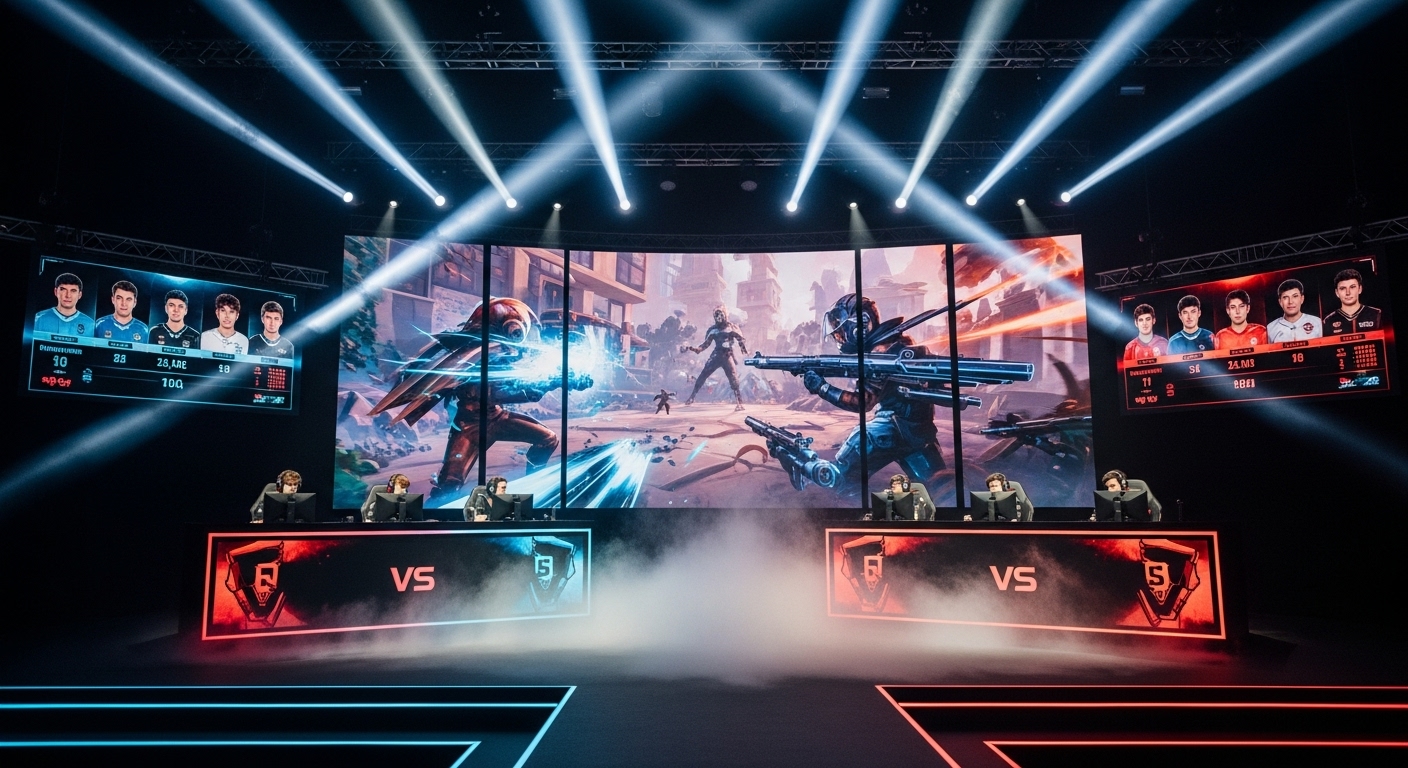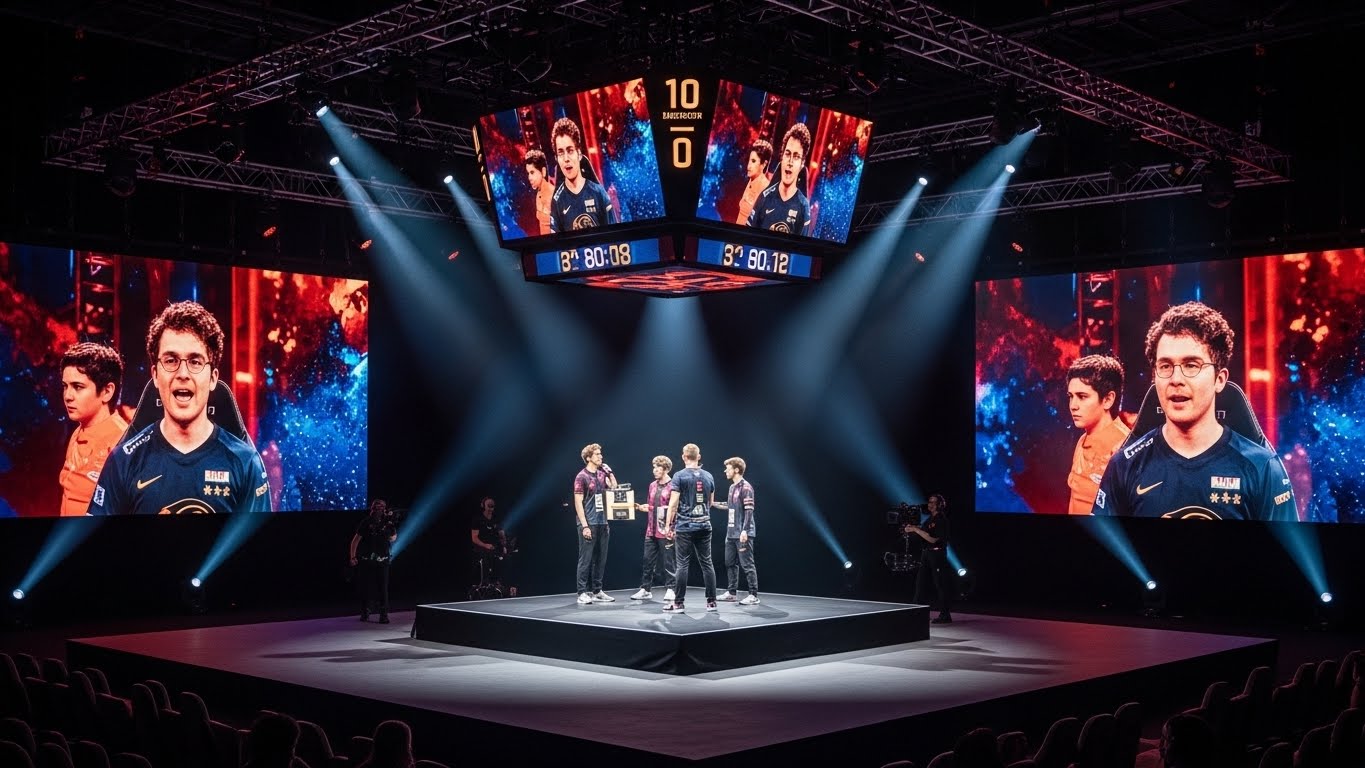
Over the past decade, esports has experienced a monumental rise, transitioning from a niche interest to a cultural and commercial juggernaut. Competitive gaming, once regarded as a hobby for a dedicated few, now draws millions of viewers, massive sponsorship deals, and increasingly larger prize pools. Esports has firmly planted itself within the global entertainment industry, competing with traditional sports for attention, viewership, and sponsorship. But how did this once-small industry become the force it is today, and what can we expect for its future? This blog post explores the evolution of esports, its key components, and the factors driving its explosive growth.
The Birth of Esports: A Glimpse into the Early Days
The concept of competitive gaming has existed since the very first video game competitions in the 1970s. However, esports as we know it today began to take shape in the late 1990s and early 2000s, when gaming technology and internet speeds began to improve. The earliest major competitions, such as the Red Annihilation tournament in 1997 for Quake, brought together top-tier players from around the globe, and the concept of professional gaming began to take root.
For years, gaming tournaments were mainly local affairs, with players gathering in small LAN (Local Area Network) events or online competitions. While the prize pools were modest and the viewership minimal, these early tournaments laid the groundwork for the larger, more organized competitions that would come in the following decades.
In the late 2000s, esports really began to take off with the rise of internet streaming platforms like Twitch and YouTube. These platforms provided players and fans with the ability to broadcast and watch competitive gaming events in real-time, allowing esports to break free from the physical limitations of traditional sports venues. The first major esports leagues, such as the World Cyber Games (WCG) and the ESL Pro League, began to solidify the structure of competitive gaming and established professional players as legitimate athletes in the eyes of the public.
The Esports Industry Today: A Multibillion-Dollar Powerhouse
Esports has exploded into a global phenomenon, with industry revenue reaching over $1 billion annually and continuing to grow year after year. The rise of games like League of Legends, Dota 2, Fortnite, and Call of Duty has attracted millions of players and spectators from all over the world, and high-profile tournaments offer prize pools that rival those of traditional sports.
In fact, the International (Dota 2’s premier tournament) has boasted some of the largest prize pools in esports history, reaching over $40 million in 2021. This reflects not only the increasing popularity of esports, but also the growing financial commitment from developers, sponsors, and investors who see esports as an opportunity to tap into a vast and engaged audience.
Major brands and companies, ranging from tech giants like Intel, Microsoft, and Razer, to more unexpected names like Coca-Cola and McDonald’s, are now pouring millions of dollars into the esports ecosystem. These brands understand the value of associating themselves with esports, as it allows them to connect with the younger, tech-savvy generation that makes up the core audience of esports enthusiasts.
Key Elements Driving Esports’ Growth
Several factors have fueled the meteoric rise of esports, transforming it from a hobby into a mainstream industry. Let’s break down some of the key drivers behind this rapid expansion.
1. The Rise of Streaming and Online Platforms
One of the biggest catalysts for the growth of esports has been the development of online streaming platforms like Twitch, YouTube Gaming, and Facebook Gaming. These platforms have allowed competitive gamers to showcase their skills in real-time, giving rise to a new form of entertainment that can be consumed at any time from anywhere in the world.
Esports streaming has not only allowed fans to watch tournaments and events live but has also given rise to personalities, streamers, and influencers who have built massive followings. These influencers often have millions of subscribers, and their ability to engage with fans directly has helped solidify esports as a social experience. The interaction between players and viewers via live chat, social media, and real-time commentary adds an immersive dimension to esports that traditional sports broadcasting has yet to fully replicate.
2. The Professionalization of Esports
As esports began to mature, it underwent a process of professionalization. Just like in traditional sports, players now have contracts, sponsorships, salaries, and even coaches. Professional teams, such as Cloud9, FaZe Clan, and Team Liquid, have become household names within the gaming community. These organizations operate like traditional sports teams, offering training facilities, staff, and support for their players to ensure they perform at the highest level.
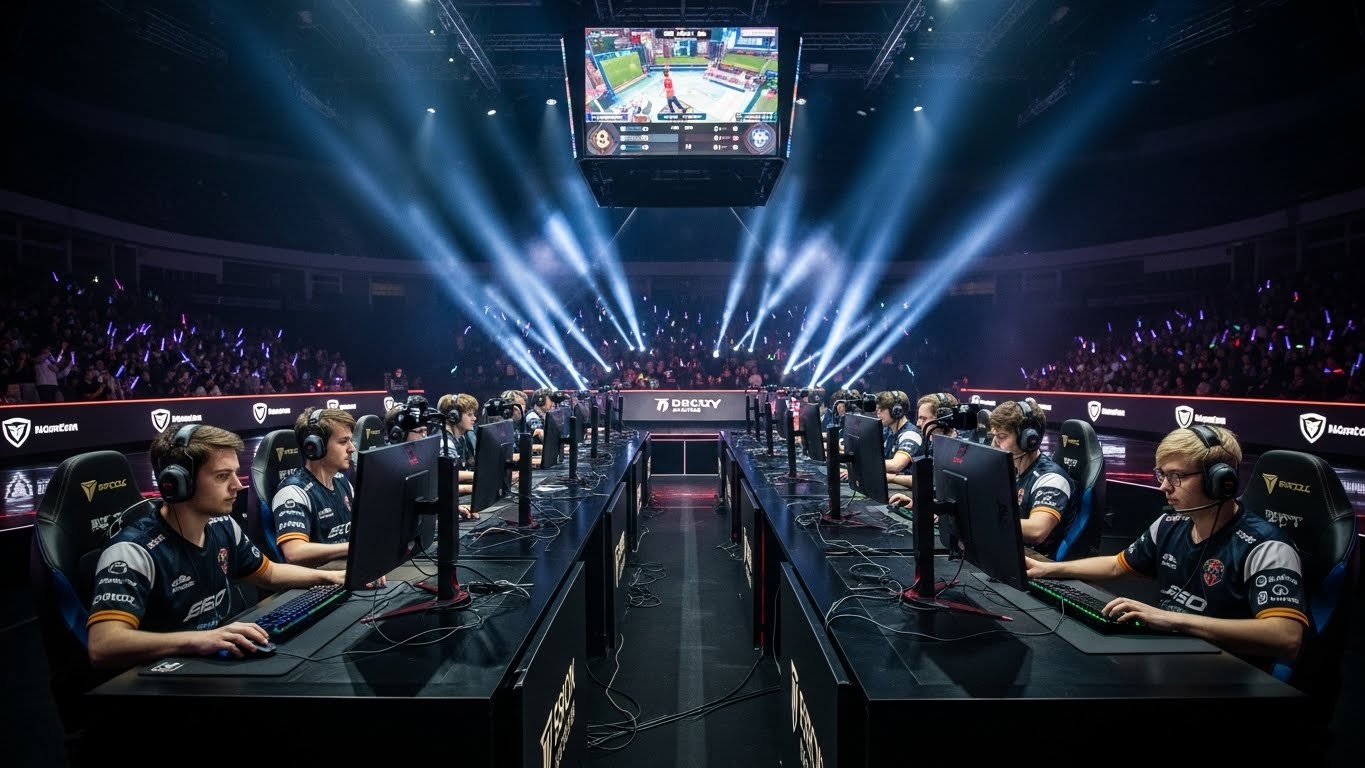
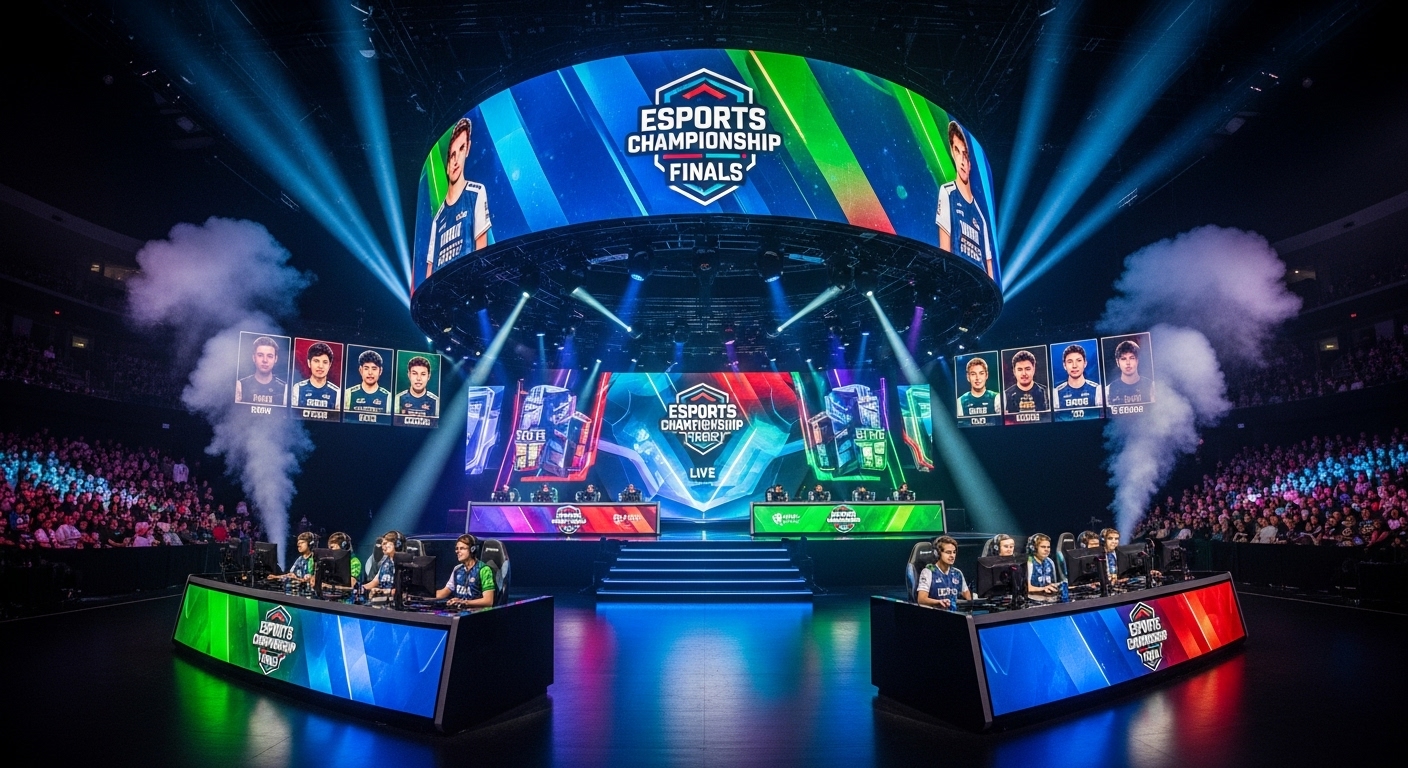
Furthermore, the development of esports-specific infrastructure has played a major role in the growth of the industry. From arenas designed specifically for esports events to specialized training centers for players, the industry’s infrastructure now mirrors that of traditional sports. Many esports tournaments are held in state-of-the-art stadiums or broadcast to millions of viewers around the globe, and events like the League of Legends World Championship have become some of the most-watched events in the world, drawing in viewers from across different cultures and continents.
3. Large Prize Pools and Sponsorships
The increasing financial stakes in esports have undoubtedly contributed to its growth. The prize pools for major esports tournaments have skyrocketed, with some events offering prize money that far exceeds that of traditional sporting events. For example, the International 2018 Dota 2 tournament had a prize pool of over $25 million, making it one of the largest in the world.
This influx of money is not just limited to prize pools; sponsorships and advertising have become major revenue streams for esports organizations and events. Companies looking to tap into the growing esports audience are eager to sponsor teams, tournaments, and players. As a result, esports organizations have the resources to invest in talent, training, marketing, and event production, which in turn helps elevate the level of competition and entertainment value.
4. The Global Appeal of Esports
Esports is not limited to one specific region; it is a truly global phenomenon. Countries like South Korea, China, and the United States have been at the forefront of esports, but the rise of high-speed internet and affordable gaming technology has enabled fans from all corners of the world to participate in and watch esports competitions.
In particular, esports has taken off in regions like Southeast Asia, Europe, and Latin America. The accessibility of games, combined with the social nature of esports, has helped connect players from different cultures and backgrounds. This global appeal makes esports a unique form of entertainment that transcends language, geography, and demographics. It’s not uncommon to see a Dota 2 tournament with participants from North America, Europe, and Asia competing for the same prize pool.
The Role of Fans in Esports’ Growth
One of the key reasons esports has flourished is the dedication and passion of its fanbase. Unlike traditional sports fans, esports fans are incredibly engaged in the action, often interacting with players and teams via social media and live streaming platforms. Fans can watch their favorite players’ streams, participate in live discussions, and even interact with players during tournaments, all of which create a deeper sense of community and connection.
This fan engagement goes beyond just watching games; it extends to purchasing merchandise, supporting brands, and attending live events. Esports fans are loyal and passionate, and they are more than willing to support their favorite teams and players financially. This dedicated fanbase has played a significant role in securing sponsorships, driving ticket sales for live events, and contributing to the overall revenue of the industry.
The Future of Esports: What’s Next?
As esports continues to evolve, there are several trends that are likely to shape its future.
1. Increased Investment in Infrastructure and Development
As the industry grows, so too will the investment in infrastructure. Expect to see more purpose-built esports arenas and larger-scale tournaments that can accommodate thousands of spectators. Additionally, there will likely be more focus on developing esports ecosystems in emerging markets, where there is significant untapped potential.
2. Esports as a Mainstream Sport
Esports is already recognized as a legitimate sport in many countries, but its inclusion in the mainstream, including major sporting events like the Olympics, is still a matter of debate. However, as esports continues to prove its viability as both an entertainment form and a competitive discipline, it is likely that we will see further integration into mainstream sports media and sponsorships.
3. Technological Innovations: VR and AR Esports
The future of esports could very well be shaped by emerging technologies, such as virtual reality (VR) and augmented reality (AR). These technologies have the potential to revolutionize the way games are played and consumed, offering more immersive experiences for both players and spectators. VR, in particular, could create entirely new formats for esports competitions, allowing players to compete in a fully immersive digital environment.
Conclusion
Esports has undergone a remarkable transformation from a small community pastime to a multi-billion-dollar industry. Fueled by advances in technology, streaming platforms, global connectivity, and a passionate fanbase, esports is now one of the most watched and lucrative entertainment forms worldwide. As the industry continues to grow and evolve, esports will likely continue to reshape the entertainment landscape, offering new opportunities for players, fans, and investors alike. With its global appeal and ever-increasing professionalization, esports is on track to become a permanent fixture in the world of entertainment.