Introduction: The Explosive Growth of Esports
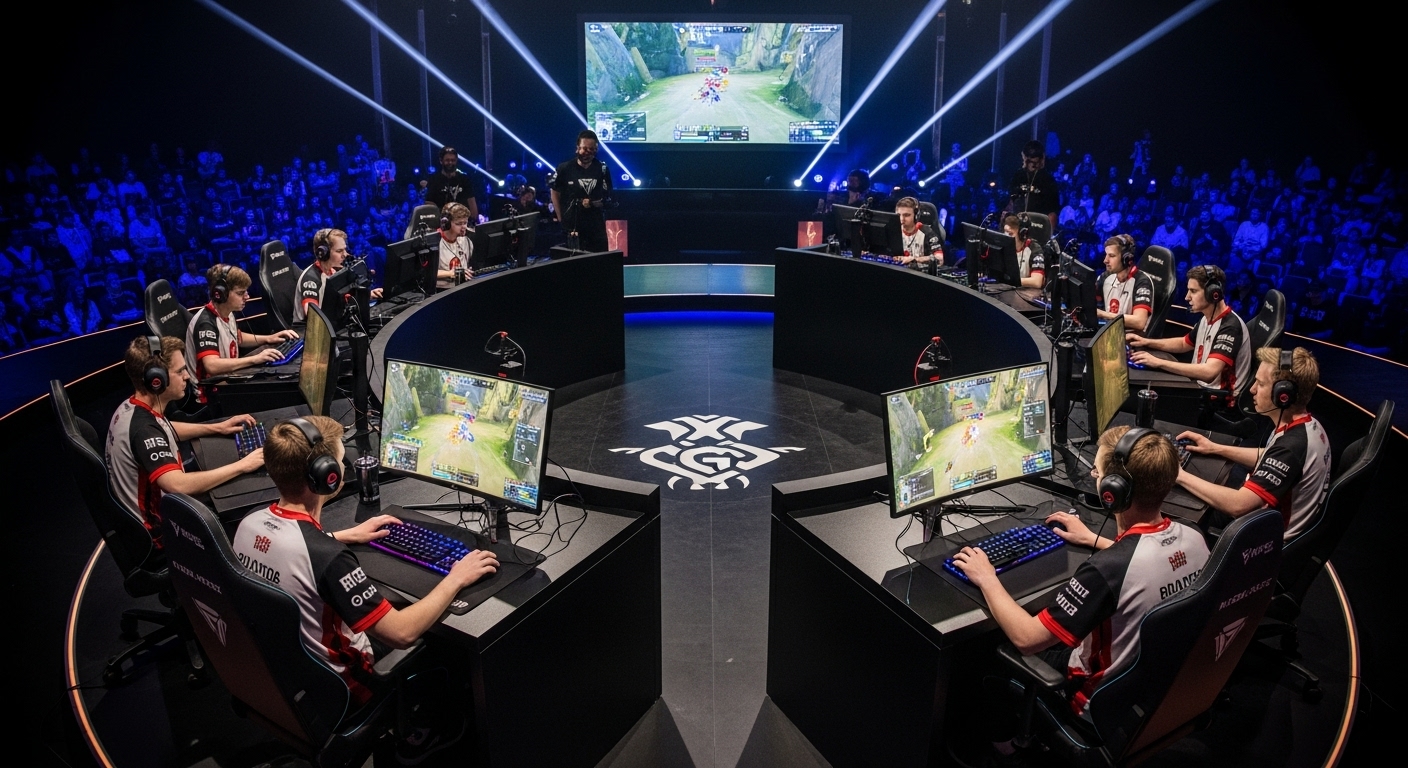
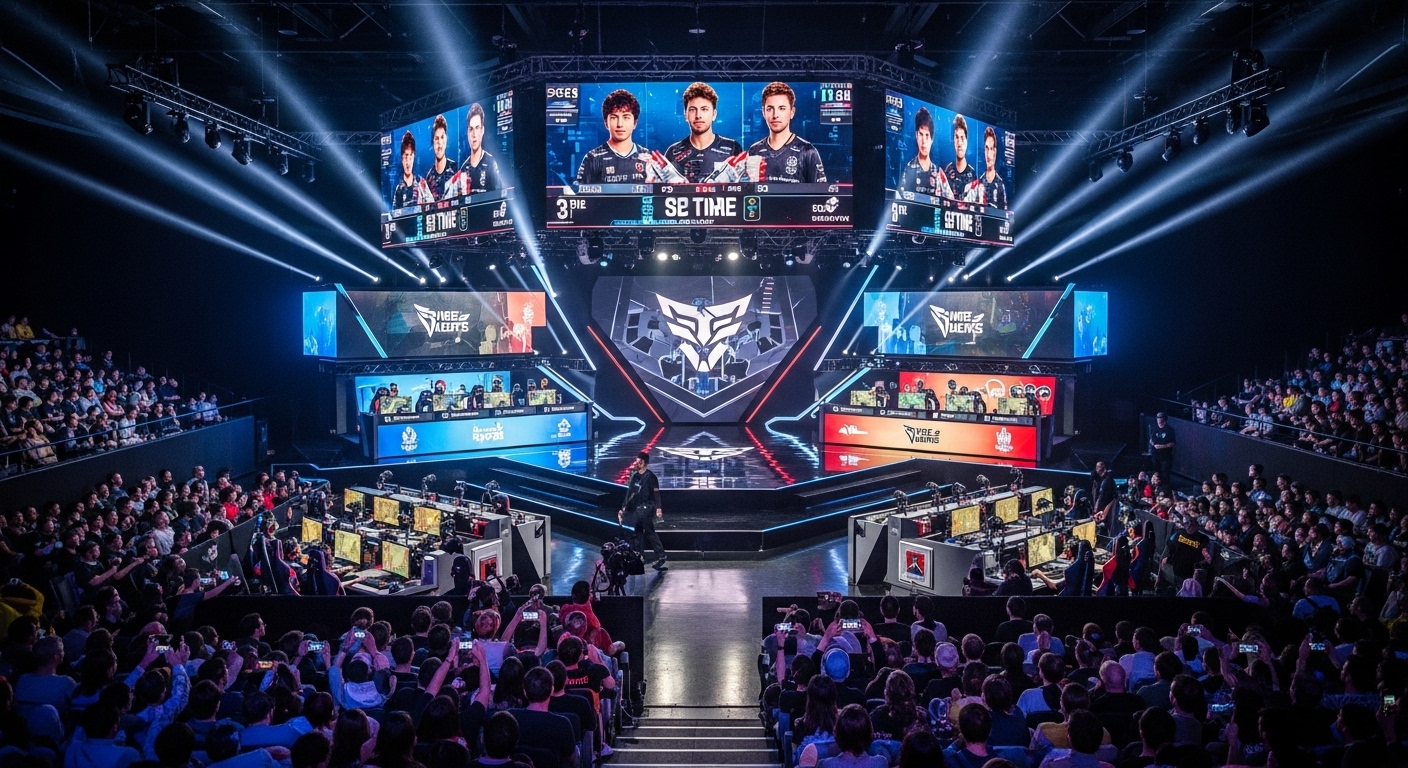
Over the past two decades, esports has blossomed into a global phenomenon that has captured the imagination of millions. Once viewed as a niche interest for hardcore gamers, competitive gaming has evolved into an industry worth billions of dollars, attracting players, teams, sponsors, and fans from all over the world. Esports has seamlessly integrated into the fabric of mainstream entertainment, gaining recognition and respect alongside traditional sports. In this blog post, we’ll take a closer look at how esports has transformed from a pastime into a cultural juggernaut that continues to grow exponentially.
The Humble Beginnings of Esports
The roots of esports can be traced back to the early days of video gaming when people first began to compete against each other in multiplayer games. The first recorded video game competition took place in 1972, at Stanford University, where students competed in a game called “Spacewar.” Though this event was small in scale, it set the stage for a larger phenomenon. By the 1990s, as internet speeds and gaming technology improved, online multiplayer games such as Quake and StarCraft gave rise to competitive gaming on a much larger scale.
These early competitions were local, informal, and sometimes isolated events. However, with the advent of the internet, players could compete against each other from anywhere in the world. Counter-Strike and Warcraft III were among the first games to feature organized online tournaments, giving rise to a new competitive gaming culture that would eventually give birth to the esports industry we know today.
The Rise of Global Esports Tournaments
As technology evolved, so did the scope of esports competitions. The early 2000s saw the emergence of more professional tournaments, such as the World Cyber Games and the Electronic Sports World Cup, which helped establish a global platform for players. These tournaments were instrumental in legitimizing esports as a serious competitive pursuit.
One of the major turning points for esports came in 2011 with the launch of The International, a Dota 2 tournament hosted by Valve Corporation. The tournament’s massive prize pool—initially $1 million—attracted the attention of both players and viewers worldwide. The International quickly grew into one of the most prestigious esports events, with prize pools reaching over $40 million by 2021. This skyrocketing prize money was not just a reflection of the game’s popularity, but also an indicator of the financial potential that esports held for players and sponsors alike.
The Explosion of Streaming Platforms
A key factor in the explosive growth of esports has been the rise of streaming platforms like Twitch and YouTube Gaming. These platforms provided a way for fans to watch live tournaments from the comfort of their homes. More importantly, they allowed viewers to connect with their favorite players, teams, and commentators, fostering a sense of community around the games.
Twitch, in particular, became a central hub for esports streaming, where gamers could broadcast their gameplay live and interact with fans in real-time. The ability to engage directly with an audience elevated the popularity of both esports events and individual streamers. Successful streamers became celebrities in their own right, often receiving sponsorship deals from brands that wanted to target the gaming demographic.
The interaction between streamers and viewers also played a key role in the growth of esports culture. Fans could discuss strategies, offer support, and build a relationship with the personalities they admired. This two-way communication between content creators and their audiences set esports apart from traditional sports broadcasting, making it more immersive and participatory.
Esports: A Career Path for the New Generation
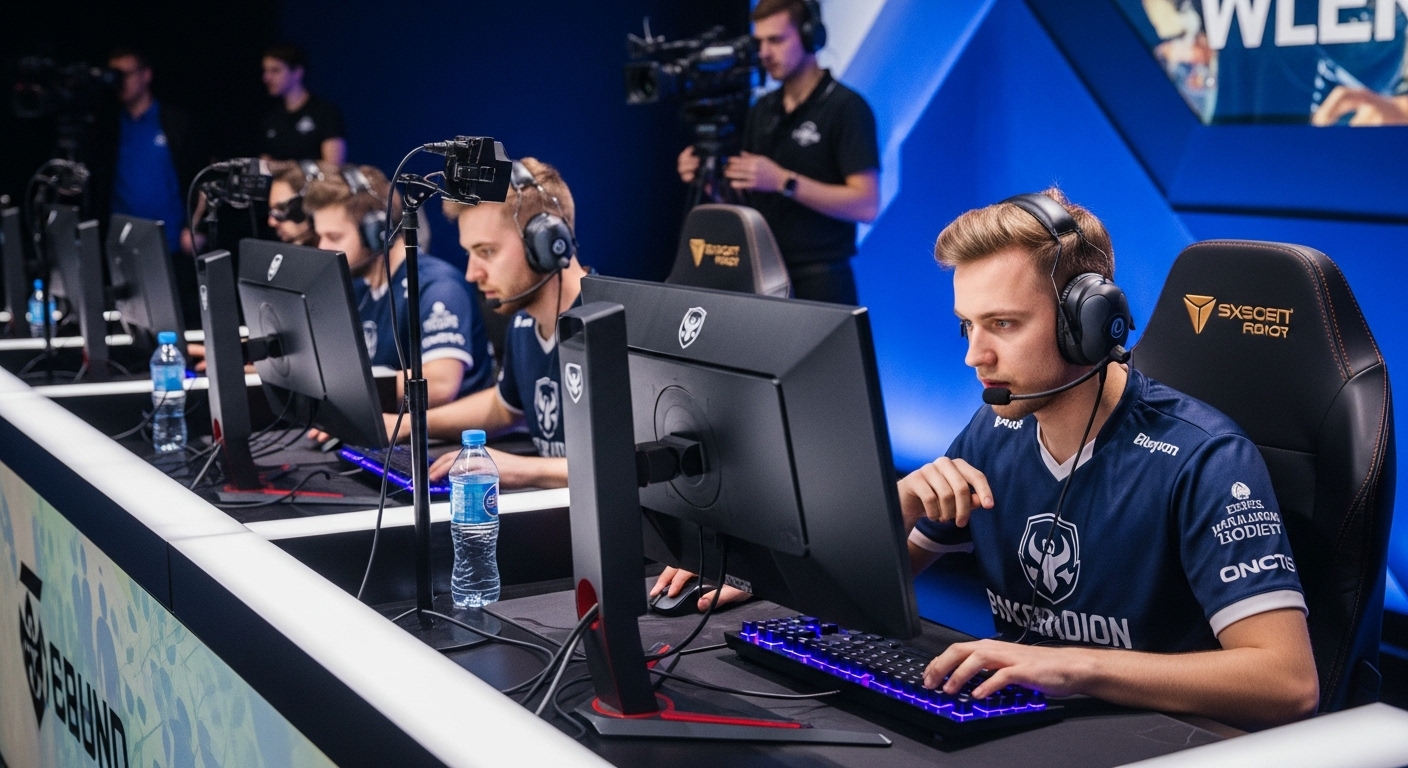
As esports grew in popularity, it opened up new career opportunities for talented players, coaches, analysts, content creators, and event organizers. Being a professional esports player is no longer considered a fantasy for a select few; it has become a legitimate career path. Esports athletes train for hours each day to perfect their skills and maintain a competitive edge.
At the highest levels, the stakes are significant, with top players earning millions of dollars through tournament prizes, sponsorships, and streaming revenue. The League of Legends World Championship, for example, boasts a multi-million-dollar prize pool, and players like Faker, who has been a part of SK Telecom T1, have achieved legendary status, becoming icons within the gaming world.
But professional esports isn’t limited to players alone. As the industry has grown, so has the demand for coaches, analysts, event managers, commentators, and marketing professionals. Esports organizations are now akin to traditional sports teams, with staff working behind the scenes to ensure the smooth running of competitions. Colleges and universities have also started to offer esports scholarships, paving the way for students to combine their love for gaming with a formal education.
The Role of Esports in Cultural Shifts
Esports has done more than just entertain; it has had a profound impact on the cultural landscape. It has helped reshape the way we think about gaming, competition, and community. Where video games were once considered a solitary hobby, esports has turned them into a social, communal experience. Esports tournaments are watched by millions of people worldwide, and with major events streamed in multiple languages, viewers from all corners of the globe can share in the excitement.
Esports has also played an important role in the diversification of gaming. For years, gaming was dominated by a male-centric culture, but today, esports is more inclusive than ever. Female players, commentators, and fans are increasingly visible in the esports world. Organizations and events are also working to make esports a more welcoming space for people of all backgrounds, encouraging diversity and representation at every level.
The rise of esports has also coincided with the broader cultural phenomenon of digital entertainment. Esports is now intertwined with social media platforms like Instagram, Twitter, and TikTok, where fans interact with players and organizations. The world of esports has effectively blurred the lines between gaming and broader pop culture, with gaming influencers becoming mainstream celebrities.
Esports Sponsorships and Economic Impact
The financial potential of esports is staggering. In 2021, the global esports industry was valued at over $1 billion, with projections suggesting that the market will continue to grow in the coming years. This rapid expansion has attracted numerous corporate sponsors, ranging from tech giants like Intel and NVIDIA to global brands such as Coca-Cola and Red Bull.
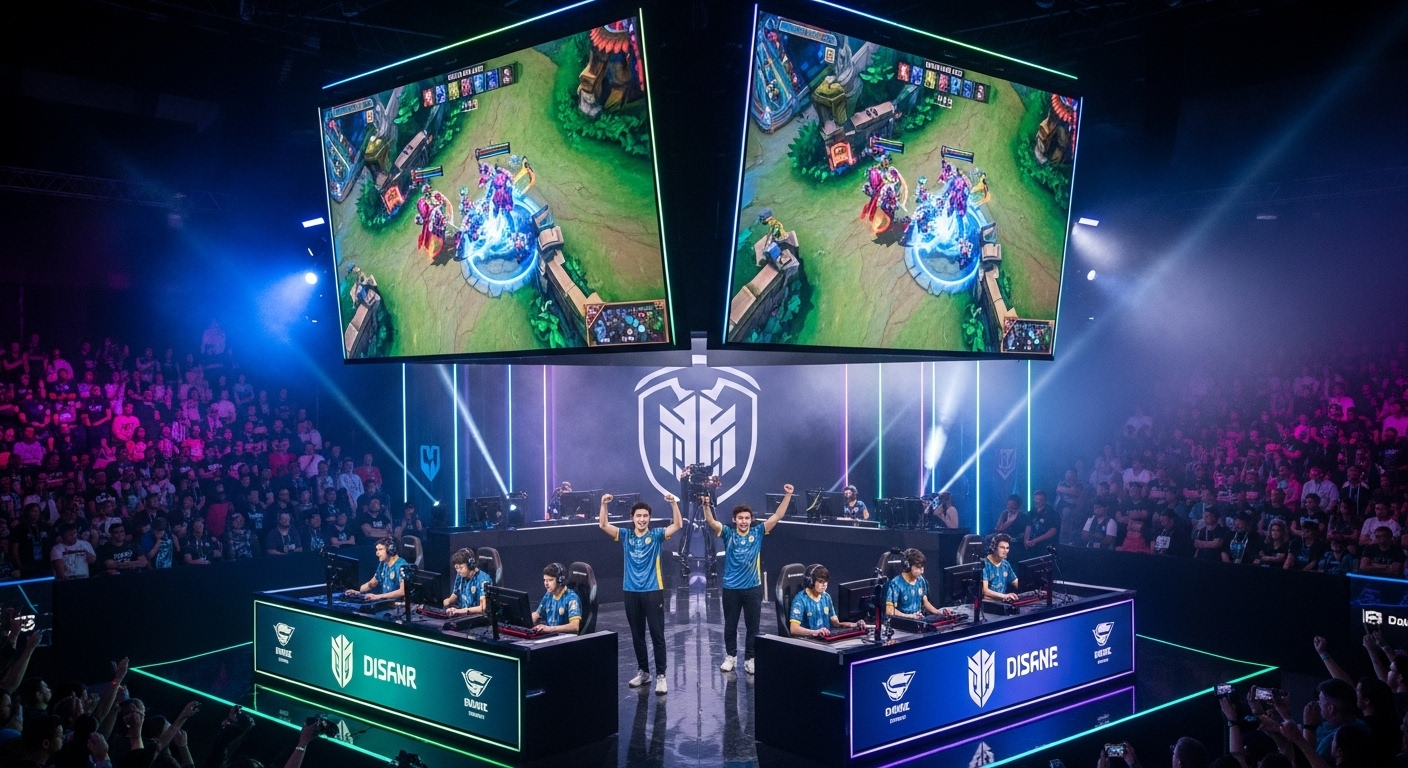
These sponsorships have not only provided financial support for tournaments but also increased the professionalization of esports. Corporate backing has helped improve the production value of esports events, from high-quality broadcasts to state-of-the-art gaming setups. This investment has been essential in turning esports into a legitimate form of entertainment that competes with traditional sports in terms of both viewership and revenue.
The economic impact of esports extends beyond sponsorships. Esports events bring in tourism revenue, with cities hosting large tournaments that attract thousands of fans. For example, when the League of Legends World Championship was held in 2018 in Incheon, South Korea, the city experienced a significant boost in tourism, hospitality, and local business.
Challenges and the Road Ahead
While esports is growing rapidly, it faces its own set of challenges. One of the main issues is sustainability. As lucrative as esports can be for top-tier players, the road to success is incredibly competitive, and many players face burnout from the intense training schedules. Moreover, the lifespan of an esports career can be short, with most professional players retiring by their late 20s due to the physical and mental demands of the sport.
Another challenge lies in the regulation of esports. In recent years, instances of cheating, match-fixing, and issues with doping have raised questions about the integrity of competitive gaming. For esports to continue growing and maintaining its credibility, it will need to implement stronger governance and transparency.
Despite these challenges, the future of esports looks bright. With technological advancements such as virtual reality and augmented reality, the gaming experience will become even more immersive. New game genres and modes of play will continue to push the boundaries of competition. As esports becomes even more integrated into the fabric of pop culture, it will undoubtedly inspire future generations of gamers and athletes.
Conclusion: A Digital Revolution
Esports has come a long way from its humble beginnings. What was once a niche hobby has become a multi-billion-dollar global industry, redefining how we think about gaming and competition. Esports has not only transformed the world of entertainment but has also created new career paths and fostered a global community. As technology continues to advance, esports is poised to become an even more dominant force in the entertainment landscape. From casual fans to professional athletes, the esports revolution is here to stay, and its future is incredibly bright.