Introduction: The New Arena in Your Living Room
In recent years the world has witnessed a powerful shift in how people play, watch, and compete. What once was dismissed as casual recreation has matured into a global spectacle: esports. Competitive gaming now occupies stadiums, commands sponsorships worth millions, shapes youth culture, and challenges traditional ideas of sport and entertainment. For many, the phrase esports conjures images of players furiously clicking, shouting calls, and roaring crowds. But beneath that visible surface lies a complex ecosystem of strategy, community, technology, identity, and ambition.
This blog post dives deep into the multi‑dimensional world of esports: its beginnings and growth, what drives its appeal, how the industry functions, key challenges it faces, and where the future may lead. Along the way we will reflect on how esports is reshaping culture, opportunity, and the very way we define competition.
The Origins: From LAN Rooms to Global Tournaments
Early Multiplayer Roots
The roots of esports trace back to multiplayer games in arcades, early home consoles, and personal computers. In the 1980s and 1990s, as home computers became more common, gamers began experimenting with networked play. Early multiplayer titles allowed two players to compete head to head, a novelty that drew communities. As Internet connectivity improved, enthusiasts began organizing informal matches and small tournaments.
LAN Parties and Community Genesis
Local Area Network gatherings—“LAN parties”—became crucibles for competitive play. Friends and strangers would bring computers or consoles to one location, connect them, and compete over local networks. These events built local communities, forged rivalries, and generated enthusiasm for exploring competitive formats. Through these grassroots efforts, rules, ladders, and competitive structures began to evolve.
First Big Tournaments & Prize Money
By the early 2000s, game publishers and third‑party organizers began offering prize money in tournaments to attract participation. Titles such as Quake, StarCraft, Counter‑Strike, and Warcraft led early competitive scenes. What began as passion projects grew into events with sponsors, commentary, and streaming among peers. With improved internet infrastructure, more players and fans could join, enabling remote competition and viewership across cities, countries, and continents.
Streaming & Spectatorship
A key turning point was the rise of streaming platforms. That allowed people not directly connected to tournaments to watch high level play. Suddenly, spectatorship became viable. People could tune into matches in real time, cheer for teams, and follow stories. This broadcasting capability turned niche competitions into spectator events. As audiences grew, investment and commercialization followed, accelerating the transition from hobby to industry.
What Makes Esports Irresistible?
Global Reach & Accessibility
Esports’ greatest strength lies in its accessibility. With a computer, console, mobile device, and internet connection, individuals from almost anywhere can compete or spectate. There is no need for large fields, stadiums, or geographic proximity. Talent can emerge from remote regions and reach global stages. This low barrier to entry fosters diversity and rapidly scales communities.
Hybrid of Skill, Strategy, and Reflex
Esports uniquely blends mechanical skill (fast reflexes, precision input) with higher level decision making (strategy, team coordination, resource management). A match can hinge on split‑second execution or a clever strategic pivot. Fans appreciate both the spectacle of rapid movements and the deep tactical layers at play. This dual nature appeals to both casual viewers and hardcore strategists.
Narrative & Drama
Matches become stories. Teams develop rivalries, comeback arcs, underdog victories, and player redemption. Fans rally behind heroes and root for upsets. Every tournament is a chapter in an evolving narrative. The emotional investment is real. When a beloved player loses in a narrow defeat, fans feel disappointment. When a team breaks a losing streak, they celebrate as if in victory. That story dimension transforms games from mechanics to spectacles.
Community & Connection
Esports thrives on community. Gamers connect on forums, streaming chat rooms, social media, and local meetups. They analyze plays, debate meta shifts, share memes, and bond over fandom. Many top players and streamers engage directly with fans. This closeness fosters loyalty. Esports fans feel like participants in the growth of a culture rather than passive consumers.
Commercialization & Career Possibility
Once viewed as hobby, esports now offers real career possibilities. Top players, coaches, content creators, and event organizers can earn salaries, sponsorships, and prize winnings. Brands partner with teams and events. Corporations see value in connecting to young, digital audiences. That influx of capital enables better production, better infrastructure, and wider reach, making the ecosystem more sustainable and attractive.
Core Components: How the Esports Ecosystem Operates
Teams, Organizations, and Roster Management
Leading esports organizations function similarly to sports clubs. They scout and sign talent, maintain multiple game rosters, provide infrastructure and training, handle marketing and branding, and manage relations with sponsors. Roster management is critical: bringing in synergy, balancing roles, and renewing teams as game metas shift. Many organizations also maintain content teams, social media managers, and support personnel.
Players: Training, Mindset, and Lifecycle
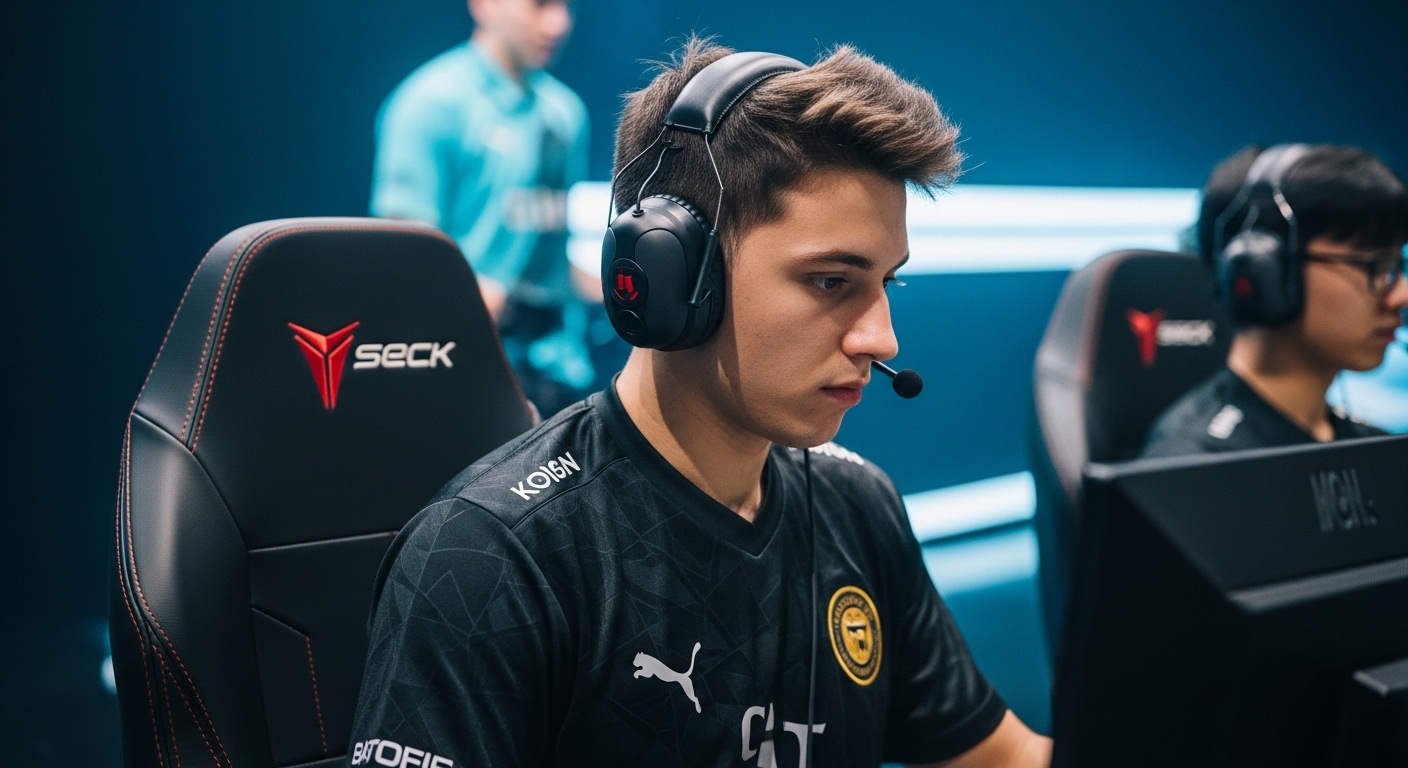
Professional players train intensely. Daily routines may include warmups, solo mechanical drills, team scrimmages, review sessions, strategy meetings, and rest periods. They also work on mental resilience, teamwork, communication, and adaptability. Careers in esports are often short—players usually peak in their early to mid twenties due to reaction speed and mental strain. Many transition into coaching, analysis, streaming, or management afterward.
Coaches, Strategists, Analysts
Behind the scenes, coaches and analysts dissect opponent strategies, review replays, develop meta understanding, and guide the team’s adjustment mid‑series. Analysts crunch statistics: pick/ban data, win rates by character or map, and macro patterns. Coaches maintain morale, communication structures, and synergy. Their role is pivotal in bridging strategy and execution.
Tournament Organizers & Leagues
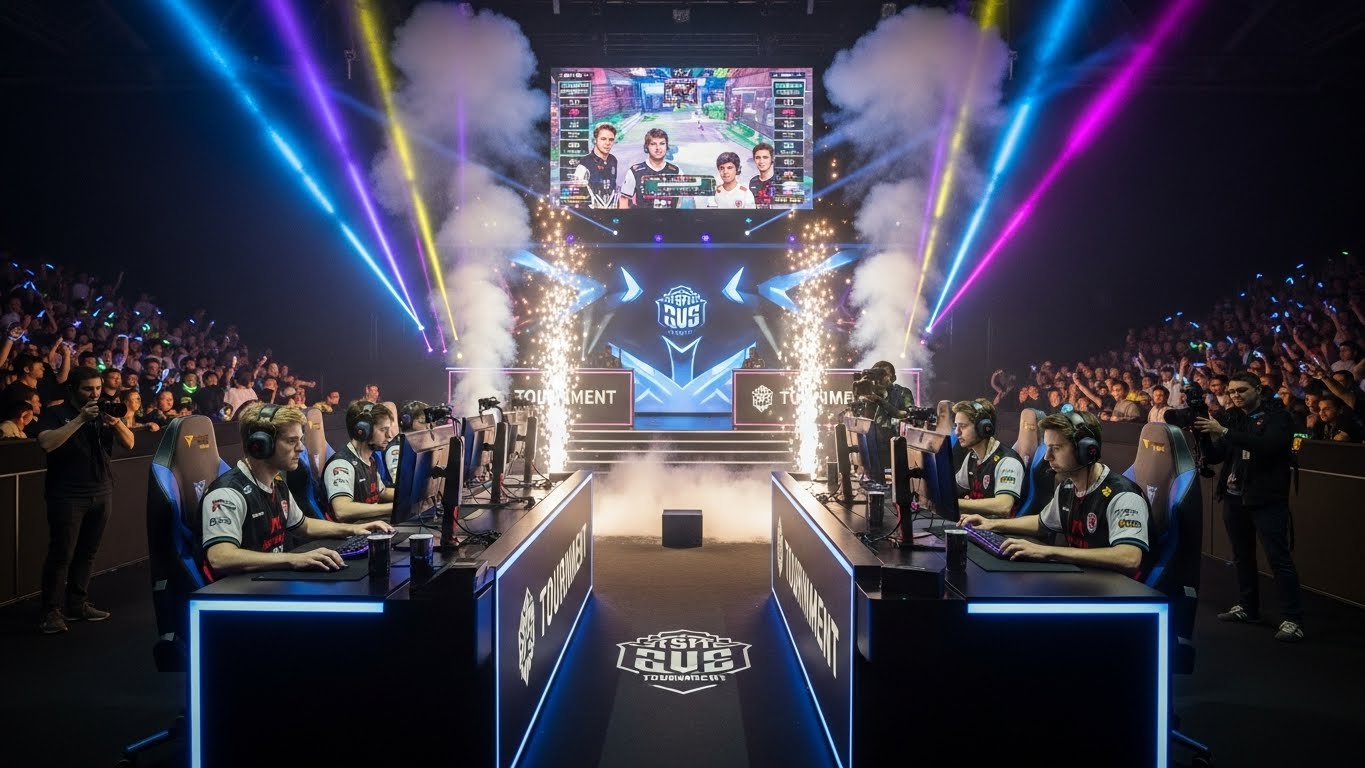
Tournament organizers manage schedule, logistics, infrastructure, broadcasting, prize distribution, and rules enforcement. Some tournaments are one‑off events, while others are part of leagues with regular seasons and promotion/relegation. Leagues tie teams into recurring schedules, offering stability and continuity. Organizers often coordinate with game publishers, sponsors, venues, and broadcasters to create polished events.
Broadcasting and Production
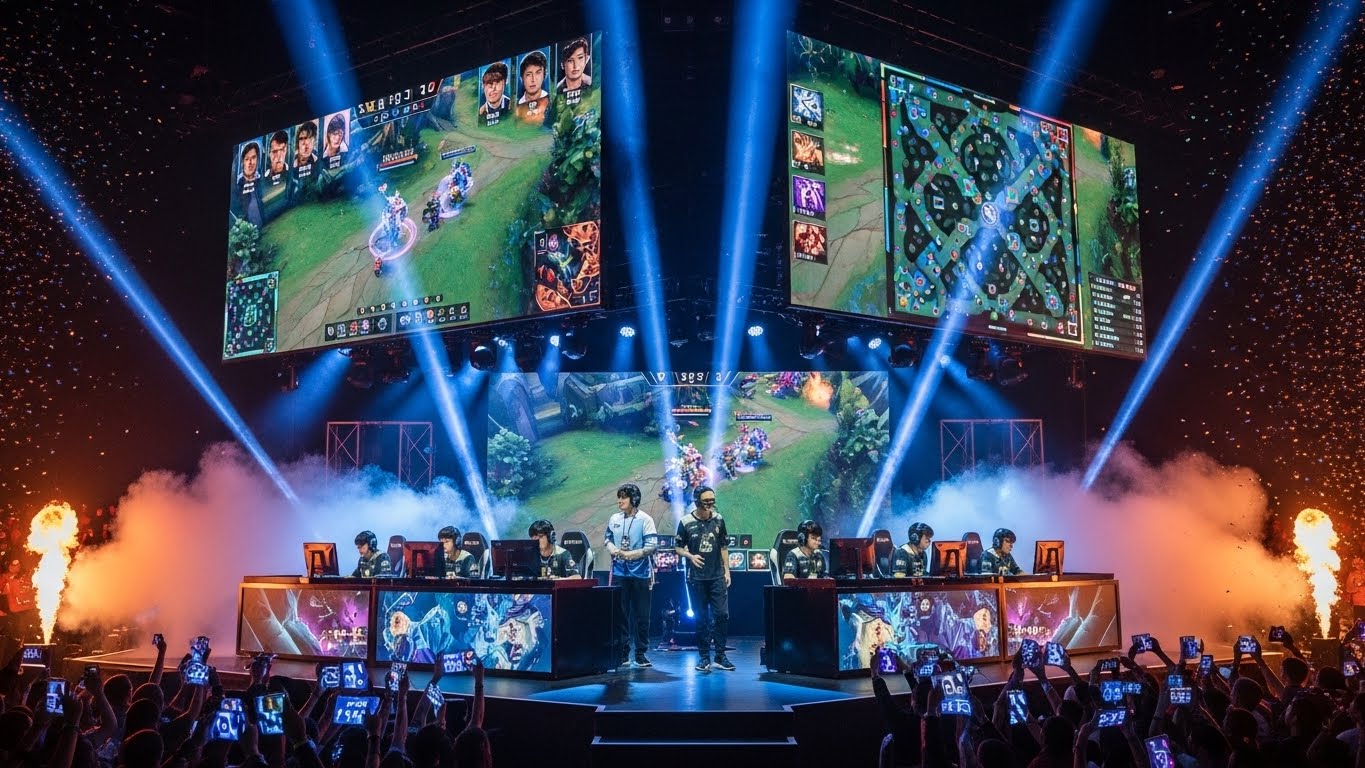
High quality broadcast is essential: camera angles, player perspectives, live statistics, replays, commentary, and engaging visuals matter significantly. The spectator experience must be compelling. Producers, directors, technical engineers all contribute to creating the narrative and spectacle. The quality of the broadcast can make or break audience enjoyment and retention.
Sponsors, Advertising, and Monetization
To sustain the industry, revenue must flow. Sponsors and advertisers invest in teams and events to reach engaged, youthful audiences. Merchandise and team apparel generate direct sales. Ticketed live events bring revenue. Game publishers may monetize through cosmetic tie-ins or event passes. Media rights deals further contribute. As revenue grows, teams and players get more stable financial support.
Prominent Titles & Their Influence
Multiplayer Online Battle Arenas (MOBAs)
Games like League of Legends and Dota 2 dominate the MOBA scene. Teams of five contest objectives, control maps, and execute macro strategies. MOBAs demand long hours of training, deep knowledge of matchups, coordination, and adaptability. Their ecosystems support global regional leagues, international events, and expansive fan communities.
First‑Person Shooters (FPS) & Tactical Shooters
Titles such as Counter‑Strike: Global Offensive, Valorant, and tactical shooters emphasize precision, map control, economy management, and coordinated execution. Unlike MOBAs, FPS esports centers on gunplay, positioning, reaction time, and split‑second decisions. Matches are shorter, action intense, and momentum swings frequent.
Hero Shooters & Hybrid Titles
Games such as Overwatch or Apex Legends combine hero abilities with shooter mechanics. These hybrids require both mechanical skill and team synergy around character roles. They also allow dynamic and creative strategies. Their pace and spectacle make them viewer‑friendly and engaging.
Battle Royales and Survival Formats
Games like Fortnite, PUBG, and Apex Legends turn big arenas into survival competitions where many teams compete until one remains. Their formats encourage adaptability, positioning, loot control, and tactical rotations. These games often attract huge casual audiences and bring in crossover interest because of their broad player bases.
Mobile Esports
In many regions, mobile gaming dominates due to device availability. Titles like PUBG Mobile, Call of Duty Mobile, Mobile Legends, and others host large tournaments. Mobile esports democratize competition: no expensive hardware, smaller physical footprint. Many amateur players can transition toward serious competition, especially in regions where console or PC infrastructure is more limited.
Challenges and Risks
Player Health, Burnout, and Wellness
The demands of high hours, intense focus, travel, jetlag, and repetitive movements put players at risk of physical injury and mental exhaustion. Organizations must prioritize wellness strategies, rest, breaks, mental health support, and balanced schedules. Without such care, talent may burn out prematurely or suffer long‑term damage.
Integrity, Cheating, and Fair Play
Cheating, doping, match‑fixing, and use of unauthorized tools or hacks threaten the legitimacy of esports. Organizers must employ reliable anti‑cheat software, rigorous oversight, transparency, penalties, and auditing. Maintaining trust among fans, teams, and players is vital.
Financial Instability and Sustainability
Many teams and tournaments depend heavily on sponsorships and volatile revenue streams. If a sponsor withdraws or a tournament fails, financial stability is jeopardized. Establishing sustainable models, diversifying income, and equitable revenue sharing are key challenges to long‑term success.
Legal, Contracts, and Intellectual Property
Player contracts, team rights, broadcasting rights, licensing, and intellectual property issues can become complex. Dispute resolution, contract fairness, regional laws, and cross‑border operations all require solid legal frameworks and clarity to protect all parties.
Uneven Regional Development
While some countries or regions enjoy strong esports infrastructure, others lack funding, recognition, or internet access. This disparity can stifle potential talent. Building equitable infrastructure, encouraging grassroots development, and fostering inclusion are essential for global balance.
Over‑saturation and Audience Fragmentation
With many games, simultaneous tournaments, and overlapping regional scenes, audience attention can become fragmented. Some events risk being lost in the noise. Ensuring quality, differentiation, and long‑term fan loyalty is crucial rather than chasing growth in quantity alone.
Cultural Impacts and Social Influence
Redefining Competition and Sports
Esports challenges traditional definitions of sports. It emphasizes mental agility, coordination, and digital interface rather than physical strength or endurance. That redefinition broadens the notion of what competition can look like in a digital age.
Youth Identity and Fandom
For younger generations, esports is not just entertainment—it is identity. Fans affiliate with teams, consume content, emulate playing styles, and participate actively in the culture. Streaming platforms, influencer culture, and content creation amplify this identity formation.
Cross‑Media Synergies
Esports often intersects with music, cosplay, fashion, animation, and storytelling. Events feature performances, marketing crossovers, merchandise lines, and themed media. The gaming universe becomes a broader entertainment nexus beyond matches.
Education and Career Pathways
Esports is being integrated into academia. Colleges and schools offer esports scholarships, clubs, event management courses, broadcasting programs, and more. Students may pursue careers in coaching, broadcasting, data analytics, or game development within the esports ecosystem.
Global Community Building
Esports connects fans and players across continents. Language differences, national borders, and diversity become part of the tapestry. Tournaments bring together people from vastly different cultures who share passion. That global bridging effect enhances cultural exchange and mutual understanding.
What the Future Holds
Immersive Spectatorship
Augmented reality, virtual reality, and interactive viewing experiences may transform how fans watch matches. Spectators might virtually enter arenas, view matches from player perspectives, or choose dynamic camera views.
Cross‑Platform Integration
Games may increasingly support cross‑platform play (PC, console, mobile), allowing unified competitive ecosystems. This helps bridge communities and reduces fragmentation. Interoperable economies and cross‑title branding might emerge.
Franchise Models & Local Markets
City‑based franchises could become more common, giving fans local teams to support. Regional leagues tied to franchises help build local identity and stable communities. Franchising can offer long term value and continuity rather than ever shifting tournament landscapes.
AI and Analytics Augmentation
Artificial intelligence may assist with match prediction, live commentary support, spectator enhancements, coaching tools, and performance metrics. AI could also power adaptive training systems tailored to individual weaknesses.
Expanded Educational Infrastructure
More institutions may adopt full curricula around esports: marketing, performance psychology, broadcasting, event management, analytics, and game design. Scholarships and formalized progression pipelines will mature.
Fair Governance & Regulatory Standards
Global standardization of rules, regulation, arbitration, anti‑cheat frameworks, and player rights will become more necessary. Transparent governance ensures legitimacy and trust across regions and stakeholders.
Inclusion, Diversity, and Access
Expect stronger emphasis on inclusion: ensuring women, minorities, and players with disabilities have equitable opportunities. Adaptive hardware, mentoring programs, representation in leadership, and accessible platforms are likely to grow.
A Day in the Life: Inside a Pro Gamer’s World
To illustrate the demands, let’s walk through a typical day for a top esports athlete:
Morning Routine
The player wakes early, does stretching and light physical exercise to maintain hand and wrist health. Breakfast is balanced for energy. They may review notes, news, or opponent strategies while warming up.
Training Block One
The first session is solo drills: mechanics, aim training, speed, reaction tests. After that, they join team practices. They scrimmage other teams, test strategies, and refine execution. Communication and roles are emphasized.
Midday Break & Analysis
After the morning practice, the team breaks for lunch and rest. Then they review gameplay footage—both their own and that of upcoming opponents. Coaches and analysts present insights; players discuss adjustments.
Training Block Two
The next practice focuses on scenario drills, coordination, clutch situations, and synergy. The team may simulate tournament conditions or explore unconventional strategies to surprise opponents.
Content & Fan Engagement
Some players stream, record content, or interact with fans on social media. Building a personal brand is part of modern esports life.
Evening Review
Post‑practice, the team debriefs, records performance metrics, discusses what worked and what didn’t, and plans for tomorrow. Players also rest and recover—physical health and mental clarity are paramount.
Winding Down
Before sleep, players might do light solo play or mental reset exercises. Adequate rest is critical because performance declines sharply under fatigue.
This routine demands discipline, resilience, adaptability, and balance. The margin between victory and defeat is often razor thin.
Memorable Narratives & Rivalries
Esports thrives on stories:
A rising underdog team from a remote region destroys established heavyweights.
A veteran player returns after a break and leads a team to a championship.
Two rival squads trade victories over seasons, fueling a fan rivalry.
A clutch play in the final seconds changes the course of a tournament.
These narratives humanize esports. Fans don’t just remember the scoreline—they feel the tension, heartbreak, and glory.
Getting Involved: For Fans, Prospects & Organizers
For Fans
Watch major tournaments, follow regional circuits, join fan communities, discuss plays, and attend live events when possible. Engage directly—vote, predict, support favorite teams. Your involvement helps shape the scene.
For Aspiring Players
Choose a specific game or role to specialize in. Practice consistently. Seek a team and scrim regularly. Record your own gameplay, analyze mistakes, learn from better players, and remain coachable. Balance intensity with rest and mental health. Join amateur tournaments to gain exposure and experience.
For Organizers and Promoters
Start small with local events; quality matters more than scale. Focus on production, rules, integrity, scheduling, and community. Partner with sponsors aligned to gaming audiences. Invest in sustaining fan communities, not only chasing big prize pools. Be transparent and ethical in operations.
Measuring Success: What Signals a Healthy Esports Ecosystem?
High indicators of a thriving esports environment include:
Growing and stable viewership across tournaments.
Robust live attendance and fan engagement.
Diverse revenue streams—not just prize money or sponsorship.
Fair and secure player contracts and welfare programs.
Balanced regional development and talent pipelines.
Production quality that delivers immersive spectator experiences.
Sustainable team and organizational models.
Robust governance, anti‑cheat enforcement, and trust.
When those elements align, the ecosystem can endure and flourish.
Conclusion: The Digital Coliseum Expands
Esports has journeyed from grassroots gatherings to global spectacles. It challenges conventional boundaries between sport, entertainment, community, and technology. It offers new pathways for talent and fandom. It shapes how we view competition in an increasingly digital world.
The path ahead is not without obstacles. Ensuring player health, financial viability, fairness, regional equity, and strong governance are essential for longevity. But the potential is immense. In the coming years we may see virtual arenas, integrated reality experiences, cross‑platform leagues, AI‑powered tools, and deeper cultural integration.
The pixelated battlegrounds we now watch belong to the future of competition. The champions, rivals, narratives, and audiences of tomorrow will continue to expand what it means to compete, to play, and to belong. Esports is not just a passing trend: it is a revolution in how we experience challenge, spectacle, and digital community.