Esports has transformed from a niche hobby into a global phenomenon, captivating millions of fans and players worldwide. What began as casual online competitions has evolved into a professional industry, complete with organized teams, major tournaments, and a dedicated fan base. Beyond entertainment, esports is redefining how we think about competition, teamwork, and digital culture.
1. From Gaming Rooms to Global Arenas
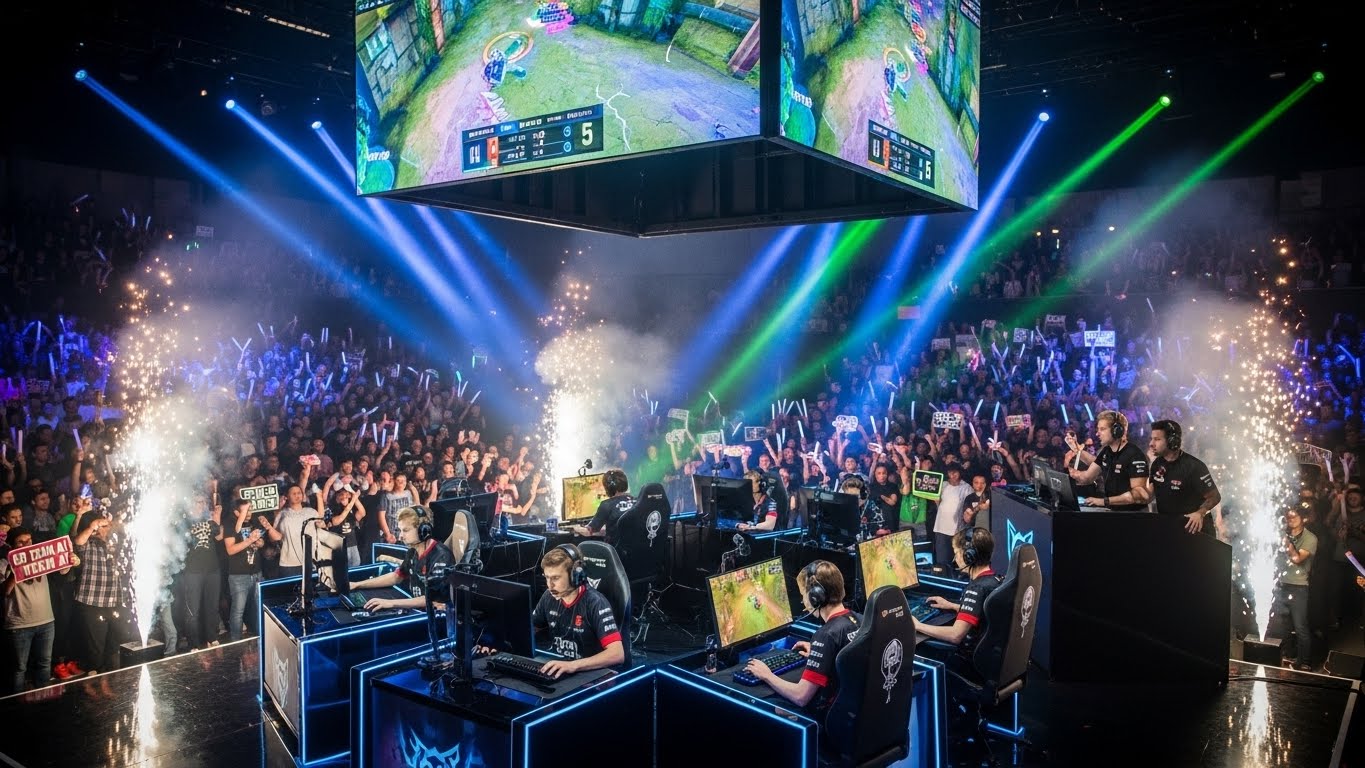
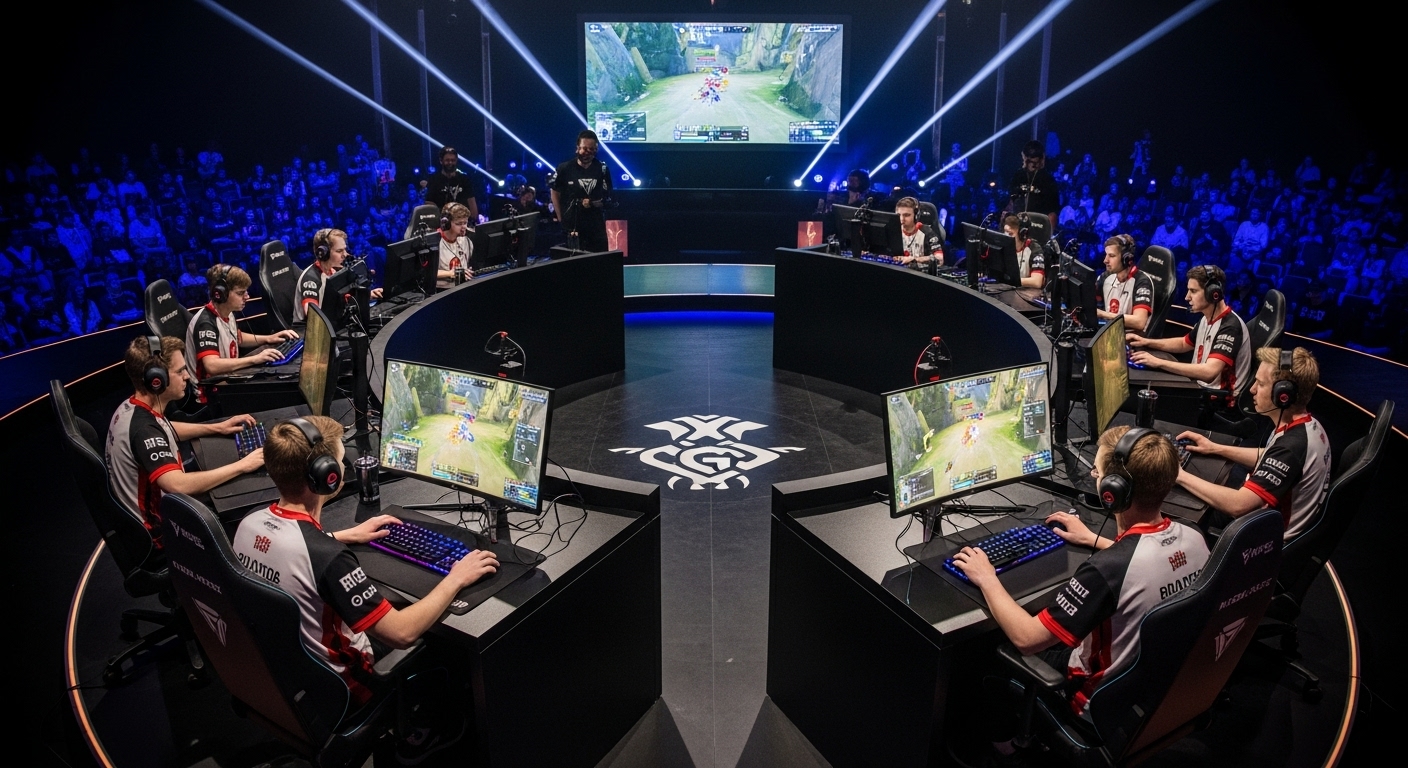
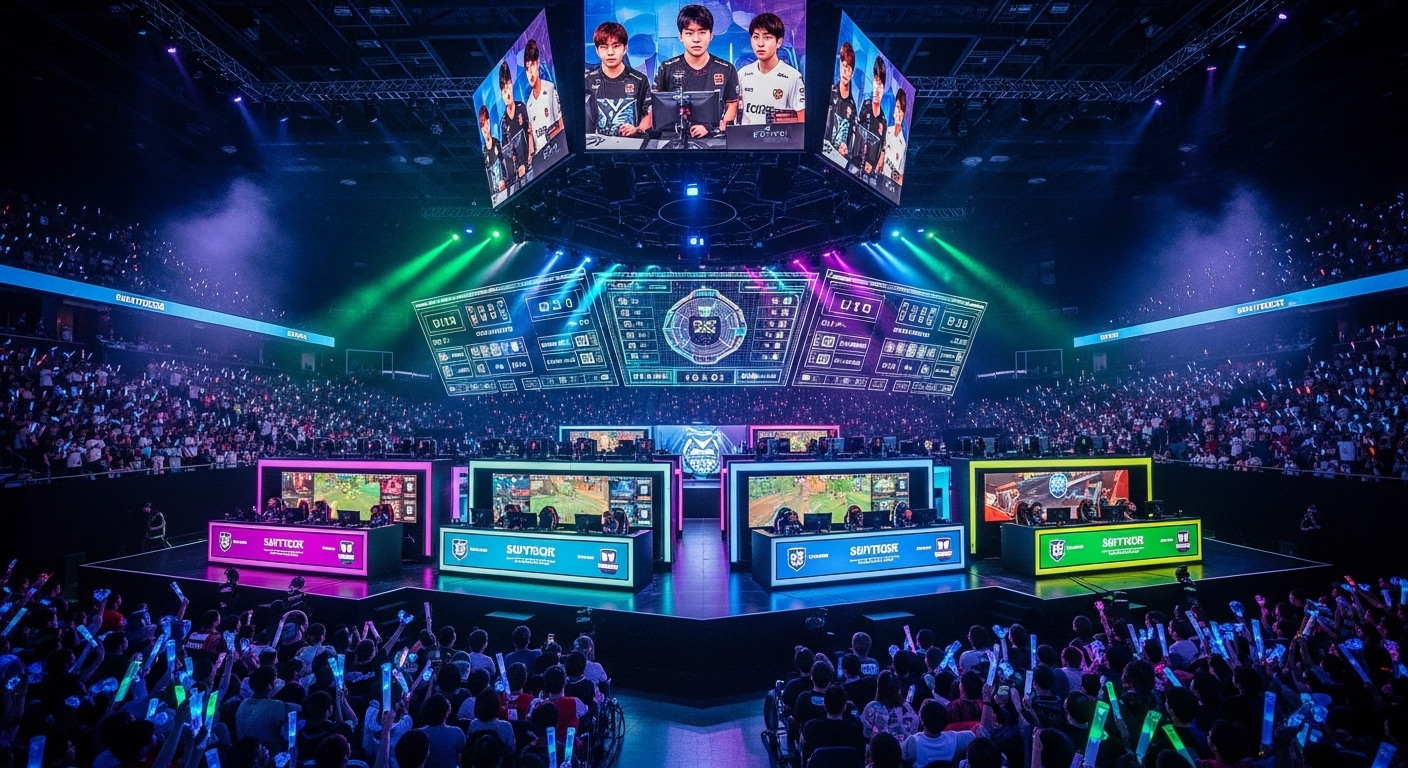
Esports started as small gatherings of friends competing in video games, but today it has grown into an international spectacle. Professional players train rigorously, analyzing strategies and honing reflexes much like traditional athletes. Major tournaments are held in arenas filled with thousands of spectators and millions of online viewers, proving that competitive gaming is no longer just a pastime—it’s a serious profession.
2. The Games That Shape the Scene
Different games have carved out their own unique space in the esports world. Multiplayer online battle arenas, first-person shooters, and real-time strategy games dominate the competitive scene. Each game requires a distinct set of skills, strategy, and coordination, offering diverse experiences for both players and viewers. This variety is part of what makes esports so compelling and inclusive.
3. The Power of Streaming and Online Communities
One of the driving forces behind esports’ rapid growth is the rise of streaming platforms. Fans can watch live matches, interact with players, and join thriving online communities. This digital connection allows esports to reach a global audience instantly, creating shared experiences that transcend geographic boundaries. It’s not just watching a game—it’s being part of a community.
4. Careers Beyond the Controller
Esports is more than just professional players. The industry offers opportunities in coaching, event management, broadcasting, analysis, and content creation. Analysts break down strategies, commentators bring excitement to matches, and producers organize complex tournaments. This ecosystem shows that esports is a multifaceted industry with opportunities far beyond competitive play.
5. The Future of Esports
The future of esports looks brighter than ever. Virtual reality, augmented reality, and mobile gaming are expanding the possibilities for competition. Collegiate esports programs are gaining recognition, and tournaments continue to attract record-breaking audiences worldwide. As the industry grows, esports will continue to influence mainstream culture, entertainment, and even education.
Conclusion
Esports has evolved into a global movement that combines skill, strategy, and digital culture. From professional players to passionate fans, it demonstrates that competitive gaming is more than just a hobby—it’s a legitimate career, a source of entertainment, and a community that connects millions. As technology advances, esports will continue to redefine competition and shape the digital landscape for years to come.