Introduction
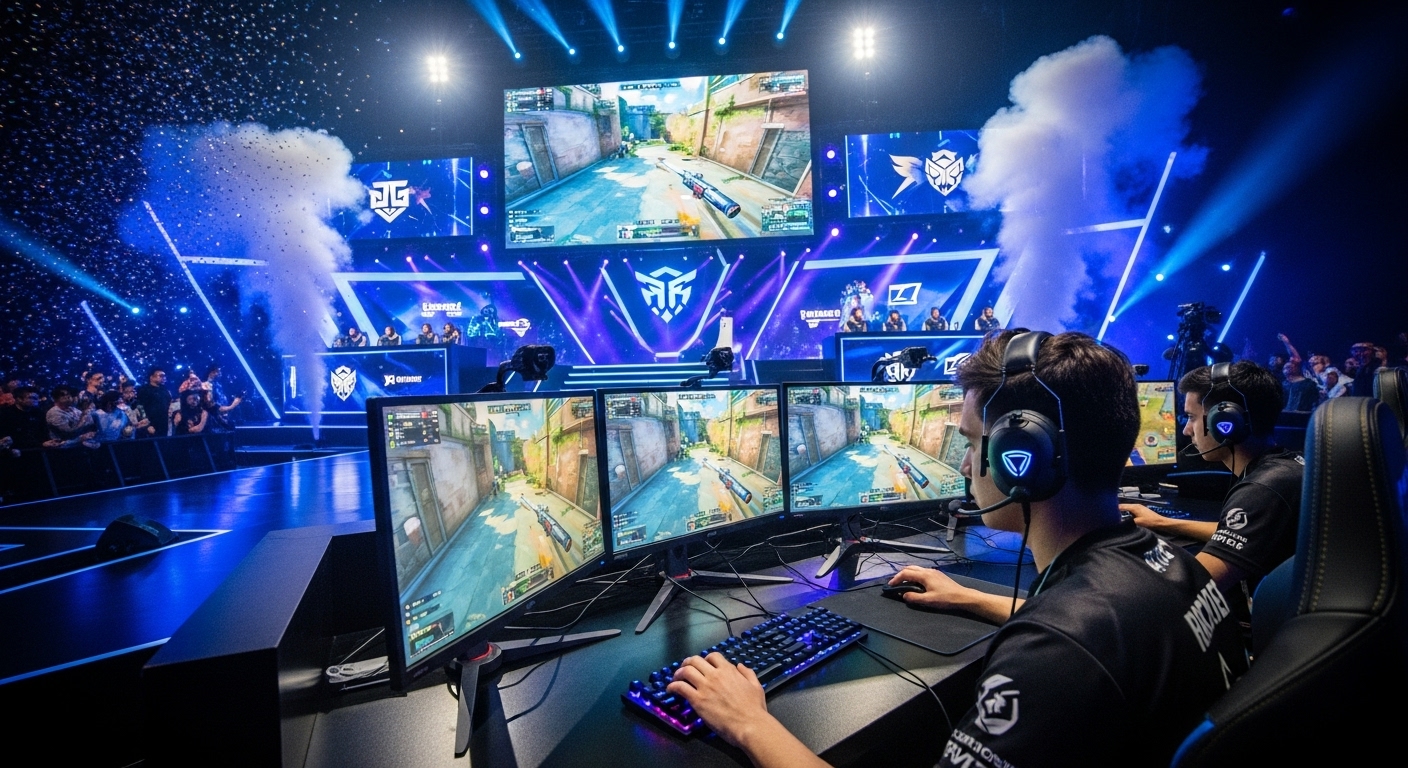
Esports, short for electronic sports, has emerged as one of the fastest-growing entertainment industries in the world. What began as casual competitive gaming among friends has evolved into a multi-billion-dollar global phenomenon, attracting professional players, millions of viewers, and significant corporate investment. Esports combines the thrill of competition with technological innovation, strategy, and entertainment, transforming video games into serious sports that command respect and attention. This blog explores the rise of esports, its cultural and economic impact, the technology behind it, and the factors driving its extraordinary growth.
The Origins of Competitive Gaming
Competitive gaming has roots dating back decades. In the 1970s and 1980s, arcade competitions and high-score challenges sparked local interest in gaming as a form of competition. Early titles such as Space Invaders and Pac-Man allowed players to test their skills and compare results with peers, laying the groundwork for organized gaming communities.
The introduction of multiplayer PC games in the 1990s, such as Doom and StarCraft, marked a turning point. These games required skill, strategy, and coordination, creating natural opportunities for competitive play. Online connectivity allowed players from different regions to face off, forming international rivalries and fostering communities that would eventually grow into the professional esports scene.
From Hobby to Profession
The transition from casual gaming to professional esports occurred in the early 2000s. Large tournaments began offering substantial prize pools, attracting top players and promoting organized leagues. Titles like Counter-Strike, Warcraft III, and Dota became the backbone of early competitive scenes, with structured tournaments and ranking systems.
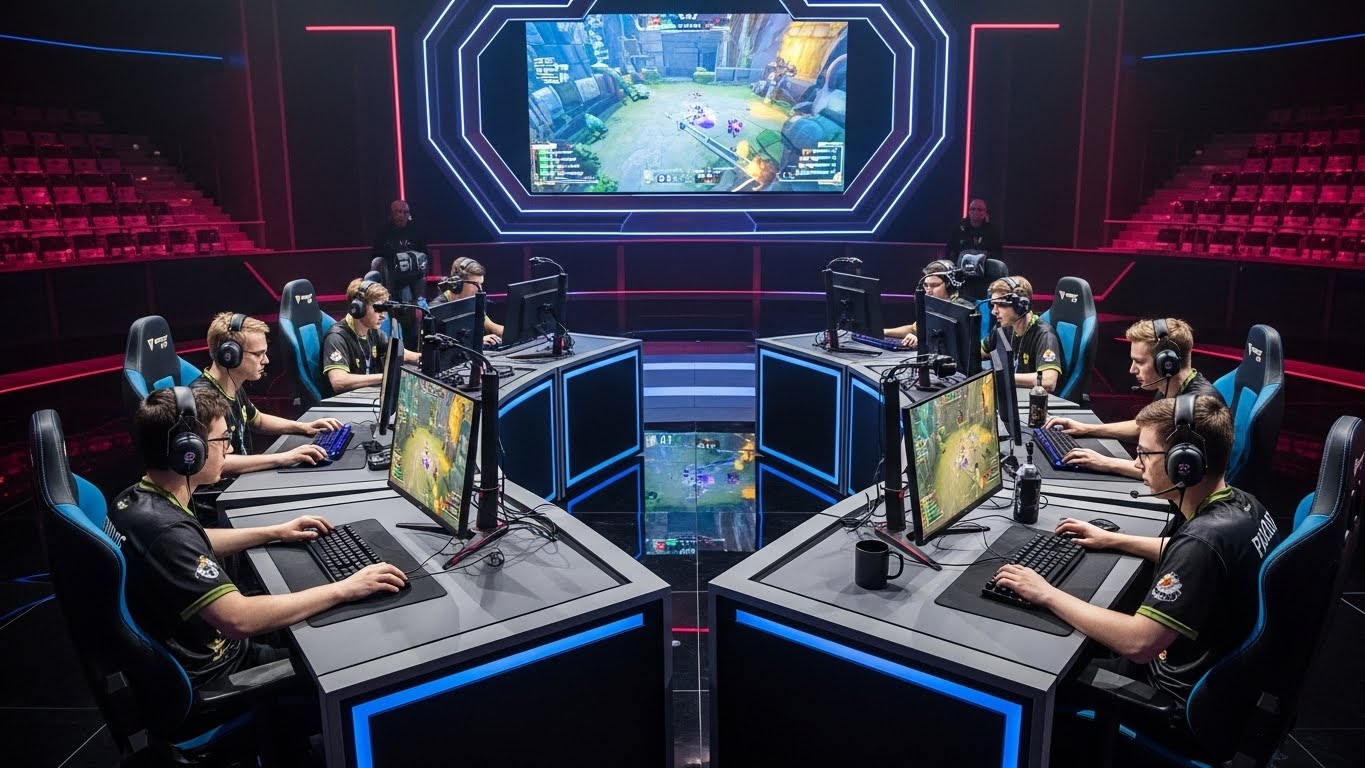
Professional teams emerged, complete with coaches, analysts, and structured training schedules. Players dedicated hours each day to practice, study opponents, and refine strategies. As the industry matured, sponsorships, media rights, and merchandise turned esports into a legitimate career path, with players achieving celebrity status in some regions.
The Technology Behind Esports
Technology is the engine driving esports growth. High-performance gaming computers, consoles, and peripherals allow players to compete at the highest level, while fast and stable internet connections ensure seamless online competition.
Streaming platforms transformed esports by making live competitions accessible to a global audience. Millions of viewers can watch tournaments in real time, interact with commentators, and engage with communities online. Advanced analytics and AI tools now help teams study performance, devise strategies, and optimize training. Virtual reality and cloud gaming are poised to further revolutionize the experience, making esports more immersive and accessible than ever.
Popular Esports Genres
Esports encompasses a wide array of game genres, each with unique competitive scenes and fan bases.
First-Person Shooters (FPS) focus on precision, reflexes, and teamwork. Games like Counter-Strike: Global Offensive and Overwatch require players to coordinate strategies while reacting rapidly to dynamic environments.
Multiplayer Online Battle Arenas (MOBAs) emphasize tactical teamwork, character selection, and strategic decision-making. League of Legends and Dota 2 are dominant titles in this genre, drawing millions of viewers and hosting massive international tournaments.
Battle Royale Games challenge players to survive in large-scale maps against numerous opponents. Fortnite and Apex Legends exemplify this genre, combining strategy, reflexes, and adaptability.
Fighting Games such as Street Fighter and Tekken focus on timing, character mastery, and one-on-one competitive duels.
Sports Simulation and Racing Games digitally replicate traditional sports and racing, allowing fans of physical sports to compete virtually through games like FIFA, NBA 2K, and Gran Turismo.
This diversity ensures esports appeals to a broad range of players and spectators, from action enthusiasts to strategy-focused competitors.
The Life of a Professional Esports Player
Professional esports players often train as rigorously as athletes in traditional sports. Daily routines include hours of gameplay, tactical analysis, physical conditioning, and mental preparation. Many players belong to professional organizations that provide coaching, nutrition advice, and support staff to optimize performance.
Players travel extensively to participate in international tournaments, boot camps, and promotional events. Engaging with fans through streaming platforms, social media, and interviews has become a vital part of building personal brands. The dedication required to succeed in esports underscores that it is not merely a hobby but a highly demanding profession.
Esports as a Spectator Sport
Esports has transformed competitive gaming into a spectator-driven phenomenon. Millions of fans worldwide watch live tournaments, enjoying the suspense, strategy, and skill displayed on-screen. Commentary and analysis provide context, allowing viewers to appreciate the depth and complexity of gameplay.
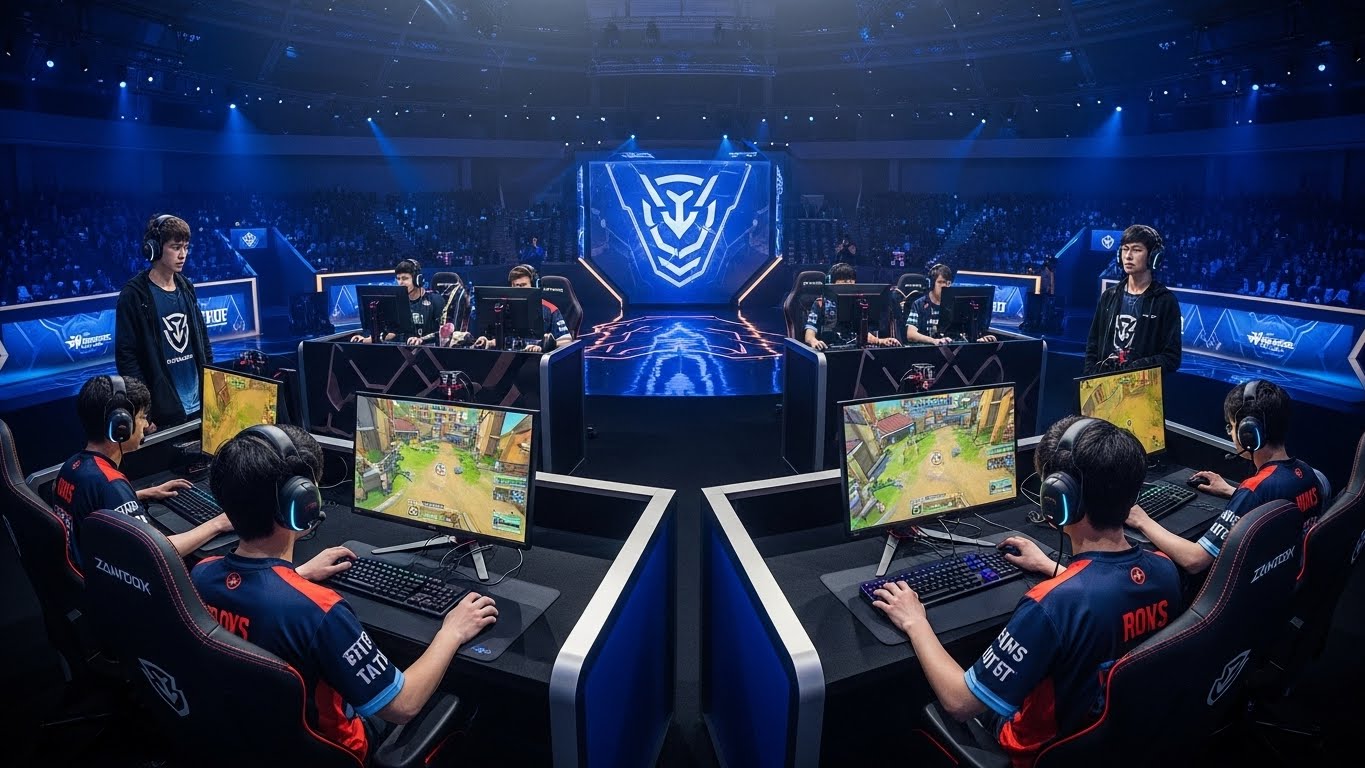
Major esports events attract large audiences both online and in physical arenas. Fans experience the excitement of close matches, team rivalries, and unexpected upsets, creating a sense of community and shared passion. Streaming platforms enable global interaction, connecting fans across continents and time zones.
Economic Impact of Esports
The esports industry generates significant economic activity. Revenue streams include sponsorships, advertising, media rights, ticket sales, merchandise, and in-game purchases. Major tournaments now offer prize pools worth millions of dollars, attracting professional talent and investment.
Beyond players, esports supports a wide range of professions, including commentators, analysts, event organizers, content creators, coaches, and developers. The industry also stimulates technological innovation, media production, and marketing, making esports a critical component of the broader entertainment and tech ecosystem.
Esports in Education and Career Development
Esports has gained recognition in educational institutions, with schools and universities offering esports clubs, courses, and scholarships. Participation teaches teamwork, communication, strategic thinking, and leadership skills. Students often develop a strong work ethic and problem-solving abilities that extend beyond gaming.
Careers in esports are no longer limited to professional players. Opportunities include coaching, broadcasting, event management, game development, content creation, marketing, and analytics. Esports provides a pathway for individuals to combine passion with professional growth, contributing to a diverse and innovative industry.
Cultural Significance of Esports
Esports is not just a competitive arena; it is a cultural phenomenon. It has shaped fashion, music, social media trends, and digital lifestyles. Players often become influencers, inspiring fans with their achievements, personalities, and lifestyles.
The global nature of esports promotes cultural exchange, as players from different countries and backgrounds compete together. Fans share experiences, strategies, and stories, creating vibrant online communities. Esports has established itself as a unique cultural force that celebrates diversity, creativity, and digital innovation.
Health and Well-Being in Esports
Maintaining physical and mental health is critical in esports. Extended gameplay, stress, and travel can lead to fatigue, repetitive strain injuries, and burnout. Professional teams emphasize exercise, ergonomics, sleep, and mental wellness to ensure sustainability and peak performance.
Health professionals, trainers, and psychologists are increasingly involved in esports organizations, highlighting the importance of holistic care. The focus on well-being reinforces that esports requires discipline, resilience, and a balanced lifestyle to succeed.
The Future of Esports
The future of esports is promising and full of potential. Emerging technologies such as virtual reality, augmented reality, and cloud gaming will enhance competition, training, and spectator experiences. New game genres and hybrid formats will expand opportunities for players and audiences.
Esports is expected to become more inclusive, promoting diversity and equal opportunities. Global expansion will bring new markets and audiences into the fold, further solidifying esports as a mainstream entertainment industry.
Integration with traditional sports, education, and entertainment will continue to grow, creating cross-industry collaborations that redefine the boundaries of competition. Esports is poised to remain a dynamic and evolving platform for entertainment, skill, and cultural influence.
Challenges Facing Esports
Despite rapid growth, esports faces challenges such as player burnout, fair competition, regulation, and ethical concerns. Overcommercialization and performance pressure can affect sustainability and player well-being. Issues like cheating, doping, and match-fixing require careful monitoring.
Addressing these challenges demands cooperation among developers, leagues, governing bodies, players, and fans. Ensuring ethical standards, transparency, and player protection will be essential for long-term growth and credibility.
Conclusion
Esports has evolved from casual gaming into a global phenomenon that combines skill, strategy, entertainment, and culture. It has created professional careers, engaged millions of fans, and driven innovation in technology and media.
From humble beginnings in arcades and online forums to massive international tournaments, esports demonstrates the power of digital competition to inspire, connect, and entertain. It is more than a pastime—it is a cultural movement, a professional opportunity, and a testament to human creativity and ambition.
As esports continues to grow, it will shape the future of entertainment, education, and professional competition, offering new avenues for connection, innovation, and excellence. The digital arenas of esports are a stage where skill, strategy, and passion converge, creating real glory in a virtual world.