Introduction
Esports, or electronic sports, has transformed the landscape of gaming over the past few decades. From humble beginnings in small arcade tournaments and local LAN competitions, esports has grown into a multi-billion-dollar global industry. Millions of players, fans, and spectators now engage in competitive gaming, whether watching live streams, attending international tournaments, or participating in online competitions.
Esports is not just a form of entertainment; it has created new career paths, technological innovations, and cultural communities. In this blog, we will explore the history, rise, and impact of esports, the evolution of games, the role of tournaments and streaming, the professional ecosystem, and the future prospects of competitive gaming.
The Origins of Competitive Gaming
The roots of esports trace back to the 1970s and 1980s when the first video games became widely available. Early arcade games like Space Invaders and Pac-Man inspired competitions and high-score challenges. The concept of skill-based gaming competitions emerged naturally as players sought to prove their abilities.
By the 1990s, the rise of personal computers allowed competitive gaming to expand. Titles such as Doom, Quake, and StarCraft introduced multiplayer mechanics that enabled players to compete locally and over networks. This period laid the foundation for organized competitive gaming. Gamers would host LAN parties and small tournaments, creating the first communities around competitive play.
The Rise of Esports as an Industry
The early 2000s marked a turning point for competitive gaming. South Korea became a global hub for esports, especially with StarCraft: Brood War. Gaming cafes, known as PC bangs, allowed players to train extensively and participate in organized competitions. The professionalization of esports in South Korea demonstrated that competitive gaming could be a serious career and a spectator sport.
International tournaments began to attract sponsorships and media attention. Prize pools grew, teams became formalized, and esports leagues were created. Companies realized the potential to reach young, tech-savvy audiences, leading to increased investment and professionalization of the industry.
Popular Esports Genres
Esports encompasses a wide range of game genres, each attracting different audiences and requiring unique skills. Multiplayer Online Battle Arenas, or MOBAs, are among the most competitive. Games like League of Legends and Dota 2 demand teamwork, strategy, and precise execution. Teams work together to control maps, defeat opponents, and achieve objectives, creating complex tactical gameplay.
First-person shooters, or FPS games, are another major esports genre. Titles like Counter-Strike: Global Offensive, Overwatch, and Call of Duty emphasize reflexes, aiming precision, and strategic coordination. High-stakes FPS tournaments often feature intense, fast-paced matches that captivate viewers.
Fighting games, including Street Fighter and Tekken, focus on individual skill, reaction time, and mastery of mechanics. These games thrive on one-on-one competition and have dedicated, passionate fan communities.
Real-time strategy games, such as StarCraft II, test players’ ability to manage resources, units, and battlefield tactics simultaneously. RTS games reward strategic thinking, multitasking, and adaptive gameplay.
The Growth of Esports Tournaments
Esports tournaments have grown in scale and prestige, attracting millions of viewers worldwide. Events like the League of Legends World Championship, The International for Dota 2, and the Fortnite World Cup feature staggering prize pools, often reaching tens of millions of dollars.
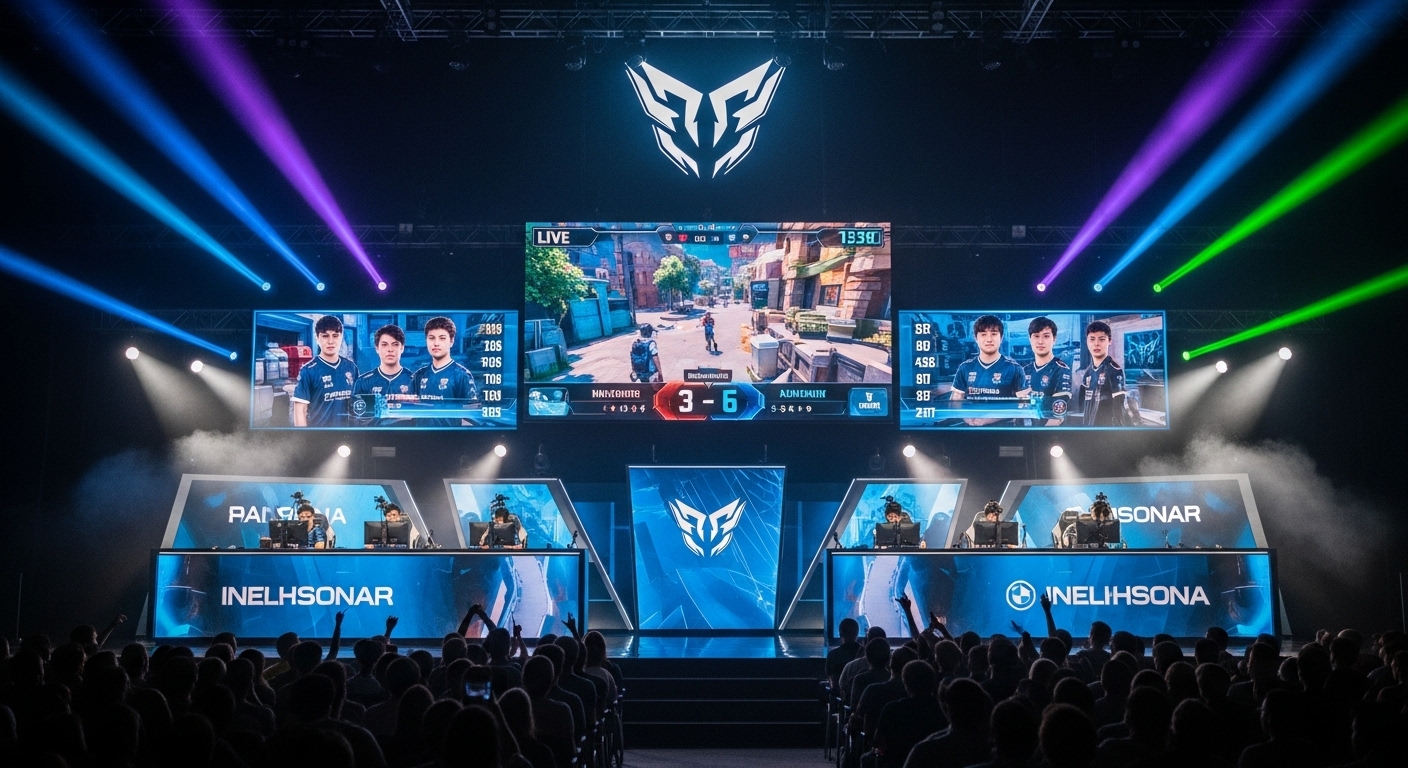
These tournaments are no longer confined to online play. Major events are hosted in stadiums and arenas, with thousands of spectators attending live. The energy of live tournaments adds a festival-like atmosphere, complete with commentary, fan engagement, merchandise, and sponsor activations.
International competitions have established global rivalries, bringing together teams from different countries to compete at the highest level. This fosters cultural exchange, fan communities, and a sense of national pride within esports.
Streaming Platforms and the Rise of Spectatorship
Streaming platforms such as Twitch, YouTube Gaming, and Facebook Gaming have revolutionized how fans consume esports. Viewers can watch live matches, interact with commentators, and follow their favorite players and teams. The accessibility of streaming has democratized esports viewership, allowing millions to experience tournaments in real time.
Streaming has also created a new class of influencers and personalities. Professional players, content creators, and esports commentators build large audiences and generate revenue through subscriptions, sponsorships, and advertisements. This interaction between players and fans strengthens the esports community and drives engagement.
Professional Esports Teams and Organizations
Professional esports teams operate similarly to traditional sports franchises. Teams recruit talent, provide coaching, manage training schedules, and analyze gameplay. Organizations such as Team Liquid, Fnatic, and Cloud9 compete across multiple games and establish global reputations.
Support staff, including analysts, strategists, nutritionists, and psychologists, play critical roles in optimizing player performance. Teams also invest in branding, marketing, and fan engagement to grow their presence in a competitive market. Professional esports organizations have created career pathways for players, managers, and content creators alike.
Training and Preparation
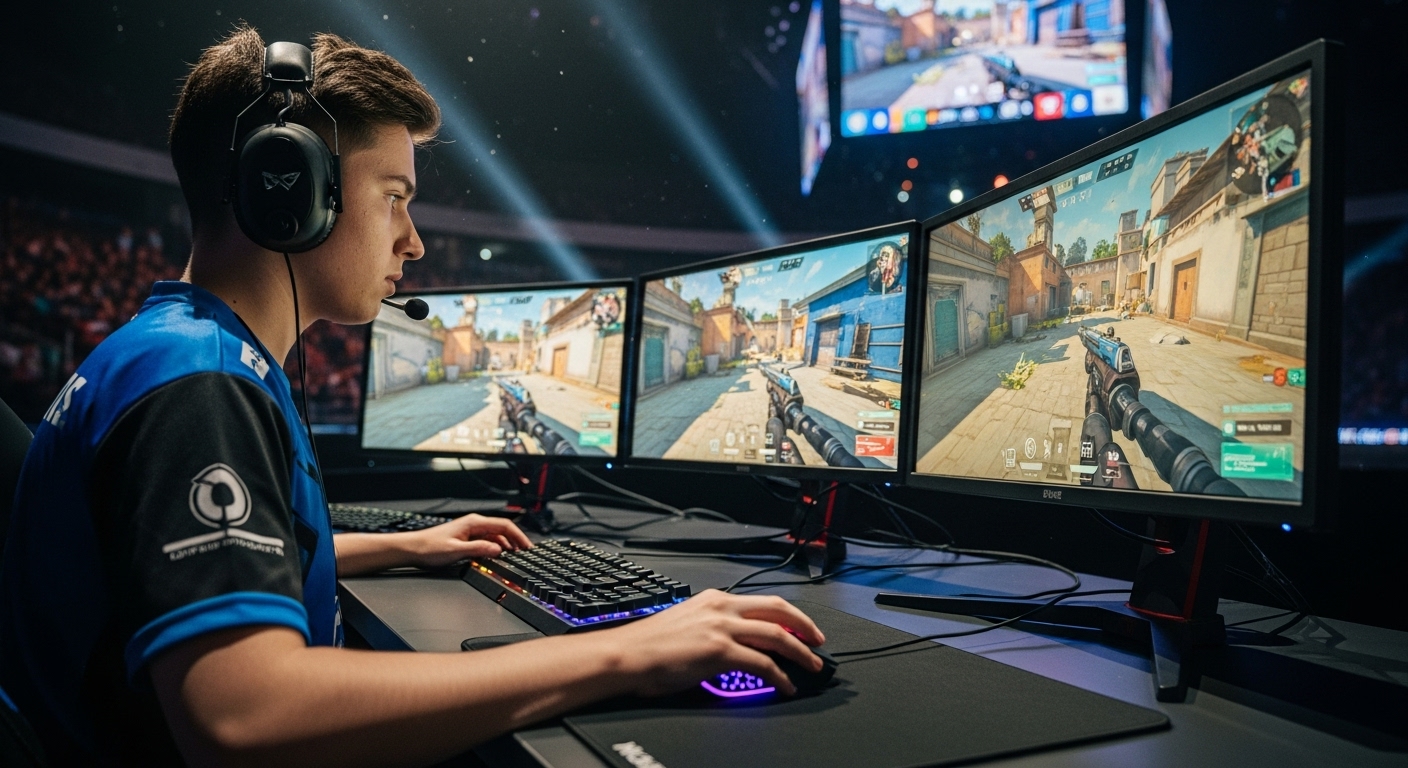
Professional esports players undergo rigorous training routines to maintain peak performance. Training includes practicing game mechanics, studying opponent strategies, and coordinating with teammates. Reaction time, strategic thinking, and communication skills are essential for success.
Players often work with coaches and analysts to study gameplay data, develop strategies, and improve weaknesses. Mental resilience and focus are critical, as the pressures of competition and high expectations can be intense. Professional preparation in esports now mirrors the discipline of traditional athletic training.
The Economics of Esports
Esports is a multi-billion-dollar industry with diverse revenue streams. Sponsorships, advertising, media rights, merchandise, and ticket sales contribute to its economic growth. Companies recognize the value of esports in reaching younger audiences who are increasingly engaged in digital entertainment.
Tournaments feature massive prize pools. The International for Dota 2 regularly surpasses forty million dollars in total prizes, making it one of the largest sporting events globally in terms of financial stakes. The economic opportunities in esports attract investors, teams, and media networks to expand and innovate within the industry.
Cultural Impact
Esports has significantly influenced global culture. Gaming conventions, tournaments, and fan communities have fostered a unique identity and sense of belonging for millions of players and spectators. Esports has also become more inclusive, offering representation and opportunities for players from diverse backgrounds.
The influence of esports extends beyond gaming. Fashion, music, and media incorporate gaming culture and aesthetics. Schools and universities now offer esports programs, including scholarships for talented players. This integration into mainstream culture highlights the growing recognition and legitimacy of esports as a professional and social phenomenon.
Challenges Facing Esports
Despite its rapid growth, esports faces challenges. Player burnout and mental health are significant concerns due to long hours of practice, travel, and competitive pressure. Organizations increasingly focus on wellness programs to support player health and longevity.
Regulation and governance vary globally, creating challenges in areas such as age restrictions, betting, and intellectual property. Ensuring fair play, anti-cheat enforcement, and ethical conduct remains essential to maintaining the integrity of the industry.
Cybersecurity is another critical issue, as esports platforms handle vast amounts of personal and financial data. Investments in encryption, secure authentication, and monitoring systems are necessary to protect players and organizations.
Technological Innovations in Esports
Technology underpins the success of esports. High-performance hardware, faster internet connections, and advanced graphics enhance competitive experiences. Data analytics and AI assist players and teams in strategy development, performance analysis, and content creation.
Virtual reality and augmented reality are emerging areas in esports. These technologies have the potential to create immersive experiences, transforming how competitions are played and watched. Innovations continue to push the boundaries of gaming, creating new opportunities for players and audiences.
Education and Skill Development
Esports is increasingly recognized as a tool for education and skill development. Academic programs and curricula incorporate game design, strategy, and digital media studies. Scholarships are offered to talented esports players, recognizing their skill and dedication.
Participation in esports fosters transferable skills such as teamwork, communication, strategic planning, and time management. These competencies are valuable in both professional and academic contexts, demonstrating that esports contributes to personal growth and career readiness.
The Future of Esports
The future of esports promises further expansion, technological innovation, and cultural influence. Virtual tournaments, interactive streaming, and global leagues will continue to grow audiences and fan engagement. AI-driven analytics and training systems will enhance performance, while new game genres may emerge to diversify competitive opportunities.
Inclusivity and accessibility will remain critical to esports’ future. Platforms will accommodate players of all abilities, backgrounds, and languages, ensuring the industry remains welcoming and globally relevant. Esports is poised to continue bridging digital and physical worlds, creating new entertainment experiences.
Conclusion
Esports has evolved from grassroots competitions to a global entertainment and professional ecosystem. It combines skill, strategy, technology, and community to create a cultural phenomenon that resonates with millions of players and fans worldwide. Professional players, teams, tournaments, and streaming platforms have transformed competitive gaming into a viable career path and mainstream entertainment.
As esports continues to innovate and expand, it will influence technology, culture, and society in unprecedented ways. The industry exemplifies the potential of digital entertainment to connect people, foster creativity, and redefine competition in the modern era. Esports is more than just playing games; it is a testament to human skill, strategy, and the power of shared experiences in the digital age.