Introduction
Twenty years ago, video games were mostly seen as a hobby. Kids huddled around chunky monitors, fighting over controllers and bragging about high scores. Parents often dismissed gaming as a waste of time. Fast forward to today, and Esports has become a billion-dollar industry, filling entire stadiums, generating celebrity-level fame for players, and attracting massive sponsorships from the world’s biggest brands. What was once a niche pastime is now one of the most influential entertainment and cultural movements of the 21st century.
Esports, short for electronic sports, refers to competitive gaming where individuals or teams compete in video games for prizes, sponsorships, and prestige. It’s not just about playing for fun anymore — it’s a legitimate career path, an entertainment powerhouse, and a technological frontier all at once.
The Early Days: Humble Beginnings
Esports didn’t emerge overnight. The roots stretch back to the early 1970s when students at Stanford University competed in the game Spacewar. The prize? A year’s subscription to Rolling Stone magazine. It may sound simple, but that event is often recognized as the first recorded video game tournament.
As the arcade era rolled into the 1980s, competition became part of gaming culture. Arcades were bustling with players chasing high scores in games like Pac-Man and Donkey Kong. Magazines published leaderboards, and local bragging rights meant everything. While it was far from what we call Esports today, the spirit of competition was already alive.
By the 1990s, the spread of personal computers and local area networks (LAN) changed the game entirely. Players could connect directly with each other to compete. Titles like Doom, Quake, and StarCraft gave rise to small tournaments that slowly gained recognition. South Korea, in particular, became a hub for competitive gaming, where players treated StarCraft as seriously as professional sports.
The Turning Point: Internet and Streaming
The early 2000s marked a massive shift in how people played and watched games. Broadband internet brought players together globally, and the launch of platforms like Twitch and YouTube in the 2010s made watching games as easy as watching TV.
Before streaming, only the most dedicated fans attended LAN tournaments in person. With Twitch, anyone could watch the best players in the world from their phone or computer. Suddenly, a League of Legends match could attract millions of viewers worldwide, and the players became household names within gaming communities.
Streaming turned Esports into a spectator sport. Viewers didn’t just watch matches; they connected with personalities. They followed their favorite players, supported teams, and discussed strategies in real time. This shift turned gaming into a shared global experience — one that advertisers and investors quickly noticed.
The Growth of Professional Leagues
As audiences grew, Esports began adopting the structure of traditional sports. Professional leagues, teams, and sponsorship deals emerged. Games like Counter-Strike, Dota 2, and League of Legends created official tournaments with huge prize pools.
League of Legends, for example, launched its World Championship in 2011, attracting a few thousand viewers at first. Less than a decade later, that same championship was being watched by more than 100 million people worldwide — a number rivaling the Super Bowl.
Dota 2’s “The International” became known for its record-breaking prize pools, funded partly by the game’s community. In 2019, the total prize exceeded 30 million dollars, proving that Esports wasn’t just a cultural phenomenon but an economic powerhouse.
Organizations like Riot Games, Blizzard, and Valve started building professional ecosystems with regular seasons, player salaries, and team management structures. Franchising followed, much like in the NBA or NFL, with cities represented by their own teams. The Overwatch League, for example, had teams named after cities across the world, making Esports feel local yet global at the same time.
The Players: From Hobbyists to Global Celebrities
For many, Esports represents the ultimate dream — turning a passion into a profession. Players who once competed in internet cafes now earn six-figure salaries, endorsement deals, and millions in prize money.
What separates professional players from casual gamers isn’t just skill; it’s discipline. Top players train eight to twelve hours a day, studying opponents, analyzing strategies, and practicing mechanics. They live in team houses, work with coaches, nutritionists, and even sports psychologists.
Names like Faker from League of Legends, s1mple from Counter-Strike, and Ninja from Fortnite are recognized worldwide. They’ve reached levels of fame once reserved for athletes and movie stars. Their social media followings rival celebrities in music and film, and their influence reaches far beyond the gaming community.
But fame in Esports comes with pressure. The competitive lifespan of a pro player is often short — most retire before 30. Reaction times slow down, new talent rises, and the industry’s pace is relentless. That’s why many pros transition into streaming, coaching, or content creation once their competitive careers end.
The Games that Shaped Esports
While thousands of games have competitive scenes, a few have become pillars of the Esports industry.
Counter-Strike is one of the oldest and most respected Esports titles. Its simple premise — two teams facing off as terrorists and counter-terrorists — hides a deep layer of strategy and skill that has kept players hooked for over two decades.
League of Legends brought structure and spectacle to Esports. Riot Games built an entire ecosystem with seasonal leagues, playoffs, and massive world finals. It’s one of the most-watched games on the planet, with fans treating players like rock stars.
Dota 2 pushed prize pools to new heights, showing that fans could directly support tournaments through in-game purchases.
Fortnite brought Esports to a younger and more mainstream audience, blending casual gaming and competition. Its flashy style, celebrity collaborations, and online events helped redefine what competitive gaming could look like.
Other games like Overwatch, Valorant, Rocket League, and Call of Duty have carved their own niches, proving that Esports isn’t limited to one genre or format. From first-person shooters to battle royales to strategy games, there’s something for every type of competitor and fan.
The Esports Economy
Behind the screens, Esports is big business. Sponsors, advertisers, and investors have poured billions into the industry. Brands like Coca-Cola, Intel, and Nike have sponsored teams and tournaments, recognizing that the gaming audience is young, global, and highly engaged.
Prize pools are just one part of the money flow. Teams earn from sponsorships, merchandise, streaming revenue, and brand partnerships. Event organizers make money through broadcasting rights and ticket sales, while game developers benefit from increased player engagement.
Streaming platforms like Twitch, YouTube Gaming, and Kick also share revenue with creators, further fueling the ecosystem. For many fans, supporting their favorite player or team through subscriptions and donations feels as personal as cheering in a stadium.
Esports has even reached traditional television and betting markets. Major networks broadcast tournaments, and Esports betting has grown into a multi-billion-dollar industry. Universities now offer Esports scholarships, and countries like South Korea, China, and the United States have government-backed initiatives to nurture gaming talent.
The Global Stage
Esports is truly global. In South Korea, it’s treated as a national pride. Professional players are celebrities, and matches are broadcast on television. China boasts enormous fanbases, and Europe has powerhouse teams in almost every major title. North America, once late to the party, now invests heavily in infrastructure, franchised leagues, and college programs.
What’s fascinating is how Esports bridges cultural gaps. A player in Brazil can compete against someone in Sweden in real-time. Fans from different continents cheer for the same team and communicate through the universal language of gaming.
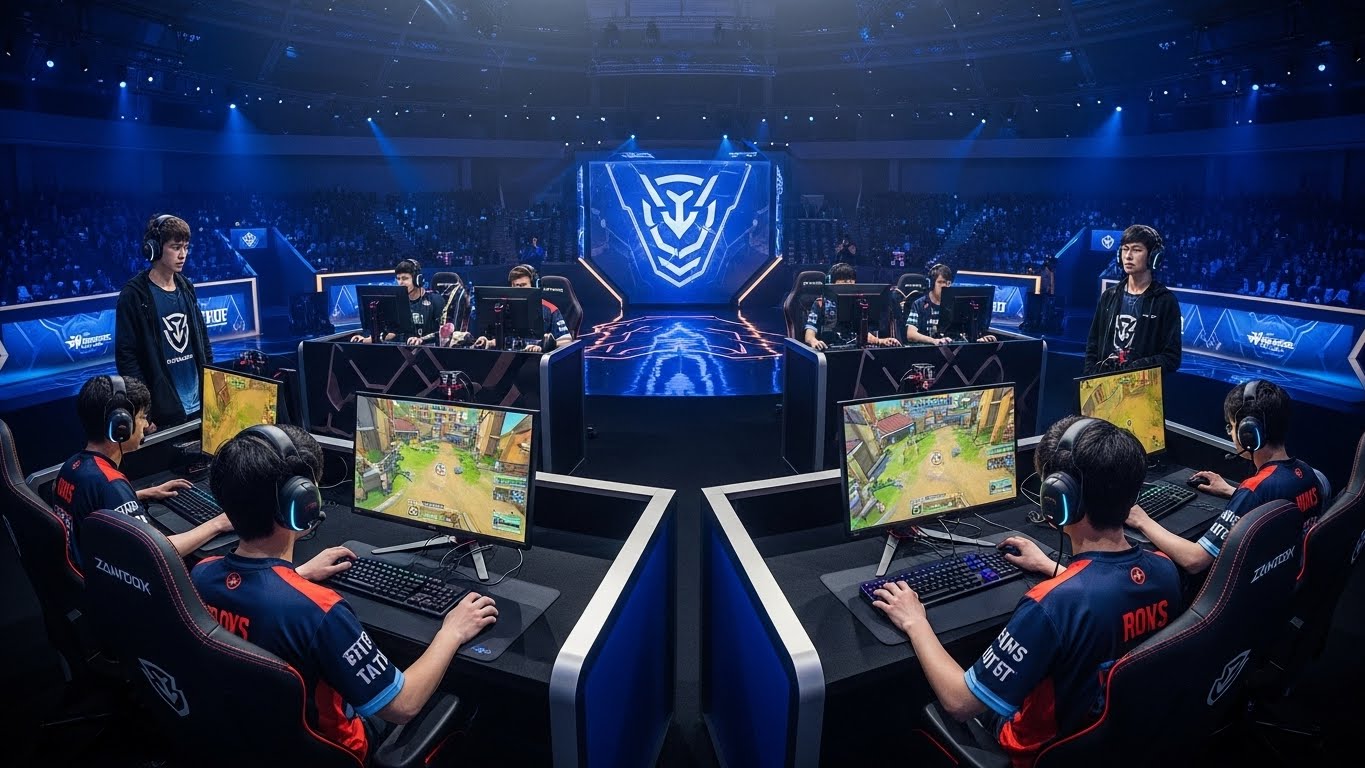
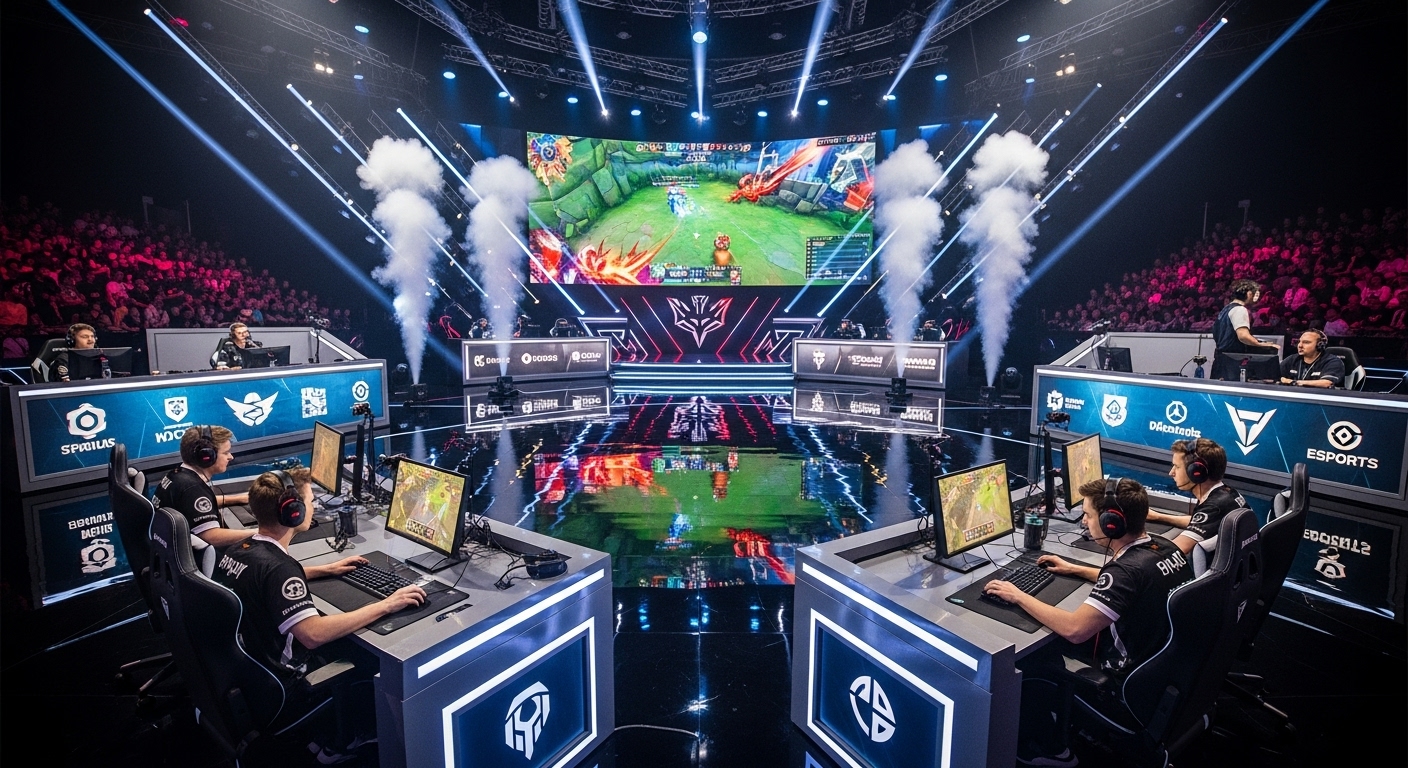
Major events like The International or the League of Legends World Championship are hosted in massive arenas like Madison Square Garden or Beijing’s Bird’s Nest Stadium. These aren’t small gatherings — they sell out seats, feature elaborate stage designs, and boast opening ceremonies rivaling the Olympics.
Esports and Technology
Technology has always been the backbone of Esports. The industry evolves alongside hardware, software, and internet innovation. The rise of high-speed broadband and affordable gaming hardware made global competition possible.
Now, emerging technologies like virtual reality, artificial intelligence, and augmented reality are shaping the future of Esports. Imagine virtual arenas where fans can stand beside their favorite players or real-time AI analytics that break down gameplay for viewers.
Cloud gaming services are also changing accessibility. Soon, players may not need expensive hardware to compete — just a fast connection. That opens the door for millions more participants, making Esports even more inclusive.
The Cultural Impact
Esports isn’t just about games; it’s about culture. It has influenced fashion, music, language, and even education. Players wear branded jerseys. Pop artists perform at Esports events. Slang from games makes its way into everyday conversation.
Streaming culture has blurred the line between player and entertainer. Personalities build massive communities where humor, storytelling, and interaction matter as much as gameplay. This blend of competition and entertainment has reshaped how younger generations consume content.
Schools and universities have begun embracing Esports as part of their curriculum. Programs focus on game design, marketing, and event management — recognizing that Esports is more than just playing. It’s a full-fledged industry requiring diverse skills.
Challenges and Criticism
Despite its success, Esports faces challenges. Player burnout is a serious issue. The intense schedules, constant travel, and pressure to perform can take a toll on mental health. Many organizations are now prioritizing wellness, hiring therapists and implementing rest policies.
Toxicity and inclusivity are also ongoing conversations. Like any online community, Esports has struggled with issues around harassment and representation. However, progress is being made as more women, non-binary players, and diverse voices rise through the ranks.
There’s also the debate about regulation. Unlike traditional sports, Esports doesn’t have a single governing body. Each game’s developer sets its own rules, which can lead to inconsistencies. As the industry grows, establishing fair standards will become increasingly important.
The Future of Esports
The future of Esports looks brighter than ever. Analysts predict that audience numbers will continue to soar, with global viewership expected to surpass half a billion in the next few years. With that comes more investment, better infrastructure, and even stronger integration into mainstream entertainment.
Esports could soon appear in schools the way football or basketball does — as part of student life and community spirit. Virtual and augmented reality will likely create new types of competitive experiences. And as streaming continues to dominate, fans will have even more direct access to players and teams.
Some even believe Esports could become part of the Olympic Games in the near future. The conversation has already started, and while traditionalists may resist, it’s hard to deny that the skill, dedication, and teamwork in Esports mirror that of any athletic discipline.
Conclusion
From humble beginnings in university labs to filling global arenas, Esports has transformed entertainment, technology, and culture. It’s more than a competition; it’s a movement that represents creativity, community, and the spirit of digital innovation.
The beauty of Esports lies in its inclusivity. Anyone with a computer or console can dream of going pro. The boundaries of geography, language, and background fade away when the game begins.
Esports isn’t just the future of gaming — it’s the future of how we connect, compete, and celebrate human skill in a digital age.