Introduction: The Digital Revolution of Sports
In the early 21st century, a quiet revolution began reshaping the concept of competition and entertainment. What started as small gatherings of video game enthusiasts in arcades and living rooms has transformed into a billion-dollar global industry known as Esports—electronic sports. Esports represents the organized, competitive side of video gaming, where individuals or teams face off in structured tournaments for prestige, recognition, and substantial financial rewards. It has not only changed how people play games but also how society perceives gaming as a legitimate sport.
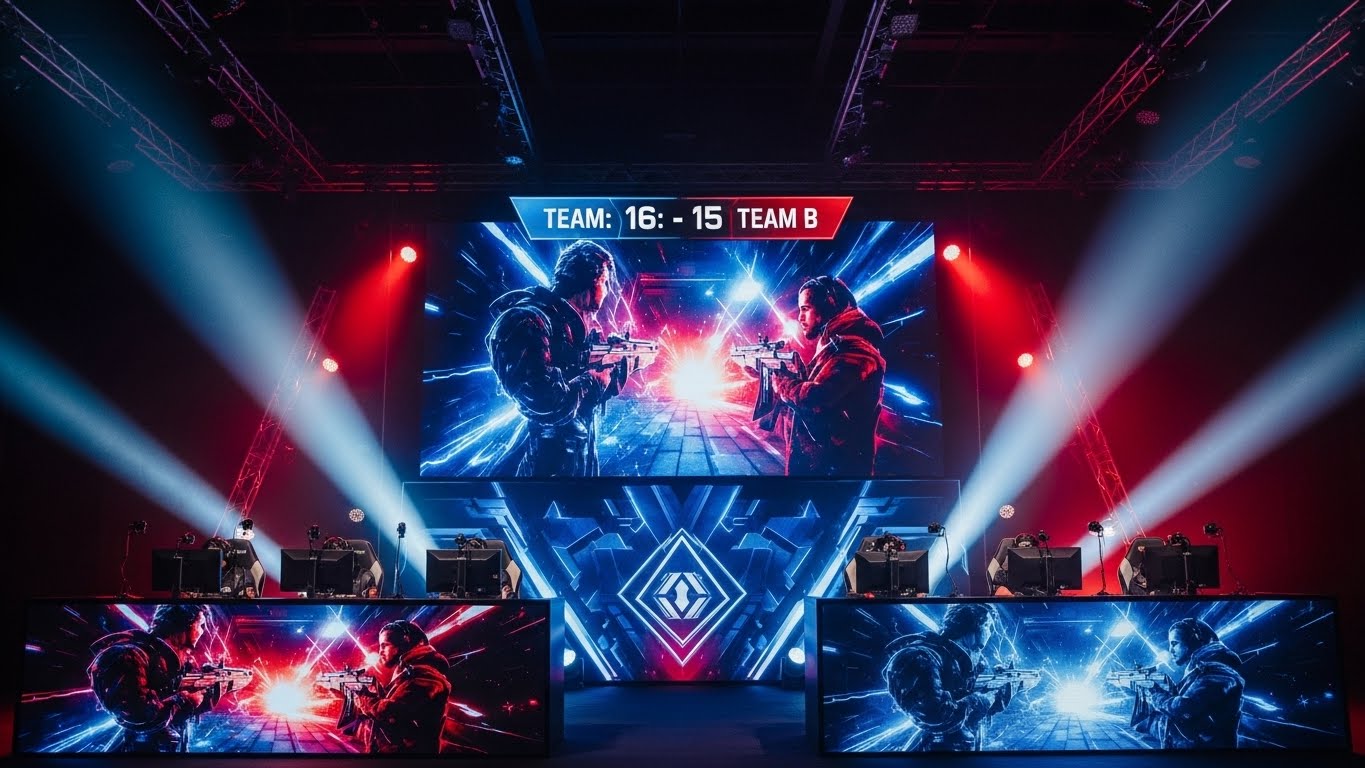
Today, Esports fills stadiums, commands global audiences online, and attracts sponsors from industries far beyond technology and gaming. It stands as one of the most dynamic, fast-growing, and culturally influential movements in modern entertainment. To understand its rise, we must trace its origins, growth, technology, players, and cultural impact that has brought gaming to the forefront of mainstream culture.
The Origins of Esports
The roots of Esports can be traced back to the 1970s when video games were still in their infancy. The first recognized competitive gaming event occurred at Stanford University in 1972. Students competed in a game called Spacewar!, with the prize being a year’s subscription to Rolling Stone magazine. Though modest by today’s standards, this event symbolized the start of something much larger — a new kind of competition that didn’t depend on physical prowess but on reflexes, strategy, and mental agility.
In the 1980s, arcade culture exploded across the United States and Japan. Titles like Pac-Man, Donkey Kong, and Space Invaders became arenas for competitive play. High scores were displayed on arcade machines, and players took pride in having their initials immortalized at the top of the leaderboard. In 1980, Atari held the Space Invaders Championship, which attracted more than 10,000 participants across the United States. This was one of the first large-scale gaming tournaments and marked the beginning of organized competition in gaming.
As technology advanced, so did the possibilities. The 1990s saw the emergence of console and PC gaming, which opened new pathways for multiplayer interaction. The release of games like Street Fighter II, StarCraft, and Counter-Strike allowed players to compete head-to-head in local and online settings. LAN parties became the breeding ground for early Esports communities, where players connected their computers in one space to battle for glory.
The 2000s: The Birth of Modern Esports
The early 2000s marked the transition from casual competitive gaming to professional Esports. The rapid spread of the internet allowed players from different continents to compete against each other. Online tournaments became more organized, and professional leagues started to take shape.
Games like StarCraft in South Korea, Counter-Strike in Europe, and Halo in North America formed regional Esports cultures. South Korea, in particular, became a global hub for Esports. With government support and dedicated television channels broadcasting matches, StarCraft players like BoxeR and NaDa became household names. South Korean fans filled arenas to watch matches live, foreshadowing what would later become a global phenomenon.
In the West, the rise of Major League Gaming (MLG) in 2002 was pivotal. MLG provided a professional structure for players and hosted major tournaments across North America. The inclusion of sponsorships from major tech companies legitimized the scene and laid the foundation for Esports as a career.
This period also witnessed the growth of competitive games like Defense of the Ancients (Dota), Warcraft III, and Call of Duty, which helped diversify the Esports ecosystem. The combination of online platforms, better technology, and a growing fan base created fertile ground for an explosion that would soon follow.
Streaming and the Democratization of Esports
The single most transformative force behind modern Esports is live streaming. Before streaming, watching Esports meant attending events in person or finding low-quality videos online. The introduction of platforms like Twitch, YouTube Gaming, and later Facebook Gaming allowed anyone with an internet connection to broadcast or watch matches in real time.
Twitch, in particular, revolutionized the accessibility of Esports. Players could now grow personal fan bases, engage directly with audiences, and showcase their gameplay to millions. The barrier between professional and casual players began to dissolve as viewers could interact with their favorite streamers, learn from them, and even compete with them.
Streaming also turned Esports into a form of social entertainment. It wasn’t just about who won or lost but also about personalities, humor, and community interaction. Many Esports professionals gained fame not only through skill but also through their online presence, charisma, and ability to connect with audiences.
The result was an entertainment ecosystem where gaming content rivaled traditional television shows and sports broadcasts. By the 2010s, tournaments for games like League of Legends, Dota 2, and Overwatch began reaching viewership numbers that surpassed some traditional sports events.
The Rise of the Esports Industry
As viewership and participation exploded, the Esports industry began to attract massive investment. Sponsors from both gaming and non-gaming sectors entered the scene. Companies like Intel, Red Bull, Coca-Cola, and Nike recognized Esports’ potential to reach younger, digitally native audiences. Esports organizations began to form, operating like traditional sports franchises with management teams, coaching staff, and player contracts.
By the late 2010s, Esports had become a legitimate global industry worth billions. Games such as League of Legends, Counter-Strike: Global Offensive, Fortnite, Valorant, and Dota 2 dominated the scene, each with their own professional leagues and world championships. The Dota 2 International, for instance, broke records with prize pools exceeding $40 million, crowdfunded by the gaming community itself.
This financial growth also led to increased professionalism. Players now train for hours each day, supported by coaches, analysts, and nutritionists. Organizations invest in mental health and physical conditioning, recognizing that Esports at the highest level requires both psychological resilience and peak performance. Training facilities equipped with high-end technology and data analytics have become standard for elite teams.
Esports as a Cultural Movement
Beyond competition and business, Esports has become a cultural force that reflects the digital age. It bridges gaps between geography, language, and background. Unlike traditional sports that often require expensive equipment or physical access to facilities, Esports thrives on accessibility. Anyone with a computer, console, or smartphone can participate, watch, and engage with the community.
This inclusivity has helped Esports flourish in regions like Southeast Asia, Latin America, and the Middle East, where younger populations and digital connectivity have made gaming a central part of youth culture. Esports tournaments have become national events in countries like China and Indonesia, where millions tune in to cheer for their teams.
Moreover, Esports has entered mainstream media. Universities now offer Esports scholarships, sports networks broadcast tournaments, and global brands collaborate with Esports influencers. Even the Olympic Committee has explored integrating Esports into the Olympic framework, signaling its growing legitimacy as a form of athletic competition.
The Players: Athletes of a Digital Generation
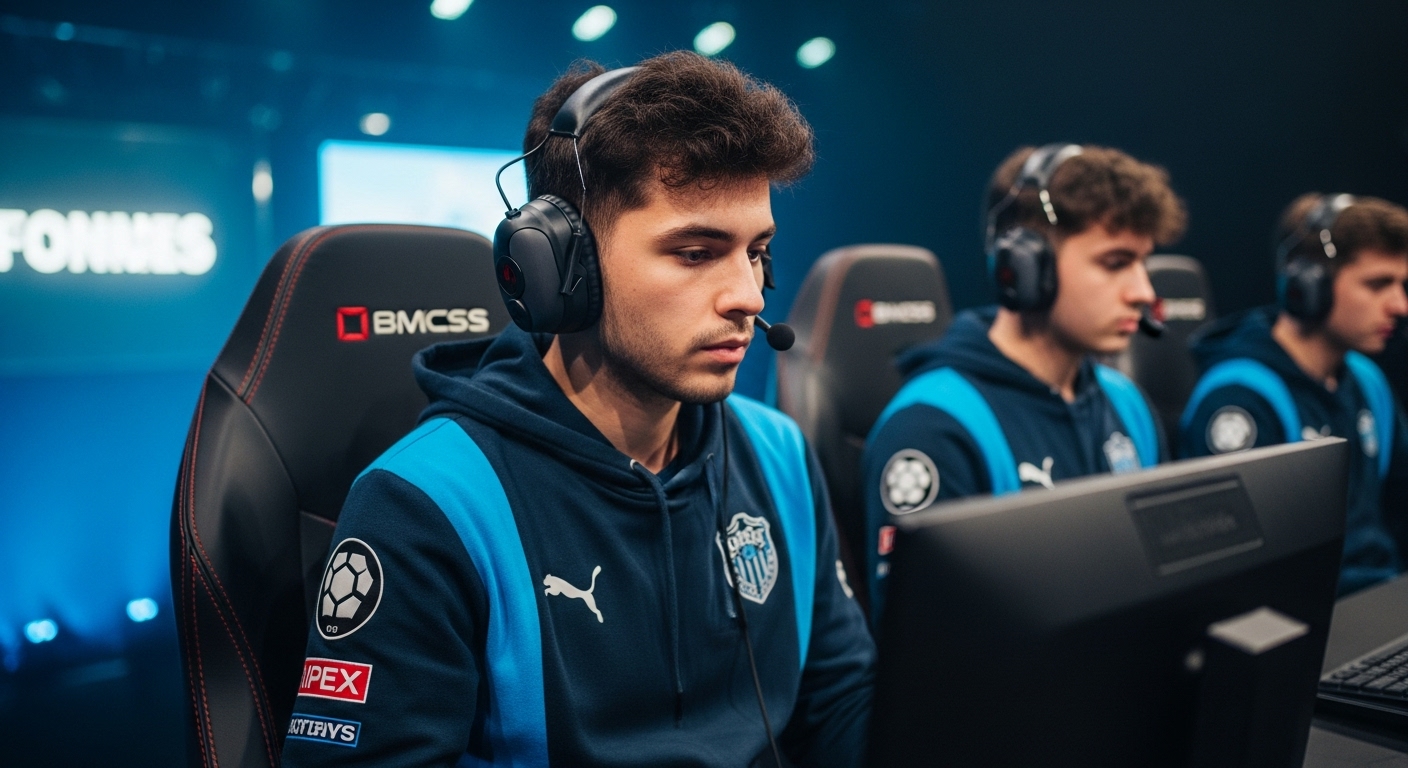
Esports athletes are often misunderstood by outsiders who view gaming as mere recreation. In reality, professional gamers exhibit discipline, strategy, and teamwork comparable to traditional athletes. Training schedules can exceed ten hours a day, with players reviewing replays, practicing mechanics, and studying opponents.
Reaction times, hand-eye coordination, and strategic decision-making are critical skills. In fast-paced games like Valorant or Apex Legends, professional players must make split-second decisions with precision. Cognitive endurance and emotional control are equally important, as tournaments can stretch over long hours and immense pressure.
The average Esports career, however, is relatively short. Reflex-based games often see players peak in their early twenties. Yet, as the industry matures, many former players transition into roles as coaches, analysts, or content creators, extending their careers and influence within the scene.
The Business of Esports
The Esports business ecosystem is multifaceted, encompassing tournaments, sponsorships, merchandise, content creation, and media rights. Revenue is generated through several channels — advertising, ticket sales, brand partnerships, and digital goods. Esports organizations operate much like traditional sports clubs, developing brand identities that attract loyal fan bases.
Sponsorship deals are a cornerstone of the industry. Brands align themselves with teams and tournaments to reach the valuable demographic of young, tech-savvy consumers. Meanwhile, media rights have become increasingly lucrative as streaming platforms compete for exclusive broadcasting agreements.
Franchise models have also emerged, with leagues such as the Overwatch League and Call of Duty League selling team slots for millions of dollars. These structures bring stability, long-term investment, and opportunities for local fan engagement.
The Esports economy has expanded beyond competition into entertainment, fashion, and education. Game publishers now treat Esports as an essential marketing tool that sustains engagement and extends the life of their titles. Colleges offer Esports management programs, preparing the next generation of professionals for careers in broadcasting, production, and event organization.
Technology and Innovation Driving Esports
The success of Esports is inseparable from technology. Advances in hardware, internet infrastructure, and software have shaped every stage of its evolution. High-refresh monitors, optimized gaming peripherals, and low-latency connections allow for peak performance and fair competition.
Virtual reality (VR) and augmented reality (AR) are poised to redefine the future of Esports. Developers are experimenting with immersive competitive experiences that blur the line between physical and digital sports. Artificial intelligence and data analytics are also playing growing roles in performance tracking, strategy optimization, and fan engagement.
Furthermore, the integration of blockchain and digital collectibles has introduced new economic models to the industry. In-game items, digital ownership, and fan tokens represent the next frontier in audience interaction and monetization.
Challenges and Controversies
Despite its meteoric rise, Esports faces challenges that threaten its sustainability. Player burnout is a significant issue, with intense schedules and high expectations leading to physical and mental exhaustion. Unlike traditional sports, Esports lacks a unified governing body, which makes regulation inconsistent across games and regions.
Another pressing issue is integrity. Match-fixing, cheating, and doping have emerged as problems in certain regions. Maintaining transparency and fairness is vital for credibility. Publishers and leagues have implemented anti-cheat technologies and strict codes of conduct, but enforcement remains an ongoing effort.
Toxicity and harassment within online communities also present obstacles. While Esports promotes inclusivity, it must continue to address gender inequality and create safer environments for female and marginalized players.
The Global Stage: Esports Around the World
Esports is a global phenomenon with regional identities. In Asia, South Korea remains a powerhouse, while China’s massive gaming population drives viewership and innovation. Japan, once hesitant due to legal restrictions, has recently embraced Esports, hosting large-scale tournaments and supporting professional leagues.
In North America and Europe, Esports has integrated deeply into popular culture. Cities like Los Angeles, Berlin, and Stockholm have become Esports capitals, hosting international events that draw crowds from around the world. Latin America and the Middle East are emerging markets, where mobile Esports such as PUBG Mobile and Mobile Legends dominate due to widespread smartphone accessibility.
The global pandemic of 2020 accelerated digital entertainment consumption. While traditional sports were halted, Esports thrived, with online tournaments keeping fans engaged. This period demonstrated the resilience of Esports and its adaptability to global crises.
The Future of Esports
As Esports enters its third decade of mainstream recognition, its future appears both promising and complex. Continued growth depends on infrastructure, education, and sustainability. Governments and educational institutions are beginning to recognize the value of Esports as a career path and a driver of digital literacy.
Emerging technologies such as AI, cloud gaming, and 5G will make gaming more accessible and immersive. Esports may also merge with traditional sports through hybrid experiences, bringing audiences from both worlds together.
In the next ten years, we may see Esports become a standard part of global sports culture — with professional leagues, player unions, and international competitions rivaling those of soccer or basketball. More importantly, Esports will continue to shape how people connect, communicate, and find community in the digital world.
Conclusion: Beyond the Screen
Esports is more than just playing video games competitively. It represents a transformation in how humanity experiences competition, entertainment, and connection. It reflects the values of the digital generation — creativity, adaptability, and global connectivity.
From small university tournaments to sold-out arenas and millions watching online, the journey of Esports mirrors the evolution of technology and culture itself. It stands as proof that passion, when combined with innovation, can redefine entire industries.
In the end, Esports is not the future — it is the present. It is the living proof that the virtual and the real have converged, creating a new frontier where skill, teamwork, and imagination know no boundaries.