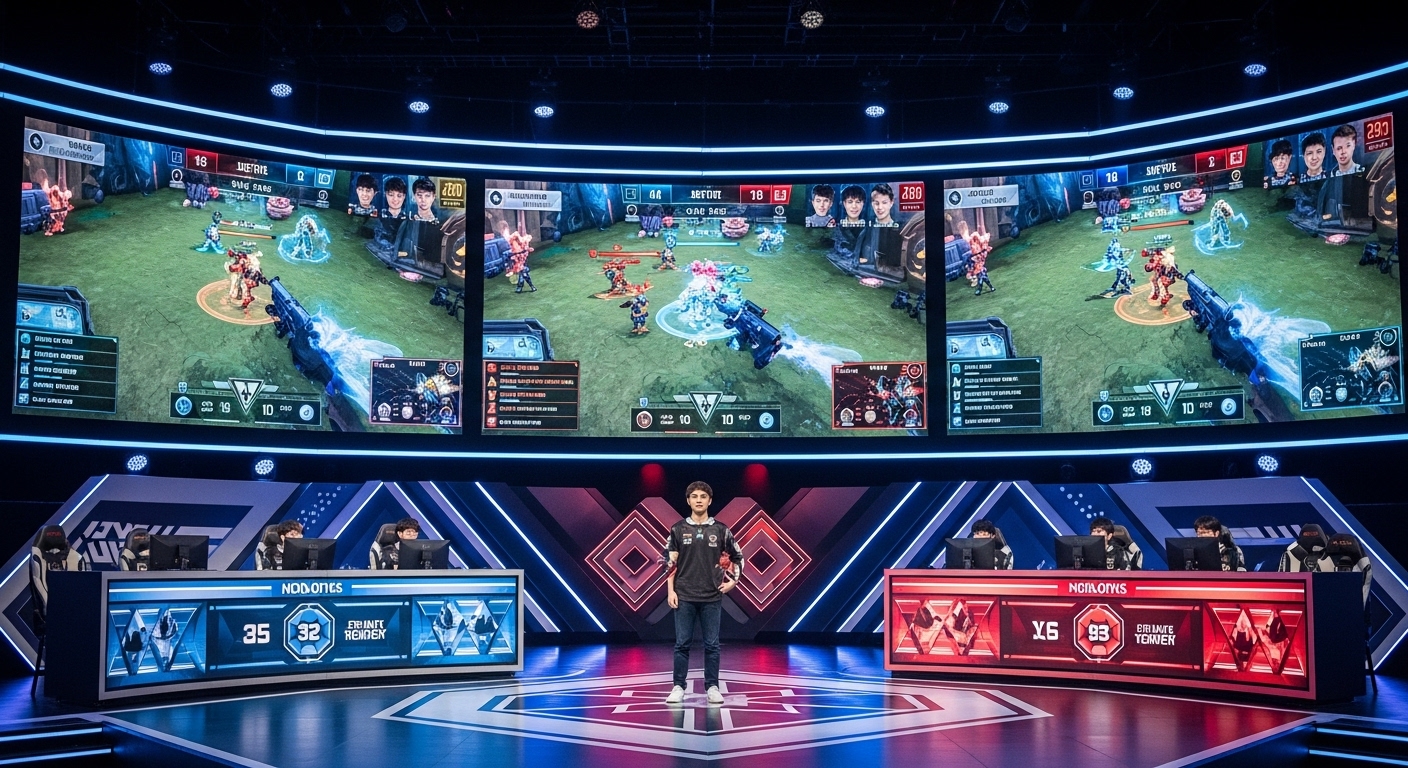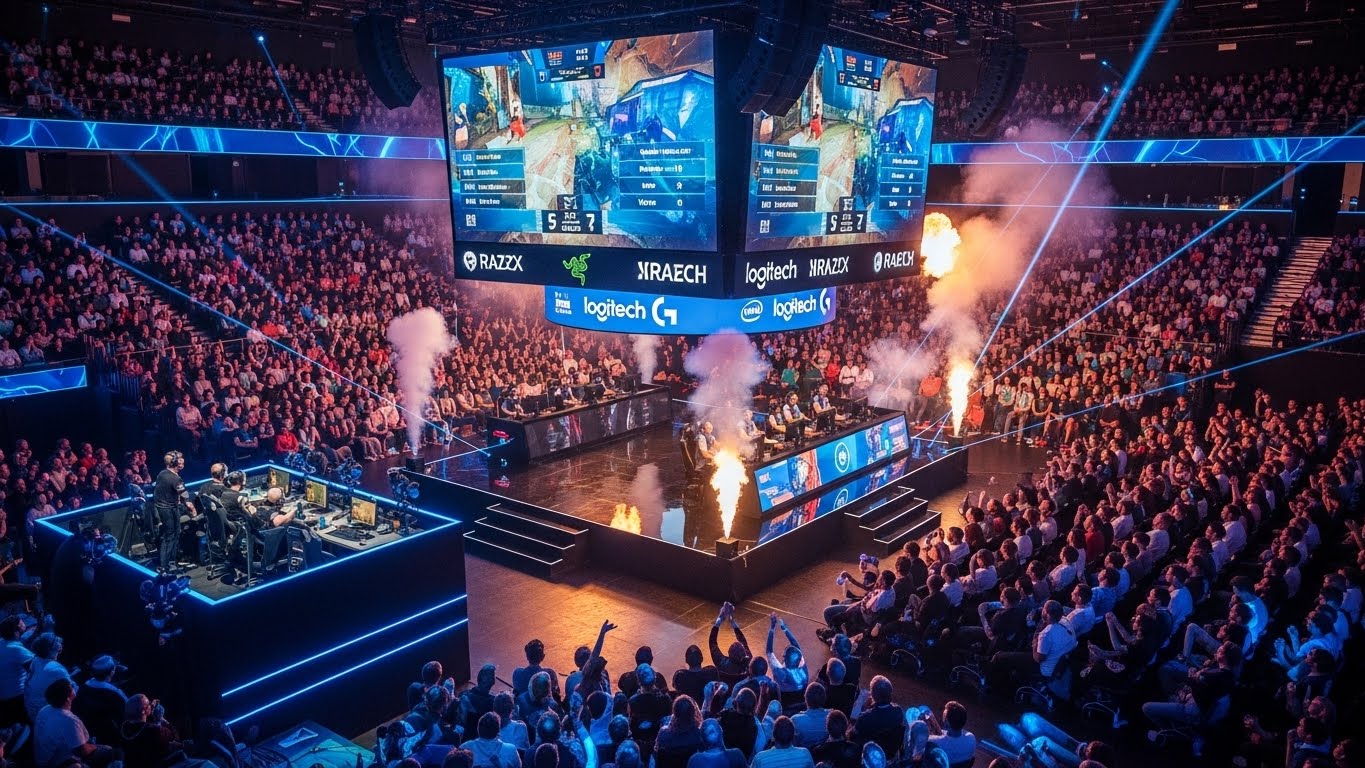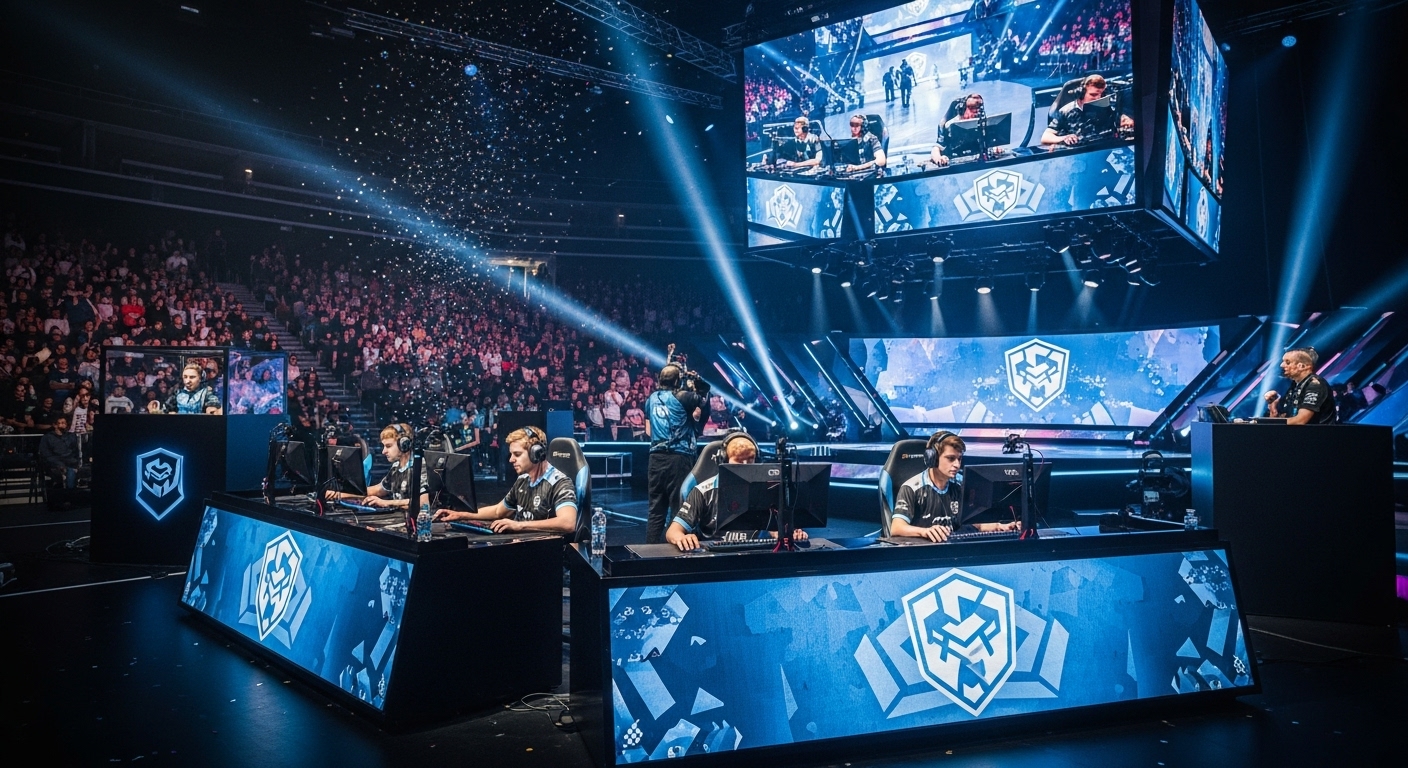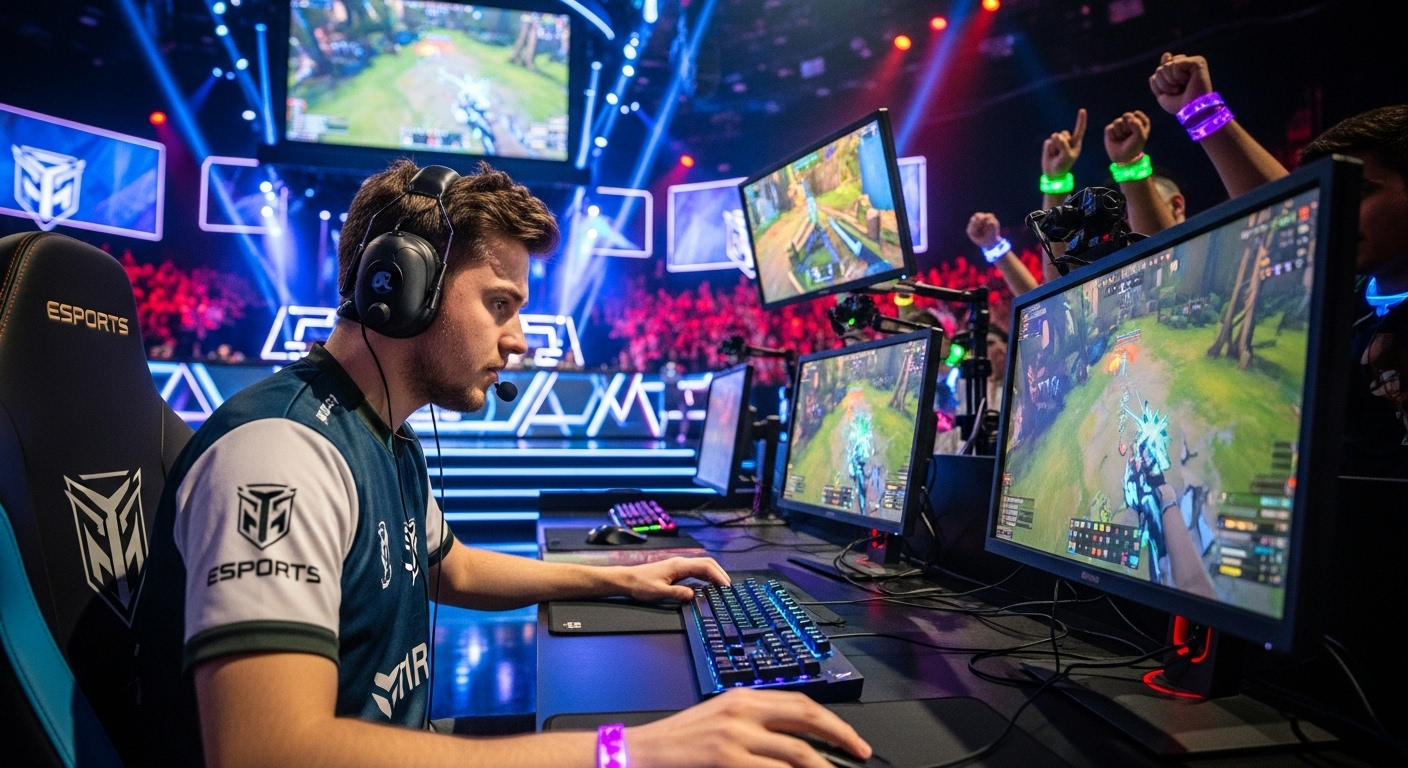
In the last two decades, esports has transformed from a niche hobby for a select group of gamers to a global phenomenon. With billions of dollars in revenues, sponsorship deals, and an ever-expanding global fanbase, esports has captured the attention of both the entertainment industry and traditional sports. This blog aims to explore the evolution of esports, its cultural impact, the growth of competitive gaming, and what the future holds for this digital sports revolution.
The Origins of Esports: A Humble Beginning
Esports, short for electronic sports, refers to organized multiplayer video game competitions, particularly between professional players, individually or as teams. The roots of esports can be traced back to the early days of video gaming, where casual competitions were held among friends and local communities. In fact, one of the first recorded instances of competitive gaming dates back to 1972, when Stanford University hosted a tournament for the game Spacewar, offering a prize of a year’s subscription to Rolling Stone magazine.
However, the first true glimpse of esports as we know it today emerged in the late 1990s and early 2000s. With the rise of online multiplayer games such as StarCraft, Quake, and Warcraft, competitive gaming began to formalize. These early tournaments were often local affairs, hosted by gaming communities or sponsored by developers, but they laid the foundation for what would become a multibillion-dollar global industry.
The Growth of Esports: A Global Movement
The late 2000s and early 2010s marked a major turning point in the history of esports. The rise of digital streaming platforms such as Twitch, YouTube Gaming, and Facebook Gaming provided gamers with a platform to broadcast their gameplay and engage with global audiences. This democratization of gaming content helped foster a rapidly growing fanbase for esports competitions. Fans could now watch their favorite players and teams compete in real-time, building a sense of community and excitement around the sport.
During this period, several major games became the cornerstone of the esports scene. Titles such as League of Legends, Dota 2, Counter-Strike, Overwatch, and Fortnite took center stage. These games offered a competitive framework with complex mechanics and deep strategic elements, perfect for attracting dedicated players and spectators alike.
The competitive infrastructure for esports began to take shape as well. Major tournament organizers like ESL (Electronic Sports League), DreamHack, and MLG (Major League Gaming) started to host large-scale events that attracted both players and audiences from around the world. Prize pools for these tournaments grew significantly, reaching millions of dollars, while teams began to form around specific games, signing players to contracts and creating a more professionalized environment for competitive gaming.
Esports and the Shift in Traditional Sports
What sets esports apart from traditional sports is its digital nature. There are no physical requirements for players; instead, skill and strategy are the determining factors for success. Esports, therefore, provides a level of accessibility that traditional sports cannot match. Players can participate from anywhere in the world, provided they have access to a computer and an internet connection.
As esports grew, so did the attention from investors, media, and even traditional sports teams. In fact, many major sports organizations began investing in esports teams or launching their own esports divisions. Traditional sports franchises such as the NBA, NFL, and European football clubs all entered the esports space, creating teams and sponsoring tournaments. These partnerships further legitimized esports as a viable form of competition, bridging the gap between the digital and physical worlds.
Additionally, esports also offered traditional sports fans a new type of entertainment. The speed and intensity of games like League of Legends or Counter-Strike: Global Offensive (CS:GO) offered a different yet equally captivating spectacle when compared to traditional sports. The rise of esports even coincided with the growing popularity of streaming platforms like Twitch, which further solidified esports as a spectator sport in its own right.
Esports’ Cultural Impact: A New Form of Entertainment
Esports has significantly influenced popular culture, especially among younger generations. Video games, once seen as a pastime for introverted teens, are now mainstream entertainment enjoyed by people from all walks of life. This cultural shift has been aided by the increasing recognition of esports as a legitimate form of entertainment, complete with professional players, coaches, analysts, and broadcasters, much like any other traditional sport.
One of the defining features of esports is its global nature. Competitive gaming has created a truly international platform where players from different countries and cultures can compete on the same stage. In esports, language and geographic barriers are often less of an issue due to the universal nature of the games themselves. As a result, major tournaments have become melting pots of cultures, with players from Korea, China, Europe, and North America all vying for supremacy.
This global reach has also resulted in the creation of a vast, interconnected community of fans. Esports fans often go beyond simply watching games; they participate in discussions on social media, attend live events, create fan art, and engage in cosplay. The sense of belonging within the esports community is palpable, creating a unique fan experience that is interactive and immersive.
Moreover, esports has also helped bring attention to the mental and physical health of gamers. Professional gamers must train extensively, improving not only their in-game skills but also their physical endurance, focus, and mental acuity. This focus on mental health and well-being has led to the creation of esports psychology, nutrition, and fitness programs to help players maintain peak performance.
The Role of Sponsorship and Streaming Platforms
A significant driver of esports’ growth has been the involvement of big-name sponsors. Major brands across various industries, including tech, energy drinks, automotive, and apparel, have recognized the value of associating their products with esports. Companies like Coca-Cola, Intel, Red Bull, and Nike have invested heavily in the esports industry, sponsoring teams, tournaments, and individual players. These sponsorships have not only brought financial stability to the scene but also helped esports gain wider recognition.
Alongside sponsorships, streaming platforms have played an equally important role in esports’ rise. Twitch, the dominant live-streaming platform for gamers, has become synonymous with esports broadcasts. It provides a platform for gamers to stream their gameplay, connect with their audience, and build communities around specific games. In addition to live streams, Twitch has also facilitated the growth of esports broadcasting by offering high-quality broadcasts of major tournaments. Today, millions of fans tune in to watch esports competitions live on Twitch, YouTube, and Facebook Gaming, further boosting the visibility of esports.
Esports Education and Career Opportunities
As esports has grown, so too has the demand for professionals across various sectors of the industry. Beyond professional players, there is a growing need for coaches, analysts, broadcasters, tournament organizers, marketers, and content creators. Universities and colleges around the world have responded to this demand by offering specialized esports programs, some of which include full scholarships for talented players.
In addition, there are now career paths for gamers outside of the traditional competitive gaming scene. Content creators, streamers, and esports influencers can make substantial incomes by building large followings on platforms like YouTube, Twitch, and social media. As a result, esports has become a viable career option for individuals interested in gaming, whether it be as a player or as part of the growing ecosystem of support staff, broadcasters, and content creators.
The Future of Esports: What’s Next?
Looking forward, the future of esports seems brighter than ever. As esports continues to gain mainstream acceptance, we can expect even more advancements in technology, gameplay, and viewer engagement. Here are some key trends to look out for in the coming years:
- Virtual Reality (VR) and Augmented Reality (AR) Integration: As technology advances, VR and AR could revolutionize the esports experience. These immersive technologies could bring new layers of interaction for both players and viewers, offering a more lifelike and engaging experience.
- Mobile Esports: With the increasing power of mobile devices, mobile gaming has seen a massive surge in popularity, particularly in regions like Southeast Asia and India. Mobile esports tournaments are likely to become more prominent, further broadening the appeal of competitive gaming.
- Esports in Mainstream Media: Traditional sports networks such as ESPN have already begun broadcasting esports tournaments. As the audience for esports continues to grow, more media outlets may look to secure broadcasting rights, bringing competitive gaming to an even larger audience.
- Increased Investment and Mergers: As the esports market grows, we can expect to see increased investment from both traditional sports organizations and new investors. Additionally, mergers between esports organizations, gaming companies, and media platforms will continue to streamline and professionalize the industry.
- Sustainability in Esports: As esports grows, so too does the need for sustainable practices. From reducing carbon footprints during live events to promoting healthy gaming habits, the esports industry will need to balance its expansion with environmental and social responsibility.
Conclusion: Esports’ Unstoppable Rise
Esports has come a long way since its humble beginnings. What started as a subculture for video game enthusiasts has blossomed into a multibillion-dollar global industry with millions of fans, players, and investors. It has transformed the entertainment landscape and provided countless individuals with new career opportunities. As technology continues to evolve and esports continues to expand, one thing is clear: the rise of esports is far from over.
Whether you’re a casual gamer, a professional player, or simply a fan, esports offers something for everyone. The future is bright for esports, and as it continues to grow, it will undoubtedly become an even more integral part of the global entertainment ecosystem. So, the next time you tune in to watch your favorite team or player compete, remember: you’re part of a cultural movement that has only just begun.