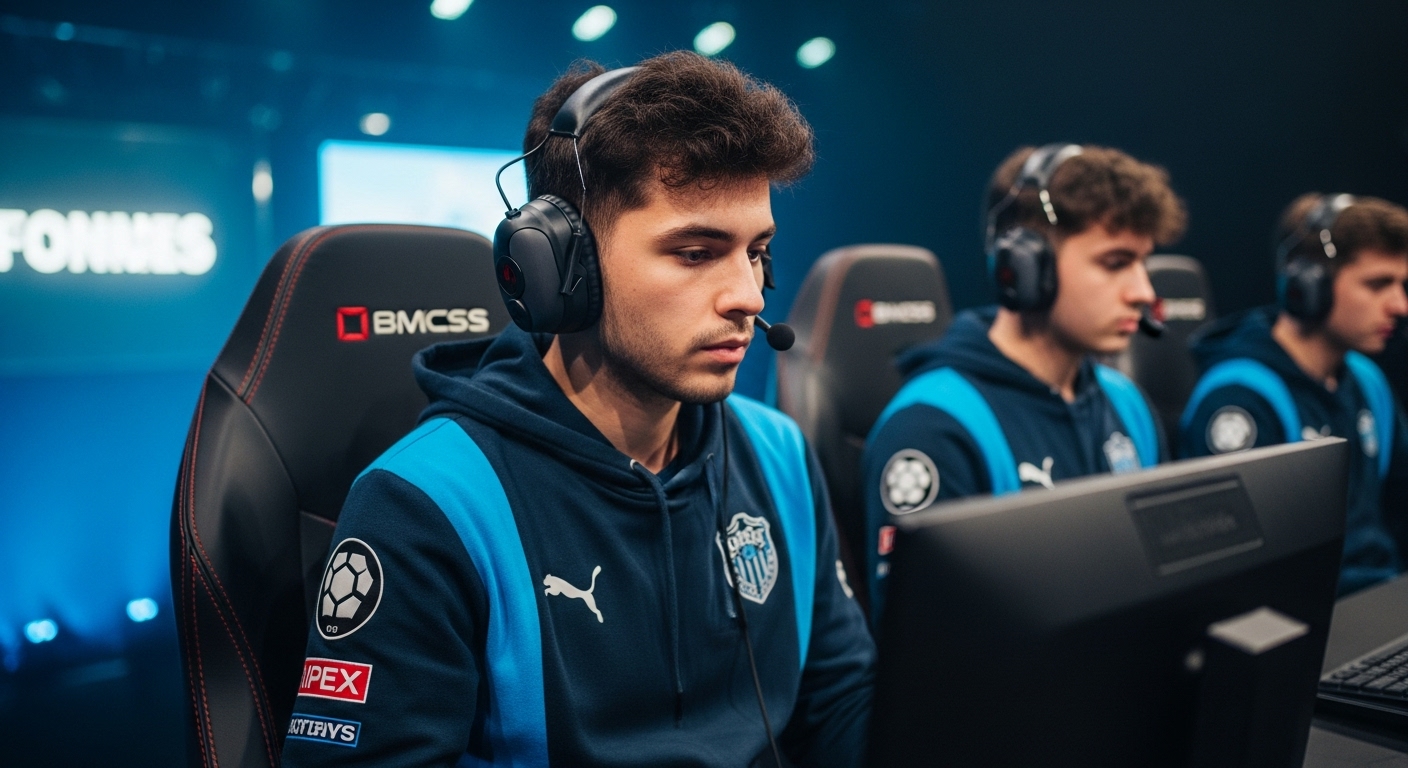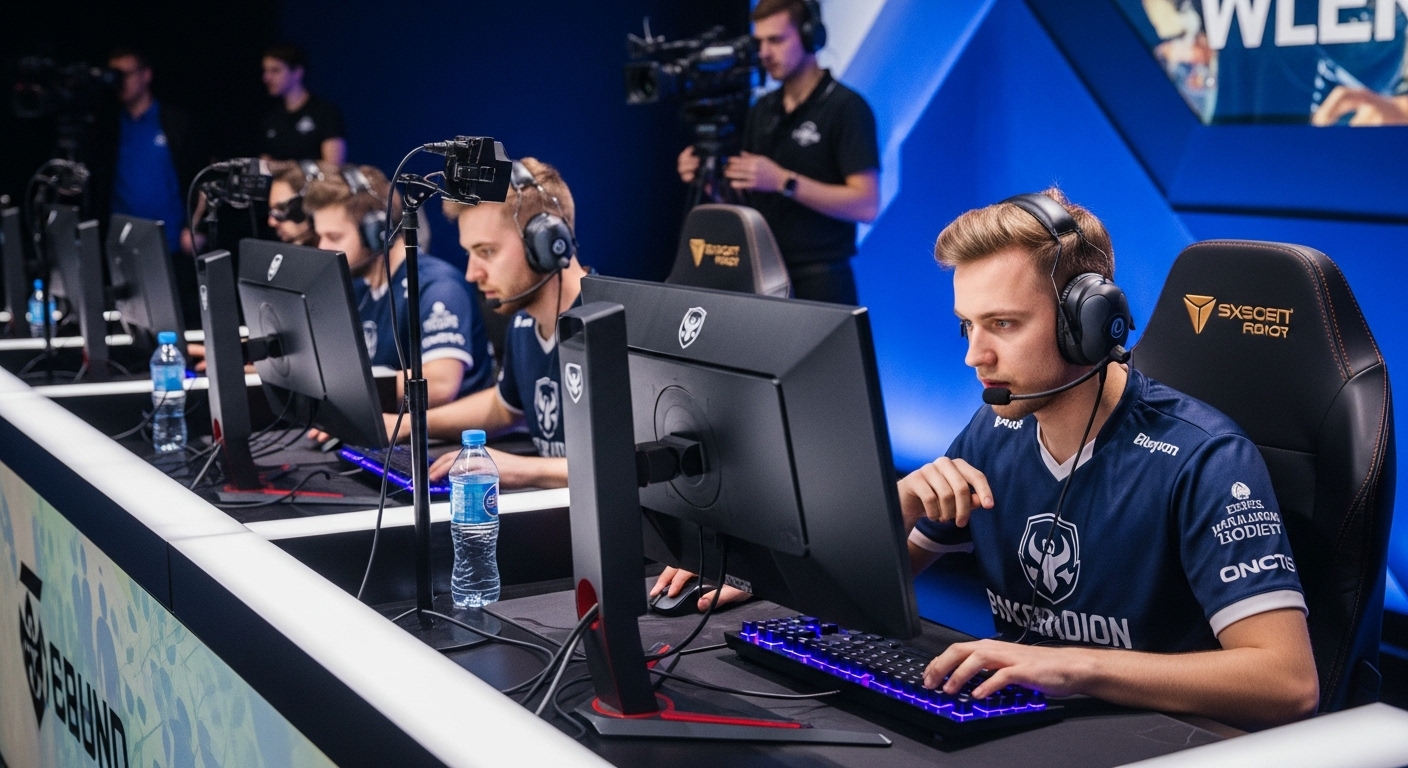
In recent years, a new form of competition has taken the world by storm, captivating millions of fans and redefining the meaning of sports. This phenomenon is known as esports, or electronic sports, a professionalized arena of competitive video gaming. Once dismissed as a casual hobby, esports has now become a legitimate industry with global tournaments, multi-million-dollar sponsorships, and professional teams. Its rise has reshaped entertainment, technology, and even career paths, making it one of the most exciting developments in modern culture.
Understanding Esports
Esports refers to organized competitive video gaming, where players or teams compete in structured tournaments or leagues. Unlike casual gaming, esports requires extensive practice, strategy, teamwork, and sometimes even physical endurance similar to traditional sports. Popular titles in esports include games like League of Legends, Dota 2, Counter-Strike: Global Offensive, Fortnite, Call of Duty, and Valorant. Each game has its unique mechanics, rules, and professional circuits, attracting specialized players and audiences.
At its core, esports is more than just playing games. It encompasses coaching, analytics, team management, broadcasting, and fan engagement. Professional players dedicate hours daily to training, often treating the activity like a full-time job. Just as in traditional sports, success in esports demands not only skill but also discipline, mental toughness, and the ability to perform under pressure.
The Evolution of Esports
The roots of esports date back to the late 1970s and early 1980s when simple arcade and console competitions began to emerge. One of the first widely recognized events was the 1980 Space Invaders Championship, which drew thousands of participants across the United States. As gaming technology evolved, competitions became more sophisticated, with better graphics, complex gameplay, and online connectivity enabling players from around the world to compete.
The 1990s saw the rise of competitive PC gaming, particularly in strategy and first-person shooter genres. Games like StarCraft in South Korea became cultural phenomena, creating a professional gaming scene with televised matches and celebrity players. By the 2000s, the advent of streaming platforms such as Twitch revolutionized esports by allowing global audiences to watch live matches, interact with players, and follow their favorite teams.
Today, esports has evolved into a billion-dollar industry, with professional leagues, franchised teams, international tournaments, and lucrative sponsorship deals. The industry’s growth is fueled by the increasing accessibility of high-speed internet, mobile gaming, and a surge in online communities dedicated to competitive gaming.
Popular Esports Titles
Different games attract different audiences, and the popularity of each title varies across regions. Multiplayer online battle arena (MOBA) games like League of Legends and Dota 2 are particularly popular in Asia and North America. These games require intricate strategies, precise timing, and seamless coordination among team members. Competitive shooters like Counter-Strike: Global Offensive and Valorant focus on reflexes, accuracy, and tactical teamwork. Battle royale games such as Fortnite combine survival, strategy, and fast-paced action, attracting younger audiences.
Fighting games like Street Fighter and Tekken have maintained a dedicated community, emphasizing individual skill and intense one-on-one competition. Each game offers a distinct competitive environment, and professional players often specialize in a single title to achieve mastery. This specialization mirrors traditional sports athletes who focus on a single discipline to reach peak performance.
The Structure of Esports Competitions
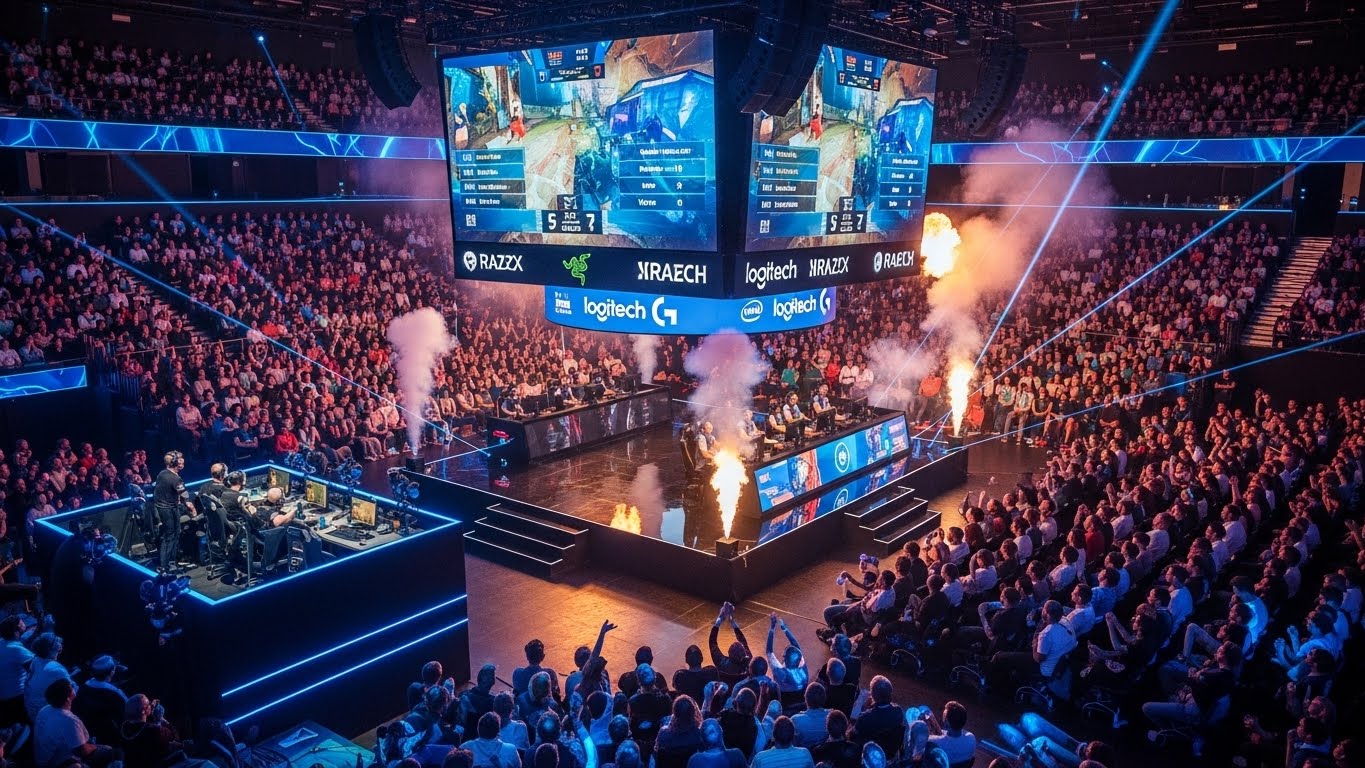
Esports tournaments vary widely in scale, format, and prize pools. Local competitions provide a platform for emerging players to showcase their talents, while major international tournaments, such as the League of Legends World Championship or The International for Dota 2, attract millions of viewers worldwide. The tournament structure can range from single-elimination brackets to complex league systems, often involving group stages, playoffs, and finals.
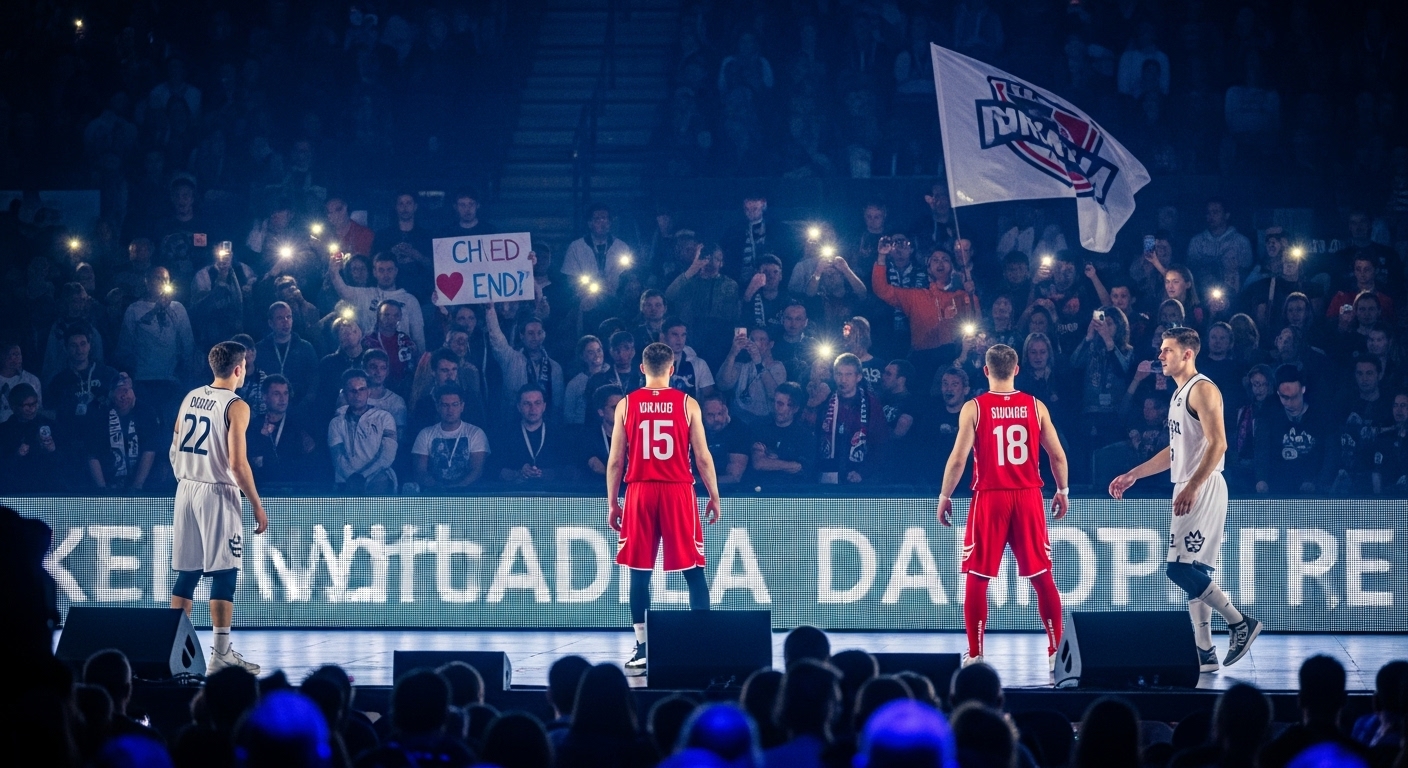
Professional esports leagues, like the Overwatch League and the Call of Duty League, operate similarly to traditional sports leagues, with city-based teams, seasonal schedules, and rankings. These leagues foster fan loyalty and create opportunities for sponsorships, merchandising, and media rights deals. Beyond the competition itself, tournaments are spectacles featuring live commentary, audience interaction, cosplay, and elaborate stage productions, making them entertainment events as much as sports events.
The Business of Esports
The business side of esports is as dynamic as the competitions themselves. Revenue streams include sponsorship deals, advertising, merchandising, ticket sales, and media rights. Major brands, including technology companies, beverage companies, and fashion brands, have invested heavily in esports to tap into the young, engaged audience that games attract. Players and teams also earn income through streaming, endorsements, and personal branding.
Esports organizations function like professional sports teams, employing not just players, but coaches, analysts, marketing professionals, and content creators. The rise of esports academies and training facilities demonstrates how seriously the industry is approaching talent development. Investors and sponsors recognize the long-term potential, and as the industry grows, opportunities for entrepreneurs and innovators continue to expand.
The Cultural Impact of Esports
Esports has influenced modern culture in numerous ways. It has created global communities where people connect over shared interests, transcending geographic and cultural boundaries. Fans engage with players through social media, live streams, and fan art, fostering a sense of belonging and identity. Esports also challenges traditional notions of sports, proving that physical activity is not the sole criterion for competitive excellence.
Moreover, esports has contributed to discussions about mental health, performance pressure, and work-life balance. Professional gamers face intense schedules, public scrutiny, and the need for continuous skill improvement. Awareness of these challenges has led to initiatives promoting mental well-being, physical fitness, and healthy gaming habits, emphasizing that esports is a demanding profession with its own set of risks and rewards.
Education and Career Opportunities
Esports is no longer just a hobby—it is becoming a viable career path. Universities and colleges have begun offering scholarships, degree programs, and clubs focused on competitive gaming. Students can pursue careers in game design, event management, marketing, coaching, broadcasting, and data analytics within the esports ecosystem. These opportunities demonstrate that esports can provide both financial stability and personal fulfillment for those willing to commit to it professionally.
Furthermore, esports teaches valuable life skills such as teamwork, strategic thinking, communication, and time management. Even those who do not pursue professional careers benefit from the skills and experiences gained through competitive gaming. Esports has opened doors to entrepreneurship, content creation, and technological innovation, making it an integral part of the broader digital economy.
The Future of Esports
The future of esports appears brighter than ever. Technological advancements, including virtual reality, cloud gaming, and artificial intelligence, are poised to redefine how competitions are played and watched. VR esports tournaments are already emerging, offering immersive experiences for both players and spectators. Cloud gaming allows broader access to high-quality games without the need for expensive hardware, expanding the player base globally.
Additionally, the continued growth of streaming platforms, social media integration, and interactive content will enhance fan engagement, creating new opportunities for monetization and audience development. As esports continues to gain recognition as a legitimate form of competition, it may eventually achieve parity with traditional sports in terms of mainstream media coverage, sponsorship, and societal influence.
Challenges Facing Esports
Despite its rapid growth, esports faces several challenges. The industry struggles with issues such as player burnout, lack of standardized regulations, and concerns about cheating and online toxicity. Unlike traditional sports, esports does not yet have universally recognized governing bodies, which can lead to inconsistencies in rules and tournament management. Additionally, the intense competition and public scrutiny can take a toll on players’ mental and physical health.
Another challenge is sustainability. While top-tier players earn substantial incomes, many aspiring professionals face financial instability. Smaller tournaments and local competitions may lack resources or exposure, limiting opportunities for emerging talent. Addressing these challenges requires collaboration between players, teams, sponsors, and regulatory bodies to create a safer, more equitable, and sustainable ecosystem.
Conclusion
Esports has evolved from humble beginnings into a global cultural and economic phenomenon, transforming how people perceive competition, entertainment, and digital interaction. With professional players, major tournaments, international fan bases, and growing business opportunities, esports has cemented its place in modern society. Its continued evolution will depend on technological innovation, community engagement, and responsible management of both players and competitions.
As digital gladiators continue to compete on virtual battlegrounds, esports reminds us that the human spirit of competition can thrive in new and unexpected forms. Whether you are a casual fan, a prospective player, or an entrepreneur exploring opportunities in this space, esports offers a dynamic, exciting, and inclusive arena that is shaping the future of entertainment and sports alike.