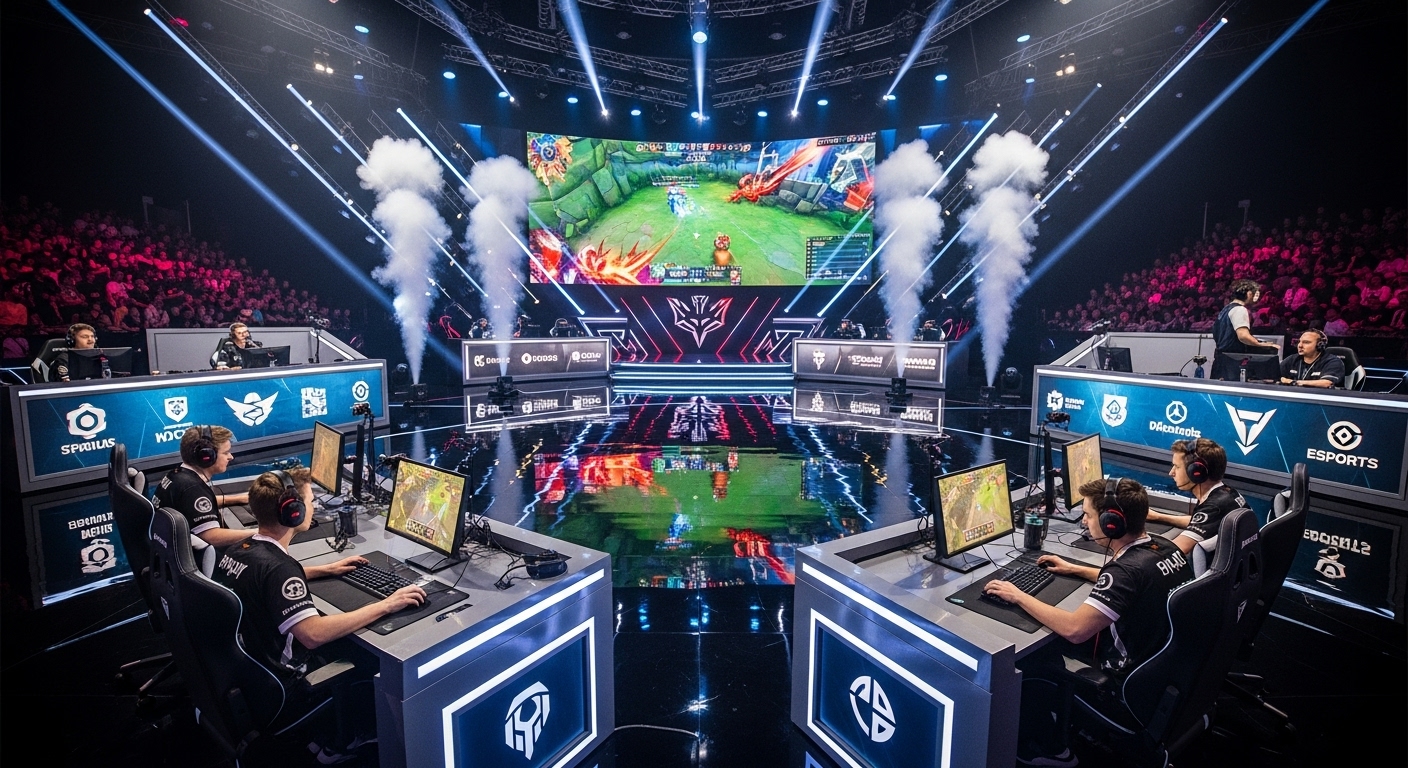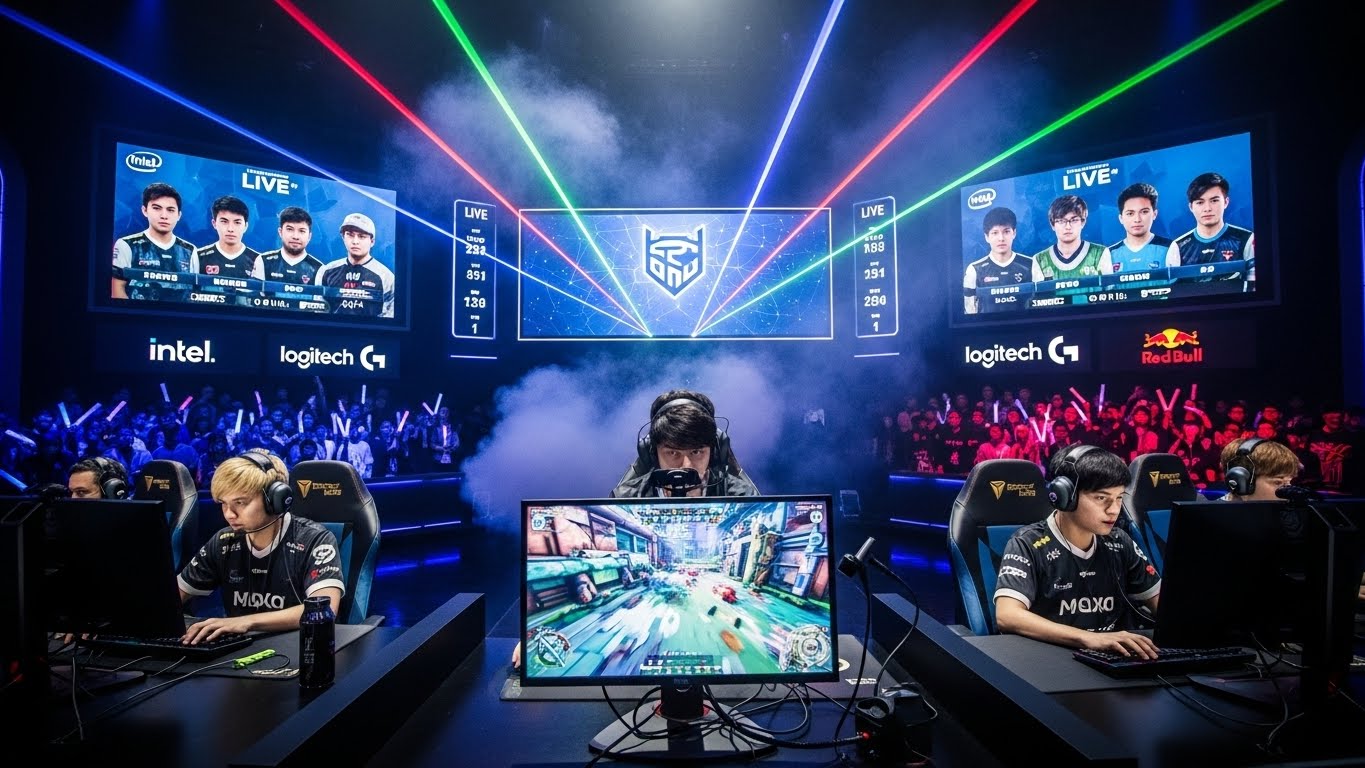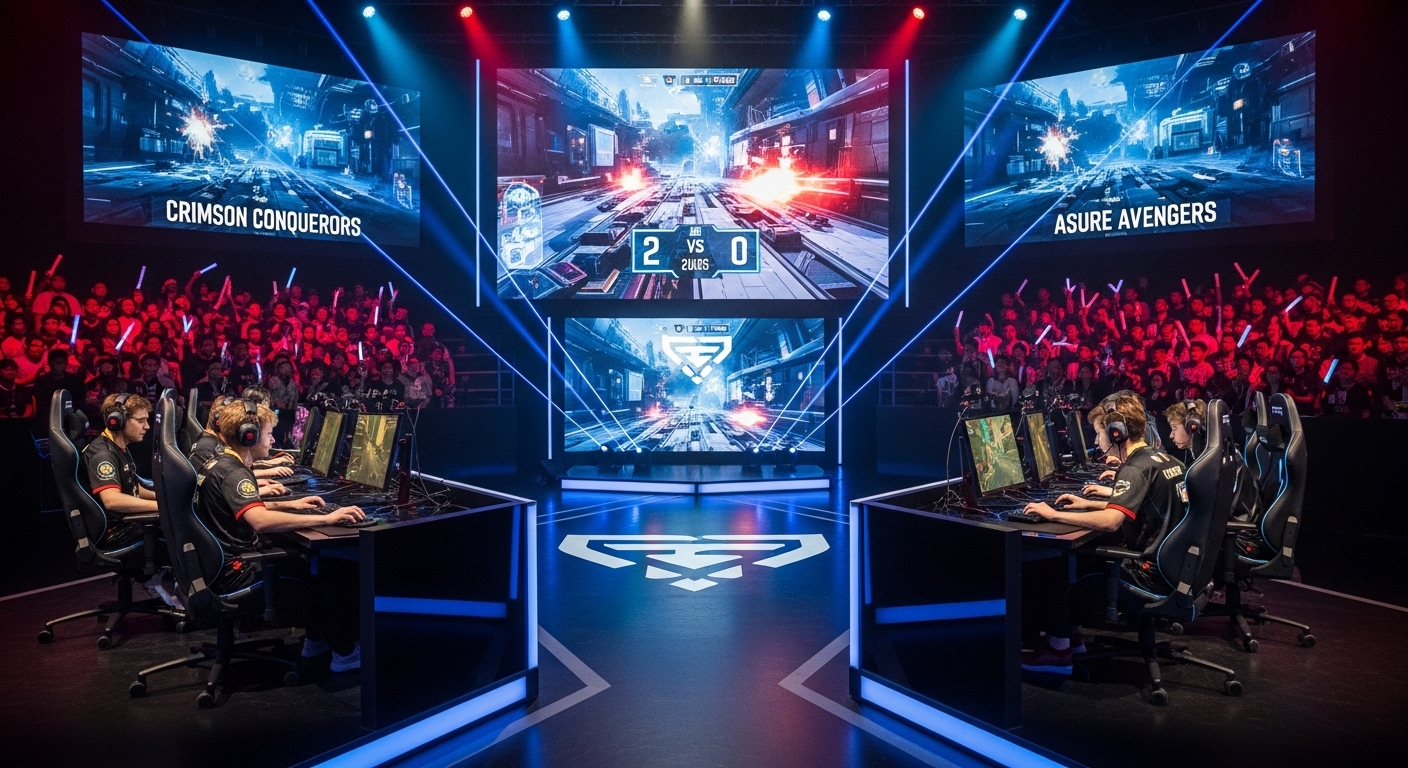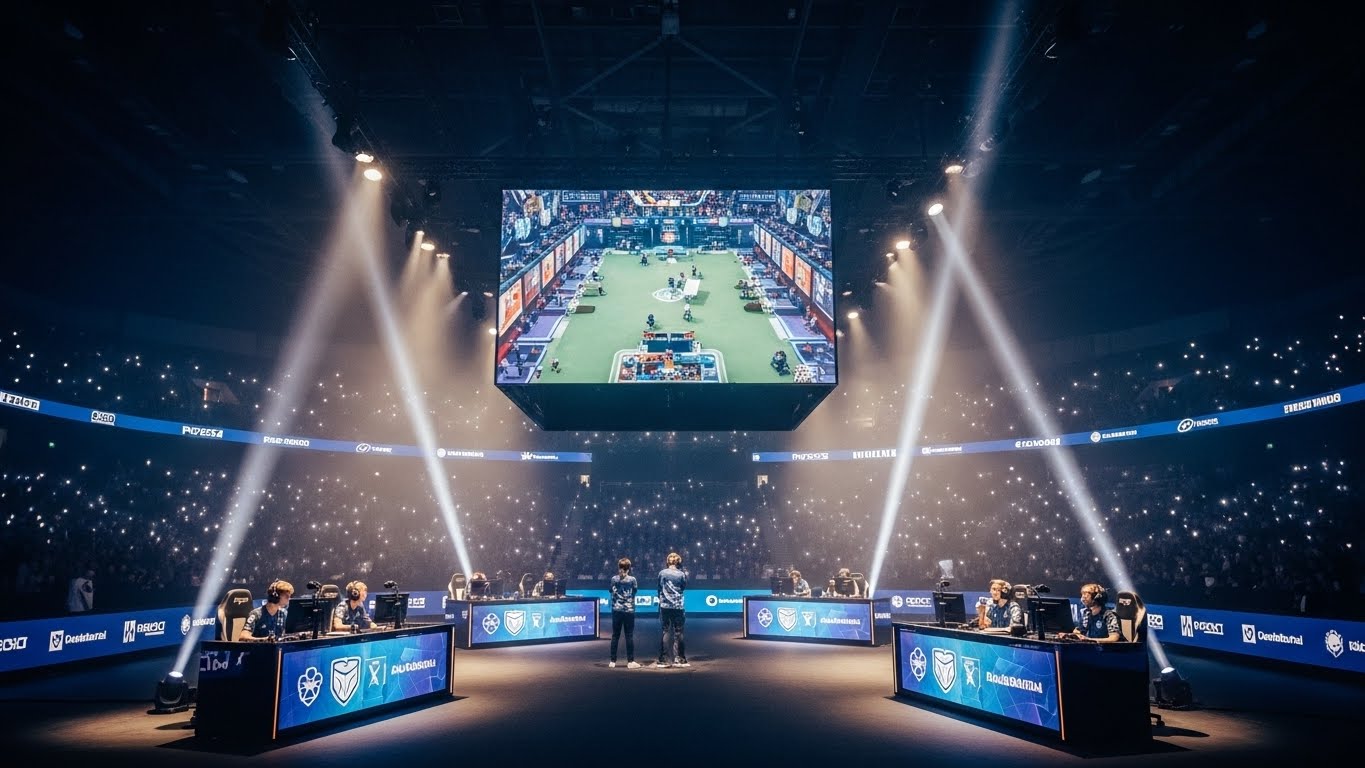
Introduction: The Rise of Esports
In the last two decades, esports has transitioned from a niche hobby into a global entertainment phenomenon. What once started as casual gaming among friends has now evolved into a multi-billion-dollar industry, featuring professional athletes, live-streamed tournaments, sponsorships, and global fan bases. From the first professional gaming leagues to the massive esports tournaments broadcast across the world, esports has established itself as a cultural force. Today, it’s not just about playing video games—it’s about creating immersive experiences for millions, where players are celebrated as stars, and fans watch eagerly as the next big champion is crowned.
But what exactly has caused this rapid rise in esports? How has it transformed from basement LAN parties to a legitimate sports industry? To understand the full scope of esports’ evolution, we must examine its roots, growth, and what the future holds for this booming sector.
The Birth of Competitive Gaming
The seeds of competitive gaming can be traced back to the early days of the internet. In the late 1990s and early 2000s, games like Quake and StarCraft became early pioneers of the esports industry. These games, designed with multiplayer features in mind, allowed players from different locations to compete against each other via online servers. This laid the groundwork for what would become a global community of competitive gamers.
While these early tournaments were small-scale, they offered the first glimpse of a new culture. The first major esports tournament, Red Annihilation (1997), featured players battling in Quake. Its significance wasn’t just in the competition itself, but in the fact that it attracted media attention. The StarCraft series, which followed, helped solidify esports as a legitimate competitive pursuit, particularly in South Korea, where the sport gained a massive following.
The Global Explosion of Esports
The real turning point for esports came in the 2010s. Games like League of Legends, Dota 2, and Counter-Strike: Global Offensive (CS:GO) became household names and fueled the meteoric rise of esports. In particular, League of Legends (LoL), developed by Riot Games, transformed the way esports were consumed. Riot introduced a professional league system with its League of Legends Championship Series (LCS), providing a steady stream of content and exposure for both players and viewers. This new structure made esports more accessible and professionalized the scene.
Meanwhile, the emergence of platforms like Twitch revolutionized the way people watched esports. Streaming allowed fans to watch live tournaments, interact with players, and even follow their favorite teams on a daily basis. This social element took esports from a niche activity to a global spectacle. Now, a gamer in the United States could watch a Dota 2 tournament taking place in China, while a fan in South Korea could follow a League of Legends match in real time.
As streaming platforms grew in popularity, so did sponsorships and advertising dollars. Companies from a wide range of industries, from tech giants like Intel and AMD to consumer brands like Coca-Cola and Red Bull, began pouring money into esports sponsorships. With this influx of investment, esports transitioned from a hobby to a professional industry, complete with agents, managers, and dedicated teams.
Esports: A New Type of Sport
One of the most fascinating aspects of esports is the debate about whether or not it should be considered a “real” sport. While esports may not involve physical activity in the traditional sense, it demands an exceptional level of skill, concentration, and strategy, not unlike many other competitive sports. Just like chess, esports involves split-second decision-making, precise execution, and deep knowledge of the game. Professional esports players train for hours each day, honing their skills and studying game mechanics, strategies, and opponent behavior.
In many ways, esports shares similarities with traditional sports. Major esports leagues are structured in a manner similar to the National Football League (NFL) or the English Premier League (EPL), with regular seasons, playoffs, and championship events. Esports teams recruit top talent from around the world, train them in team dynamics and strategy, and offer multi-million-dollar salaries and endorsements.
However, esports differs from traditional sports in one critical way: the speed at which the industry evolves. New games are developed at a breakneck pace, and popular games can be dethroned just as quickly as they rise. For instance, League of Legends has maintained its dominance for over a decade, but new games like Fortnite and Valorant have introduced fresh dynamics to the esports landscape. As a result, esports leagues and organizations must constantly adapt to the evolving game titles, which keeps the industry in a state of perpetual innovation.
The Players Behind the Screen
At the heart of the esports industry are the players themselves. These professional gamers are no longer just individuals competing in online tournaments—they’re celebrities with a global following. Top players like Faker (Lee Sang-hyeok) from League of Legends, s1mple (Oleksandr Kostyliev) from CS:GO, and Dendi (Danil Ishutin) from Dota 2 have amassed millions of followers on social media and streaming platforms like Twitch. Some even have sponsorship deals with major companies, turning them into influencers in their own right.
The life of an esports player, however, can be grueling. While many dream of becoming the next esports superstar, the path to success is filled with obstacles. Players often spend upwards of 12 hours a day practicing, participating in scrims (practice matches), analyzing opponents, and maintaining peak mental and physical health. Additionally, the pressure to perform consistently can take a toll on players, with burnout being a very real concern in the industry.
Esports players are also increasingly seen as athletes, and as such, many top teams employ coaches, psychologists, and analysts to help players perform at their best. Just like in traditional sports, maintaining peak physical and mental health is crucial. In fact, many esports teams are now investing in performance-enhancing strategies, such as sleep optimization, exercise regimens, and mindfulness techniques, to give players an edge.
The Spectator Experience: Fans and Viewership
One of the most exciting aspects of esports is its global fan base. The popularity of esports is not just limited to gamers; it has expanded to a broader audience of spectators who watch these events for the same reasons they tune in to traditional sports. Whether it’s the thrill of watching a nail-biting Dota 2 match or the excitement of a League of Legends finals, esports offers fans the opportunity to witness the very best players in the world battle it out in high-stakes competitions.
Streaming platforms like Twitch have played a crucial role in making esports accessible to millions of viewers. These platforms allow fans to watch live events for free, interact with players through live chat, and even support their favorite streamers with donations and subscriptions. Twitch, which was acquired by Amazon in 2014, is now one of the most visited websites globally, with millions of viewers tuning in to watch esports tournaments and casual streams alike.
In addition to Twitch, platforms like YouTube and Facebook Gaming have also become major players in the esports streaming scene, expanding the reach of these events. Traditional media outlets, including ESPN, have started broadcasting major esports tournaments, bringing even more visibility to the industry.
Esports and the Future
Looking ahead, the future of esports is incredibly bright. The industry is expected to continue growing, both in terms of revenue and global viewership. In fact, some analysts predict that esports could eventually rival traditional sports in terms of popularity and financial worth. With games continuing to evolve, new technologies like virtual reality (VR) and augmented reality (AR) offering fresh ways to experience esports, and the continued growth of streaming platforms, the esports landscape is constantly shifting.
Furthermore, universities and colleges have embraced esports, offering scholarships and creating competitive teams for students. This shift has not only brought more attention to the industry but also helped legitimize esports as a professional career path. High schools around the world have also begun incorporating esports into their extracurricular offerings, further fueling the growth of the industry.
The global nature of esports is another factor that will continue to drive its growth. While traditional sports have geographic boundaries and cultural limitations, esports transcends national borders. A League of Legends team in North America can compete against one from China, and fans can cheer on their teams from anywhere in the world. This global accessibility ensures that esports will continue to be a universal entertainment option for a wide and diverse audience.
Conclusion
Esports has come a long way from its humble beginnings as a hobby among gamers. What was once a niche activity has transformed into a multi-billion-dollar industry with professional players, massive tournaments, and millions of fans worldwide. The rise of esports reflects not only the changing landscape of entertainment but also the shifting definition of what constitutes a “sport” in the modern era.
As technology continues to evolve, and as new games and platforms emerge, the esports industry is poised to keep expanding. Whether you’re a player, a fan, or a brand looking to capitalize on the next big trend, one thing is clear: esports is here to stay, and it’s only going to get bigger from here.