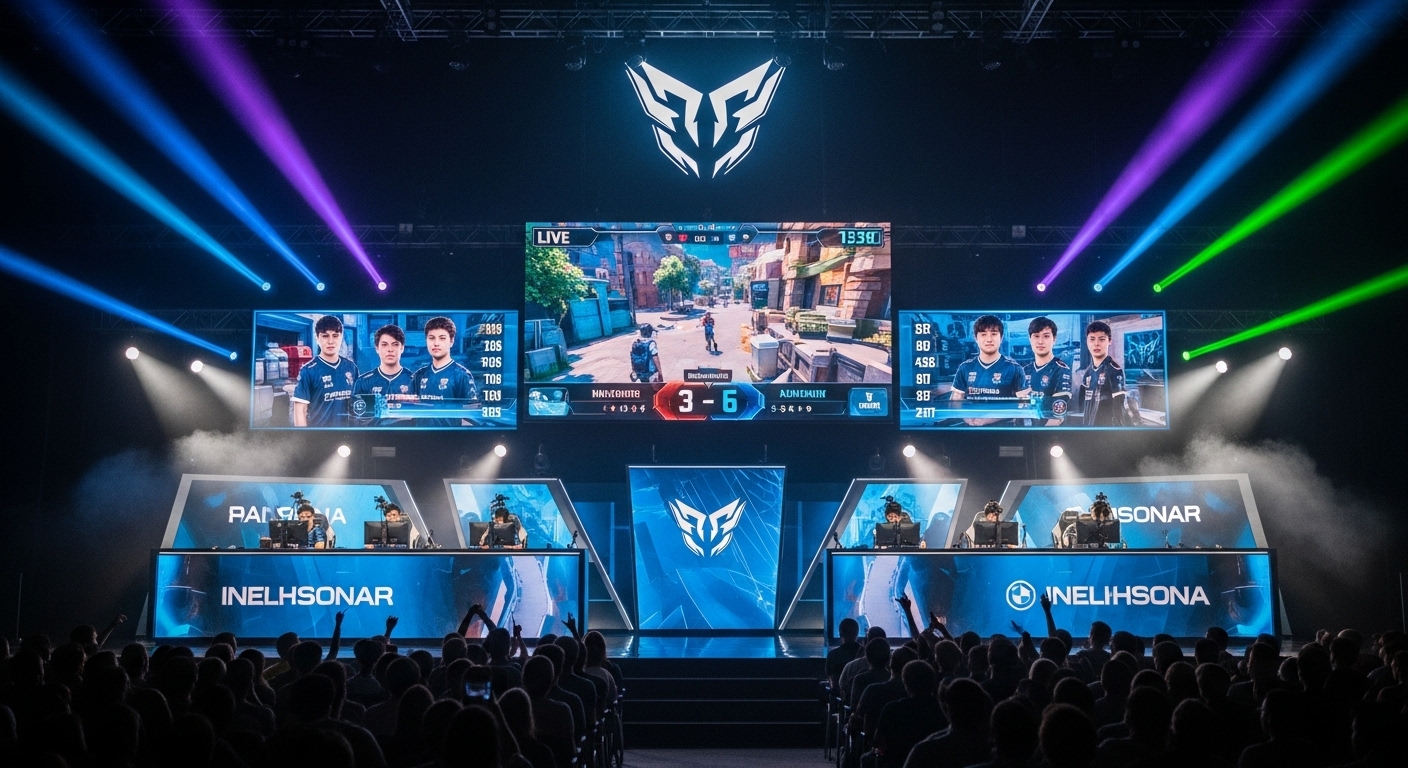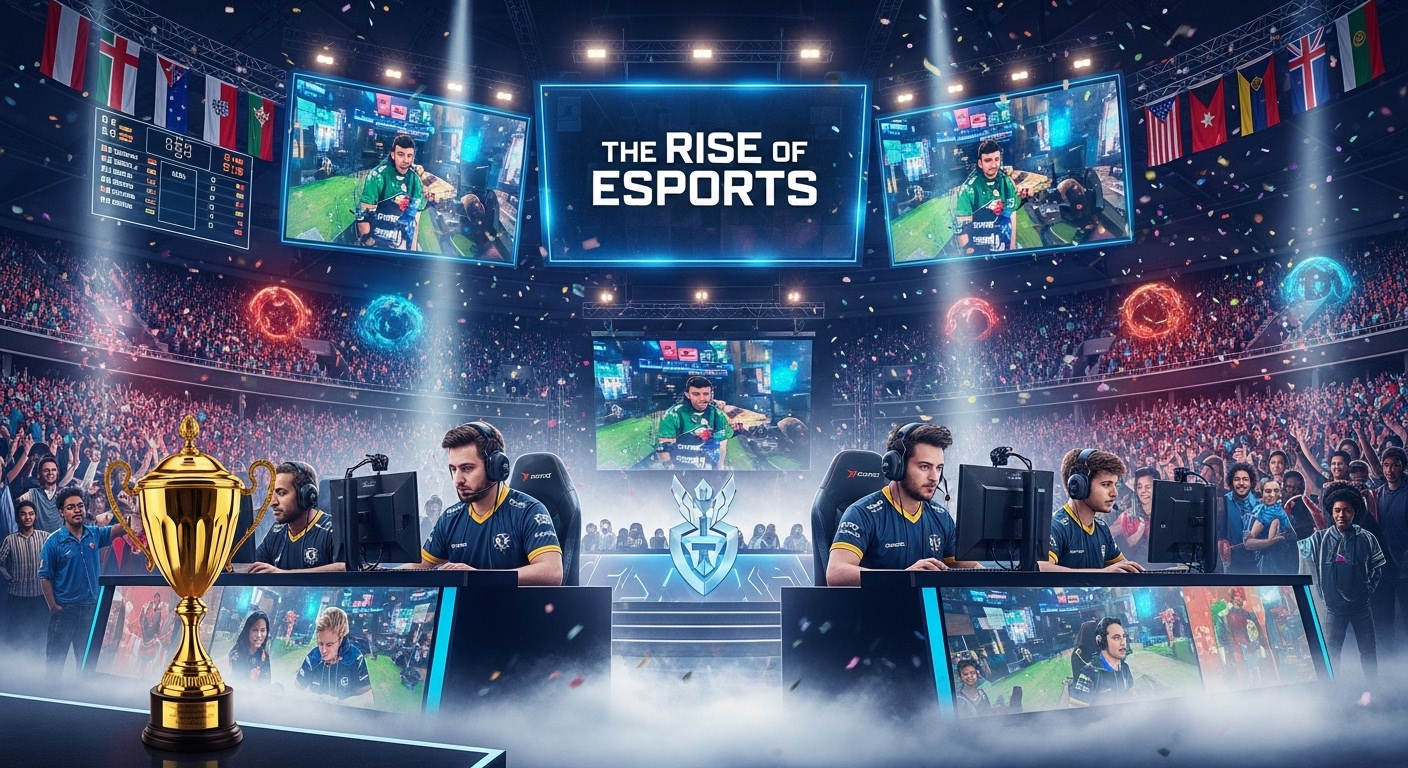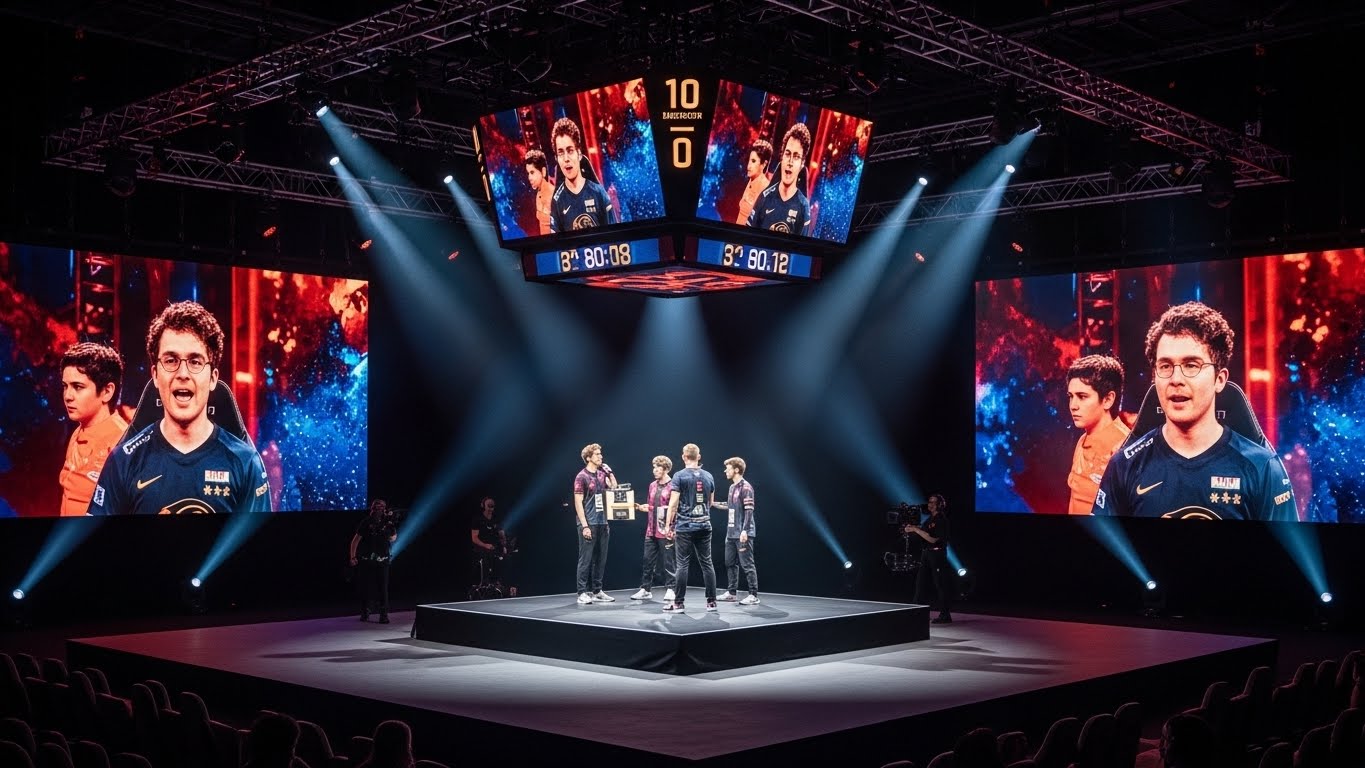
Esports, or competitive gaming, has evolved from a niche hobby into a global phenomenon that captivates millions of players and fans around the world. What was once seen as a casual pastime is now recognized as a serious, competitive industry complete with professional leagues, major tournaments, and dedicated fanbases. Esports is not only redefining how we perceive games but is also changing entertainment, education, culture, and even career opportunities. This blog explores the multifaceted world of esports, examining its growth, impact, and the future of this digital revolution.
Understanding Esports: Beyond Casual Gaming
Esports refers to organized, competitive video gaming where individuals or teams compete in tournaments for prizes, recognition, and professional advancement. Popular genres include multiplayer online battle arenas, first-person shooters, real-time strategy games, and sports simulations. Unlike traditional sports, esports takes place entirely in a digital environment, yet it demands the same dedication, skill, and strategy. Players spend hours honing their abilities, studying opponents, and perfecting strategies. The intensity and professionalism of competitive gaming often mirror that of conventional athletic competition, proving that esports requires more than just casual gameplay.
The Rise of Esports: From Basements to Stadiums
Over the past decade, esports has experienced explosive growth. Small gaming communities and informal competitions have transformed into massive global events watched by millions. International tournaments such as the League of Legends World Championship, the Dota 2 International, and the Fortnite World Cup now rival traditional sports finals in viewership and fan engagement. Streaming platforms and social media have been instrumental in this growth, allowing fans to watch live matches, interact with players, and engage with global communities. What was once a hobby confined to living rooms has now entered arenas and stadiums, drawing massive crowds and making headlines around the world.
Professional Esports: Careers in Competitive Gaming
Esports is not only about playing games; it offers real career opportunities. Professional players can earn salaries, prize money, and sponsorships, sometimes totaling millions of dollars annually. Beyond competing, the esports ecosystem includes coaches, analysts, managers, content creators, and event organizers. Universities now offer esports scholarships, recognizing the dedication and talent required to excel. For aspiring professionals, esports provides a path to turn passion into a full-fledged career, combining competitive drive with opportunities for creativity, leadership, and entrepreneurship.
Cognitive and Mental Benefits of Esports
Esports offers more than entertainment—it provides cognitive and mental development. Competitive gaming enhances strategic thinking, decision-making, problem-solving, and multitasking skills. Players learn to anticipate opponents’ actions, adapt to fast-changing scenarios, and execute complex strategies under pressure. These abilities can translate into real-world advantages, from academic performance to workplace problem-solving. Moreover, esports teaches resilience and perseverance, as players must cope with losses, setbacks, and high-pressure situations. The mental discipline required for esports is often comparable to traditional sports, demonstrating that gaming can be both engaging and intellectually stimulating.
Social Connectivity and Community in Esports
Esports thrives on social interaction and community building. Players often form teams or clans, fostering collaboration, communication, and mutual trust. Online platforms allow fans to connect, discuss strategies, and celebrate victories together, creating a sense of belonging. Major tournaments bring together players and audiences from diverse backgrounds, promoting cross-cultural exchange and understanding. Esports also fosters mentorship, with experienced players guiding newcomers, creating a dynamic ecosystem of knowledge-sharing and collaboration. The social aspect of esports goes far beyond individual gameplay, forming communities united by shared passion.
Technology as the Backbone of Esports
Technology is central to the growth and sustainability of esports. High-performance computers, gaming consoles, peripherals, and stable internet connections are essential for competitive play. Streaming technology allows millions of fans to watch live matches, engage with commentators, and interact with players in real-time. Advanced analytics tools track player performance, helping teams refine strategies and optimize skills. Emerging technologies, such as virtual reality and augmented reality, promise to revolutionize the esports experience further, creating immersive environments that redefine how players compete and fans engage.
Cultural Influence of Esports
Esports has grown into a cultural force, influencing media, entertainment, and social trends. Professional players have become celebrities, inspiring fans through skill, personality, and achievements. Esports tournaments now include music performances, cosplay competitions, and interactive fan events, blending gaming culture with mainstream entertainment. Moreover, esports challenges outdated stereotypes about gaming, highlighting the skill, strategy, and dedication required at the highest levels. Through its integration into broader culture, esports has created a unique identity that celebrates creativity, innovation, and competition.
Economic Impact of Esports
The esports industry has a significant economic footprint. Revenue streams include tournament prizes, sponsorships, advertising, merchandise, and media rights. Major events attract global audiences, creating investment opportunities for corporations and boosting local economies through event hosting. Even at the community level, esports programs stimulate interest and generate revenue for gaming centers, schools, and small businesses. The industry continues to create employment opportunities, ranging from professional players to technical support, marketing, and content creation, demonstrating that esports is both a cultural and economic powerhouse.
Challenges Facing the Esports Industry
Despite its impressive growth, esports faces several challenges. Professional players often experience burnout, mental stress, and physical strain due to long hours of practice and competition. Gender inequality and underrepresentation remain prevalent issues, while accessibility barriers prevent some individuals from participating. Additionally, the lack of standardized regulations and governance can create inconsistencies and ethical concerns. Addressing these challenges is crucial for the sustainable growth of esports and ensuring that it remains inclusive, fair, and safe for all participants.
Esports and Education
Educational institutions are increasingly embracing esports as a tool for learning and personal development. Schools and universities are creating esports programs to teach teamwork, strategic thinking, leadership, and digital literacy. Competitive gaming can enhance students’ engagement, motivation, and problem-solving skills. Specialized courses in esports management, game design, and digital media prepare students for careers within the industry, blending creativity with practical experience. By integrating esports into education, institutions help nurture the next generation of players, coaches, and industry professionals.
Global Connectivity Through Esports
Esports transcends geographic boundaries, connecting players and fans worldwide. Online competitions enable international participation without the logistical limitations of traditional sports. This connectivity promotes cultural exchange, mutual understanding, and collaboration. Players from different countries can form teams, compete in global tournaments, and interact with diverse communities. Esports is uniquely positioned to foster global unity, demonstrating that digital spaces can create real-world connections and shared experiences.
The Future of Esports
The future of esports is bright, dynamic, and full of potential. Advances in virtual reality, augmented reality, and artificial intelligence are likely to redefine gameplay, competition formats, and fan experiences. Emerging markets will expand esports’ reach, introducing new audiences and talent. Inclusivity, sustainability, and ethical governance will become central to the industry’s evolution, ensuring opportunities for all players. As technology and culture continue to intersect, esports is poised to remain a dominant form of entertainment, competition, and social engagement for years to come.
Conclusion: Esports as a Defining Digital Era
Esports is more than a form of entertainment; it is a transformative cultural, social, and economic force. It combines skill, strategy, technology, and community to create experiences that rival traditional sports in intensity and impact. From cognitive development and social connectivity to career opportunities and global cultural influence, esports has proven its significance on multiple levels. As it continues to grow and evolve, esports challenges conventional definitions of sports and competition, proving that the digital arena is not just the future of gaming—it is the future of connection, innovation, and achievement.