Introduction: The Rise of a Digital Revolution
Esports has transformed from small gatherings of gaming enthusiasts into a worldwide cultural movement. What was once seen as a hobby has evolved into a competitive industry that rivals traditional sports in viewership, endorsements, and global influence. Today, stadiums fill with cheering fans, millions tune in from home, and professional players train with discipline similar to elite athletes. This is more than gaming—it is the evolution of a new digital battleground.
In this blog, we will explore how esports grew into a billion-dollar industry, why people are emotionally invested, and what the future holds for this extraordinary digital phenomenon.
The Early Days of Competitive Gaming
The roots of esports stretch back decades. The earliest competitive gaming events were organized in university basements, arcades, and small LAN parties where enthusiasts showcased their skills. These early gatherings were about community and passion rather than fame or financial gain.
Games like first-person shooters, real-time strategy titles, and fighting games began to attract players who competed for fun, bragging rights, and small prizes. It was during these early days that the competitive spirit of gaming started to take shape, setting the stage for the massive industry that exists today.
The Internet Era and the Explosion of Online Competitions
The arrival of the internet changed everything. Suddenly, players no longer needed to gather physically—they could compete from across the world, challenging opponents in real-time. Online platforms created ranked ladders, structured tournaments, and matchmaking systems that allowed gaming talent to be recognized.
With online gaming came accessibility. Anyone with a computer or console could participate, giving rise to massive player communities. This global accessibility was crucial in making esports more inclusive, diverse, and competitive. The internet also allowed spectatorship to blossom, with viewers watching matches online instead of being limited to physical venues.
The Birth of Professional Leagues
As competitive gaming gained momentum, organizations saw the potential to establish professional structures similar to traditional sports. Teams formed, coaches emerged, and players began dedicating countless hours to mastering skills.
Professional leagues began to appear for a variety of games. Each league created rules, schedules, and ranking systems, offering players a career path in esports. With professionalization came salaries, contracts, and sponsorships, providing stability and recognition for players who once played only for passion.
Esports as Modern Entertainment
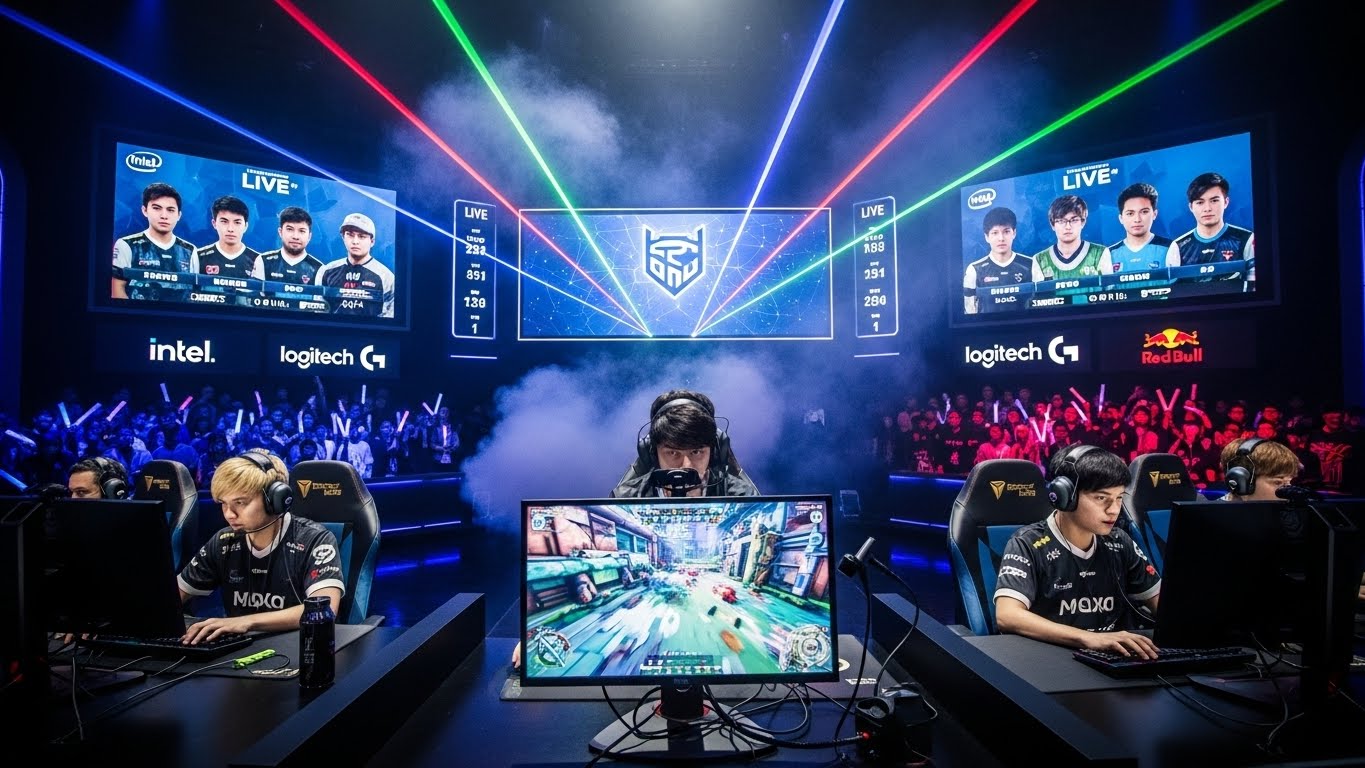
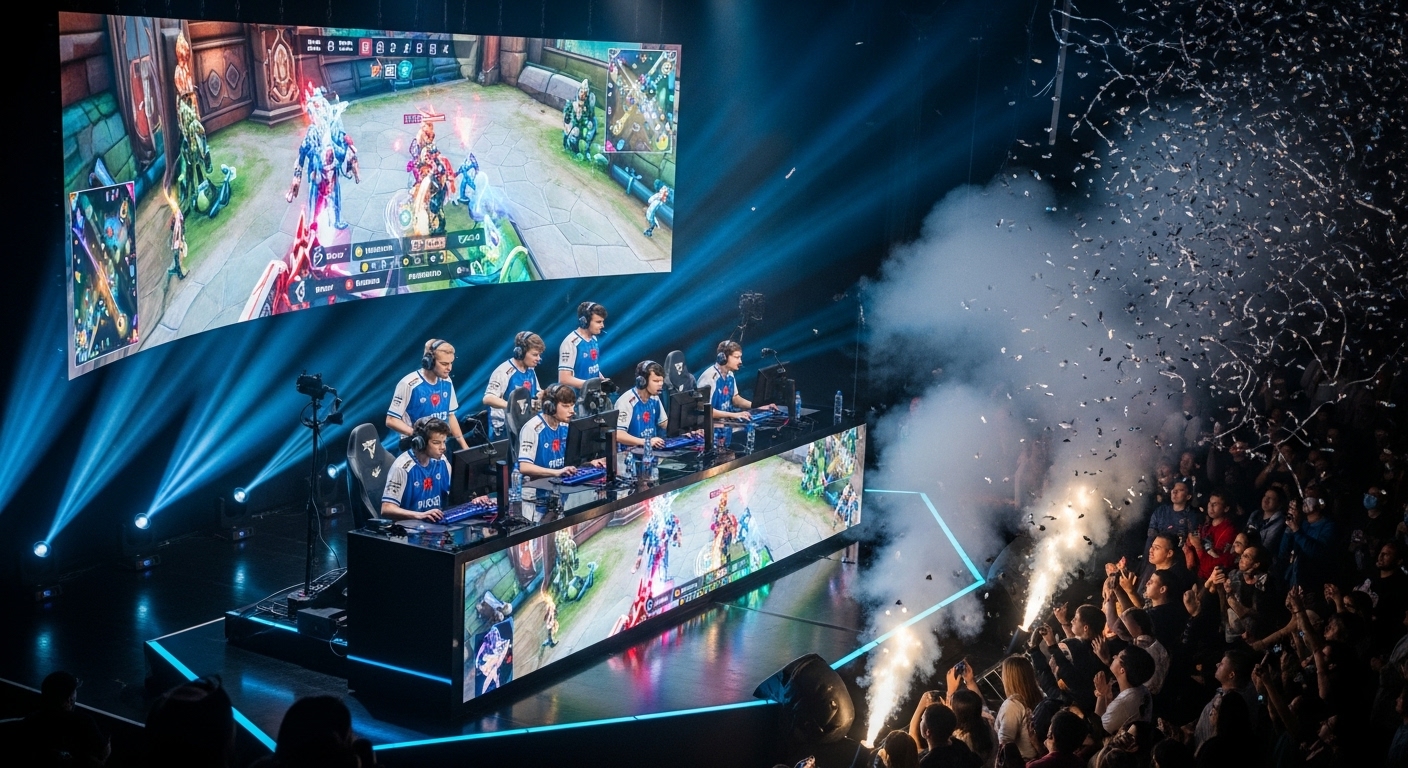
Today, esports stands alongside major global entertainment industries. Tournaments fill arenas with roaring fans, and millions watch from home. Some competitions attract more live viewers than major traditional sporting events.
The appeal lies in the accessibility and relatability of the competitors. Esports athletes often come from ordinary backgrounds, rising to fame due to pure skill and dedication. Their journeys inspire fans who see gaming as a shared space where anyone can excel.
Beyond competition, esports includes storytelling, content creation, and personality-driven entertainment. Many professional players stream their practice sessions, offer tutorials, or engage directly with fans, strengthening community bonds and growing the industry even further.
The Role of Technology in Esports Growth
Technology has always been the backbone of gaming, but its advancements have directly driven esports’ evolution. High-performance computers, next-generation consoles, and optimized gaming platforms allow players to compete with exceptional precision and speed.
The rise of high-speed internet and live-streaming technologies made tournaments accessible to audiences worldwide. Spectators can now enjoy crisp visuals, real-time commentary, and interactive viewing experiences.
Additionally, game developers are designing titles specifically with esports in mind. These games often include spectator modes, balanced mechanics, and built-in tools to support competitive play.
The Business Behind the Screens
Esports is no longer just a passion—it is a thriving global business. It attracts investments from major companies across technology, entertainment, fashion, and even traditional sports.
Revenue streams include sponsorships, advertising, media rights, merchandise, event tickets, and in-game purchases. Major brands align themselves with esports teams or tournaments to reach the younger generation, a demographic highly engaged in gaming culture.
Teams operate like professional sports organizations, complete with coaching staff, managers, fitness trainers, and performance psychologists. Players sign contracts, negotiate sponsorships, and build personal brands that influence their market value.
Esports Athletes: Training Like Champions
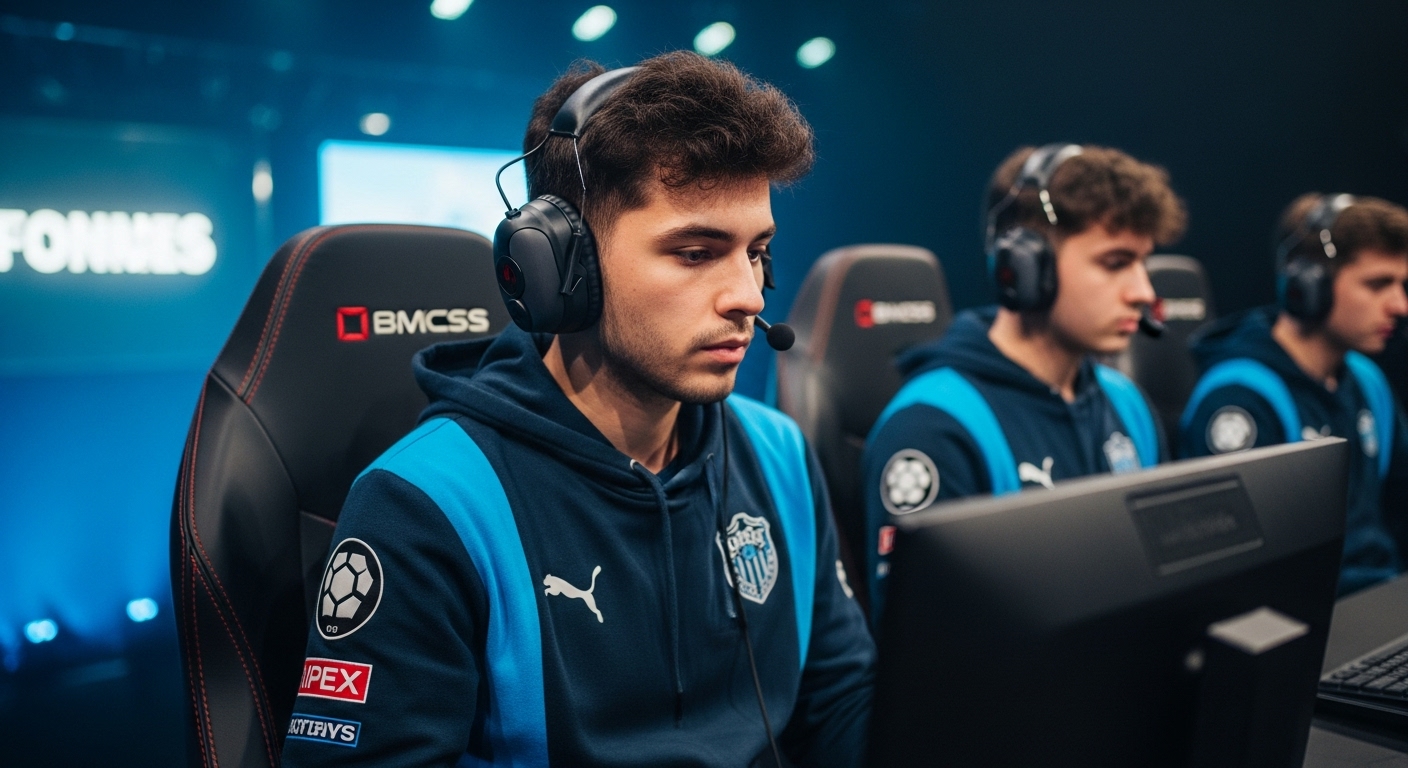
The stereotype of gamers casually playing in their bedrooms is outdated. Professional esports athletes train with dedication comparable to Olympians.
Daily schedules include hours of practice, strategic analysis, physical training, and mental conditioning. Team discussions and reviews of past matches are common, helping players refine team coordination and strategy.
Mental fitness is equally important. As esports demands intense focus and split-second decisions, players often work with psychologists to manage stress, maintain concentration, and perform under pressure. The discipline involved demonstrates that esports is truly a sport in every sense.
Esports and Youth Culture
Gaming is woven deeply into modern youth culture. For many young people, esports is not merely entertainment but a lifestyle. The sense of community created by gaming transcends geographical boundaries.
Esports inspires young players, encouraging them to develop skills such as strategic thinking, teamwork, communication, and perseverance. Some schools and universities now offer esports programs, scholarships, and courses in gaming-related fields. This institutional recognition shows just how impactful esports has become on education and youth development.
The Global Community Behind the Competitive Scenes
One of the most remarkable aspects of esports is its global inclusivity. Players from different cultures, languages, and backgrounds compete on the same stage. Fans also unite across borders, creating vibrant online communities where discussions, fan art, and debates thrive.
International tournaments highlight the diversity and talent within the industry. The excitement of global competition fosters camaraderie, healthy rivalry, and mutual respect among fans and players alike.
Social platforms play a huge role in building this community, allowing fans to engage directly with players, teams, and commentators. This direct interaction is rare in traditional sports and adds to esports’ unique appeal.
Challenges Facing the Esports Industry
Despite its rapid growth, esports faces several challenges. Maintaining player well-being is a priority, as long training hours and intense pressure can lead to burnout. Ensuring fair play is another concern, as the digital nature of esports makes cheating a constant threat.
Additionally, the industry must navigate issues related to financial sustainability, regulation, and standardized governance. These growing pains are natural for any emerging industry, and many organizations are actively working to address them.
The Future of Esports
The future of esports is bright and filled with possibilities. With technology advancing rapidly, new genres, formats, and experiences will emerge. Virtual reality competitions, enhanced spectator tools, and global tournaments will likely redefine the competitive landscape.
Esports is also expanding into mainstream culture. Collaborations with traditional sports, movies, music, and fashion are becoming common. As the industry continues to grow, it will shape entertainment and sports for generations.
Moreover, esports will continue creating career opportunities—not only for players but also for coaches, analysts, event organizers, marketers, developers, and content creators. The ecosystem will expand, giving rise to new professions and innovations.
Conclusion: The New Era of Competition
Esports has created a powerful cultural shift, proving that competition is not limited to physical arenas. Through passion, skill, technology, and community, it has carved a permanent place in global entertainment.
This new digital arena is more than a game. It is an expression of creativity, determination, and the human desire to compete and connect. As esports continues to evolve, it will inspire countless people, unite diverse communities, and redefine what it means to be an athlete in the digital age.