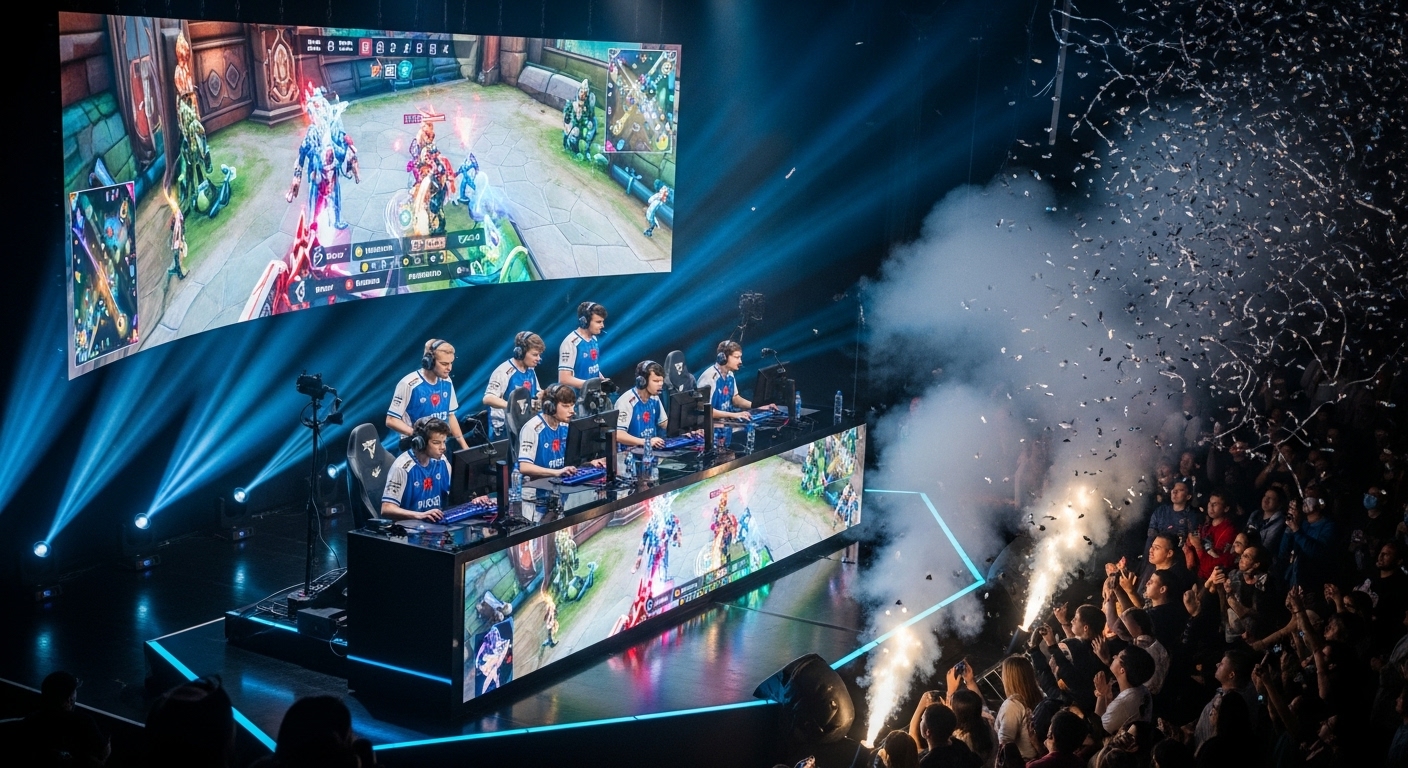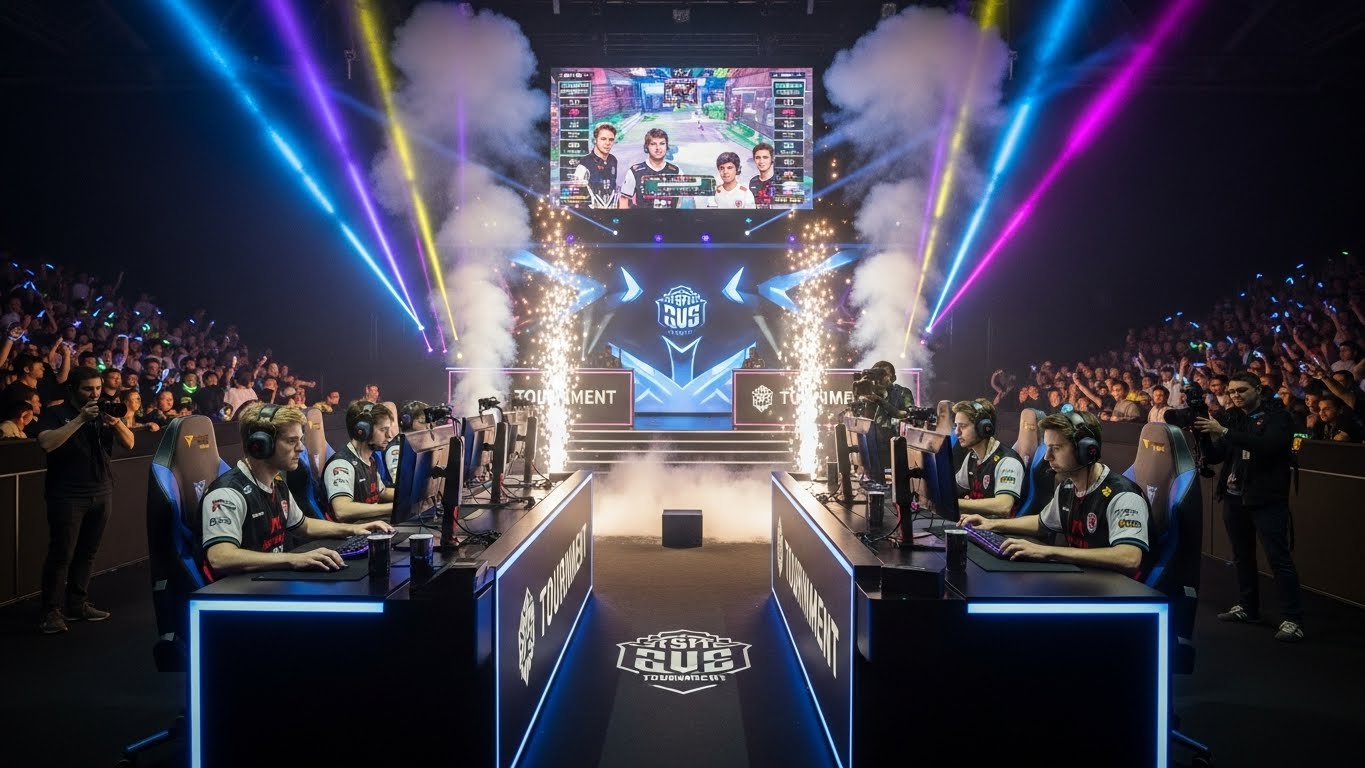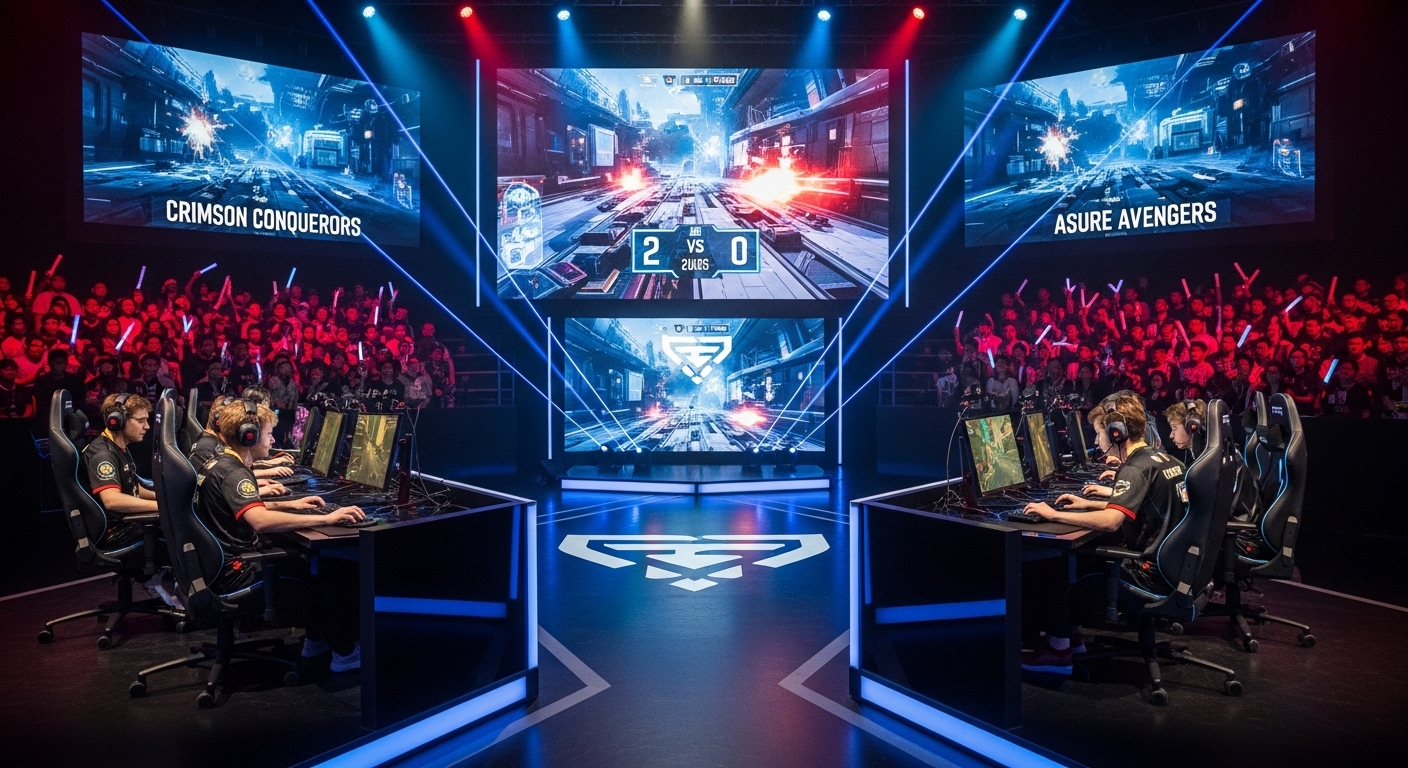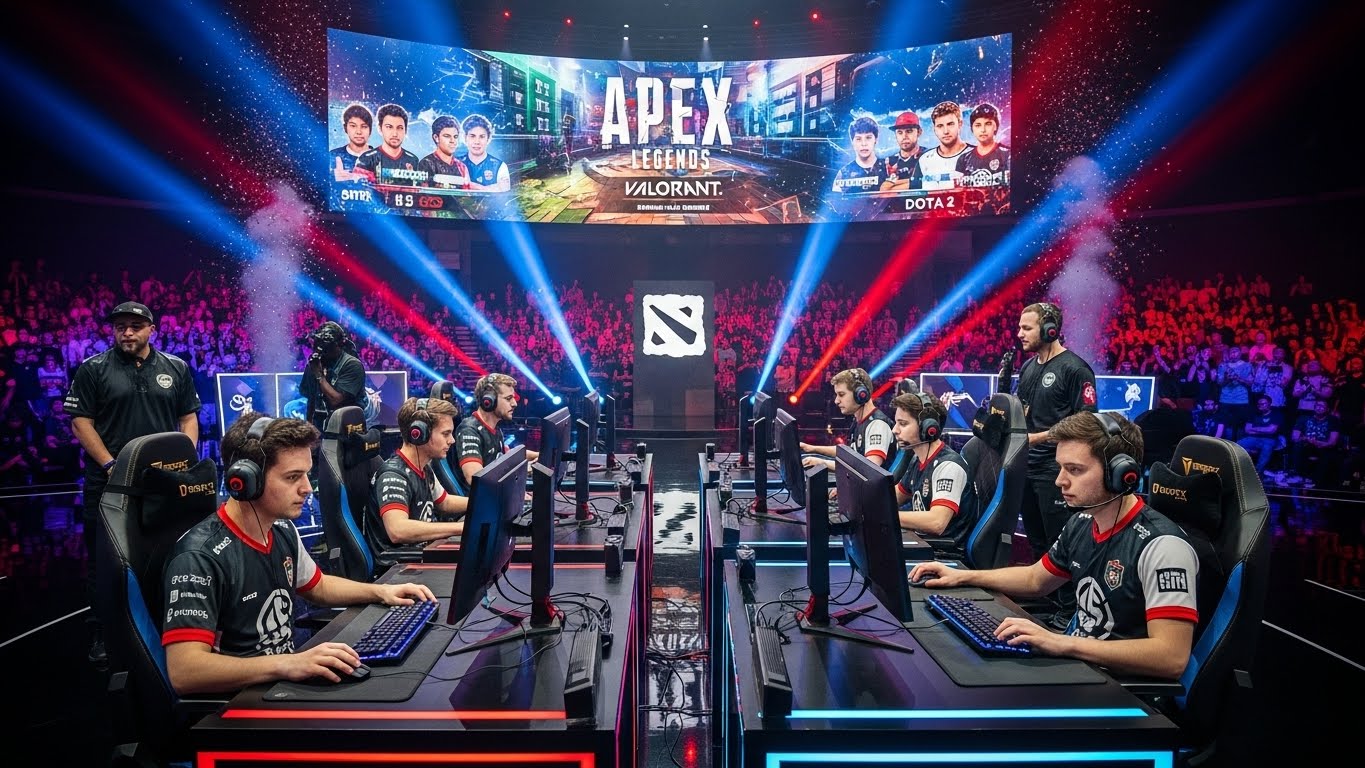
Esports, or competitive video gaming, has transformed from a niche hobby into a global phenomenon. What started as casual competitions among friends in arcades and online forums has evolved into a fully professionalized industry with millions of viewers, high-stakes tournaments, and career opportunities for players, coaches, and content creators. This blog explores the growth of esports, its cultural and economic impact, the challenges it faces, and the opportunities that lie ahead for players and fans alike.
The Origins of Esports
The concept of esports can be traced back to the late 1970s and early 1980s, when simple arcade games began attracting competitive players. Early tournaments, such as local competitions for games like Space Invaders and Pac-Man, were small-scale and community-driven. With the rise of home consoles and personal computers in the 1990s, multiplayer games started gaining traction, leading to the first wave of organized esports events.
Games like Quake, StarCraft, and Counter-Strike became the foundation of competitive gaming, bringing together communities that shared a passion for skill, strategy, and teamwork. These early competitions laid the groundwork for the professional leagues and large-scale tournaments we see today, showing that gaming could be more than just entertainment—it could be a sport.
Esports as a Professional Career
One of the most significant developments in esports is the professionalization of players. Today, top esports athletes train rigorously, much like traditional athletes. They practice for hours daily, analyzing game mechanics, developing strategies, and honing teamwork. Success in esports requires not only fast reflexes but also high-level strategic thinking, communication skills, and mental resilience.
Beyond players, esports has created diverse career opportunities. Coaches guide team strategies and improve performance, analysts break down data to optimize gameplay, and managers handle sponsorships, contracts, and tournament logistics. Content creators and streamers provide entertainment and connect with fans, further expanding the ecosystem. This professional structure has made esports a legitimate career path and attracted investment from brands, investors, and institutions.
Technology Driving Esports Growth
The growth of esports is tightly linked to advances in technology. High-performance gaming computers, ultra-fast internet connections, and powerful graphics have enabled competitive play at a global scale. Live streaming platforms have revolutionized the way fans engage with games, allowing them to watch matches in real time, interact with commentators, and follow their favorite teams.
Data analytics and artificial intelligence are also transforming esports. Teams use performance metrics to evaluate player efficiency, predict opponents’ strategies, and refine tactics. Virtual and augmented reality technologies may soon change the way audiences experience tournaments, providing immersive ways to engage with competitions. As technology evolves, esports will continue to become more sophisticated and accessible.
Global Esports Culture
Esports is unique in its global reach. Unlike traditional sports, it is not restricted by geography, language, or physical ability. Players and fans from around the world connect through shared gaming interests, creating diverse, inclusive communities. Popular esports games foster collaboration and competition among players from different cultures, forming a global network of enthusiasts.
The culture surrounding esports is vibrant and multifaceted. Fans celebrate their favorite teams with merchandise, fan art, and online communities. Social media and streaming platforms allow players to communicate directly with their audience, creating interactive experiences that deepen engagement. Esports has also influenced fashion, music, and entertainment, making it an important part of modern digital culture.
The Economic Impact of Esports
Esports has grown into a multi-billion-dollar industry. Revenue comes from sponsorships, media rights, tournament ticket sales, merchandise, and digital content. Brands from technology, apparel, and consumer goods sectors are investing heavily in esports to reach younger, digitally savvy audiences.
Major tournaments draw millions of viewers, both in-person and online, generating significant economic activity for host cities. Teams operate as businesses, managing budgets, securing sponsorships, and developing brand identities. The financial impact of esports extends beyond gaming, influencing advertising, marketing, and media production industries. As esports continues to grow, it is expected to become an even more influential economic force globally.
Esports in Education
Esports has made its way into schools and universities, providing structured programs for students interested in competitive gaming. Many educational institutions now offer esports clubs, varsity teams, and scholarships. These programs teach teamwork, strategy, leadership, and digital literacy, preparing students for potential careers within the gaming industry.
Beyond competition, educational esports initiatives focus on skill development in areas like game design, media production, and event management. This integration of gaming into education reflects a shift in how society views digital skills and interactive media as valuable tools for learning and personal growth.
Mental and Physical Well-Being in Esports
As esports becomes more competitive, attention to mental and physical health has become crucial. Long hours of practice, high-pressure tournaments, and constant online engagement can contribute to stress, fatigue, and burnout. Professional teams now emphasize balanced routines that include exercise, nutrition, and mental health support.
Mental resilience is particularly important in esports, as players must remain focused under intense pressure and recover quickly from setbacks. Sports psychologists, performance coaches, and wellness programs are increasingly part of esports organizations, helping players maintain peak performance while safeguarding their well-being.
Esports and Traditional Sports: A Converging Landscape
Esports and traditional sports share many similarities, including competition, teamwork, and the drive for excellence. Recognizing this, traditional sports organizations are investing in esports teams and leagues, blurring the line between physical and digital competition. Franchised esports leagues mimic traditional sports structures with seasons, playoffs, and championships, creating a familiar experience for fans.
Esports also introduces innovations that traditional sports can learn from, such as interactive broadcasting, instant replay technology, and global accessibility. The convergence of traditional sports and esports demonstrates how competition is evolving in the digital era, offering new ways to engage audiences and build communities.
Challenges Facing the Esports Industry
Despite its growth, esports faces challenges that could affect its long-term sustainability. Player burnout, inconsistent regulations, cheating, and match-fixing are ongoing concerns. Maintaining competitive integrity is essential for the credibility of tournaments and leagues.
Diversity and inclusion remain important challenges. While esports is more accessible than many traditional sports, barriers exist for underrepresented groups. Ensuring safe and inclusive environments for all players is critical for fostering community trust and expanding participation.
Rapid technological and market changes also create uncertainty. Games rise and fall in popularity, requiring teams and organizers to adapt quickly. Balancing growth with stability, ethical governance, and responsible practices will determine the industry’s future success.
The Future of Esports
The future of esports is full of possibilities. Emerging technologies like virtual reality, augmented reality, and artificial intelligence will redefine how players compete and audiences engage. New game genres, innovative tournament formats, and interactive platforms will continue to expand the reach and appeal of esports.
Esports may become even more integrated into mainstream culture, with greater recognition from media, educational institutions, and governments. Improved infrastructure, increased investment, and wider acceptance could help esports rival traditional sports in popularity and influence.
Ultimately, the future of esports will depend on how the industry balances innovation with responsibility. Supporting players, fostering inclusive communities, and maintaining ethical standards will be essential for sustaining growth and creating positive experiences for fans and participants alike.
Conclusion
Esports is more than just gaming; it is a global phenomenon shaping culture, economy, and competition in the digital age. From professional careers and international tournaments to community engagement and educational programs, esports has created opportunities and experiences previously unimaginable.
As technology continues to evolve and audiences grow, esports is positioned to redefine what it means to compete, connect, and entertain. The industry is a testament to human creativity, adaptability, and the enduring desire for competition. In the coming years, esports will continue leveling up, transforming the way we play, watch, and experience games around the world.