Introduction: Esports – A Digital Revolution
In the last decade, Esports has shifted from a niche hobby to a global cultural and professional phenomenon. Millions of players now compete in online arenas, while fans watch tournaments live from every corner of the globe. Esports is more than gaming; it represents a new form of competition, entertainment, and community. It blends skill, strategy, and teamwork with cutting-edge technology, creating an environment where players can achieve international recognition. This blog explores the evolution, impact, and future of Esports, highlighting why it has become a defining aspect of digital culture.
The Origins of Esports
Esports traces its roots to the early days of video gaming in the 1970s and 1980s. Arcade games like Pong and Space Invaders provided the first platforms for competition. Players gathered in arcades or local tournaments to test their skills and compete for small prizes.
The 1990s brought online gaming, allowing players to connect across distances. Titles such as StarCraft, Quake, and Counter-Strike introduced competitive leagues with structured rules and organized tournaments. The rise of streaming platforms in the 2010s expanded Esports’ reach, enabling global audiences to watch live matches. Today, Esports is a multi-billion-dollar industry with professional teams, sponsorships, and international tournaments.
Global Reach and Popularity
Esports has become a worldwide phenomenon due to its accessibility and appeal. Unlike traditional sports, Esports does not require specific physical conditions, stadiums, or costly equipment. All it takes is a gaming device and internet connection. Games like League of Legends, Dota 2, Call of Duty, and Fortnite attract millions of players and viewers.
Live-streamed tournaments allow fans to engage in real time, creating a sense of global community. Esports connects people across cultures and languages, turning gaming into a universal platform for competition and social interaction. The popularity of Esports demonstrates its ability to bridge communities and create shared experiences in the digital age.
Professional Players: The New-Age Athletes
Professional Esports players are digital athletes, requiring precision, reflexes, strategic thinking, and mental endurance. Training often lasts six to ten hours daily, including practice matches, analyzing opponents, and refining techniques.
Players also maintain physical and mental health. Fitness routines, proper nutrition, and breaks are essential to avoid strain injuries and burnout. The mental resilience required is comparable to traditional sports, as players must handle pressure, make split-second decisions, and adapt to dynamic game environments. Professional Esports players are examples of discipline and dedication in the modern digital world.
Teams and Organizations
Esports teams function similarly to traditional sports organizations. Teams have managers, coaches, analysts, and support staff to ensure peak performance. They compete in local, national, and international leagues and often secure sponsorships to sustain their operations.
Successful organizations focus on talent development, strategy, and fan engagement. They create content, interact with fans on social media, and organize events to maintain visibility. Teams play a central role in the growth of Esports, nurturing players, promoting professionalism, and building global recognition.
The Tournament Experience
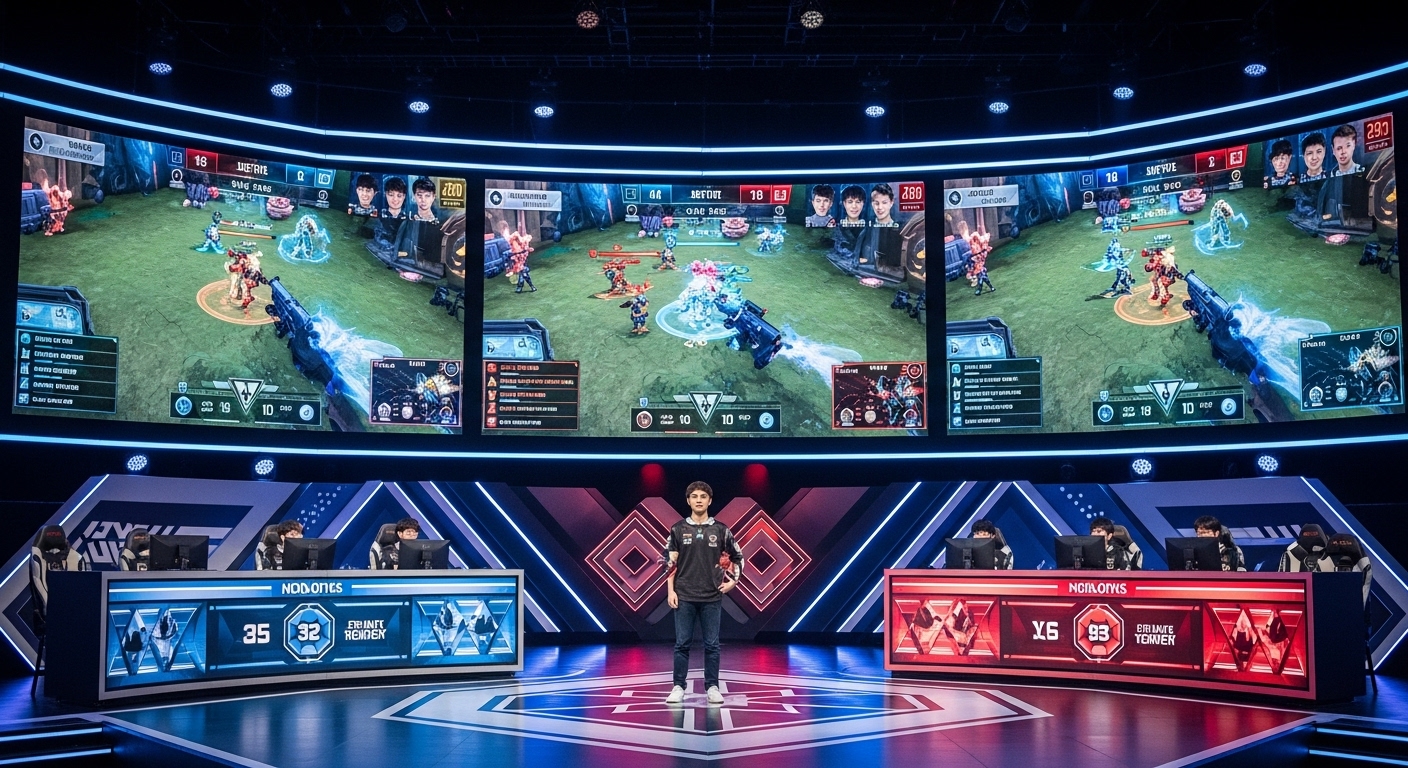
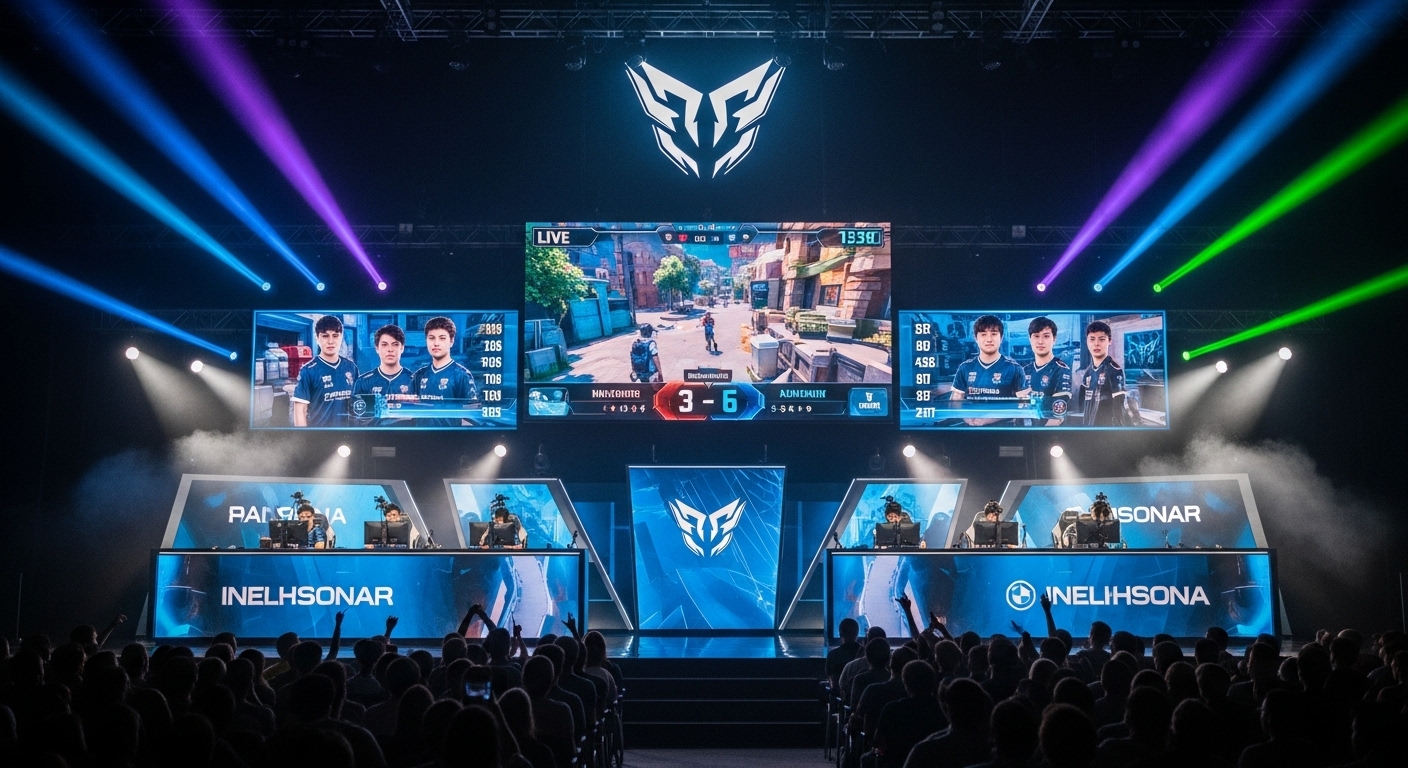
Tournaments are the lifeblood of Esports. Major competitions like The International, League of Legends World Championship, and Fortnite World Cup feature multi-million-dollar prize pools and attract the best players worldwide.
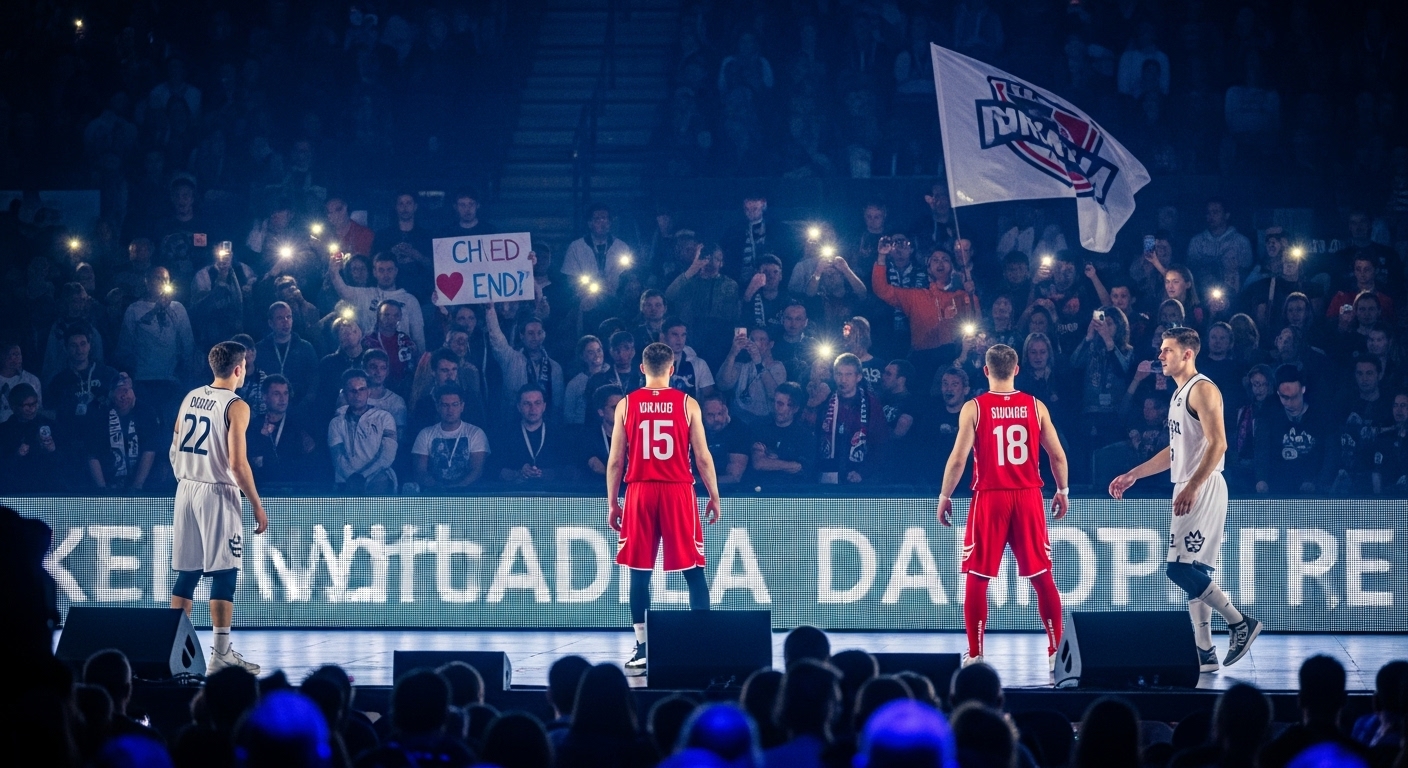
Esports tournaments are entertainment spectacles as much as they are competitions. With professional commentary, live streaming, and interactive fan engagement, these events captivate millions of viewers. They combine strategy, skill, and entertainment, making Esports tournaments immersive and highly anticipated events.
Physical and Mental Demands of Esports
While Esports is a digital activity, it demands significant physical and mental effort. Players need fast reflexes, hand-eye coordination, and long-term stamina. Exercise and posture maintenance are crucial to prevent injuries like carpal tunnel syndrome or back pain.
Mentally, Esports players must remain focused under high-pressure situations, strategize in real time, and respond to opponents’ tactics instantly. Success requires resilience, adaptability, and cognitive agility. The combination of physical preparation and mental strength shows that Esports is a demanding profession, not just casual gameplay.
Youth Engagement and Development
Esports has become increasingly popular among younger generations. Schools and universities now include competitive gaming programs, tournaments, and scholarships. Participation in Esports helps develop skills such as teamwork, communication, problem-solving, and leadership.
For youth, Esports provides social interaction and fosters a sense of belonging. Players collaborate with teammates online, navigate competitions, and develop confidence and perseverance. Early engagement in Esports can prepare young individuals for academic, professional, and personal challenges while instilling valuable life skills.
Career Opportunities in Esports
Esports offers a variety of career paths beyond playing professionally. Coaching, content creation, broadcasting, event management, marketing, and software development are all integral parts of the industry.
Professional players can also monetize their personal brands through streaming, sponsorships, and community engagement. The Esports ecosystem provides opportunities for individuals to combine creativity, strategy, and technology into sustainable careers. As the industry grows, demand for skilled professionals in diverse roles continues to increase.
Cultural and Social Impact
Esports has significantly influenced culture and society. It fosters global communities where players and fans interact, share strategies, and build friendships. Online platforms have created spaces for collaboration, mentorship, and learning, connecting people from different backgrounds.
Culturally, Esports challenges traditional perceptions of gaming. It emphasizes skill, dedication, and professionalism, redefining gaming as a legitimate form of competition and entertainment. Esports has become part of mainstream culture, influencing media, fashion, and entertainment trends worldwide.
Technology and Esports
Technology is the backbone of Esports. High-performance computers, gaming consoles, and peripherals enable precision and skillful gameplay. Streaming platforms allow fans to watch competitions live and interact with players. Analytics and AI tools help players optimize strategies and performance.
Emerging technologies like virtual reality and augmented reality are set to redefine Esports experiences. They will enhance gameplay, improve training, and create immersive spectator experiences. Technology ensures that Esports continues to innovate while expanding its global reach.
Challenges Facing Esports
Despite its growth, Esports faces challenges. Health concerns like eye strain, repetitive motion injuries, and prolonged sedentary behavior require attention. Mental health is another critical issue due to competitive pressure and online toxicity.
The industry also struggles with regulation and standardization. Unlike traditional sports, Esports lacks uniform governing bodies, leading to inconsistencies in contracts, tournament rules, and player protection. Addressing these challenges is essential to ensure sustainability and professionalism.
The Future of Esports
The future of Esports is promising. Virtual reality, augmented reality, and interactive streaming are likely to revolutionize gameplay and spectator experiences. Recognition by educational institutions and collaboration with traditional sports organizations will continue to legitimize Esports as a professional pursuit.
Esports is expected to expand globally, reaching more players, audiences, and game genres. Its integration with technology, media, and culture ensures that it will remain a key part of entertainment, competition, and digital community life for years to come.
Conclusion: Esports as a Global Phenomenon
Esports has evolved from casual gaming into a professional, worldwide industry. It blends skill, strategy, teamwork, and entertainment while creating global communities and professional opportunities. Players, teams, and tournaments demonstrate that Esports requires dedication, discipline, and resilience, comparable to traditional sports.
As Esports continues to grow, it redefines competition, entertainment, and social interaction. From local gaming arenas to international championships, Esports is no longer just a hobby; it is a cultural revolution and a digital frontier, shaping the way people connect, compete, and celebrate skill in the 21st century.