Introduction
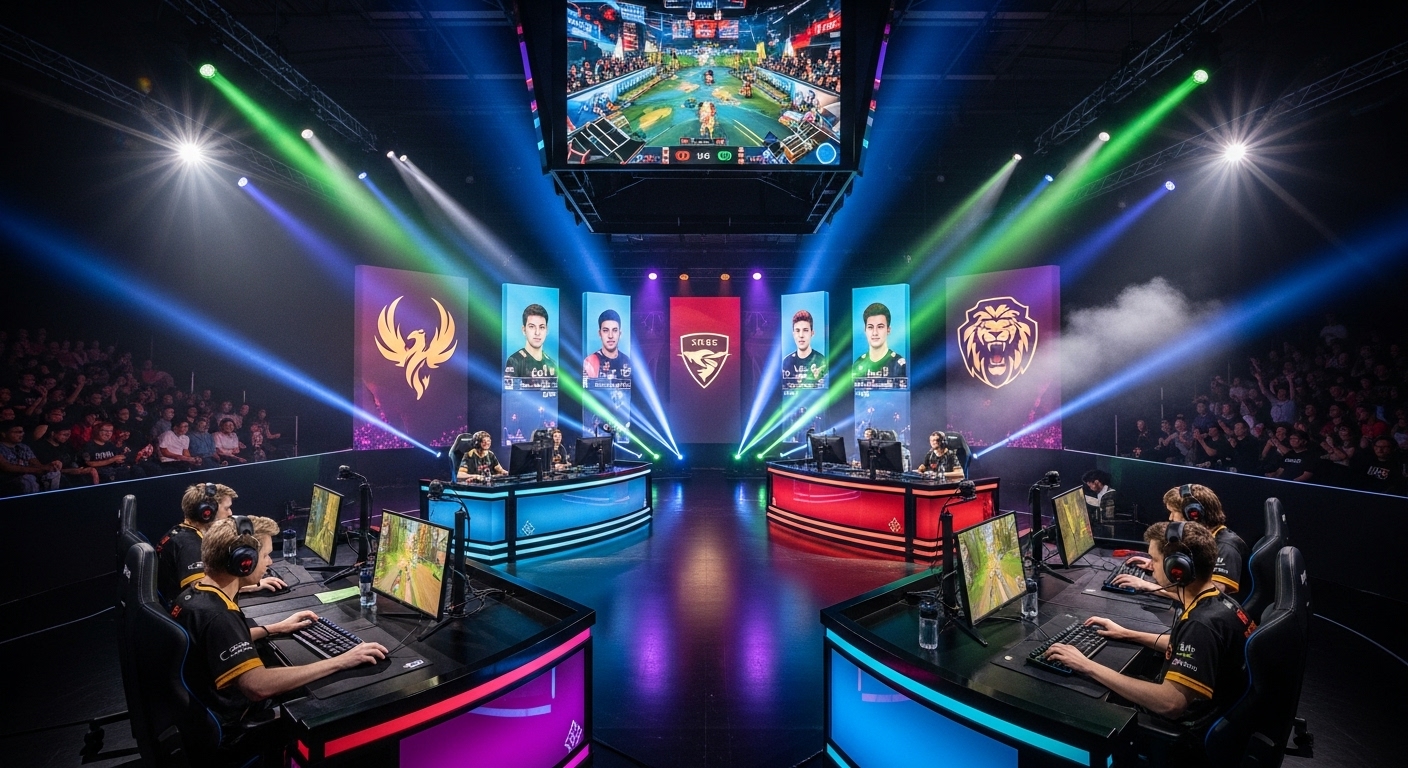
eSports, short for electronic sports, has rapidly grown into a global phenomenon. It brings together millions of players and fans in a digital arena where skill, strategy, and teamwork determine success. Unlike traditional sports, eSports exists entirely online, yet it shares the same intensity, passion, and competitive spirit. From casual players to professional athletes, eSports has become a platform for talent, entertainment, and community.
The Rise of eSports
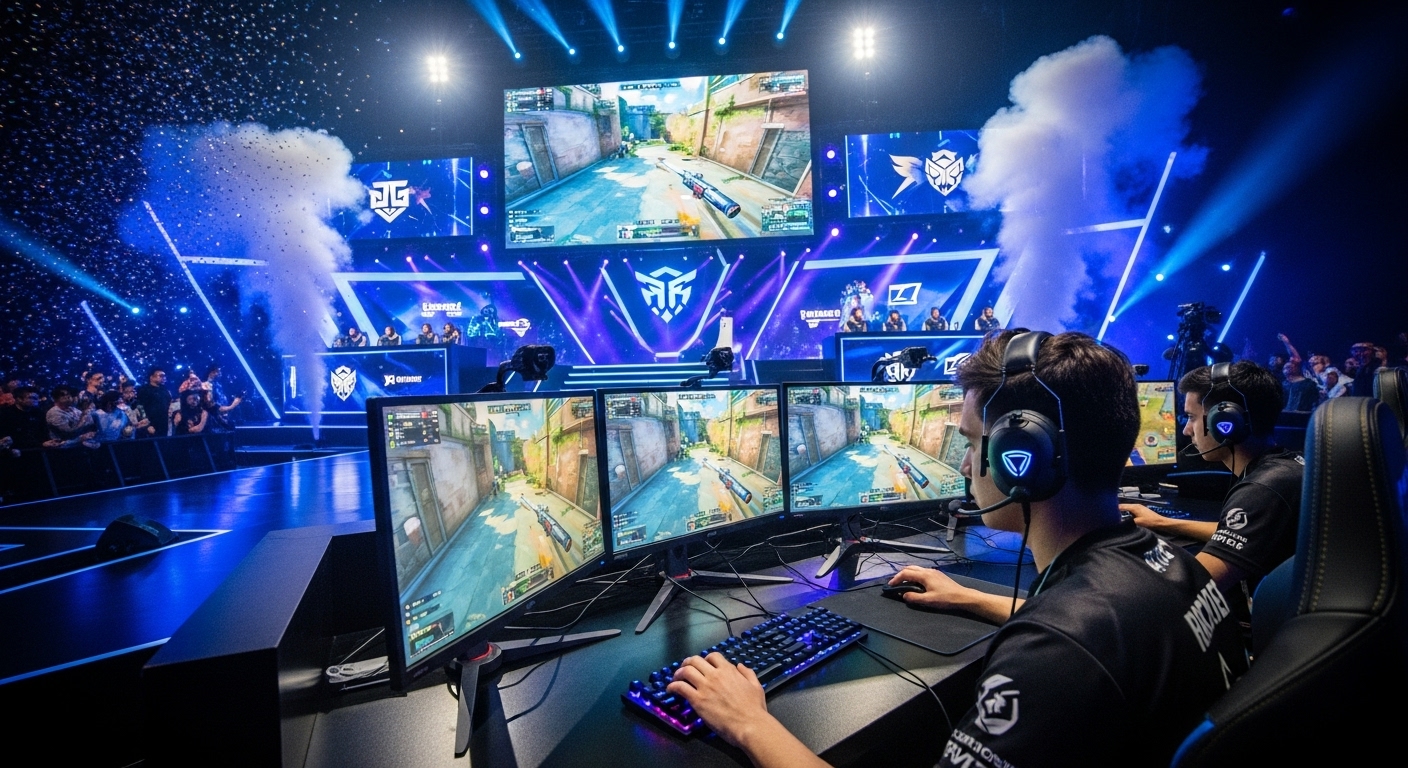
In recent years, eSports has transformed from small-scale competitions into international events with massive audiences and impressive prize pools. Games like League of Legends, Dota 2, Counter-Strike, and Fortnite have become the backbone of competitive gaming. Streaming platforms allow fans to watch live matches, cheer for their favorite players, and engage with global communities. This growth has turned eSports into a legitimate industry with professional teams, sponsorships, and dedicated tournaments.
Skills Required in eSports
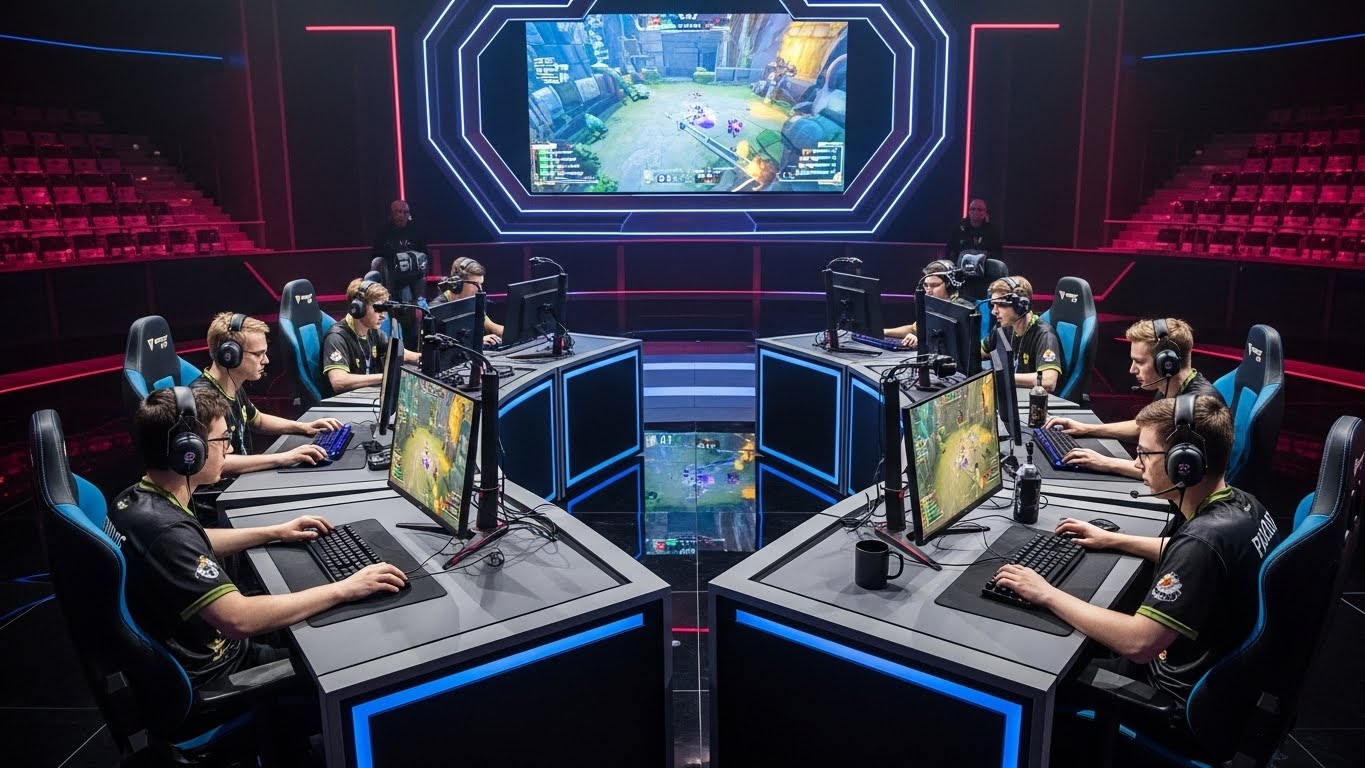
Success in eSports is not just about fast reflexes. Players need critical thinking, strategic planning, and strong teamwork. In team-based games, communication, coordination, and leadership are key, while solo competitions test focus, adaptability, and decision-making under pressure. Professional players invest hours of practice every day, demonstrating the discipline and mental strength required to compete at the highest level.
Social and Cultural Impact
eSports has created a vibrant global community. Online multiplayer games connect players from different countries, fostering friendships, collaboration, and cultural exchange. Major tournaments and live events bring fans together, creating a shared experience similar to traditional sports. eSports also provides career opportunities beyond playing, including coaching, commentary, content creation, and event management, highlighting its cultural and economic significance.
Challenges in eSports
Despite its popularity, eSports faces several challenges. Prolonged gameplay can lead to physical strain and mental fatigue. Online toxicity, cheating, and unfair practices can harm players and communities. Additionally, consistent regulation and fair competition are still evolving across the industry. Maintaining balance, responsible gaming habits, and positive environments are crucial for long-term growth.
The Future of eSports
The future of eSports is promising and full of innovation. Technologies like virtual reality, augmented reality, and artificial intelligence are creating more immersive and interactive experiences. With growing sponsorships, media coverage, and global audiences, eSports continues to gain recognition as a legitimate competitive sport. Its influence will only expand, shaping the future of entertainment, sports, and digital communities.
Conclusion
eSports is more than just gaming—it is a platform for skill, strategy, and global connection. It challenges players to excel, fosters communities, and provides thrilling experiences for millions of fans worldwide. As technology and the industry evolve, eSports will continue to redefine competition, proving that the digital arena can be as intense, exciting, and impactful as any traditional sport.