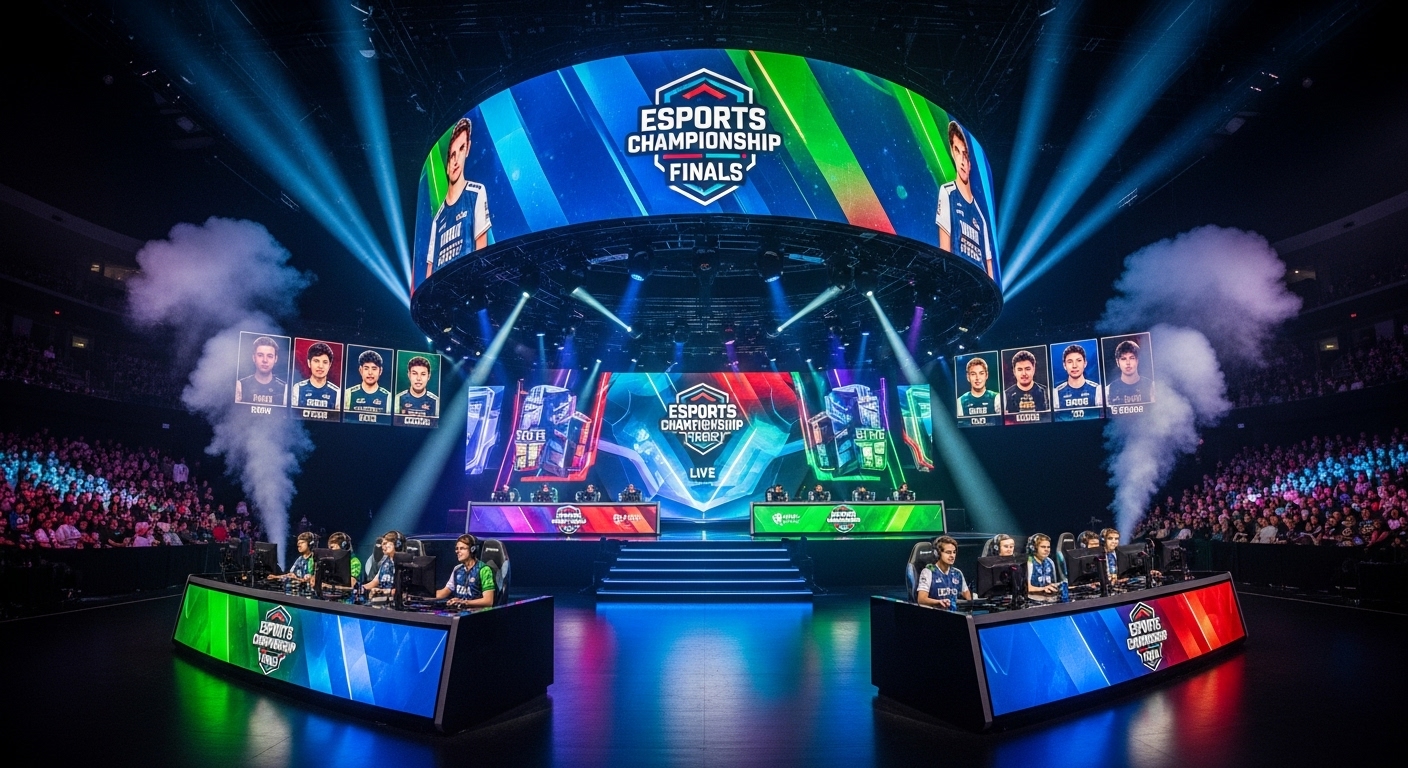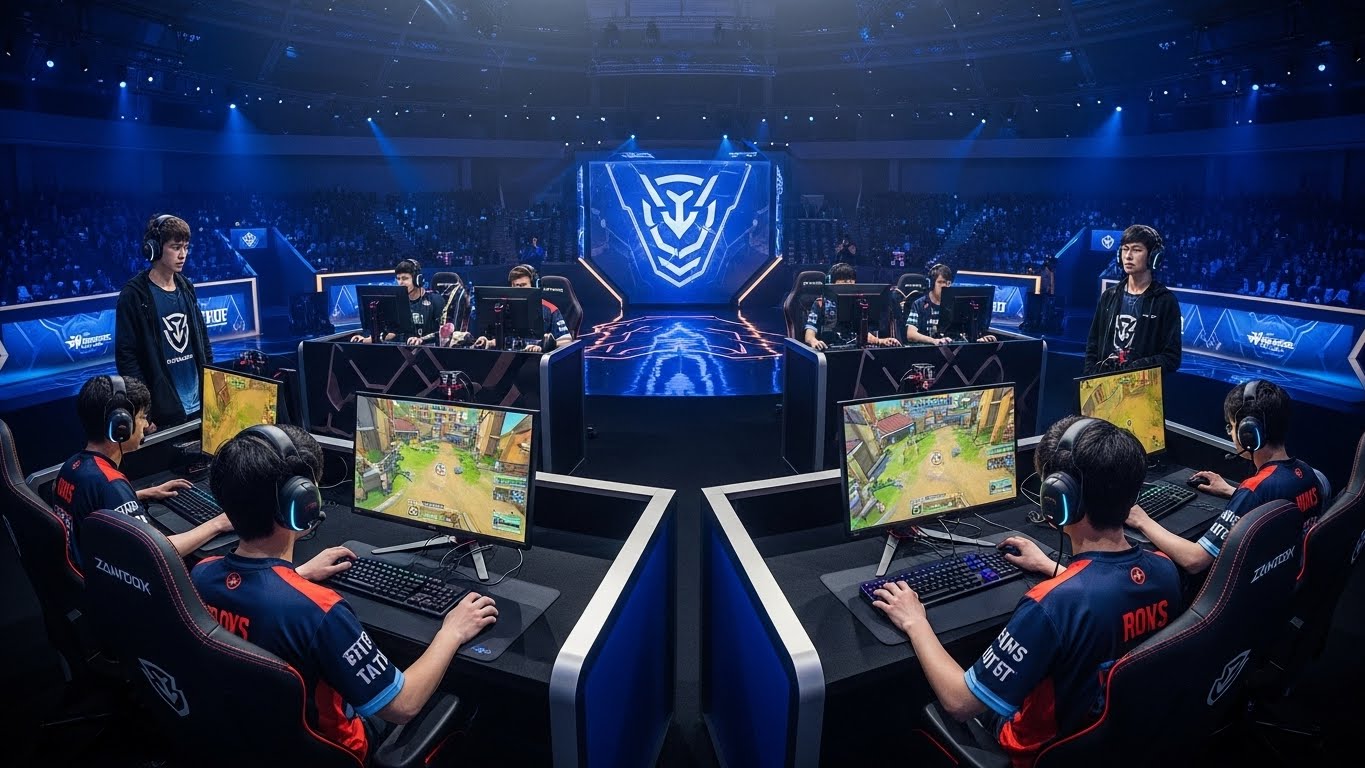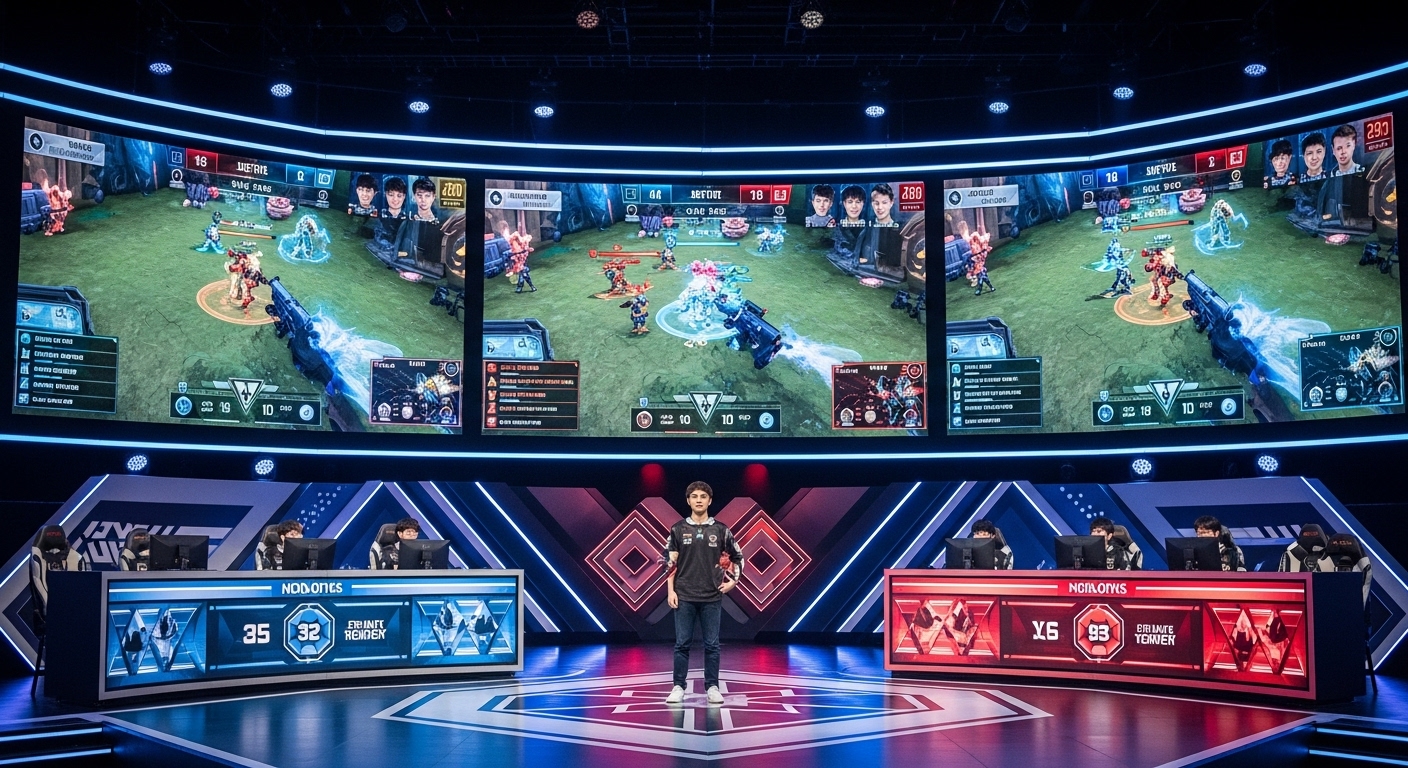
In recent years, esports has transformed from a niche subculture into a global powerhouse. What was once considered a hobby for a small group of enthusiasts is now a multi-billion-dollar industry with millions of fans, players, and spectators around the world. With tournaments being broadcasted on major streaming platforms, professional leagues, and corporate sponsorships, esports has firmly established itself as a dominant force in entertainment. In this blog post, we will explore the rapid growth of esports, its impact on the entertainment world, and what makes it such a unique and exciting form of competition.
The Growth of Esports: From Bedroom Battles to Arena Spectacles
Esports, at its core, refers to organized, multiplayer video game competitions where players or teams compete at the highest levels. The roots of esports date back to the early 90s when multiplayer games like Doom and Warcraft were first introduced. These games brought people together to play in local tournaments, often in small LAN (Local Area Network) parties. It was during this time that the seeds for the competitive gaming culture were sown.
By the late 2000s, with the rise of online gaming and platforms like Battle.net and Xbox Live, competitive gaming began to move beyond the local setting and became more accessible to a global audience. The launch of high-profile games like League of Legends, Counter-Strike, and Dota 2 set the stage for esports’ rapid expansion. These games not only introduced new competitive mechanics but also offered large-scale tournaments with eye-catching prize pools, creating the blueprint for modern esports.
As esports grew, so did its audience. What was once a hobby enjoyed by a few is now a spectacle watched by millions. Esports tournaments are broadcasted live to global audiences via streaming platforms like Twitch, YouTube, and Facebook Gaming, with some events even drawing in viewers equivalent to traditional sports broadcasts. Major tournaments like the League of Legends World Championship or The International for Dota 2 can attract viewership numbers that rival those of the Super Bowl or FIFA World Cup.
Why Esports Is So Popular: More Than Just a Game
Esports has become a cultural phenomenon for several reasons, with the most important being its accessibility. Unlike traditional sports, where physical skill and expensive equipment can be barriers to entry, esports only requires a computer, console, or smartphone and an internet connection. This has opened the door to players of all ages and backgrounds to participate in competitive gaming, making esports an inclusive and diverse community.
Another factor that has contributed to the surge in esports popularity is its social nature. Streaming platforms like Twitch have allowed fans to engage with their favorite players, teams, and games in real-time. Viewers can chat, cheer, and interact with the streamers, making the experience feel more personal and community-driven. Esports has also introduced new forms of entertainment beyond the traditional viewership model, such as fan-driven content, live interactions, and online tournaments, creating an interactive ecosystem where players and fans are constantly engaged.
Additionally, the competitive element of esports is what sets it apart from other forms of entertainment. Players are not just competing for the thrill of the game—they are competing for glory, sponsorships, fame, and multi-million dollar prize pools. The best players and teams in the world are constantly pushing the limits of what’s possible, making every match a thrilling, high-stakes experience for both participants and viewers.
Esports: A Multi-Billion Dollar Industry
What began as a grassroots movement has now grown into a global industry worth billions of dollars. In 2023, the global esports market was estimated to be valued at over $1 billion, with projections for continued growth in the coming years. This booming industry is fueled by several revenue streams, including sponsorships, advertising, media rights, ticket sales, and merchandise. Major brands such as Intel, Red Bull, Coca-Cola, and even traditional sports organizations have poured millions into esports, recognizing its massive potential.
Esports tournaments themselves have become massive events that rival traditional sports leagues in terms of viewership and sponsorships. Prize pools for major tournaments can reach into the tens of millions of dollars. For example, The International—the premier tournament for Dota 2—boasted a prize pool of over $40 million in recent years. The growing financial investment in esports has elevated the status of players, with top competitors earning impressive salaries, bonuses, and sponsorship deals.
The rise of esports has also given birth to new career paths. Beyond the players, the industry has created jobs in broadcasting, event management, marketing, content creation, and team management. Organizations such as Cloud9, FaZe Clan, and Team Liquid are now global brands, while streaming platforms provide opportunities for commentators, analysts, and even casual gamers to build lucrative careers. Esports has created an ecosystem that has proven to be sustainable, diverse, and, most importantly, profitable.
The Role of Professional Gamers: The Digital Athletes
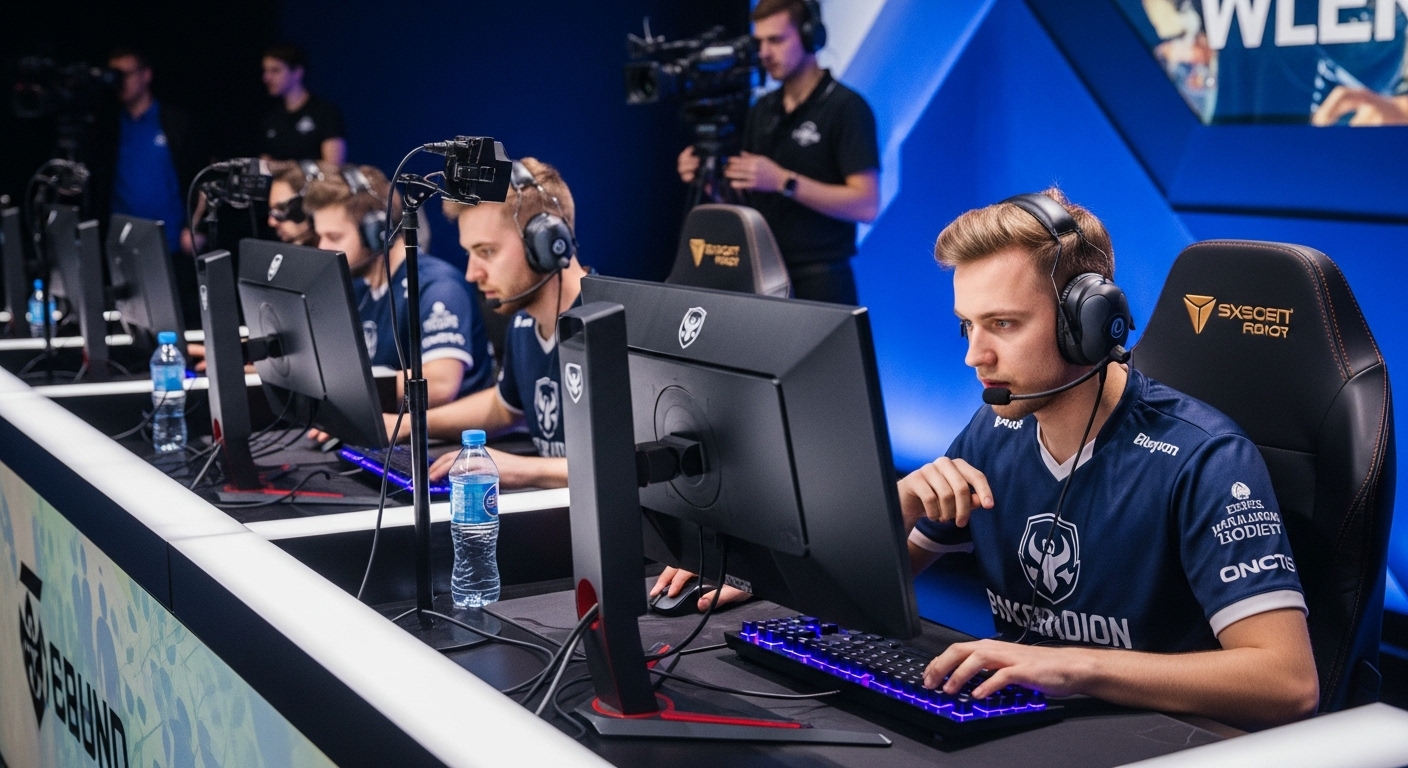
At the heart of esports is the players—the athletes of the digital age. Professional esports players are among the most skilled and dedicated individuals in the gaming world. Competing at the highest level requires not only exceptional reflexes and strategic thinking but also hours of practice, teamwork, and mental resilience.
The life of a professional esports player can be demanding. In addition to intense training schedules, players must constantly adapt to updates, patches, and changes in the competitive meta. Top players often train for up to 10 to 12 hours a day, refining their skills, studying opponents, and improving their in-game strategies. As in traditional sports, team dynamics, communication, and coordination play a critical role in achieving success.
However, the career of an esports player is also short-lived for many, as the physical and mental toll can be immense. Players often face burnout, and their careers can be relatively short, with many professional gamers retiring or transitioning into roles as coaches, streamers, or analysts once they hit their peak. Despite these challenges, the allure of fame, fortune, and the chance to compete on a global stage continues to draw young gamers from all over the world.
Esports’ Cultural Impact: Changing the Way We View Competition
Esports is not just a new form of entertainment—it’s changing the very concept of competition. The integration of digital technology into traditional competitive formats has created an entirely new type of sporting experience, one that blurs the lines between spectator sports, gaming, and entertainment. The rise of esports has challenged the traditional notions of what it means to be an athlete and what it means to compete at the highest levels.
For a younger generation, esports has become a mainstream form of entertainment, providing a platform for gamers to achieve celebrity status. Top players, streamers, and esports influencers are now household names, and their reach extends far beyond the gaming community. Social media, streaming platforms, and online communities have allowed fans to connect with their idols, creating a sense of intimacy and engagement that traditional sports often lack.
Esports has also helped bridge cultural divides, as gaming is a universal language that transcends borders. Esports tournaments bring together players from across the globe, celebrating diversity and fostering cross-cultural connections. Events are held in various countries, and the audience is just as diverse as the players themselves. This sense of global unity has played a huge part in the rise of esports as a cultural force.
The Future of Esports: Beyond Gaming
As esports continues to evolve, its future appears incredibly promising. The growing popularity of mobile gaming means that esports will continue to reach new audiences in emerging markets, particularly in Asia, where mobile esports tournaments are already gaining traction. The continued integration of virtual reality (VR) and augmented reality (AR) into gaming could further revolutionize the esports experience, making it more immersive for both players and fans.
We may also see more traditional sports organizations and media companies further invest in esports, blending the worlds of physical sports and digital competition. The expansion of collegiate esports programs and scholarships will likely continue to create pathways for young gamers to pursue professional careers.
Esports is no longer just a game—it’s a cultural and economic force that’s redefining the world of competition, entertainment, and media. Whether you’re a casual viewer or an aspiring professional, there’s no doubt that esports will continue to shape the future of global entertainment for years to come.