Introduction
eSports, short for electronic sports, has rapidly transformed from a niche interest into a global phenomenon. What began as a passion for competitive gaming has evolved into a multi-billion-dollar industry, drawing millions of viewers, players, and investors. From large-scale international tournaments with multi-million-dollar prize pools to the rise of professional players who are recognized as digital athletes, eSports has carved out its place in the entertainment world.
This blog explores the meteoric rise of eSports, the cultural shift it has triggered, its growing impact on traditional sports, and the exciting future of competitive gaming. Whether you’re an avid gamer, a casual viewer, or a newcomer curious about the world of eSports, this post will provide a comprehensive look at why eSports is more than just a trend—it’s a digital revolution.
The Rise of Competitive Gaming
Competitive gaming is not a new concept. It has its roots in arcade games from the 1970s and early 1980s. The idea of competing against other players for high scores was born with games like Space Invaders and Pong. However, these early arcade games did not have the infrastructure needed to build an organized competitive community. It wasn’t until the 1990s that competitive gaming began to evolve in a meaningful way.
As the internet became more widely available and multiplayer games gained popularity, competitive gaming started to expand beyond local competitions. In 1997, the first major international gaming competition, the Red Annihilation tournament for Quake, took place. This event marked a pivotal moment in eSports history, as it was one of the first large-scale, online gaming tournaments to attract players from all over the world. During this time, game developers began to realize that competitive gaming could be a viable entertainment model, and thus the foundations of professional eSports were laid.
The growth of real-time strategy (RTS) games like StarCraft in the late 1990s, particularly in South Korea, played a major role in bringing eSports into the mainstream. South Korea became a hotbed for competitive gaming, with TV channels broadcasting StarCraft matches, creating an entire ecosystem of professional gamers, coaches, and commentators. This helped establish the blueprint for modern eSports leagues that we recognize today.
eSports Today: A Professional Landscape
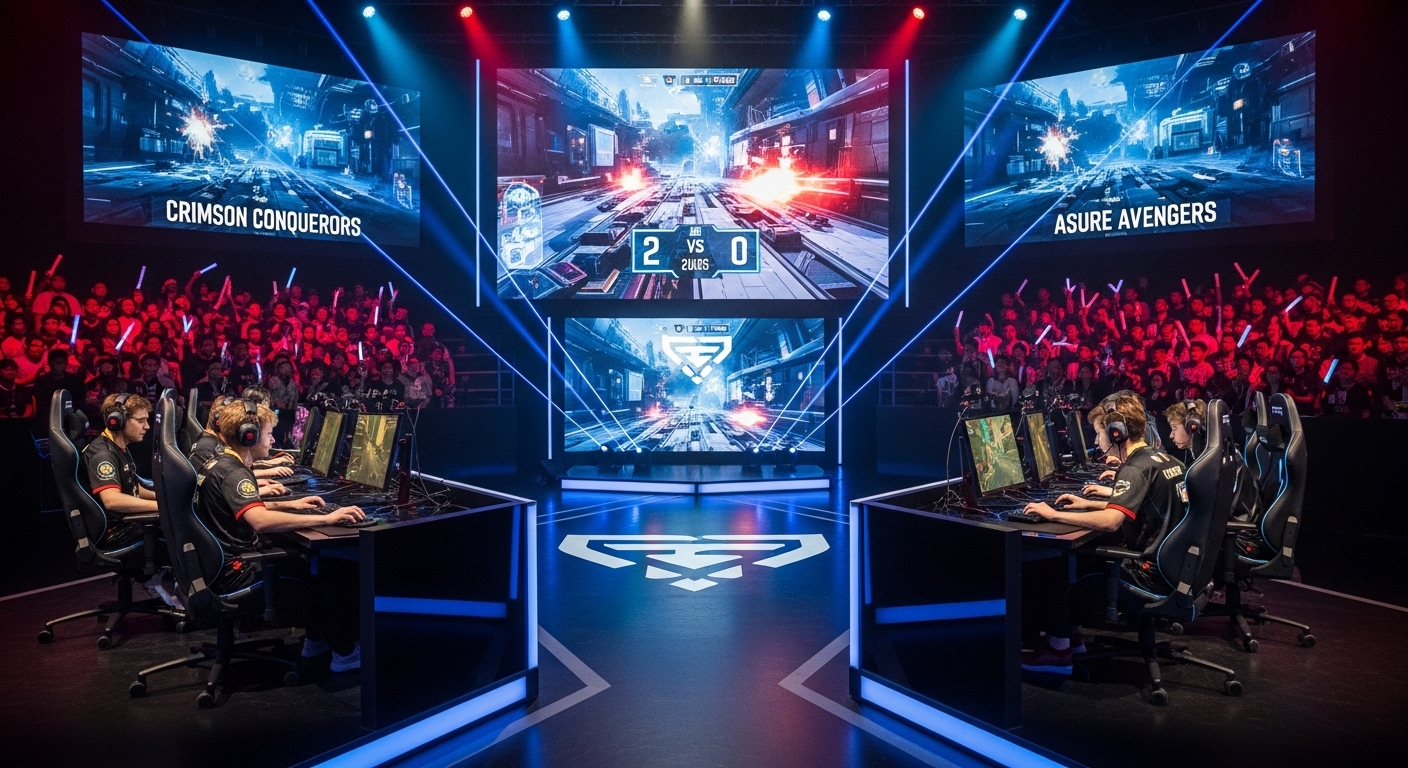
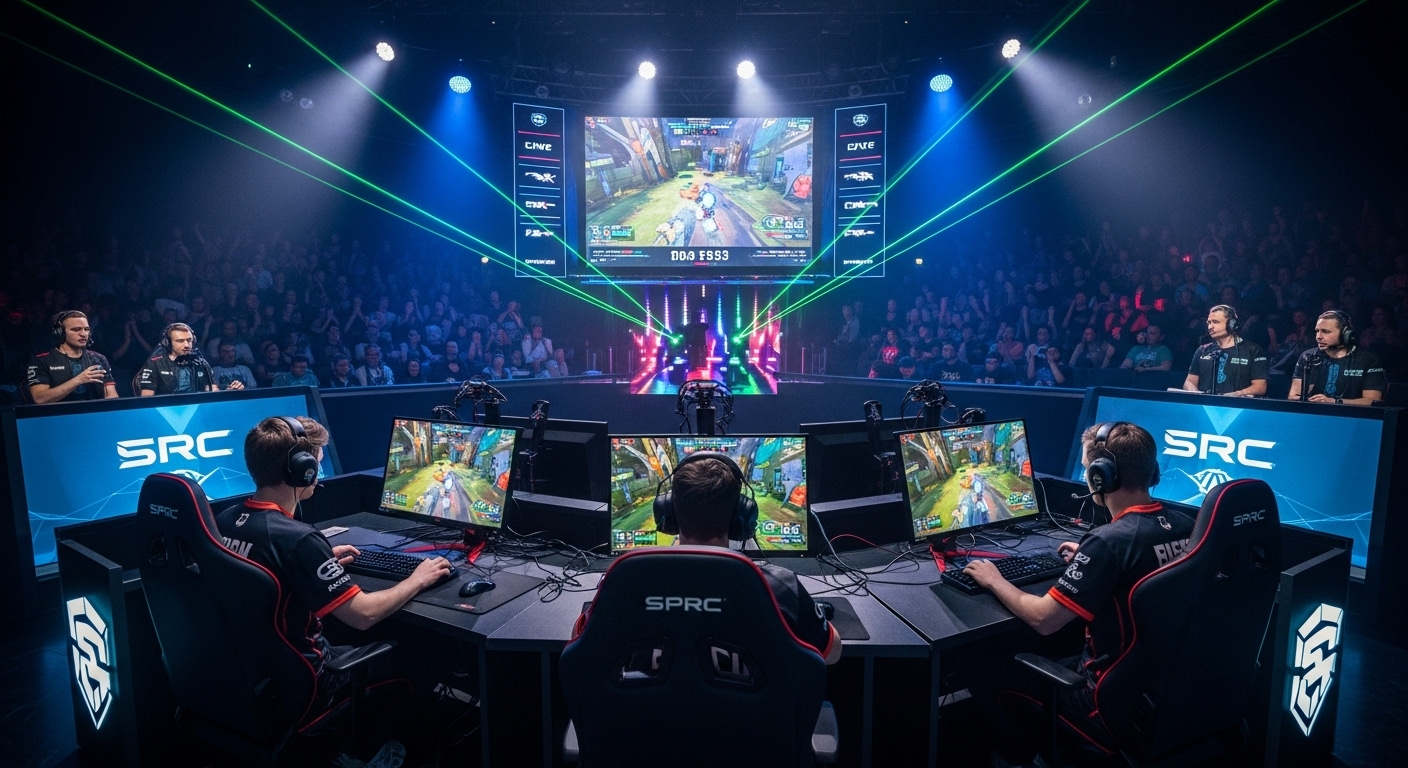
Today, eSports is a full-fledged industry with professional leagues, dedicated teams, and a thriving ecosystem of fans, sponsors, and media companies. The professionalization of eSports is one of its most defining characteristics. Just as in traditional sports, eSports athletes now undergo extensive training regimens, have agents and managers, and compete in high-stakes tournaments. The structure of modern eSports mirrors that of traditional sports, with team owners, coaches, and sponsors all playing key roles in the success of the athletes.
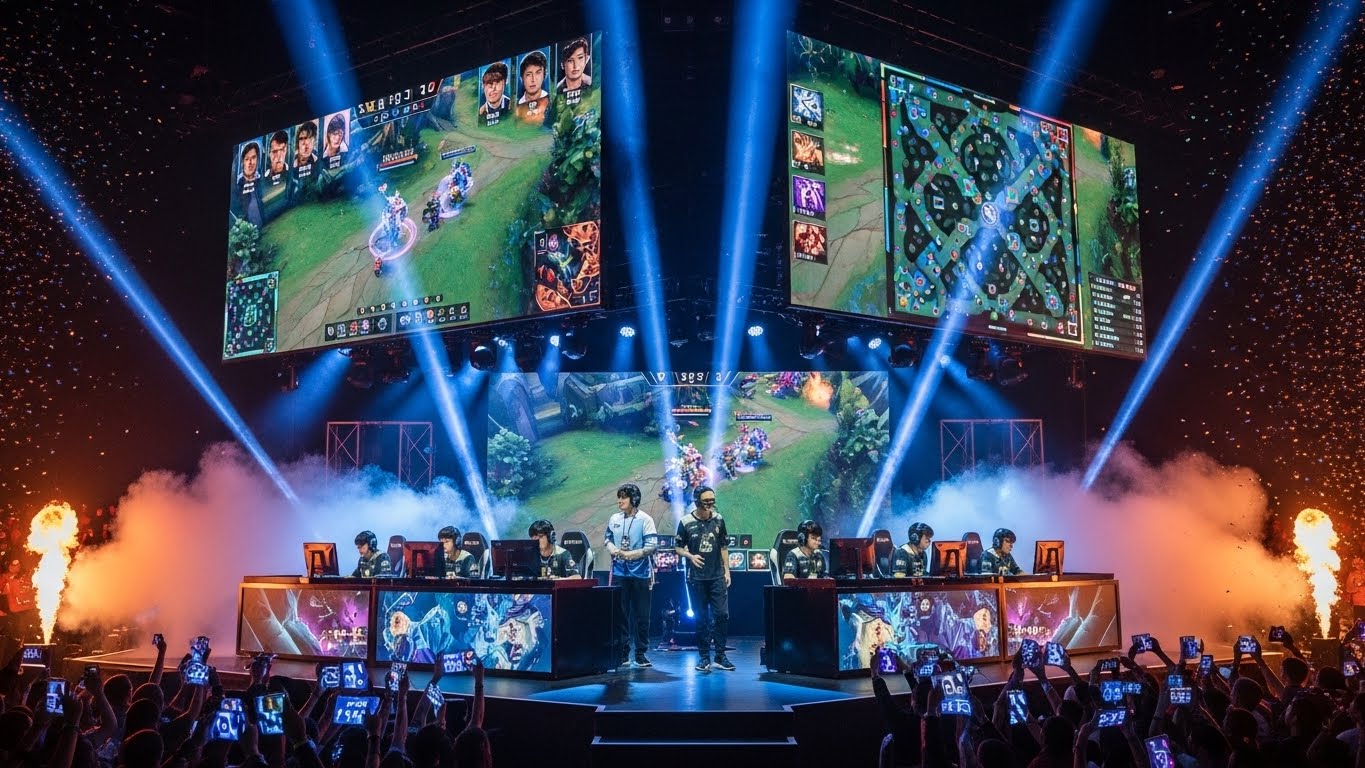
One of the most iconic and widely recognized eSports tournaments is the League of Legends World Championship, or Worlds, which has become a global spectacle since its inception in 2011. Teams from around the world compete in this tournament, and the event is broadcast to millions of viewers globally. In 2020, the Worlds championship peaked with over 3.8 million concurrent viewers, showcasing the massive appeal of competitive gaming.
Similarly, The International (TI) for Dota 2, another highly popular game, boasts one of the largest prize pools in the world, regularly surpassing $30 million. The prize pool for TI is largely funded through in-game purchases, such as skins and battle passes, allowing the community to directly contribute to the event’s growth. This innovative funding model is just one example of how eSports has carved out a sustainable business model that doesn’t rely solely on traditional media or sponsorships.
How eSports Became a Global Spectacle
The rapid rise of streaming platforms like Twitch and YouTube Gaming has played a crucial role in making eSports a global phenomenon. These platforms have allowed gamers and eSports organizations to broadcast their events live, enabling fans from all over the world to tune in, interact with players, and watch their favorite teams compete. The live-streaming model has made eSports accessible to millions of people, and it has given rise to a new breed of content creators—streamers—who are able to monetize their channels through subscriptions, donations, and sponsorships.
Twitch, in particular, has become synonymous with eSports. It started as a platform for gamers to live-stream their content but quickly expanded to include professional eSports tournaments, casual gameplay, and other gaming-related content. Major eSports tournaments, such as League of Legends and Counter-Strike: Global Offensive (CS:GO), are now broadcasted exclusively on Twitch, further solidifying the platform as the central hub for competitive gaming.
Streaming platforms have not only provided new ways for fans to consume content but have also allowed for a more interactive viewing experience. Fans can participate in live chats, ask players questions, or even directly support their favorite streamers through donations and subscriptions. This level of interaction has made eSports more engaging for fans, creating a sense of community and connection that is often lacking in traditional sports broadcasts.
The Financial Power of eSports
One of the primary drivers behind the explosion of eSports is its financial success. The global eSports industry is projected to surpass $1.5 billion in revenue in the coming years. This financial growth is fueled by a combination of sponsorships, advertising, media rights, and merchandise sales. Major global brands like Intel, Coca-Cola, Red Bull, and Nike have all invested heavily in eSports, recognizing the potential of the young, engaged, and tech-savvy audience that eSports attracts.
Sponsorships: Sponsorships are one of the largest sources of revenue for eSports organizations and tournaments. These deals provide funding for players, teams, and events, helping to support the professional infrastructure of eSports. In addition to the big names, a range of other companies—from gaming hardware manufacturers to fast food chains—are also involved in sponsoring eSports events, helping to bring additional attention to the sport.
Prize Pools: Prize money has become another major financial driver for eSports. Tournaments like The International (Dota 2) and League of Legends Worlds feature prize pools that rival those of traditional sports championships. These large prize pools not only provide a significant incentive for professional players but also attract sponsors and media attention, further boosting the financial viability of the industry.
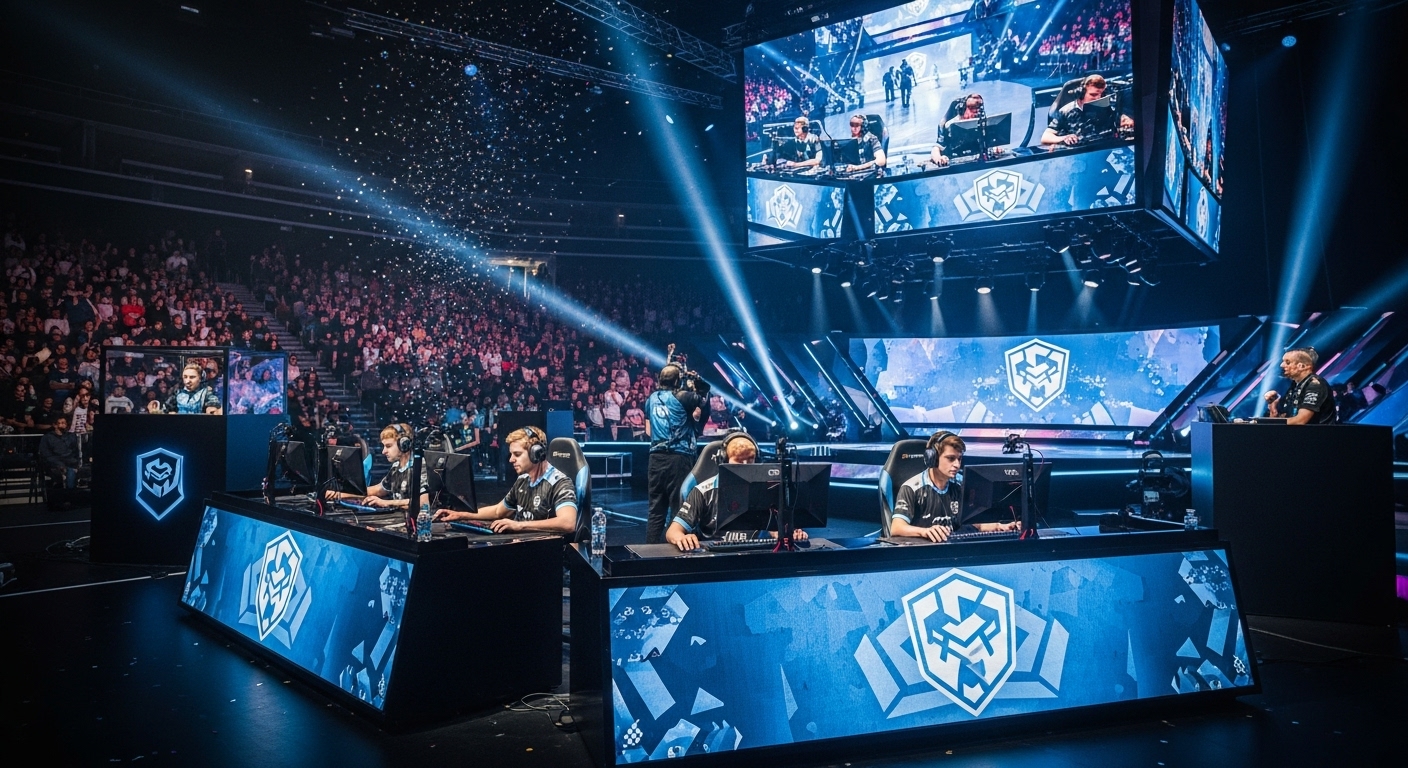
Merchandising and Ticket Sales: Merchandise is a significant revenue source for eSports teams and tournaments. Fans of specific teams can purchase jerseys, hats, and other branded apparel to show their support. Additionally, eSports events held in large venues—such as the League of Legends World Championship or Overwatch League matches—generate substantial revenue from ticket sales, food and beverage sales, and sponsorships.
The Cultural Impact of eSports
Beyond the financial and professional growth, eSports has also had a profound cultural impact. eSports has introduced a new kind of celebrity, with players achieving fame on a global scale. Players such as Faker, Dendi, and Ninja have become household names, not just in the gaming world but also in the broader entertainment industry. These players have built massive online followings, and many now have sponsorship deals, appearances in mainstream media, and even their own merchandise lines.
Moreover, eSports has helped to challenge traditional perceptions of sports and competition. While traditional sports require physical prowess, eSports tests mental agility, quick reflexes, and teamwork. The emergence of eSports has demonstrated that competition doesn’t always require physical strength but can be just as intense and rewarding through digital means. This has paved the way for a more inclusive approach to what constitutes a sport, and it has made competitive gaming appealing to a broader audience.
The Future of eSports: Challenges and Opportunities
As eSports continues to evolve, it faces several challenges. One of the key issues is the health and wellness of professional players. The intense practice schedules, long hours of gaming, and pressure to perform can take a toll on players both mentally and physically. The rise of player burnout, mental health challenges, and even physical strain from repetitive motions has prompted calls within the industry for more structured support systems for players.
Additionally, as eSports grows, it will face increasing competition for viewership and sponsorships. The industry’s continued success will depend on its ability to innovate, stay relevant, and maintain fan engagement. The integration of new technologies, such as virtual reality (VR) and augmented reality (AR), could help create even more immersive experiences for both players and viewers.
On the opportunity front, the integration of mobile gaming into the eSports ecosystem presents an exciting possibility for the future. Games like Clash Royale and PUBG Mobile have already demonstrated the potential for competitive gaming on mobile devices. This opens the door for a new wave of players and fans, particularly in regions where traditional PC gaming may not be as accessible.
Conclusion
eSports is no longer just a hobby for gamers—it’s a global entertainment powerhouse that is changing the way we think about sports and competition. With professional leagues, sponsorships from global brands, massive tournaments, and millions of fans worldwide, eSports is poised to continue its meteoric rise. As technology continues to evolve, and new games and formats emerge, the future of eSports is filled with endless possibilities.
Whether you’re a fan or a newcomer, one thing is clear: eSports is here to stay. It has redefined what it means to be an athlete, created new career opportunities, and connected a global community of passionate fans. The digital sports revolution is just beginning, and the world is watching.