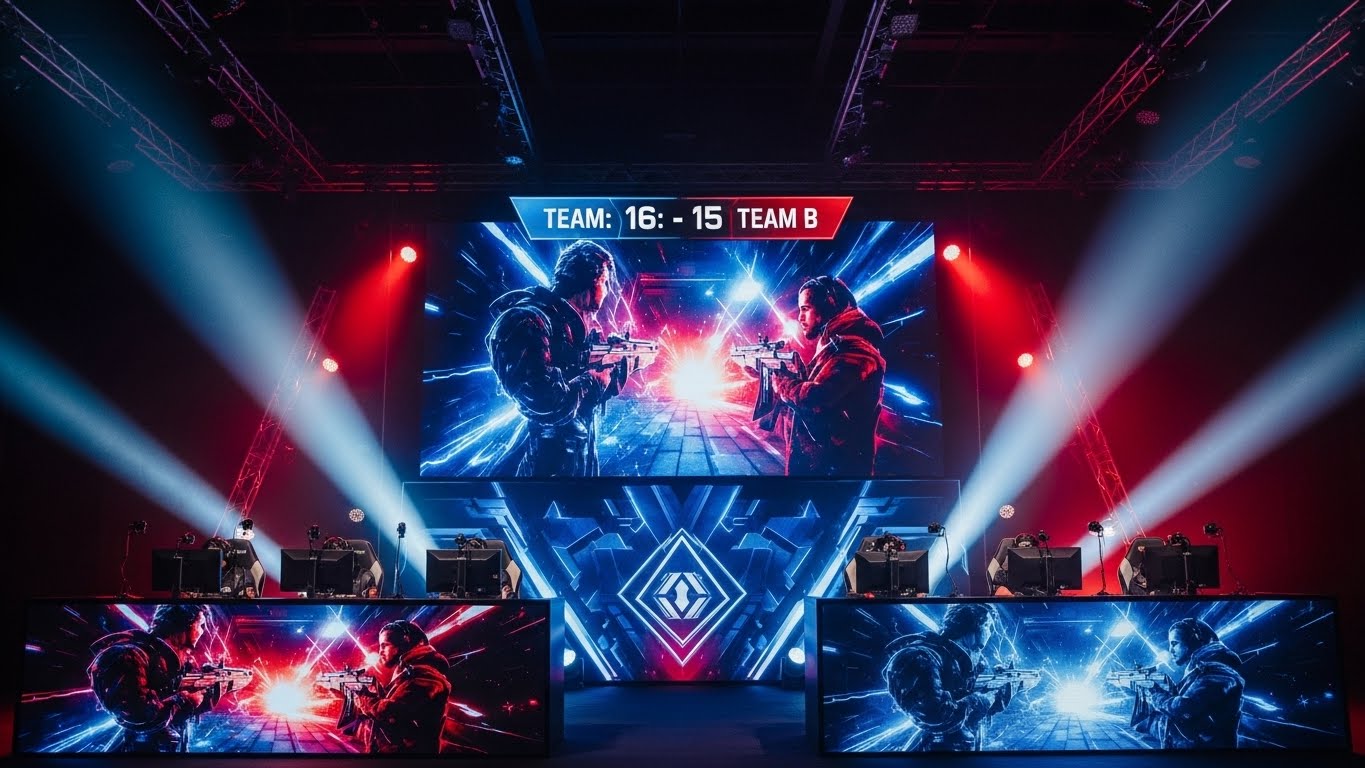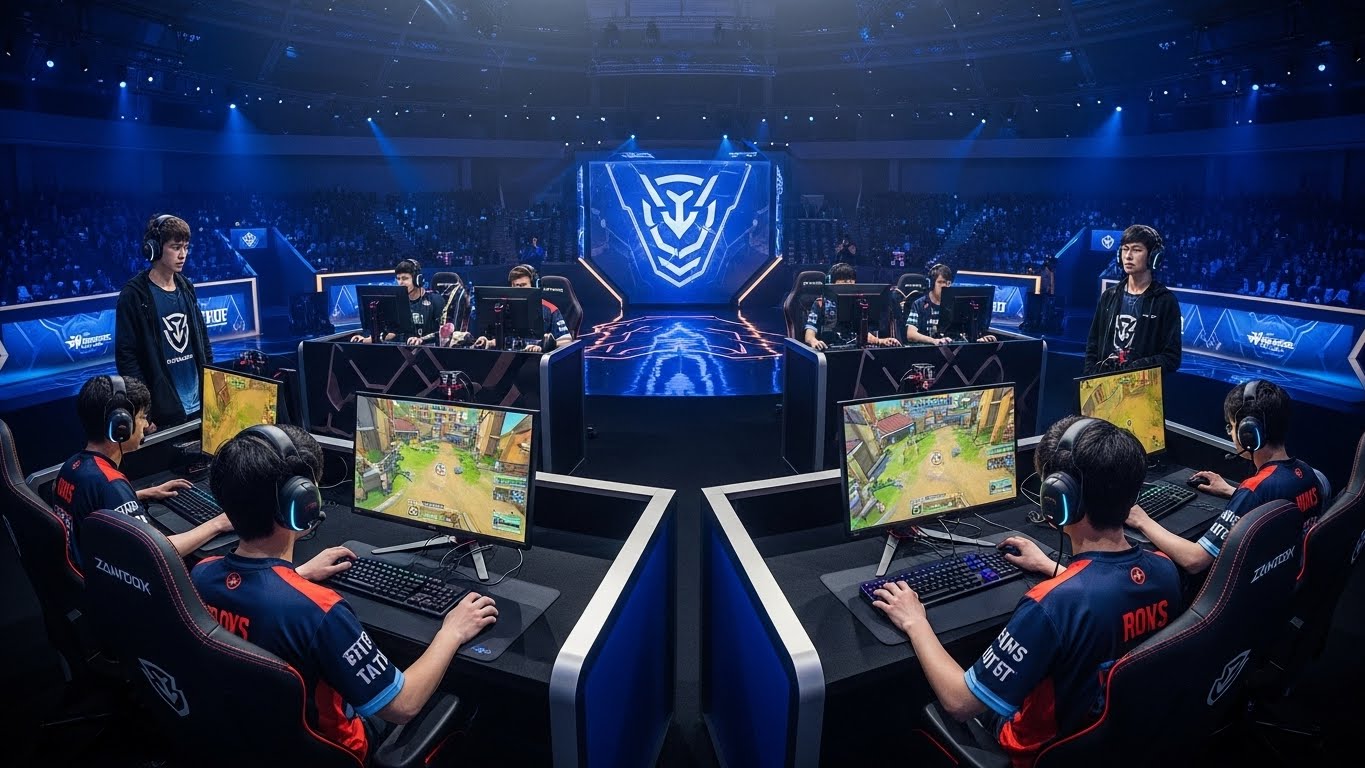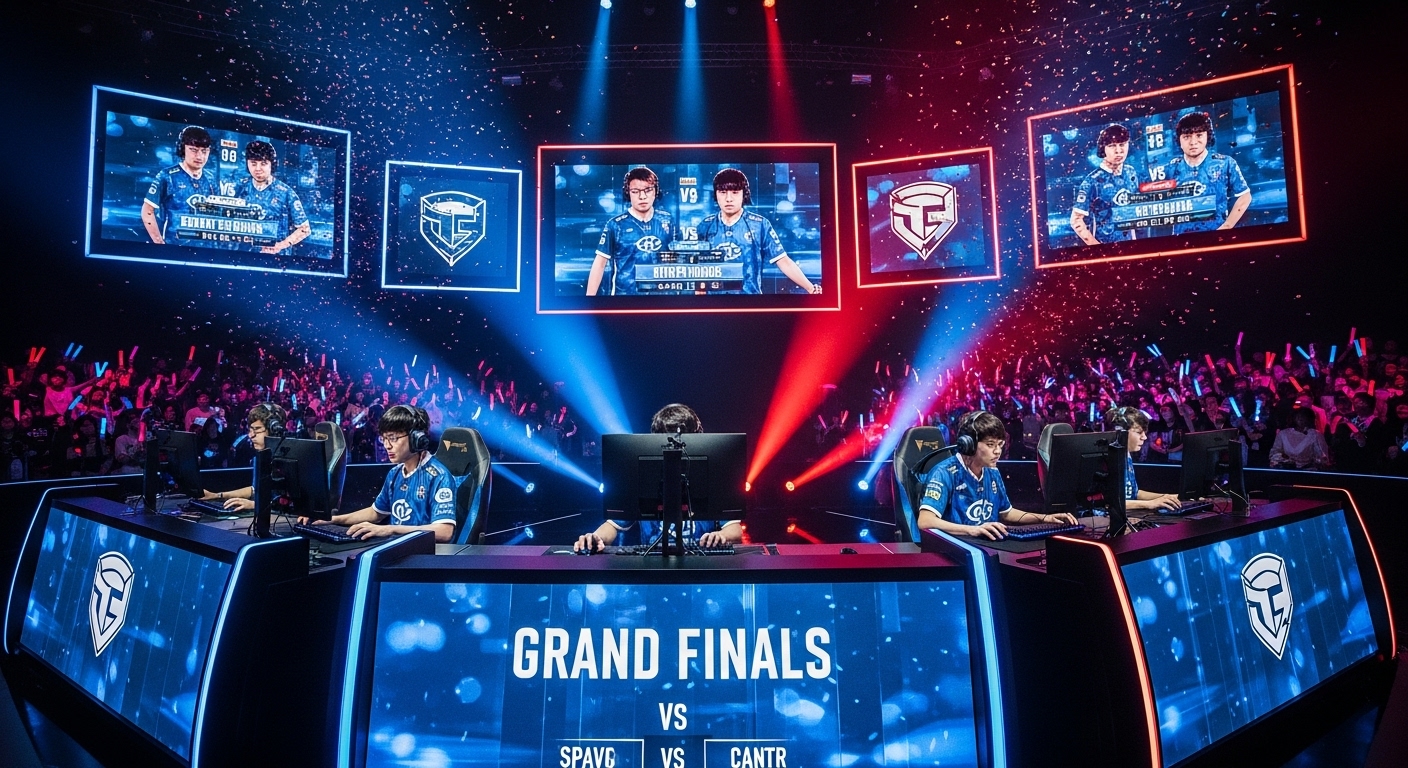
Over the past few decades, competitive gaming has evolved from a niche hobby into a globally recognized form of entertainment, with esports at the center of this transformation. What was once seen as a subculture for diehard gamers has now become a multi-billion-dollar industry, with millions of players, viewers, and enthusiasts engaging in professional competitions every year. Esports events fill stadiums, attract sponsors from Fortune 500 companies, and have even been broadcast on major television networks. This blog will explore the rise of esports, its current impact on the entertainment industry, and where it’s headed in the future.
What is Esports?
At its core, esports is the world of organized, multiplayer video game competitions, particularly between professional players, individually or as teams. While the term “esports” might conjure up images of large-scale tournaments with extravagant prize pools, the history of competitive gaming began long before these high-stakes events came to life.
The competitive gaming landscape initially started with LAN (Local Area Network) parties, where players gathered in person to play games in a competitive environment. Over time, the advent of faster internet connections and more complex game titles opened up opportunities for online competitions, and gaming platforms began to emerge. This marked the foundation of the esports industry as we know it today, but the transition from a small, hobby-based activity to a global phenomenon took years of development.
The Early Years: From Arcade Games to Global Tournaments
The roots of esports can be traced back to the late 20th century when video games first gained popularity. The early days of competitive gaming can be seen in the 1970s, with arcade games like Pong and Space Invaders becoming mainstream. However, it wasn’t until the 1990s that competitive gaming began to take shape in the form of LAN parties and local tournaments.
In 1997, the Red Annihilation tournament for the game Quake was held, marking one of the first major esports competitions. This tournament was a watershed moment, not only because of its scope but also because it offered a cash prize. It was a sign that esports had the potential to become more than just a casual hobby for enthusiasts.
The next big step came in 2000 when the World Cyber Games (WCG) was launched, followed by the Electronic Sports World Cup (ESWC) in 2003. These events were among the first to feature large-scale global competitions with substantial prize pools and attracted competitors from all around the world.
The Explosion of Esports: 2010s and Beyond
The esports landscape dramatically expanded in the 2010s, thanks to the emergence of blockbuster games like League of Legends, Dota 2, and Counter-Strike: Global Offensive. These titles became the focal point of esports tournaments, drawing millions of viewers from across the globe. The rise of streaming platforms like Twitch and YouTube Gaming played a crucial role in this expansion by providing a way for fans to watch live tournaments from their homes.
The League of Legends World Championship, which debuted in 2011, quickly became one of the most-watched esports events in the world. It became so popular that it began to rival traditional sporting events in terms of viewership. By 2019, the tournament had attracted more than 100 million viewers globally, with the final match being broadcast to millions of people worldwide. These tournaments helped solidify esports as a legitimate, mainstream form of entertainment.
Similarly, The International, the annual Dota 2 tournament, garnered enormous attention with its multi-million-dollar prize pool, driven by crowd funding from the gaming community. This proved that competitive gaming could not only generate massive online audiences but also offer substantial financial rewards for the players involved.
Esports as a Professional Career
One of the most fascinating aspects of esports is the professionalization of the players themselves. In the past, competitive gaming was something that players did on the side, often balancing it with their studies or other jobs. Today, esports has become a full-time career for many players, coaches, analysts, and streamers.
Professional esports players train for hours every day, refining their skills, studying strategies, and building team cohesion. Like traditional athletes, esports players must maintain peak performance, which involves both physical and mental preparation. Teams now have full-time coaches, psychologists, and analysts who help them stay competitive. Some even have physical trainers to help players maintain their health and stamina during long gaming sessions.
In addition to the players, there’s an entire ecosystem of support professionals working behind the scenes, including commentators, production teams, event organizers, and sponsors. Together, they help create the spectacle that draws millions of viewers to major esports events.
The Financial Side of Esports
Esports is not only an exciting form of entertainment; it’s also a booming industry. The financial side of esports is just as impressive as its growth in viewership. According to reports, the global esports market was valued at over $1 billion in 2023, with revenues coming from several sources.
Sponsorships are the biggest revenue generator in esports. Brands from all industries, including technology companies, automotive giants, and even soft drink manufacturers, have seen the massive potential in esports and have become sponsors of teams, tournaments, and streaming platforms. The influx of sponsorship dollars has allowed esports organizations to expand, sign new players, and invest in training infrastructure.
Media rights are another significant source of income. Just as traditional sports leagues like the NFL or NBA have broadcasting deals, esports organizations also sell media rights to stream their events on platforms like Twitch or even on traditional television networks. The growth of esports viewership has made it an attractive option for broadcasters and advertisers, as they seek to tap into younger, tech-savvy audiences who may not be interested in traditional sports.
Merchandising and ticket sales are also crucial components of esports’ financial ecosystem. As esports teams grow in popularity, they sell branded merchandise like jerseys, caps, and other fan gear. Tournaments like The International and League of Legends World Championship also sell tickets for in-person events, allowing fans to witness the action live and contribute to the overall revenue of the tournament.
The Global Appeal of Esports
One of the reasons esports has exploded in popularity is its global appeal. Unlike traditional sports, which are often geographically limited, esports transcends borders. Players from different parts of the world can compete against each other in real time, breaking down language and cultural barriers.
In countries like South Korea, esports has been recognized as a national sport. South Korea has produced some of the best esports players in the world, particularly in games like StarCraft, League of Legends, and Overwatch. In fact, the country has an entire infrastructure built around esports, including specialized gaming houses where teams live and train.
China and the United States are also major esports powerhouses, with massive fanbases and growing competitive scenes. China, in particular, is home to some of the largest esports organizations, and the Chinese government has supported the growth of esports in the country, even creating policies to promote it as a recognized career path.
Europe, Southeast Asia, and Latin America are also key players in the global esports ecosystem, contributing to the wide appeal of competitive gaming. As internet access and gaming infrastructure continue to improve globally, more and more regions are becoming key contributors to the esports scene.
The Future of Esports: Emerging Trends and Innovations
As esports continues to grow, new technologies and trends will shape its future. One of the most exciting possibilities is the integration of Virtual Reality (VR) and Augmented Reality (AR) into esports competitions. VR and AR could offer immersive gaming experiences that take esports to a whole new level, allowing players and viewers alike to experience competitions in three-dimensional, interactive environments.
Mobile esports is also on the rise. With mobile gaming becoming more powerful, competitive titles like PUBG Mobile, Mobile Legends, and Clash Royale are drawing massive audiences, especially in Asia. Mobile esports is opening up new markets and expanding esports beyond the traditional PC or console-based competitions.
Additionally, the rise of college esports in North America is changing the landscape of esports education and recruitment. Many universities now offer esports scholarships and have created official teams to compete at the collegiate level. This is providing young players with opportunities to pursue competitive gaming as a career path while also earning an education.
Finally, there’s the prospect of esports being included in traditional sporting events like the Olympics. Although this is still a topic of debate, the growing interest in esports from international sporting organizations indicates that the inclusion of esports in the Olympic Games may not be far off.
Conclusion: The Digital Future of Competitive Sports
Esports has come a long way since its humble beginnings, and it is now one of the most exciting and rapidly growing industries in the world. With its massive global fanbase, professional career opportunities, and increasing financial support, esports is poised to continue its rise and reshape the way we think about competition and entertainment.
The future of esports is bright, with innovations in technology, new game titles, and broader cultural acceptance fueling its ongoing success. As the world becomes increasingly digital, esports will continue to evolve, offering new experiences for players and fans alike. Whether you’re a lifelong gamer or someone new to the world of competitive gaming, one thing is clear: esports is here to stay, and its impact on the entertainment world will only continue to grow.