Introduction
Esports, or competitive video gaming, has grown from a niche hobby into a global phenomenon that engages millions of fans, players, and investors. What was once considered a pastime for a few gaming enthusiasts has now transformed into a professional industry with international tournaments, massive prize pools, and a global fan base. Esports is no longer just about playing games; it has become a form of entertainment, a career path, and a cultural movement. Understanding its rise offers insight into how technology, culture, and competition intersect in the modern world.
The Origins of Esports
The story of esports begins decades ago, long before online streaming and professional teams became standard. In the 1970s and 1980s, arcade competitions were the first organized platforms for gamers to test their skills. Players would gather in arcades or at local tournaments to compete for high scores and small prizes. These early competitions demonstrated the appeal of competitive gaming and laid the foundation for the esports industry. With the introduction of home consoles and personal computers in the 1990s, gaming became more accessible, enabling the formation of leagues and competitions such as the Red Annihilation tournament for Quake, which is widely recognized as one of the first professional gaming events.
The Online Revolution
The early 2000s saw the rise of online gaming, which dramatically transformed esports. High-speed internet allowed players from around the world to compete in real-time, breaking down geographical barriers. Games like StarCraft, Counter-Strike, and Warcraft III became staples of competitive play, fostering communities of players and fans who engaged deeply with the games. Online platforms also enabled live spectating, allowing fans to follow their favorite players and teams from anywhere in the world. This revolution created a global esports culture that connected players, fans, and organizers like never before.
Professionalization of Gaming
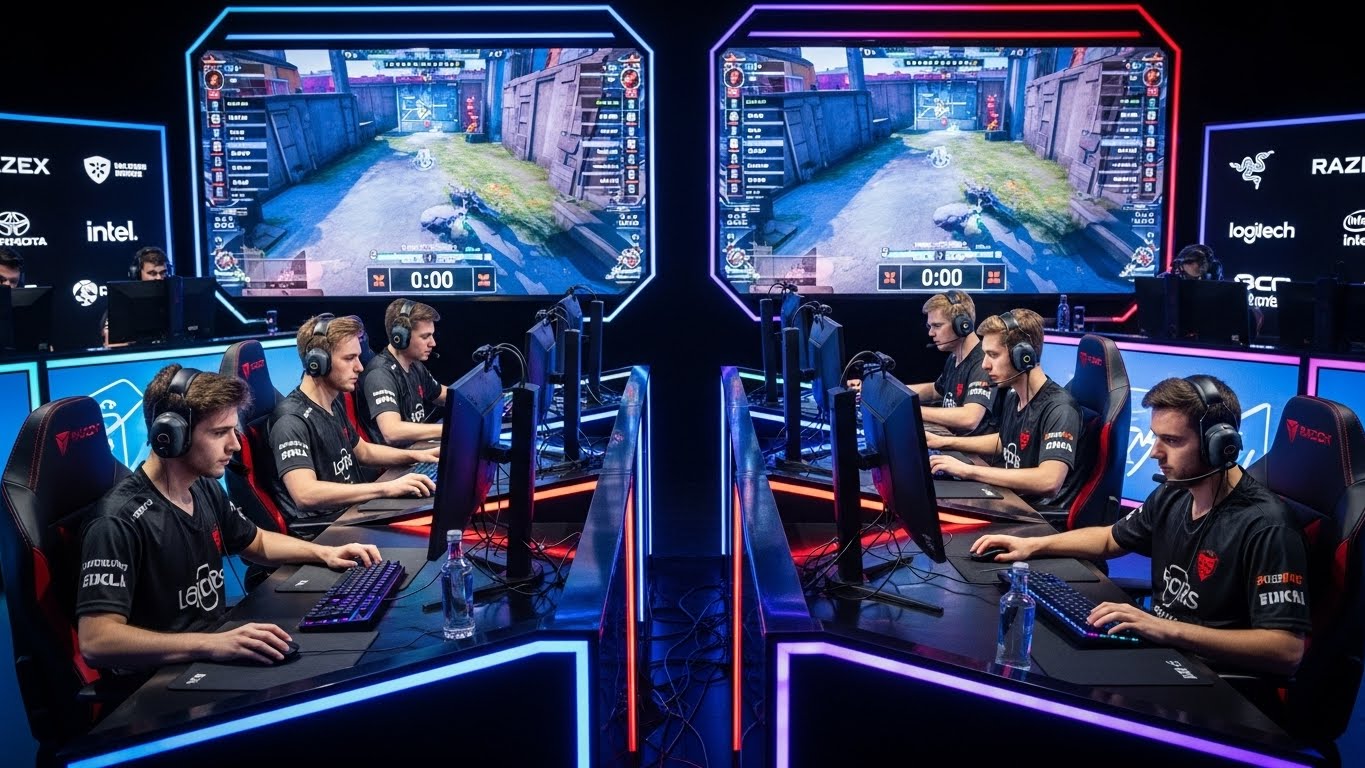
Esports has evolved into a legitimate profession with rigorous training, coaching, and strategic preparation. Professional players dedicate hours daily to improve skills, analyze opponents, and develop team strategies. The commitment rivals that of traditional athletes, with players often following strict schedules, physical fitness routines, and mental health practices. Tournament victories can lead to significant financial rewards, sponsorship deals, and global recognition. Beyond players, esports careers now include coaches, analysts, commentators, event organizers, and content creators. This professional ecosystem has helped esports gain credibility and legitimacy as a competitive sport.
Global Esports Landscape
Esports has expanded globally, with significant activity across Asia, Europe, North America, and emerging markets like Latin America and Africa. In Asia, countries such as South Korea and China have established structured leagues and professional teams, particularly in games like League of Legends and Dota 2. Europe and North America boast large-scale tournaments, robust infrastructure, and strong sponsorship deals. Emerging regions are also seeing rapid growth, as increasing access to technology allows more people to participate and spectate. The global reach of esports has created a diverse and interconnected community, fostering cultural exchange and shared passion for gaming.
Technology and Its Role in Esports
Technology is central to the growth and sustainability of esports. High-speed internet, advanced gaming hardware, and innovative software make competitive gaming possible and enjoyable. Live streaming platforms have revolutionized the spectator experience, allowing fans to watch live competitions, interact with players, and access unique content. Technology also enables data-driven approaches, with teams using performance analytics and artificial intelligence to refine strategies, scout talent, and improve training methods. The integration of cutting-edge technology ensures that esports continues to evolve and attract new audiences.
Community and Culture in Esports
Esports has fostered strong communities that extend beyond the games themselves. Fans engage with players and teams through social media, forums, and live events, creating shared experiences and a sense of belonging. Online communities facilitate discussions about gameplay strategies, highlight achievements, and offer support for newcomers. Local gaming clubs and esports cafes further strengthen community ties, providing spaces for social interaction and collaboration. The cultural impact of esports is significant, influencing fashion, music, media, and even education, as universities now offer scholarships and programs for esports athletes.
Economic Impact of Esports
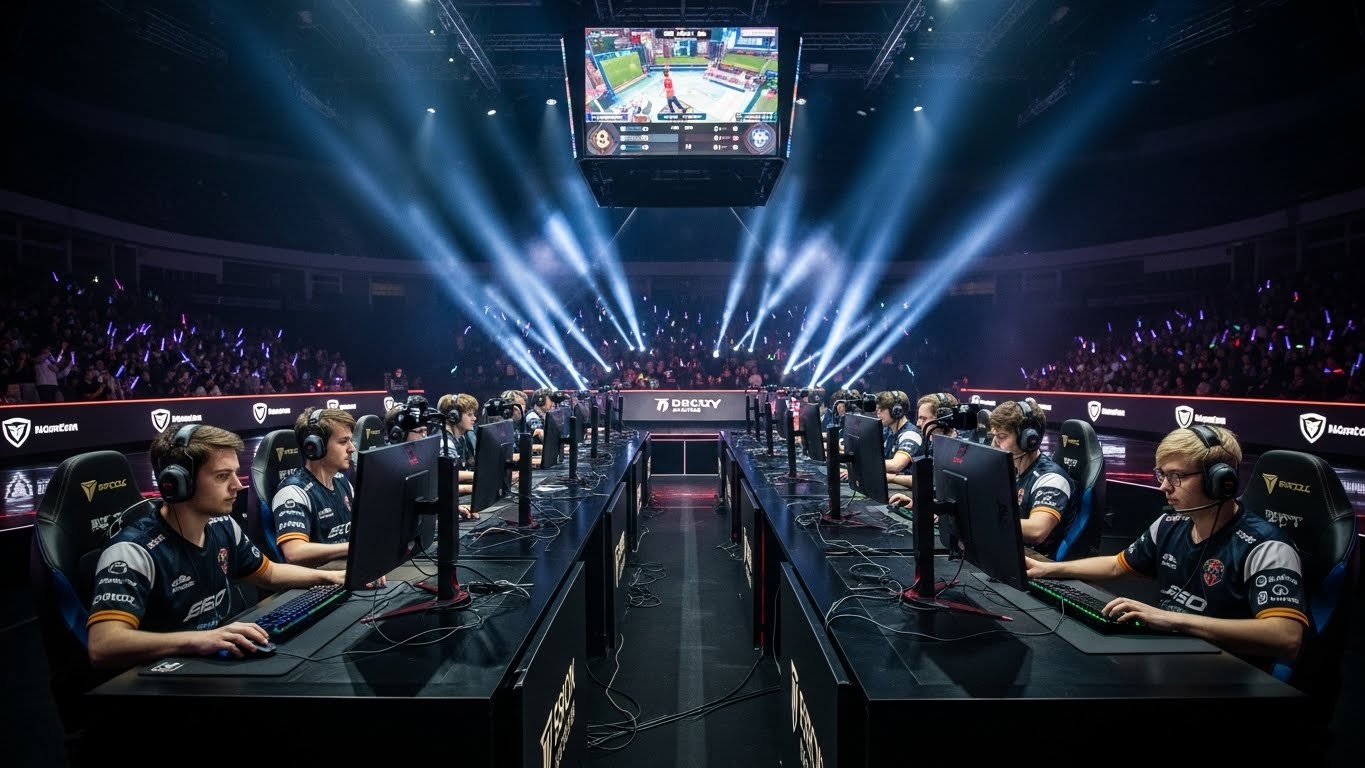
The economic impact of esports is substantial, with the industry generating billions of dollars through tournaments, sponsorships, merchandise, and media rights. Major brands see esports as a marketing opportunity to reach younger audiences, sponsoring teams and tournaments to increase brand visibility. Esports events also contribute to local economies, attracting tourism, creating jobs, and stimulating related industries such as hospitality and technology. The financial growth of esports demonstrates its potential to rival traditional sports industries while providing innovative ways to engage audiences and monetize entertainment.
Challenges in Esports
Despite its rapid growth, esports faces challenges that must be addressed for sustainable development. Player health is a major concern, with long hours of gaming potentially leading to physical strain, mental fatigue, and burnout. The perception of esports as a “real sport” remains debated, affecting investment and recognition from traditional sports institutions. Regulatory issues such as standardizing tournament rules, ensuring fair play, and managing player contracts are ongoing concerns. Addressing these challenges requires collaboration between stakeholders, including players, organizers, and governing bodies, to ensure a safe and credible industry.
The Future of Esports
The future of esports is promising, with advancements in technology, broader accessibility, and increasing investment driving continued growth. Virtual reality and augmented reality could redefine gameplay, offering immersive experiences for players and spectators. Mobile gaming is expanding esports’ reach, making competitive play accessible to a larger audience. Integration with mainstream entertainment, including collaborations with music, movies, and traditional sports, may further enhance esports’ cultural relevance. As esports continues to evolve, it is poised to become an even more influential and enduring form of entertainment.
Conclusion
Esports has transformed the world of gaming into a global, professional, and culturally significant industry. From humble beginnings in local arcades to international tournaments watched by millions, esports has grown into a phenomenon that blends competition, entertainment, and community. Its rise demonstrates how technology and culture can intersect to create entirely new forms of engagement and opportunity. While challenges remain, the industry’s growth, innovation, and resilience suggest that esports will continue to shape the future of entertainment for generations to come. Gaming is no longer just a pastime—it is a competitive, professional, and influential force that has redefined the concept of sports and entertainment in the digital age.