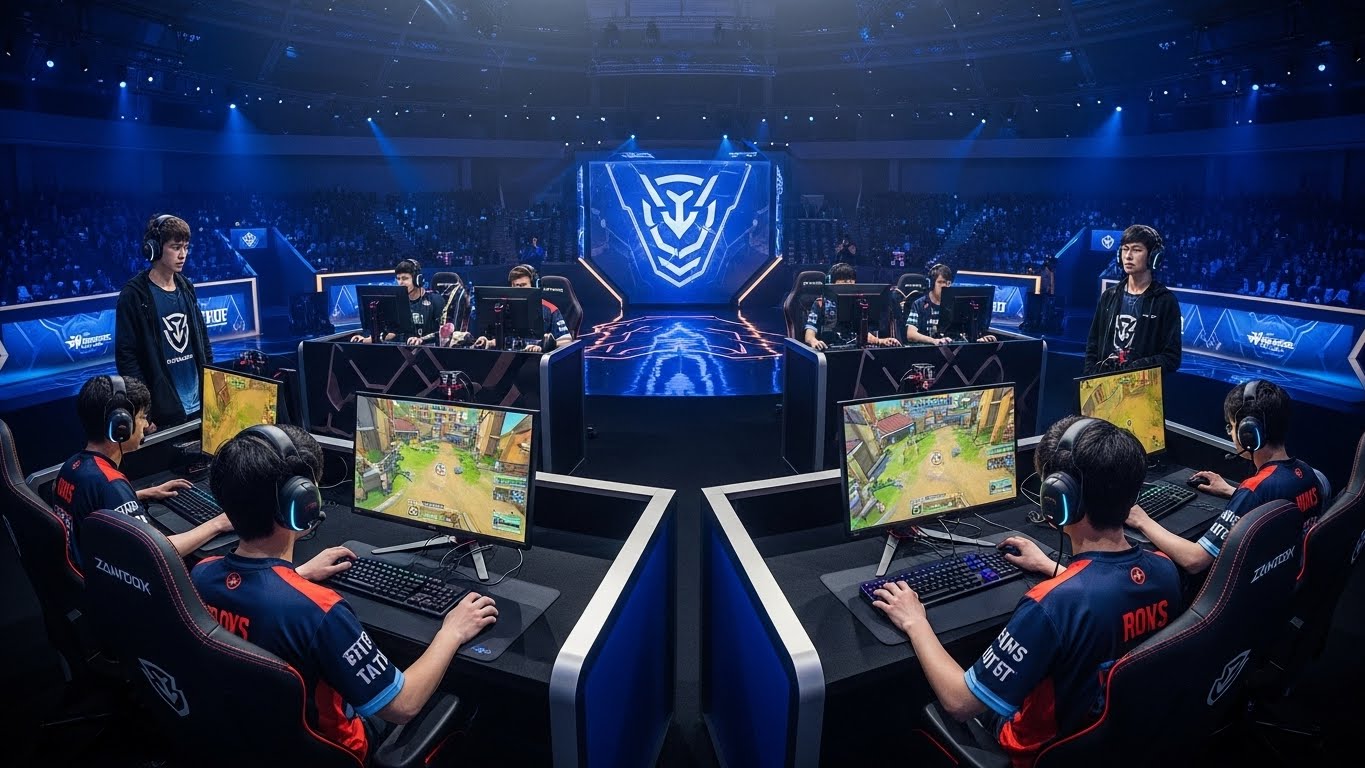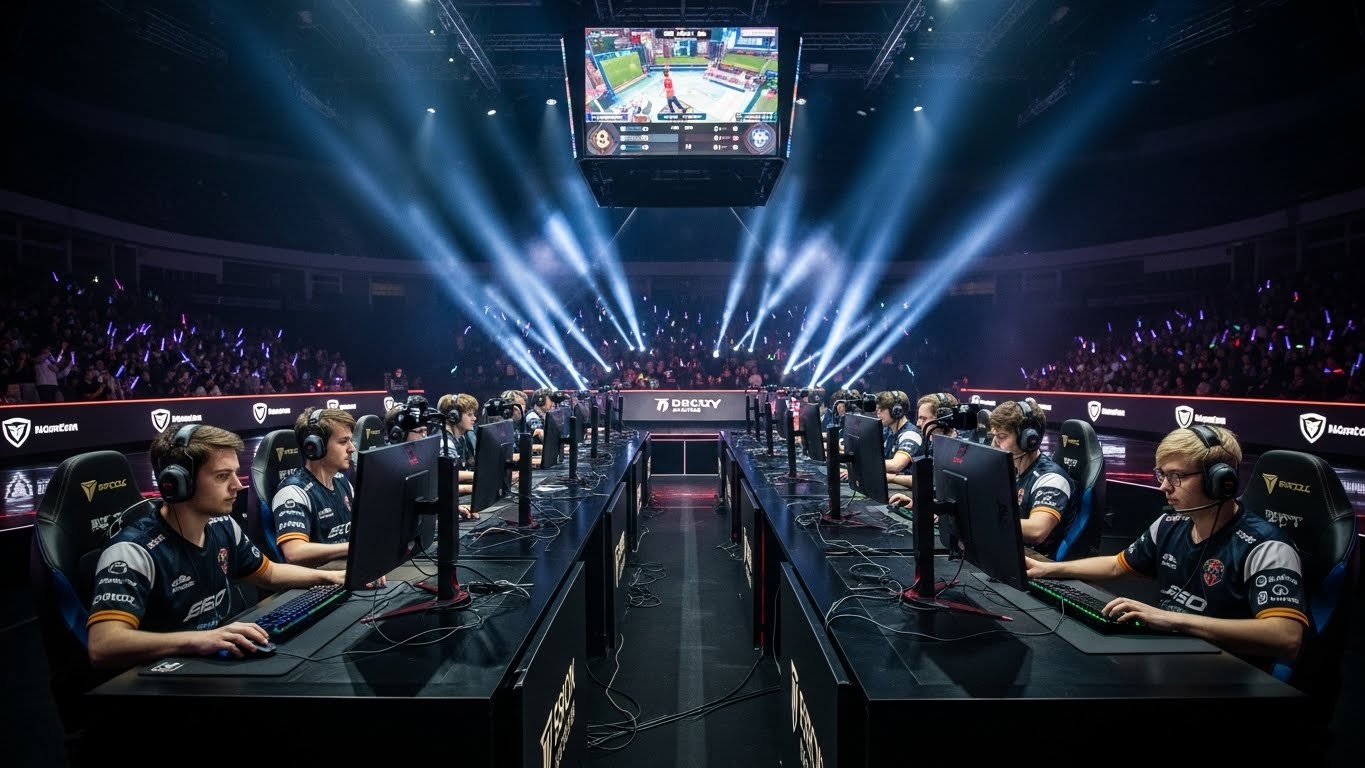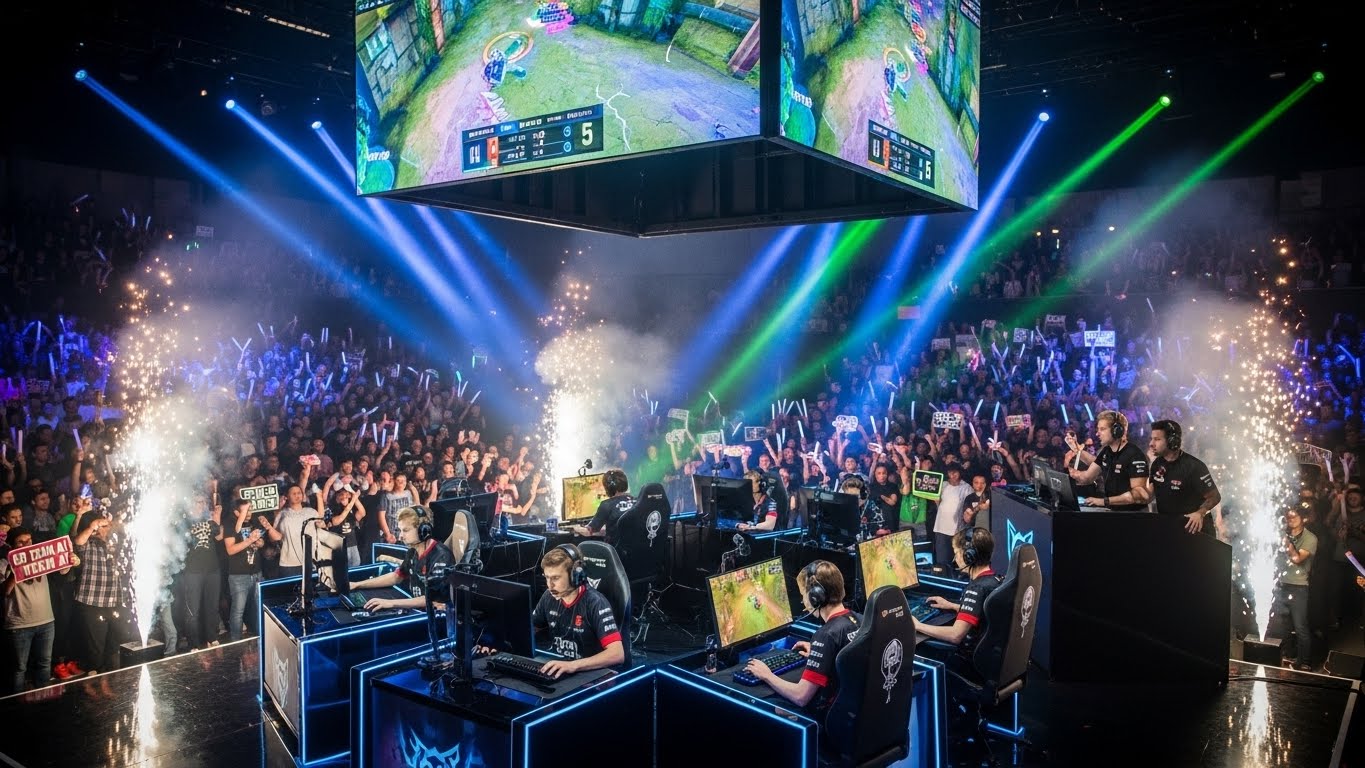
The world of entertainment has undergone a dramatic transformation in the past two decades. Once, stadiums echoed with the cheers of fans watching football, basketball, or cricket matches. Today, the same energy fills massive arenas—but for a very different kind of competition. Instead of athletes running on grass fields, skilled players sit before glowing screens, commanding virtual warriors in fierce digital battles. This is the realm of esports, the new age of competitive gaming that has evolved into a global powerhouse.
Understanding Esports and Its Evolution
Esports, short for electronic sports, refers to organized, competitive video gaming. What was once a pastime for hobbyists has now become a legitimate global industry. Players compete in professional tournaments, representing teams, sponsors, and even nations. Esports covers a wide range of genres, including multiplayer online battle arenas, first-person shooters, strategy games, and sports simulations.
The concept of competitive gaming first appeared in the late 20th century. The earliest known gaming competition took place in 1972 at Stanford University, where students competed in a game called Spacewar. It was a humble beginning, but it laid the foundation for what would become a revolution. In the 1990s, with the rise of home computers and the internet, competitive gaming began to expand rapidly. Games like Quake, StarCraft, and Counter-Strike allowed players from across the globe to connect and compete.
The 2000s brought a major shift. Online connectivity improved, streaming platforms emerged, and gaming tournaments started offering real cash prizes. Suddenly, gaming was not just a hobby—it was a profession. The growth of broadband internet and online multiplayer modes made esports accessible to millions of players worldwide, setting the stage for a new kind of entertainment industry.
The Rise of Professional Esports
What sets esports apart is its structure. Much like traditional sports, esports features teams, coaches, analysts, and sponsorships. Players sign contracts, train daily, and compete in seasonal leagues and international tournaments. Teams such as Fnatic, Team Liquid, and Cloud9 have become household names in the gaming world.
Professional esports players train intensively to perfect their strategies, reflexes, and teamwork. A single game can involve split-second decisions, deep strategic planning, and immense focus. The best players are admired for their precision, creativity, and discipline—qualities not unlike those of traditional athletes.
The professionalization of esports has also led to better infrastructure. Today, there are esports academies, player development programs, and even sports psychologists who help players manage stress and improve concentration. Universities around the world offer scholarships for talented esports players, recognizing their skill and dedication.
Esports as a Cultural Revolution
Esports is not just about gaming—it’s about community, identity, and global connection. It represents the merging of technology, entertainment, and competition into one dynamic experience. Millions of fans tune in to watch their favorite players and teams, just as sports fans follow football clubs or basketball stars.
The rise of live streaming has played a crucial role in the growth of esports culture. Viewers can watch live matches, replays, and behind-the-scenes content from anywhere in the world. Chat interactions between fans and players create a level of engagement rarely seen in traditional sports. The ability to connect directly with players has built strong, loyal fan bases that span continents.
Esports also reflects modern society’s fascination with technology. It appeals to a generation that grew up with video games and the internet, offering a form of entertainment that feels familiar yet deeply competitive. In many ways, esports is the ultimate symbol of the digital age—a world where talent, strategy, and technology come together to create something truly global.
The Economic Power of Esports
The financial growth of esports is nothing short of extraordinary. Once dismissed as a niche activity, it is now a billion-dollar industry supported by sponsorships, advertising, merchandise, and media rights. Major corporations have recognized its potential, partnering with teams and tournaments to reach younger audiences.
Prize pools in esports tournaments have skyrocketed. Games such as Dota 2 and Fortnite offer multi-million-dollar rewards to the winners. These staggering figures have made esports one of the most lucrative career paths for talented players.
Beyond the players, esports generates jobs for commentators, event organizers, software developers, marketing specialists, and production crews. The ecosystem is vast and continues to grow as new games, technologies, and business opportunities emerge. Cities across the world are investing in esports arenas and hosting international events that attract thousands of visitors and generate significant revenue.
Global Popularity and Cultural Diversity
One of the most fascinating aspects of esports is its truly global nature. Traditional sports often have regional strongholds—football in Europe, basketball in the United States, or cricket in South Asia. Esports, however, transcends geographical boundaries. It is a unifying force, with players and fans from every continent participating in the same digital arenas.
Asia, especially South Korea and China, has long been at the forefront of esports development. South Korea is often called the birthplace of modern esports, having established professional gaming leagues and television coverage as early as the 2000s. China, with its massive gaming population, has become a dominant force in hosting and winning major tournaments.
In North America and Europe, esports has also flourished. The United States and several European nations have developed competitive scenes across multiple games. The diversity of players and fans contributes to the richness of esports culture, creating a global network of shared enthusiasm and respect for digital competition.
The Role of Technology in Esports Advancement
Technology is the backbone of esports. High-speed internet, advanced gaming hardware, and powerful software have made it possible for esports to reach audiences worldwide. Modern games are designed with esports in mind, ensuring balanced gameplay, spectator modes, and professional-level mechanics.
Streaming technology has revolutionized how esports is consumed. Fans no longer need to attend live events; they can watch tournaments from their smartphones, tablets, or computers. The growth of virtual production, real-time analytics, and cloud gaming has further enhanced the viewer experience.
Looking forward, innovations like virtual reality (VR) and augmented reality (AR) promise to take esports to the next level. These technologies could allow fans to experience matches in immersive 3D environments or even participate in interactive tournaments. Artificial intelligence is also playing a role in training players, analyzing performance, and creating smarter opponents for practice.
Esports as a Career Path
For the younger generation, esports represents not only entertainment but also opportunity. Professional players earn significant incomes through salaries, tournament winnings, and brand endorsements. However, the esports industry is not limited to players. Careers in coaching, commentary, game design, marketing, and event management are flourishing.
Educational institutions have started to recognize esports as a valuable discipline. Many universities now offer degrees related to esports management, game development, and digital marketing. This professional recognition ensures that esports continues to grow as a sustainable and respected industry.
Moreover, the skills developed through competitive gaming—strategic thinking, teamwork, communication, and quick decision-making—are highly applicable in other fields. This proves that esports can foster valuable life skills beyond the digital battlefield.
Challenges Facing the Esports Industry
Despite its success, esports is not without challenges. One major concern is player well-being. Professional gamers often face immense pressure, long training hours, and the risk of burnout. The intense focus on performance can take a toll on mental and physical health.
Another issue is the lack of universal regulation. Because esports spans multiple countries and games, creating standardized rules and governance has proven difficult. Issues such as match-fixing, cheating, and unfair contracts occasionally surface, threatening the credibility of the industry.
However, steps are being taken to address these concerns. Organizations and associations are working to implement fair play standards, player unions, and better support systems. The increasing maturity of the industry indicates that these challenges will gradually be overcome as esports continues to evolve.
The Future of Esports
The future of esports is bright and full of potential. As technology advances, the boundaries between gaming and traditional sports are becoming increasingly blurred. Esports is expected to grow even further, attracting more investment, fans, and media coverage.
Emerging technologies such as 5G, VR, and AI will make esports more immersive and interactive. Fans may soon be able to experience games from the perspective of their favorite players or even influence live matches in real-time. The inclusion of esports in global sporting events like the Asian Games marks a significant milestone, and discussions continue about its potential inclusion in future Olympic Games.
Mobile esports is another growing segment. With smartphones becoming more powerful and accessible, mobile gaming tournaments are attracting millions of players, particularly in regions like Southeast Asia and South America. The convenience and accessibility of mobile esports will ensure that competitive gaming continues to expand its reach.
Conclusion: The Dawn of a New Digital Era
Esports is more than just a trend—it’s a movement that has reshaped global entertainment. It has bridged cultures, created careers, and inspired millions to chase their passion for gaming. What began as a simple pastime has transformed into a sophisticated, international industry that stands shoulder to shoulder with traditional sports.
The rise of esports reflects the spirit of the digital age—innovation, connectivity, and creativity. It has shown that competition can thrive in virtual spaces just as powerfully as in physical arenas. As technology continues to evolve, so will esports, bringing with it new opportunities, experiences, and communities.
In many ways, esports represents the future of human competition. It embodies the limitless potential of technology and the unifying power of play. The world’s digital gladiators are here to stay, and their arena is boundless. The future belongs to those who can master both skill and strategy in this ever-expanding world of electronic sports.