Introduction: The Rise of a Digital Arena
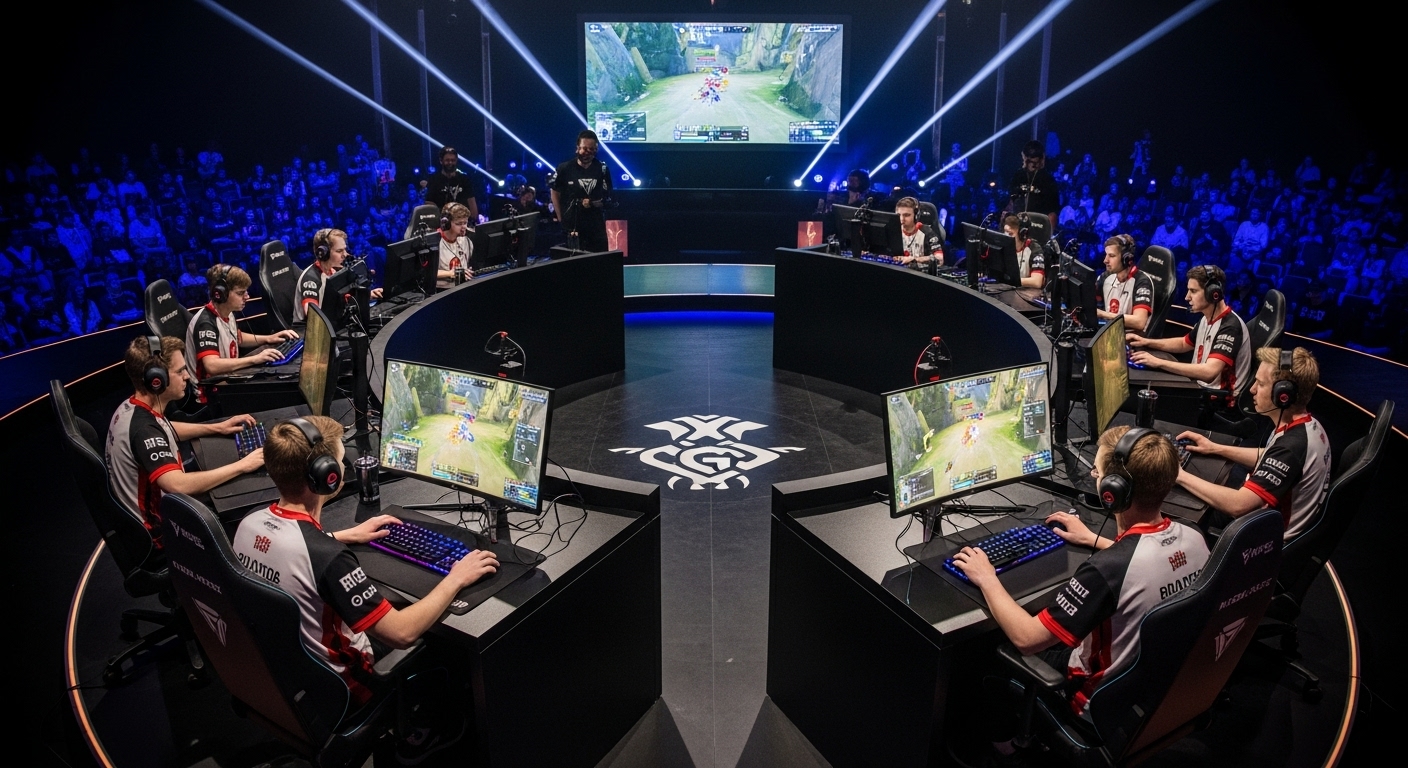
Once dismissed as a niche hobby reserved for a small group of passionate gamers, esports has evolved into a global phenomenon that rivals traditional sports in scale, influence, and economic impact. What began in internet cafés and small community tournaments has grown into sold-out arenas, multimillion-dollar prize pools, and a worldwide audience spanning every continent. Esports today is not just about playing video games competitively; it represents a new form of entertainment, a cultural movement, and a legitimate career path for millions of people. As technology advances and digital connectivity deepens, esports continues to reshape how competition is defined in the modern era.
Understanding Esports in the Modern Context
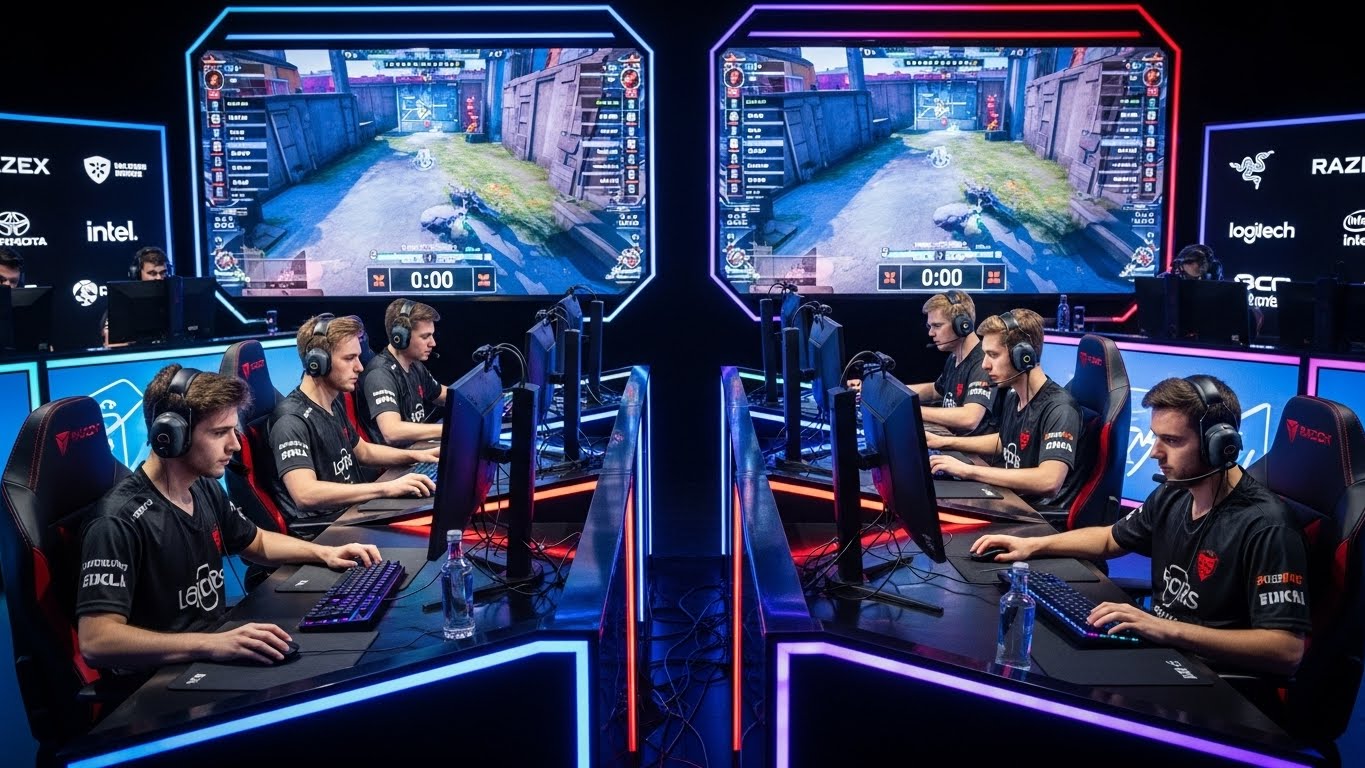
Esports, short for electronic sports, refers to organized, competitive video gaming where individuals or teams compete under structured rules and professional conditions. Unlike casual gaming, esports emphasizes high-level skill, strategy, training, and teamwork. Players specialize in specific games, practice for hours daily, and compete in leagues and tournaments watched by global audiences. The competitive intensity, discipline, and performance pressure closely mirror those found in traditional sports, making esports a natural evolution of competition in the digital age.
The Games That Built the Industry
The growth of esports has been driven by a diverse range of games across multiple genres. Strategy games reward planning and foresight, first-person shooters test reflexes and coordination, and multiplayer online battle arenas emphasize teamwork and adaptability. Each genre attracts a different type of player and viewer, creating a broad ecosystem that appeals to varied interests. This diversity is one of esports’ greatest strengths, as it allows the industry to constantly evolve while welcoming new communities and play styles.
Esports as a Global Entertainment Powerhouse
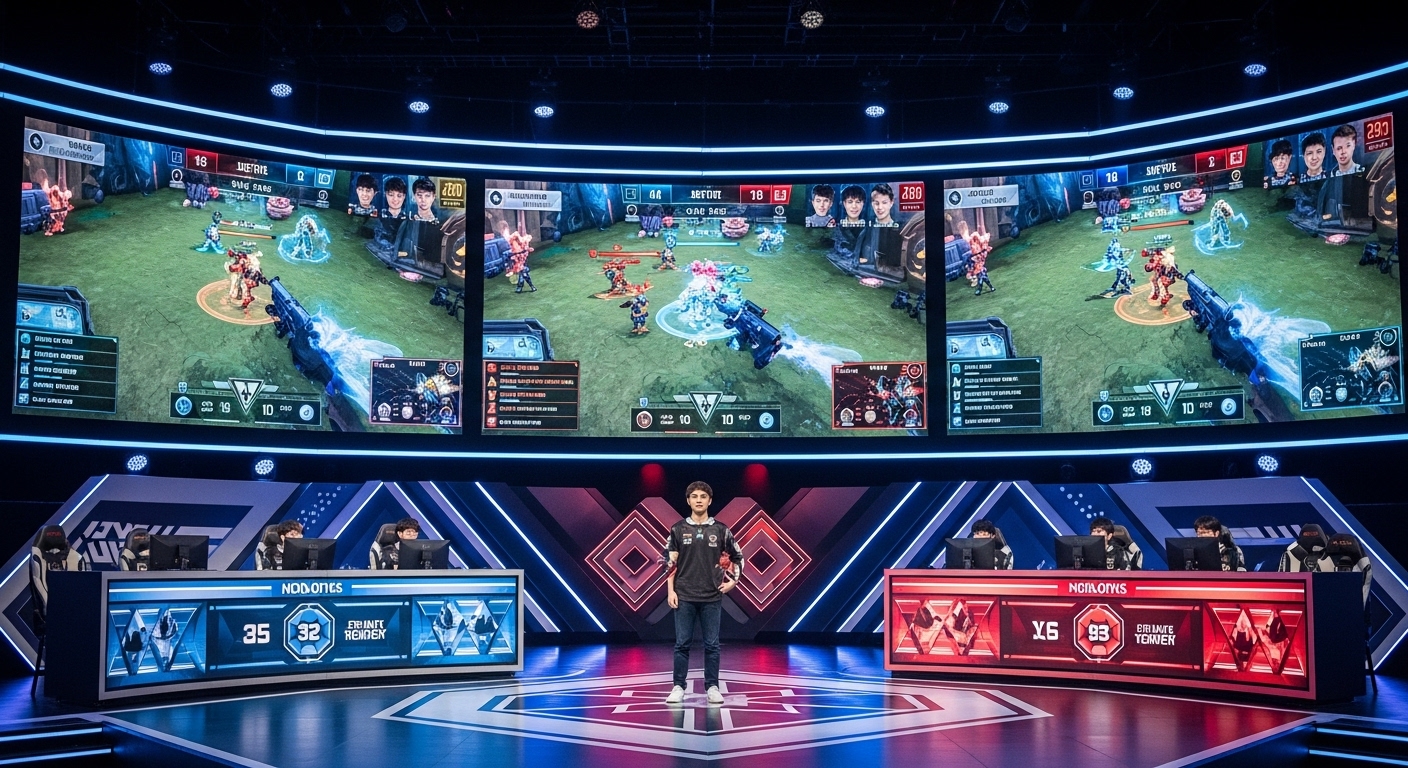
Esports has transformed from a subculture into mainstream entertainment. Major tournaments now fill stadiums traditionally reserved for concerts and sporting events, while millions more watch through live broadcasts and streaming platforms. Fans tune in not only for the gameplay but also for the personalities, rivalries, and narratives that develop over time. Professional players have become celebrities in their own right, inspiring fan loyalty similar to that seen in football clubs or basketball teams. This shift has positioned esports as a powerful competitor in the global entertainment industry.
The Professional Esports Athlete
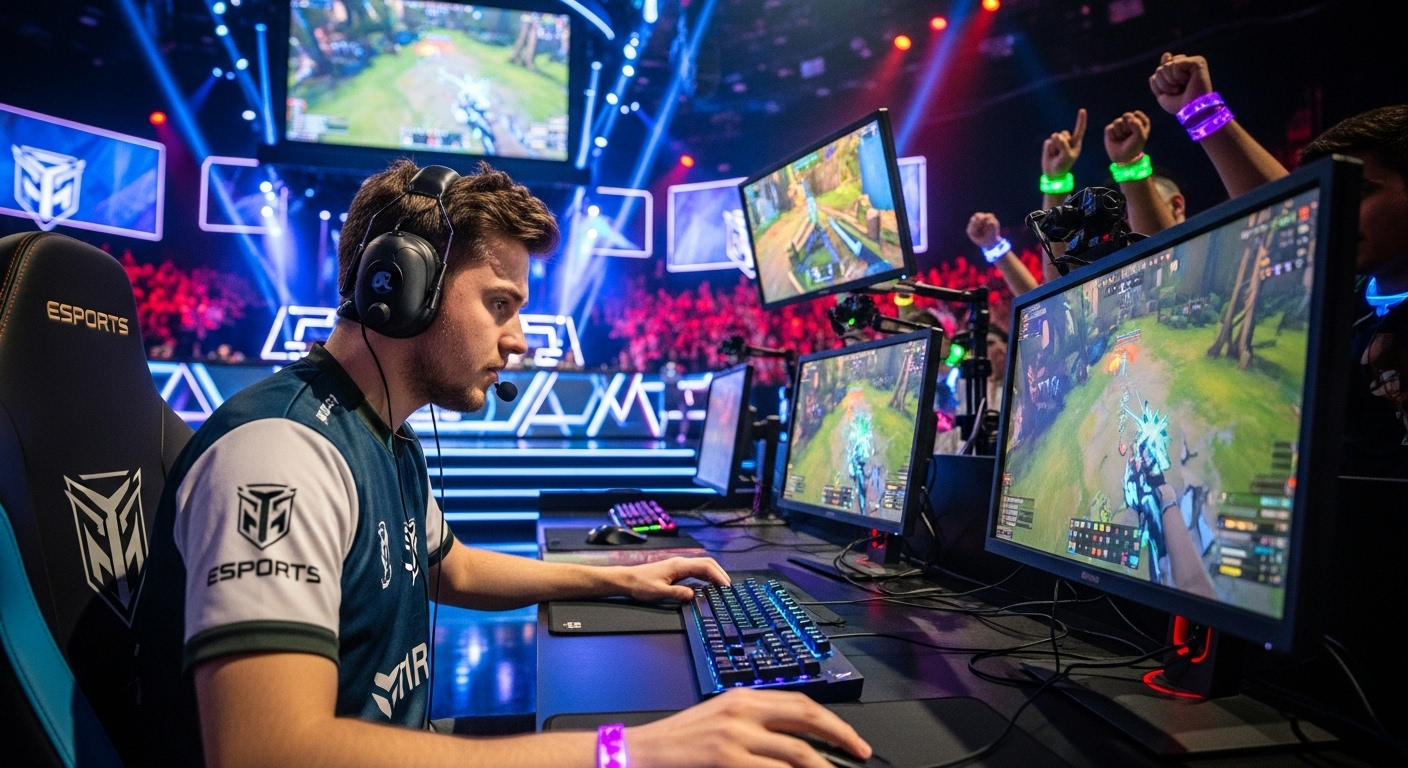
Behind the flashy stages and dramatic matches lies the reality of the professional esports athlete’s life. Success requires discipline, consistency, and mental resilience. Players train daily, analyzing gameplay, refining strategies, and maintaining peak performance. Physical fitness, once overlooked, has become increasingly important as teams recognize the impact of health on reaction time and focus. Mental coaching is also common, helping players manage stress, pressure, and competition anxiety. This professionalization has challenged outdated stereotypes about gamers and highlighted the dedication required to succeed at the highest level.
Teams, Organizations, and Leagues
Esports thrives on structured organizations that manage teams, sponsor players, and build long-term brands. These organizations operate similarly to traditional sports franchises, with coaches, analysts, managers, and support staff working behind the scenes. Leagues and tournament circuits provide consistency and legitimacy, allowing fans to follow seasons, standings, and championships. This organized framework has been crucial in attracting sponsors, investors, and media attention, further stabilizing the industry’s growth.
The Economic Impact of Esports
The esports industry generates revenue through sponsorships, advertising, media rights, merchandise, and live events. Brands from technology, fashion, food, and finance have entered the space, recognizing esports’ ability to reach younger, digitally native audiences. Prize pools for major tournaments can reach staggering figures, offering life-changing opportunities for top competitors. Beyond players, the industry supports countless jobs in production, marketing, event management, game development, and broadcasting, making esports a significant contributor to the digital economy.
Esports and Youth Culture
Esports has become deeply intertwined with modern youth culture. It reflects how younger generations socialize, compete, and consume entertainment. Online communities form around teams, players, and games, fostering a sense of belonging that transcends geography. For many young people, esports provides a platform for self-expression and connection in an increasingly digital world. This cultural relevance has made esports an influential force shaping trends in music, fashion, language, and online identity.
Education and Career Opportunities
As esports matures, educational institutions have begun to recognize its potential. Schools and universities now offer esports programs, scholarships, and degrees focused on game design, management, and digital media. These initiatives validate esports as more than a pastime, presenting it as a field with real academic and professional value. Careers in esports extend far beyond playing professionally, encompassing roles such as coaches, commentators, analysts, content creators, and business professionals.
Challenges Facing the Esports Industry
Despite its success, esports faces several challenges. Player burnout remains a concern due to intense schedules and high expectations. Issues such as fair competition, cheating, and governance require constant attention to maintain integrity. Additionally, the industry must address inclusivity and diversity to ensure equal opportunities for all participants. As esports continues to grow, balancing rapid expansion with sustainability will be essential to its long-term health.
The Role of Technology in Esports Growth
Technology is the foundation upon which esports is built. Advancements in internet infrastructure, gaming hardware, and broadcasting tools have enabled smoother gameplay and higher-quality viewing experiences. Innovations such as virtual reality, augmented reality, and artificial intelligence are poised to further transform how esports is played and consumed. As technology continues to evolve, it will open new possibilities for fan engagement, competitive formats, and immersive experiences.
Esports and Traditional Sports: A Shared Future
Rather than competing with traditional sports, esports increasingly complements them. Many traditional sports organizations have invested in esports teams or created digital leagues of their own. Athletes from conventional sports have shown interest in gaming, while esports players have adopted training methods inspired by physical sports. This convergence highlights a future where digital and physical competition coexist, enriching the broader sports ecosystem.
The Social Impact of Esports
Beyond entertainment and economics, esports has a meaningful social impact. It promotes teamwork, strategic thinking, and problem-solving skills. For individuals who may feel disconnected from traditional sports, esports offers an inclusive environment where skill and dedication matter more than physical attributes. Community-driven initiatives and charity tournaments demonstrate how esports can also be a force for positive change.
Looking Ahead: The Future of Esports
The future of esports appears both dynamic and promising. As audiences grow and technology advances, esports will continue to innovate and redefine itself. New games, formats, and platforms will emerge, keeping the industry fresh and engaging. Greater regulation and professional standards will further legitimize esports, while expanding educational and career pathways will make it more accessible to future generations.
Conclusion: A New Definition of Competition
Esports is more than competitive gaming; it is a reflection of how society adapts competition, entertainment, and ambition to a digital world. By blending technology, culture, and human skill, esports has created a new arena where talent can shine regardless of physical boundaries. As it continues to evolve, esports will not only redefine what it means to compete but also influence how people connect, learn, and dream in the digital age.