Introduction
In the modern world, competition has taken on a new form. Traditional sports like football, basketball, and tennis have long captured the attention of audiences, but the rise of digital technology has created a new frontier: esports. Competitive gaming has transformed from a hobby into a global industry that commands millions of viewers, generates billions in revenue, and influences culture around the world.
Esports is no longer confined to bedrooms or local tournaments. Professional leagues, international championships, and global fan communities have emerged, giving players the recognition and lifestyle once reserved for traditional athletes. This blog explores the origins of esports, its professional ecosystem, cultural significance, economic impact, challenges, and the opportunities it presents for the future.
The Origins of Competitive Gaming
The history of esports stretches back to the early 1970s when students at Stanford University organized a competition for the game Spacewar. The prize was modest, but the concept of competing for skill rather than just entertainment had begun. This small event marked the first step toward the structured competitive gaming we recognize today.
During the 1980s, arcade culture became central to competitive gaming. Games like Pac-Man, Donkey Kong, and Galaga attracted players who competed to achieve high scores. These competitions were mostly local and informal, but they fostered the first communities of dedicated gamers. Scoreboards were treated as status symbols, and players began to earn reputations for their skill and consistency.
The 1990s saw the rise of personal computers and the internet, which revolutionized gaming. Multiplayer games like Quake, StarCraft, and Warcraft III allowed players to compete across cities and continents. LAN parties became a staple of the gaming community, providing both social and competitive experiences. The seeds of professional esports were sown as online competitions grew in popularity.
The Rise of Professional Esports
By the early 2000s, esports had entered a professional era, particularly in South Korea. Games like StarCraft became national phenomena, and dedicated television channels broadcast professional matches. Players became celebrities, earning sponsorships, salaries, and fan followings comparable to traditional sports athletes.
International tournaments such as the World Cyber Games, Major League Gaming, and the Electronic Sports World Cup expanded competitive gaming to a global audience. Titles like Counter-Strike, Warcraft III, and Dota established the foundations for professional circuits. With faster internet connections, fans could watch live matches online, connecting players and viewers across the globe.
Streaming platforms further transformed esports by making competitions accessible to millions of viewers. Fans could follow tournaments in real-time, chat with others, and engage directly with their favorite players. This accessibility propelled esports into mainstream awareness, paving the way for professional careers and large-scale sponsorships.
The Professional Esports Ecosystem
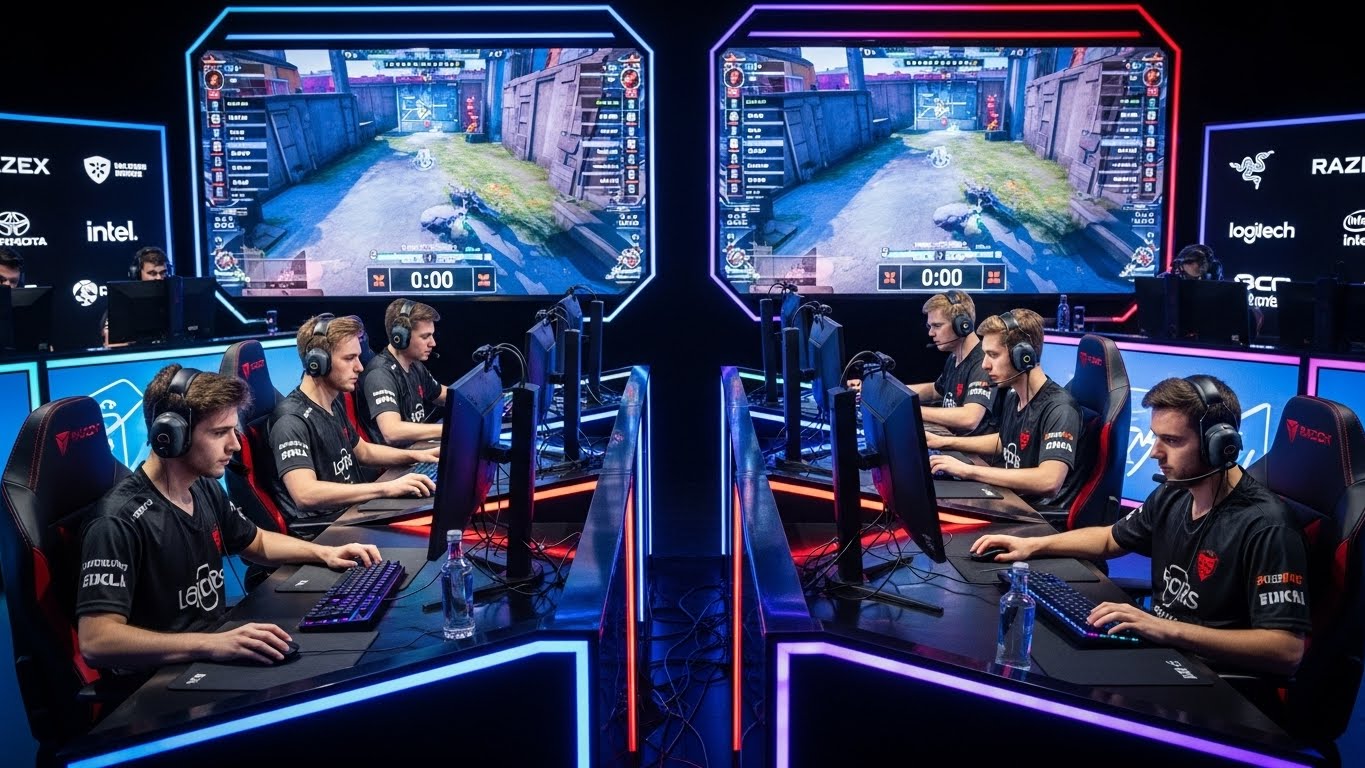
The esports industry is supported by a complex ecosystem consisting of players, teams, coaches, analysts, organizers, sponsors, and fans. Professional players follow rigorous training schedules, often practicing eight to twelve hours a day. This level of commitment is necessary to maintain peak performance in fast-paced, high-stakes environments.
Teams operate similarly to traditional sports franchises. Organizations like Cloud9, Team Liquid, Fnatic, and T1 manage multiple rosters, marketing operations, and sponsorship deals. Coaches and analysts break down gameplay data, helping teams refine strategies and improve coordination. Nutritionists, physical trainers, and psychologists ensure that players maintain physical and mental well-being, highlighting the professionalization of esports.
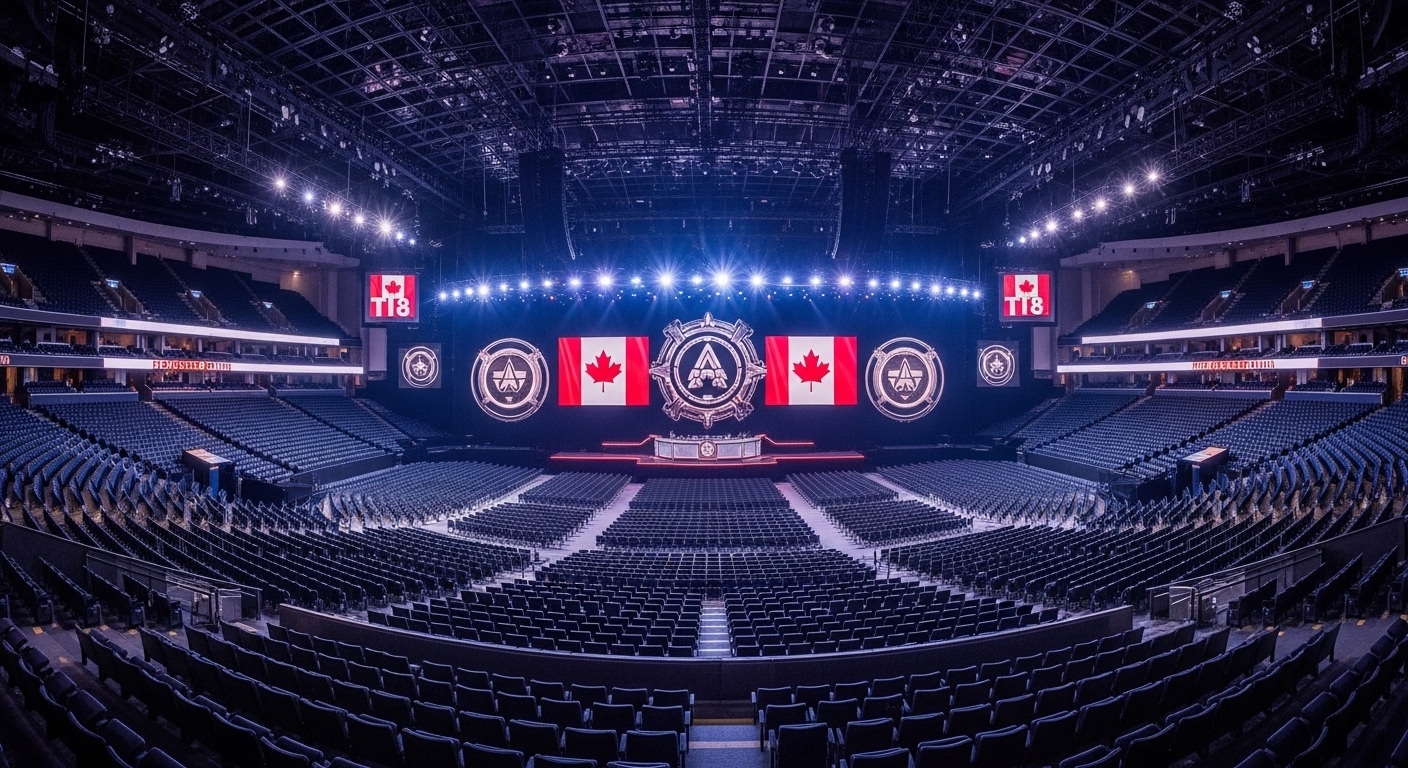
Leagues and tournaments structure the competitive landscape. Events such as the League of Legends World Championship, Dota 2 International, and Counter-Strike Major tournaments attract massive online and in-person audiences. City-based franchise leagues like the Overwatch League introduce team loyalty and fan engagement similar to traditional sports, enhancing the sense of community around esports.
Streaming, Content Creation, and Fan Engagement
Streaming has been a cornerstone of esports’ growth. Platforms like Twitch and YouTube Gaming allow fans to watch matches live, interact with commentators, and engage with fellow viewers. This direct interaction between players and fans creates a sense of community that is unique to esports.
Content creation extends beyond live gameplay. Professional players and teams share tutorials, highlights, behind-the-scenes videos, and commentary, strengthening their brand and fostering fan loyalty. This combination of competition and entertainment has elevated esports beyond gaming into a lifestyle, engaging audiences on multiple levels and encouraging ongoing participation.
Economic Impact of Esports
Esports has become a multi-billion-dollar industry with diverse revenue streams. Sponsors, media rights, ticket sales, merchandise, and streaming platforms all contribute to its growth. Global brands recognize the massive engagement of esports audiences, investing in teams, tournaments, and advertising.
Prize pools in esports are increasingly substantial. For example, Dota 2 International has offered over forty million dollars in prize money in a single year, rivaling traditional sports competitions. Beyond players, the industry creates jobs in event management, broadcasting, marketing, and game development, reflecting the broad economic influence of esports worldwide.
Global Reach and Cultural Influence
Esports transcends geographical and cultural boundaries. Countries such as South Korea, China, the United States, and Sweden have been traditional powerhouses, but regions like Southeast Asia, Latin America, and the Middle East are rapidly expanding. The industry connects players and fans globally, creating shared experiences that unify diverse communities.
Esports also influences broader culture. Music performances at finals, fashion collaborations, and celebrity investments have created a crossover between gaming and mainstream entertainment. Tournaments resemble music festivals, complete with fan zones, interactive experiences, and live shows, reinforcing esports as a cultural phenomenon beyond just gaming.
The Psychological Demands of Competitive Gaming
Esports requires more than mechanical skill; it demands mental resilience. Players compete under intense pressure, often in multi-million-dollar tournaments, where focus and decision-making must be flawless. The cognitive demands of strategy, quick reflexes, and teamwork make esports mentally challenging.
Sports psychologists are increasingly employed by teams to manage stress, improve focus, and prevent burnout. The mental health of players has become a key concern, emphasizing that success in esports is as much about emotional endurance as it is about physical skill.
Women in Esports
Historically, esports has been male-dominated, but the landscape is changing. Women are gaining recognition as professional players, commentators, and industry leaders. Figures like Sasha “Scarlett” Hostyn and Se-yeon “Geguri” Kim demonstrate that talent is not limited by gender.
Organizations are promoting inclusivity through women’s tournaments, mentorship programs, and community initiatives. Greater representation strengthens the industry, expands the fan base, and challenges outdated perceptions about gaming culture. Esports is evolving into a more diverse and equitable space.
Esports in Education
Educational institutions have embraced esports, recognizing it as both a career pathway and a developmental tool. Universities offer scholarships for talented players and programs focused on esports management, broadcasting, and marketing. High schools are also establishing esports clubs to provide structured competition and skill development.
Participation in esports fosters transferable skills such as leadership, teamwork, communication, and problem-solving. These abilities prepare students for careers beyond gaming, illustrating the educational value of competitive gaming as a discipline.
Challenges Facing the Industry
Despite its growth, esports faces challenges. Player burnout remains a critical issue due to long hours of training and competition. Regulatory inconsistencies across games and regions affect contracts, tournament standards, and player rights.
Sustainability is another concern. The rapid evolution of games and trends means that popular titles may decline, creating uncertainty for teams and organizers. Online harassment and toxic behavior also persist as issues, requiring robust moderation and community management to ensure safety and inclusivity.
Esports and Traditional Sports
The relationship between esports and traditional sports is evolving from rivalry to partnership. Many sports organizations now invest in esports divisions or host digital competitions. The NBA 2K League, Formula 1 esports, and professional football clubs entering competitive gaming illustrate this convergence.
Esports shares values with traditional sports, including teamwork, strategy, dedication, and audience engagement. Collaboration between the two industries enhances entertainment experiences, expands audiences, and promotes innovation in fan interaction and event production.
Technological Innovations Shaping Esports
Technology drives esports. High-performance gaming hardware, low-latency connections, virtual reality, augmented reality, and artificial intelligence all enhance gameplay and audience experience. AI assists in analyzing gameplay, coaching, and detecting cheating, while VR and AR provide immersive spectator experiences.
Emerging technologies such as blockchain may revolutionize ownership of digital assets, contracts, and tournament logistics. Interactive platforms could allow fans to virtually participate in events, creating unprecedented levels of engagement and immersion. The future of esports is deeply intertwined with technological innovation.
Social and Cultural Significance
Esports has reshaped social interactions and digital culture. It brings people together across borders, creating communities united by shared interests. Fans follow teams, players, and tournaments, forging connections and identities that transcend physical locations.
The cultural impact extends into fashion, music, and media. Gaming has become a lifestyle, influencing trends and inspiring creative expression. Esports empowers youth, fosters digital literacy, and legitimizes gaming as a productive and respected pursuit in society.
The Future of Esports
The future of esports is full of potential. Technological advancements will enhance player performance, fan engagement, and immersive experiences. Global expansion will create new opportunities for players and communities, while continued integration with education and mainstream entertainment will strengthen legitimacy and reach.
The digital and physical worlds are increasingly merging, making esports a central pillar of modern competition and culture. Esports represents a new model of entertainment, where creativity, skill, technology, and community converge to create experiences that were previously unimaginable.
Conclusion
From humble beginnings in university computer labs to grand international arenas, esports has redefined competition in the modern era. Players are no longer just gamers; they are digital athletes, entertainers, and influencers. The industry has established a professional ecosystem, created global cultural impact, and generated substantial economic growth.
Esports continues to break boundaries, promoting inclusivity, technological innovation, and cross-cultural connection. The rise of esports demonstrates that passion, skill, and determination can thrive in the digital age. Beyond the screen, esports has become a symbol of the human drive to compete, connect, and innovate, and its influence will only grow in the decades to come.
Esports is more than a game. It is a movement, a culture, and a glimpse into the future of global competition. The digital arena has become a proving ground for skill, strategy, and creativity, and the story of esports is still unfolding.