Introduction to Esports
In the past few decades, competitive gaming, known as esports, has evolved from a small subculture into one of the most powerful forces in global entertainment. What began as informal video game tournaments among friends has transformed into a billion-dollar industry featuring professional players, massive arenas, sponsorships, and millions of passionate fans across the world. Esports has proven that gaming is more than just a pastime; it is a profession, a form of art, and a cultural movement that connects people from every corner of the planet.
The rise of esports has redefined how society perceives competition and entertainment. Today, gaming events are broadcasted live, filling arenas that once hosted traditional sports. Teams and players enjoy celebrity status, and universities have started offering scholarships for esports programs. The digital revolution has made it possible for anyone with talent, dedication, and an internet connection to participate in this ever-growing phenomenon.
The Origins of Esports
The story of esports begins long before online multiplayer games existed. In the 1970s, competitive gaming was in its infancy, with events like the 1972 Spacewar competition at Stanford University marking the first recorded esports tournament. The prize was modest—a one-year subscription to a magazine—but it symbolized the start of organized competitive gaming.
In the 1980s, the arcade era brought games like Pac-Man, Donkey Kong, and Space Invaders to the forefront. Players competed for high scores displayed on leaderboards, driving local rivalries and establishing a sense of community among gamers. Television programs began to feature gaming competitions, planting the early seeds for what would eventually become a global spectacle.
By the 1990s, the rapid advancement of technology allowed multiplayer games to thrive. Titles like Doom, Quake, and StarCraft introduced competitive play that went beyond local setups, connecting players through LAN events and early internet networks. The rise of PC gaming and the introduction of global leaderboards turned competitive gaming into a legitimate pursuit.
The 2000s: The Birth of the Modern Esports Scene
The 2000s marked the true beginning of modern esports. The expansion of broadband internet and powerful gaming hardware opened the doors to a new era of online competition. Major titles such as Counter-Strike, Warcraft III, and Halo became foundational games in the esports ecosystem. Professional organizations began forming teams, offering contracts, and creating structured tournaments with significant prize pools.
South Korea emerged as the global leader in esports during this time. The country’s strong internet infrastructure and government support helped professionalize gaming faster than anywhere else. StarCraft, in particular, became a national obsession, with televised matches attracting millions of viewers. This period solidified esports as not just entertainment but also as a legitimate career path.
The Role of Streaming and Media Platforms
The rise of live streaming platforms in the 2010s changed everything. Websites and apps dedicated to broadcasting video games allowed esports to reach massive audiences. Viewers could now watch their favorite players in real-time, interact with them, and learn from their strategies. This accessibility bridged the gap between professionals and fans, creating a more personal and interactive experience.
Streaming also transformed esports into a content-driven industry. Players were no longer just athletes; they became influencers, entertainers, and brand ambassadors. The line between gaming and mainstream media began to blur, as esports tournaments started rivaling traditional sports broadcasts in terms of viewership and sponsorship revenue.
Major Esports Titles and Their Influence
Several games have defined the esports landscape, each contributing in unique ways to its growth and popularity.
League of Legends is perhaps one of the most influential esports games of all time. Released in 2009, it revolutionized competitive gaming with its complex strategies, dynamic gameplay, and global tournaments. The annual League of Legends World Championship draws millions of viewers and offers multi-million-dollar prize pools.
Dota 2 followed a similar trajectory, with its own massive international tournaments known as The International. The event consistently breaks records for the largest prize pools in esports history, crowdfunded by the game’s passionate community.
Counter-Strike: Global Offensive remains one of the longest-standing competitive games, known for its tactical depth and iconic rivalries. Its professional scene has fostered some of the most dedicated fans in the industry.
Fortnite, Valorant, Overwatch, and Call of Duty have also made significant contributions, each bringing new gameplay styles, fanbases, and cultural moments. These games have proven that esports is not confined to one genre or demographic.
The Professional Esports Player: Skill and Dedication
Becoming a professional esports athlete requires incredible dedication, discipline, and mental strength. The best players spend years honing their reflexes, mastering game mechanics, and studying opponents. Like traditional athletes, they follow strict training schedules, work with coaches, and maintain physical and mental health to perform at their best.
Esports professionals often begin their journeys as casual gamers before being discovered through online ladders or smaller tournaments. Once signed to an organization, they participate in team boot camps, strategy sessions, and extensive practice routines. The life of an esports player can be both glamorous and grueling, with high expectations and short career spans due to the intense nature of competition.
Esports as a Spectator Sport
One of the reasons esports has become so popular is its ability to engage spectators. The excitement of watching skilled players compete in fast-paced matches appeals to both gamers and non-gamers alike. Commentators, known as casters, play a major role in enhancing the viewing experience, explaining complex plays and building excitement with energetic commentary.
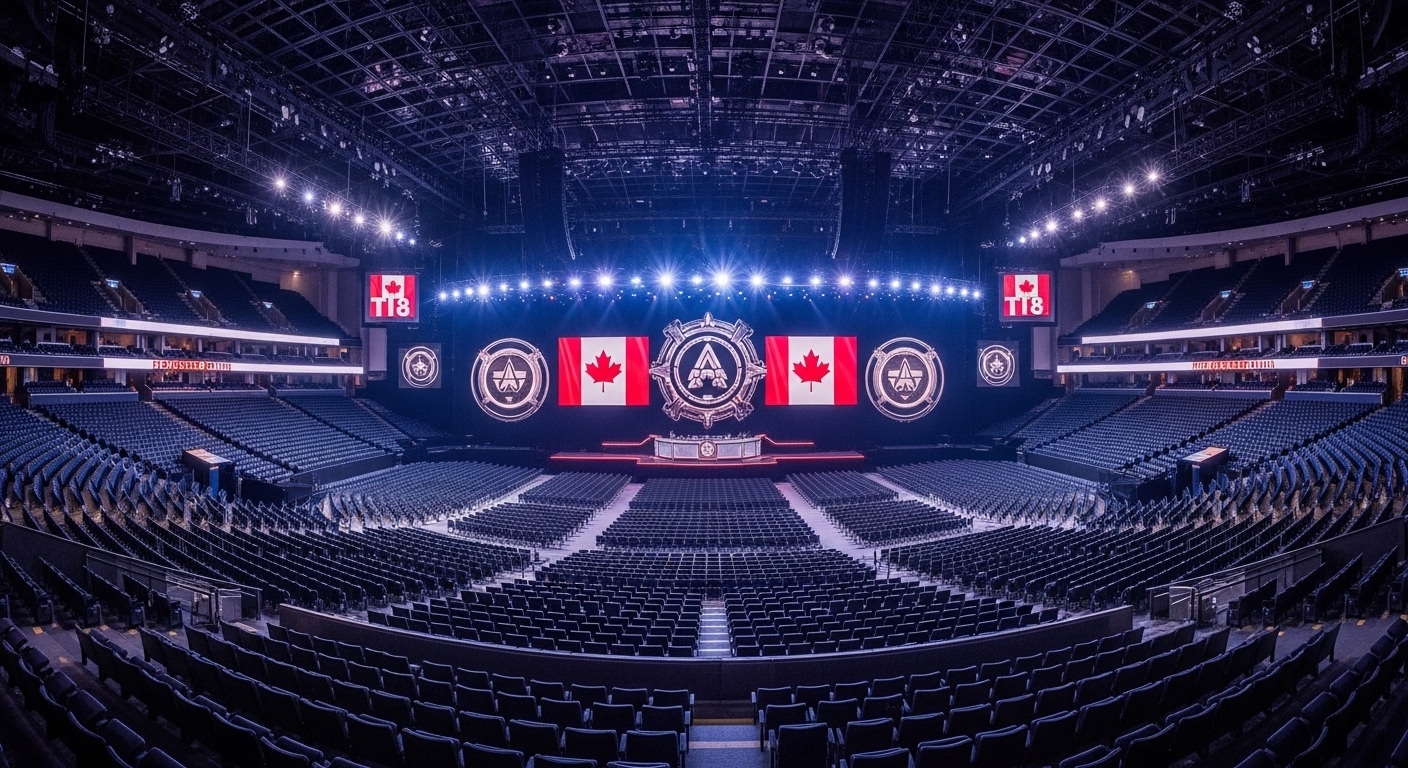
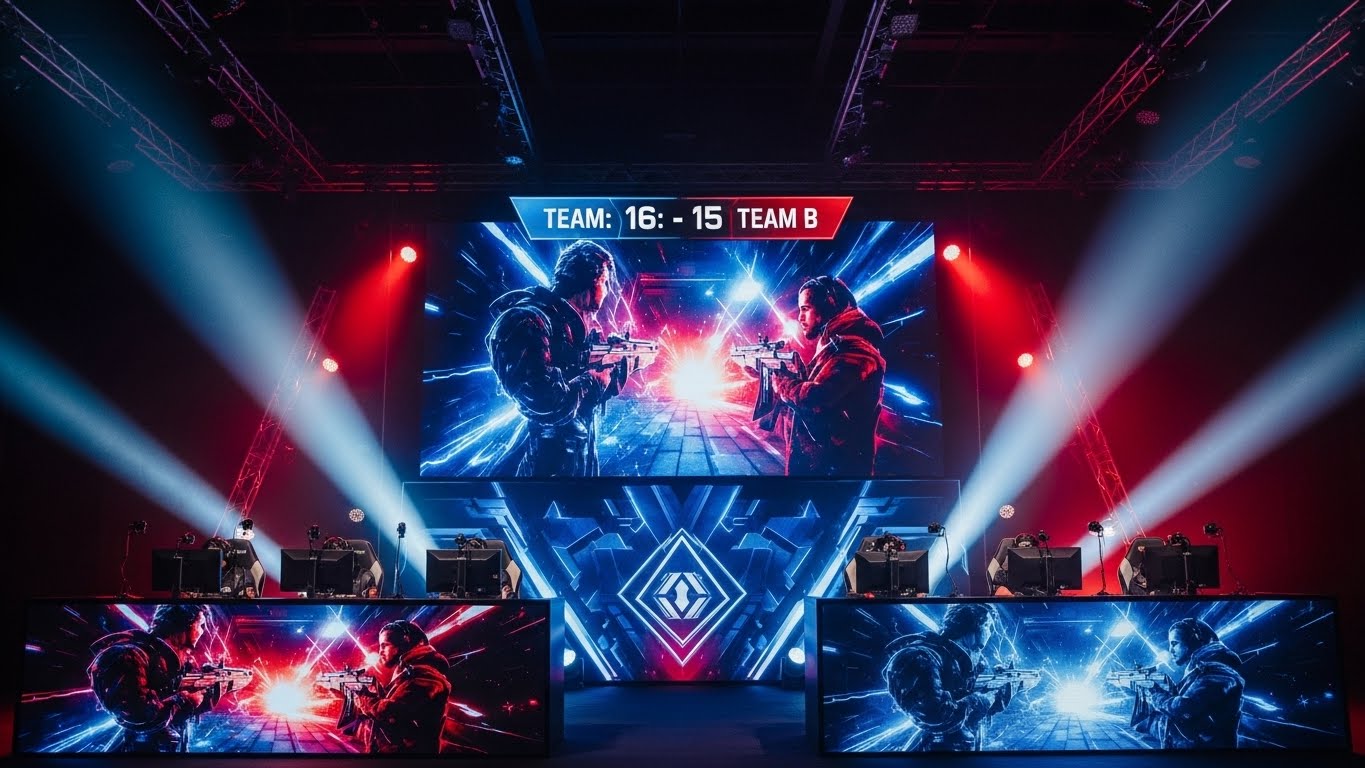
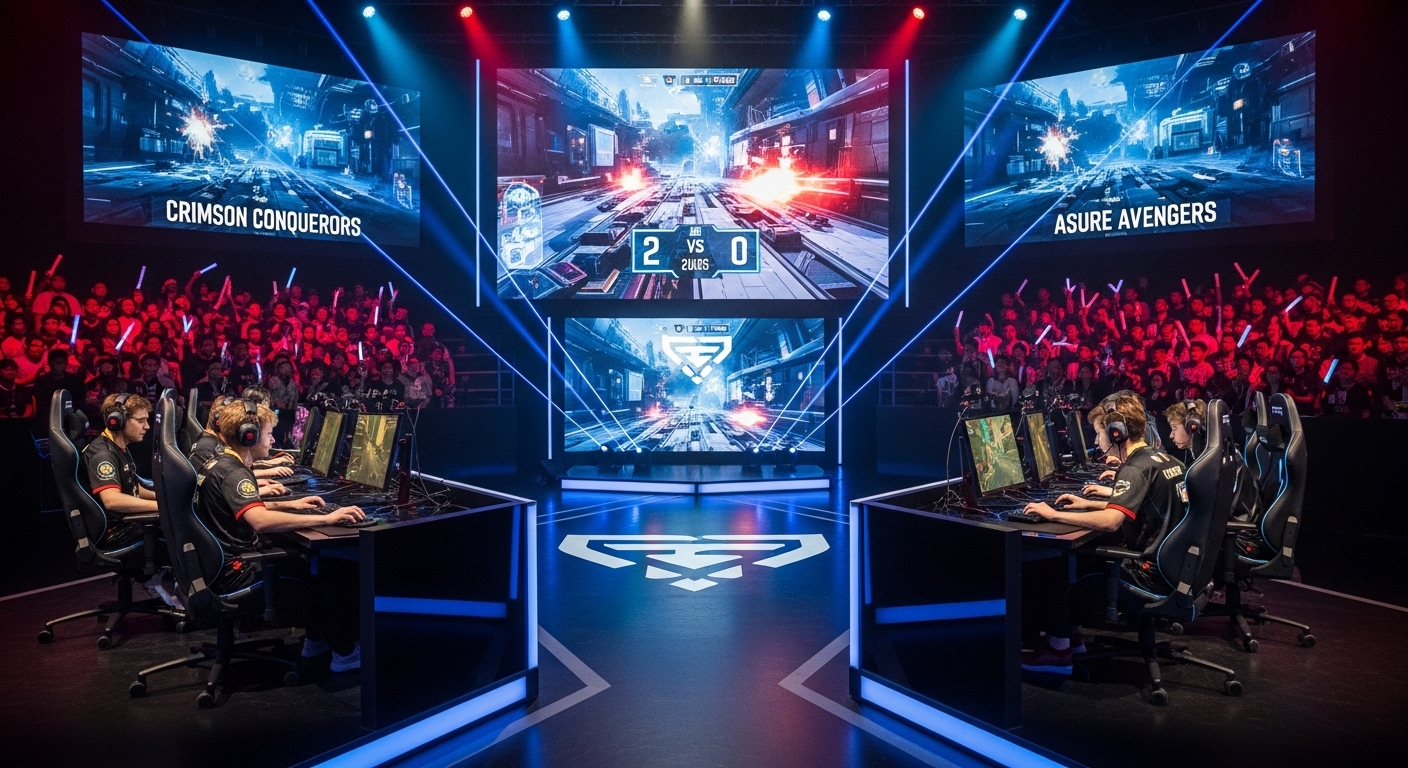
Live esports events often resemble concerts or traditional sports championships. Massive stages, colorful lights, cheering fans, and dramatic music create an atmosphere of grandeur. The energy and passion of esports audiences rival that of any major sporting event, showcasing the community’s deep emotional investment in the games and players they love.
The Business of Esports
The esports industry has grown into a massive commercial enterprise. Sponsorships, advertising, merchandise, ticket sales, and media rights all contribute to its financial success. Major companies, from technology giants to beverage brands, invest heavily in esports to reach younger audiences.
Esports organizations operate much like traditional sports franchises, managing players, teams, and brand partnerships. Some of the most well-known organizations have diversified into content creation, lifestyle branding, and even education. Investors and celebrities have also entered the scene, recognizing esports as a lucrative opportunity.
Esports and Education
The impact of esports has extended beyond entertainment and into education. Many schools and universities have established esports programs to encourage teamwork, critical thinking, and strategic decision-making. Scholarships are now offered to talented players, allowing them to pursue higher education while competing at a professional level.
Educational institutions are also using esports to teach students about game design, marketing, broadcasting, and business management. This academic integration highlights esports as a legitimate career field with numerous professional opportunities beyond playing competitively.
The Global Reach of Esports
Esports is a global phenomenon with audiences spanning continents. Asia, Europe, and North America lead in professional competition, but emerging regions like South America, Africa, and the Middle East are rapidly developing their own esports ecosystems.
Global tournaments unite players from different cultures and languages, fostering international friendships and rivalries. Esports transcends geographical boundaries, promoting a sense of global unity through shared passion and digital connectivity.
Cultural and Social Impact of Esports
Esports has influenced popular culture in countless ways. Characters, teams, and events have inspired fashion, music, and art. Mainstream media has begun featuring esports athletes in commercials, films, and television shows. The perception of gamers has shifted from isolated individuals to influential figures shaping modern entertainment.
Furthermore, esports promotes inclusivity by welcoming players of all backgrounds, genders, and abilities. While challenges such as toxicity and representation still exist, efforts are being made to create safer and more diverse spaces within the community.
Challenges Facing Esports
Despite its success, esports faces several challenges. Issues like player burnout, cheating, inconsistent regulations, and the volatility of certain games pose ongoing problems. Because esports relies heavily on specific titles, the lifespan of a game can significantly affect the ecosystem surrounding it.
Additionally, the lack of a unified global governing body makes standardization difficult. Tournament formats, player contracts, and disciplinary actions vary widely between organizations and regions. As esports continues to mature, industry leaders are working to establish more structured and ethical practices.
The Role of Technology in Esports Development
Technological innovation has been the driving force behind esports. Advances in internet speed, computer graphics, and gaming hardware have made competitive gaming more accessible and visually appealing. Virtual reality, augmented reality, and artificial intelligence are opening new possibilities for the future of esports.
The introduction of analytics and data-driven performance tools allows teams to study gameplay patterns, predict outcomes, and optimize strategies. Meanwhile, improvements in broadcasting technology enhance viewer experiences with real-time replays, commentary overlays, and interactive statistics.
The Future of Esports
The future of esports looks brighter than ever. As technology continues to evolve, so too will the scope and scale of competitive gaming. The integration of virtual and augmented reality may redefine how games are played and watched. Mobile esports, already popular in many parts of Asia, is expected to expand globally, making competitive gaming even more accessible.
The inclusion of esports in international multi-sport events, such as the Asian Games, signals growing recognition on a global scale. Many experts predict that esports will one day stand alongside traditional sports in terms of prestige and institutional support.
The Human Connection in Digital Competition
At its core, esports is about human connection. Behind every screen are players striving for excellence, fans cheering for their favorites, and communities sharing moments of triumph and defeat. The digital nature of esports does not diminish its emotional impact; it enhances it by allowing people from every corner of the world to connect through shared passion and creativity.
The friendships, rivalries, and collaborations that emerge from esports remind us that competition is a universal language. Whether played in a stadium filled with thousands or from the comfort of home, esports continues to unite people under the banner of skill, innovation, and entertainment.
Conclusion
Esports has come a long way from its humble beginnings. What started as friendly competitions in arcades and college campuses has grown into a global industry that commands respect, passion, and admiration. It stands at the crossroads of technology, entertainment, and culture, continuously evolving and redefining what it means to compete in the modern age.
The growth of esports is a testament to human creativity and the power of digital connection. It demonstrates that gaming is not merely about winning or losing but about collaboration, self-expression, and the endless pursuit of mastery. As we look to the future, esports will continue to inspire generations of players and fans, shaping the landscape of global entertainment for decades to come.
The world of esports is not just a trend; it is the future of competitive entertainment. And as it continues to grow, it will remind us that passion, skill, and imagination know no boundaries.