Introduction
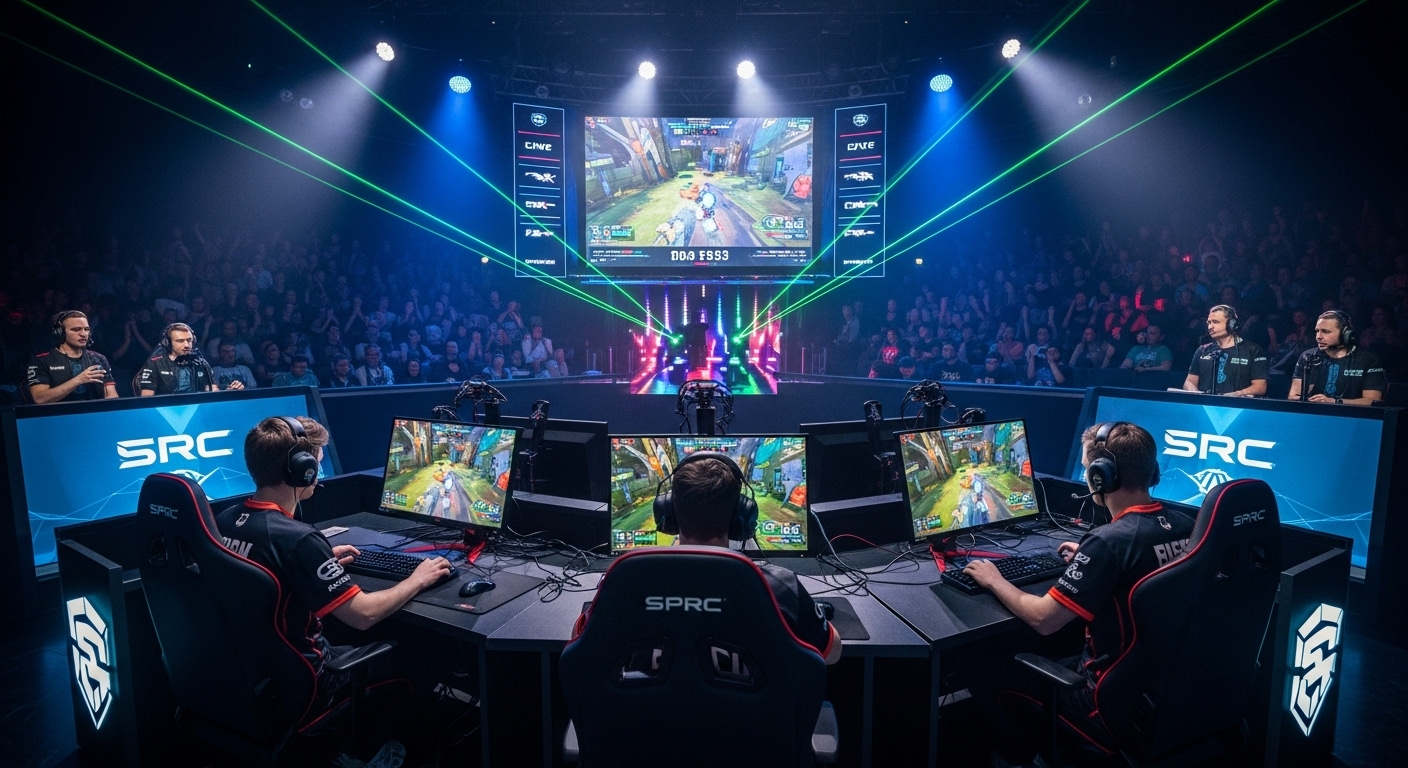
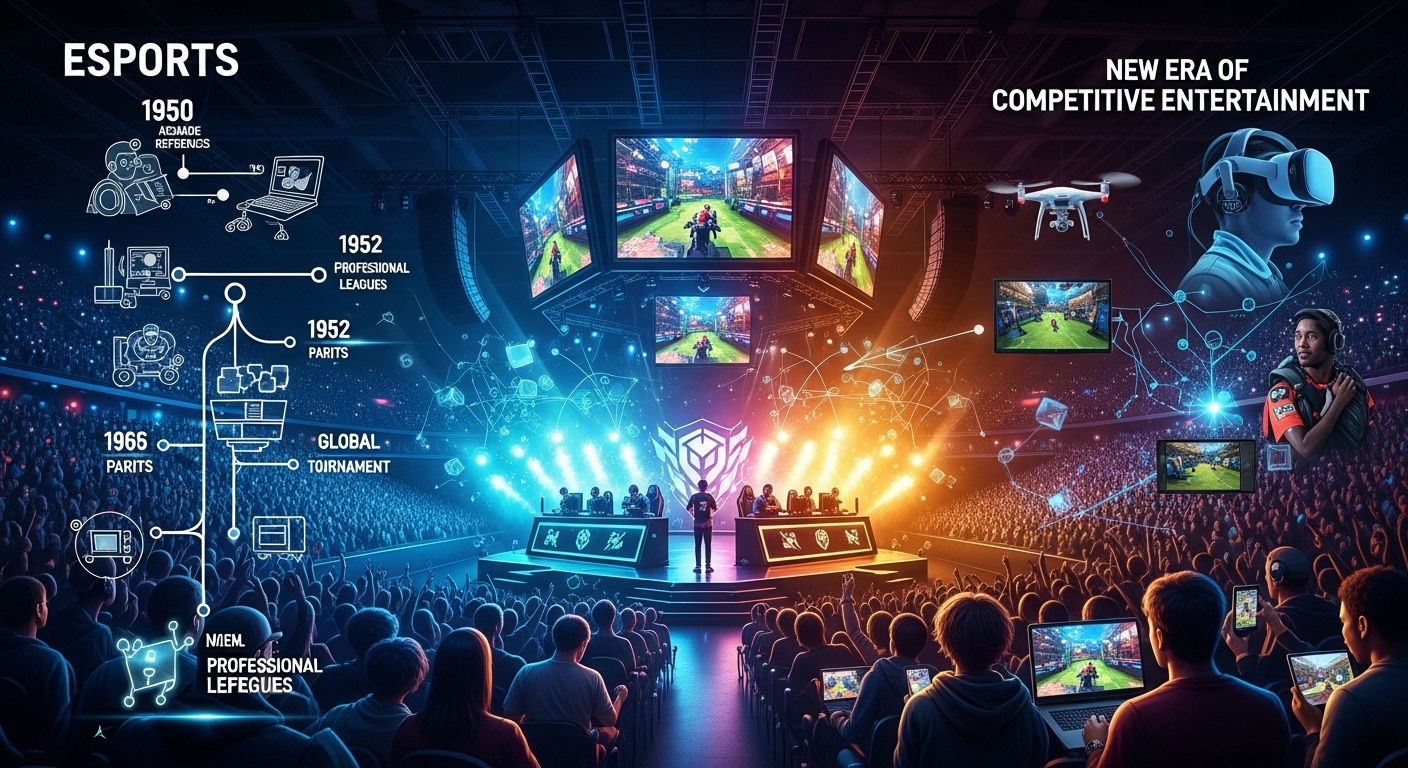
In the last two decades, the world has witnessed an extraordinary transformation in how people perceive gaming. Once dismissed as a simple pastime, gaming has evolved into one of the most powerful industries in the modern era. At the center of this revolution stands Esports — a competitive gaming phenomenon that has reshaped entertainment, technology, and global culture. Esports represents a world where players are not just gamers but athletes, where spectatorship extends beyond physical arenas to millions of online viewers, and where skill, strategy, and mental endurance are as crucial as in traditional sports. This blog explores the evolution, impact, and future of Esports, shedding light on how it became a billion-dollar industry and a defining feature of 21st-century entertainment.
The Origins of Esports
The roots of Esports can be traced back to the early days of video gaming in the 1970s. The first known video game competition took place at Stanford University in 1972, featuring the game Spacewar. The prize was modest—a year’s subscription to a magazine—but it marked the beginning of organized competitive gaming. By the 1980s, arcade games such as Pac-Man and Donkey Kong fueled local tournaments and fostered a competitive spirit among players. The 1990s brought significant changes with the rise of home consoles, computer gaming, and the internet. Titles like Street Fighter II, Quake, and StarCraft became the foundation for professional competition. The late 1990s saw the creation of major gaming leagues and global tournaments, officially transforming gaming into a spectator sport.
The 2000s: The Growth of Online Gaming
The early 2000s marked the true beginning of Esports as a global movement. The expansion of broadband internet allowed players from different regions to compete in real-time, breaking geographical barriers. Titles like Counter-Strike, Warcraft III, and Halo dominated the competitive scene, while online platforms provided the infrastructure for organized tournaments. Korea, in particular, became the hub of Esports culture. Games like StarCraft were broadcast on national television, and professional players became celebrities. This era established Esports as a serious career path for talented gamers.
Organizations began to form professional teams, sponsors entered the scene, and prize pools started to grow. What once started in small arcades had evolved into packed arenas and televised events. The 2000s were not just about games; they were about building a foundation of professionalism, structure, and legitimacy in the world of competitive gaming.
The Evolution of Professional Gaming
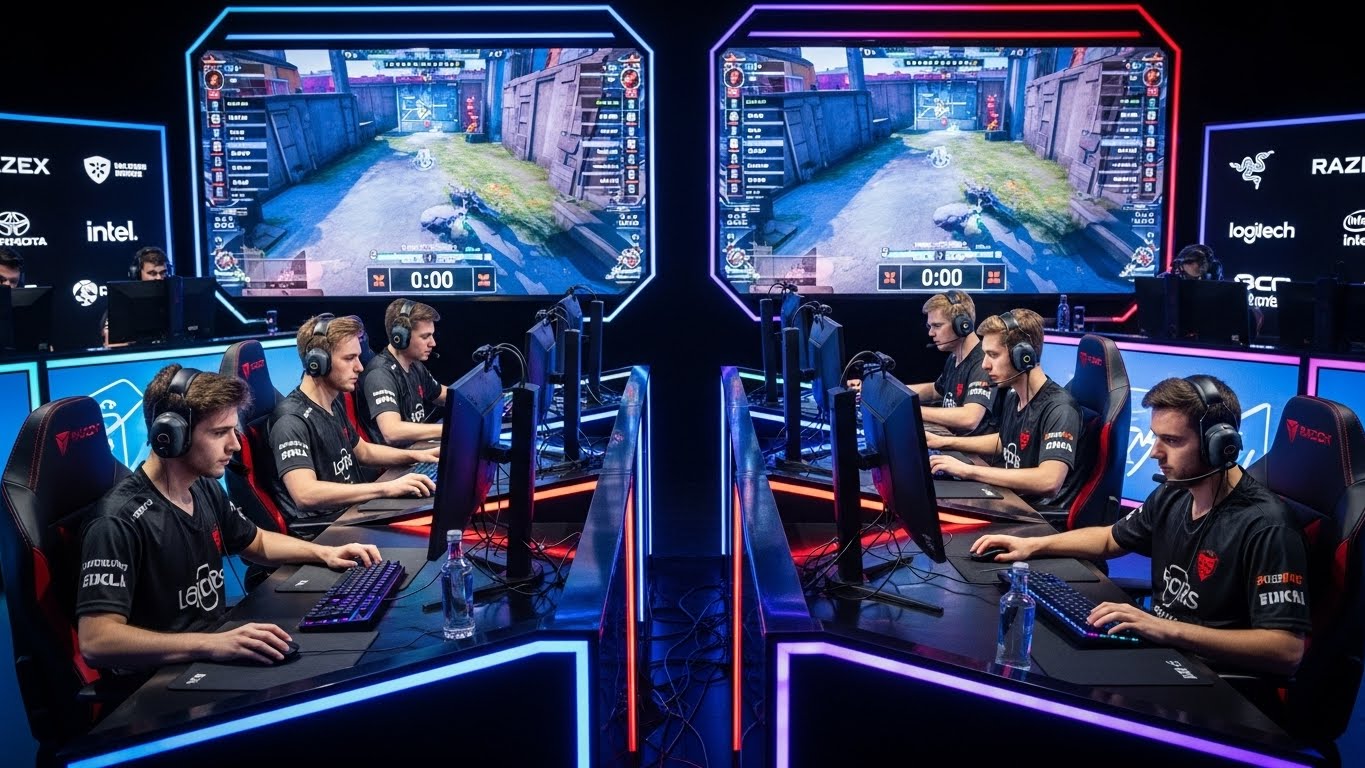
As Esports continued to grow, it started mirroring traditional sports in structure and organization. Teams, leagues, coaches, analysts, and even medical professionals became part of the competitive ecosystem. Players trained for hours each day, followed strict routines, and studied their opponents meticulously. Esports organizations began to sign contracts, manage sponsorships, and pay salaries to their players. The competitive environment demanded high-level coordination, strategic planning, and mental endurance, often comparable to the pressure faced by athletes in physical sports.
The introduction of major international tournaments such as The International for Dota 2, the League of Legends World Championship, and the CS:GO Major Championships took Esports to another level. These events attracted millions of viewers worldwide and offered prize pools worth millions of dollars. The sheer scale of these tournaments demonstrated that Esports was not a passing trend but a legitimate and thriving industry.
The Role of Technology in Esports
Technology has been the driving force behind Esports’ success. High-speed internet, powerful gaming PCs, and advanced streaming platforms have made global competition seamless. The rise of streaming services revolutionized how audiences consumed Esports. Platforms allowed fans to watch their favorite teams and players live from anywhere in the world. This accessibility turned Esports into a mainstream entertainment medium.
Virtual reality and artificial intelligence are also starting to influence the future of competitive gaming. AI-driven analytics are helping teams improve performance, while VR promises to introduce new dimensions of immersive gameplay. Cloud gaming further eliminates hardware limitations, allowing anyone with a decent internet connection to play high-quality competitive titles. These technological advancements continue to blur the line between physical and digital sports.
The Esports Community and Culture
Beyond competition, Esports has fostered one of the most passionate and diverse communities in the world. Fans gather both online and offline to celebrate their favorite teams and games. Cosplay, fan art, streaming, and social media engagement have made Esports a lifestyle rather than just a sport. Gaming conventions, fan meetups, and massive tournaments create a sense of belonging among millions of fans worldwide.
One of the unique aspects of Esports culture is its inclusivity. While traditional sports often require physical attributes or local participation, Esports allows people from all walks of life to compete on equal footing. Gender, nationality, and physical limitations play less of a role; what matters most is skill, creativity, and dedication. This inclusiveness has made Esports a global movement that transcends cultural boundaries.
Economic Impact of Esports
The Esports industry has become a multi-billion-dollar market, encompassing game developers, sponsors, advertisers, broadcasters, and event organizers. Prize pools for major tournaments often surpass those of traditional sports events. For example, some Esports championships offer rewards that exceed the payouts of the Super Bowl or Wimbledon.
Sponsorships and endorsements form the backbone of Esports economics. Major brands across technology, fashion, energy drinks, and automotive industries invest heavily in Esports to connect with younger audiences. Streaming platforms generate ad revenue, while merchandise sales, in-game purchases, and media rights contribute to the ecosystem’s growth. Cities around the world are now building dedicated Esports arenas, recognizing its potential as a major economic driver.
Esports and Education
In recent years, Esports has made its way into educational institutions. Universities and high schools in many countries now offer Esports scholarships and degree programs. These initiatives recognize the strategic thinking, teamwork, and discipline required in competitive gaming. Educational Esports leagues teach students leadership, communication, and problem-solving skills. Moreover, Esports provides a bridge between technology and education, encouraging students to pursue careers in game design, programming, broadcasting, and marketing.
Mental and Physical Health in Esports
While Esports is a digital sport, it still demands physical and mental fitness. Players often practice for up to ten hours a day, which can lead to fatigue, stress, and health issues. In response, professional organizations now emphasize health management. Nutritionists, psychologists, and fitness trainers work with players to maintain balance. Mental focus, reaction time, and emotional stability are crucial in competition, making wellness programs essential for sustained success.
The industry is also addressing the stigma that gaming leads to isolation or addiction. By promoting structured training, healthy lifestyles, and teamwork, Esports organizations demonstrate that gaming can be both competitive and responsible.
Women in Esports
For a long time, the gaming industry faced challenges related to gender inclusion. However, women have steadily gained recognition in Esports, both as players and industry leaders. Female gamers now compete at the highest levels and command large audiences as streamers and content creators. Organizations and communities are pushing for gender equality, promoting female-only tournaments and inclusive gaming spaces. The growing visibility of women in Esports highlights the industry’s potential to break stereotypes and foster a more diverse environment.
Esports and Traditional Sports
The relationship between Esports and traditional sports has evolved from rivalry to collaboration. Major sports teams and franchises now invest in Esports organizations. Football clubs, basketball teams, and even Formula 1 constructors have established Esports divisions to engage with younger fans. The overlap between the two worlds is evident in shared marketing strategies, athlete branding, and sponsorship models.
While Esports and traditional sports differ in physicality, they share similar values of competition, strategy, and teamwork. Both require discipline, focus, and commitment. The convergence of the two is shaping a new era of hybrid entertainment, where fans enjoy both real-world and virtual competitions.
Global Reach and Cultural Influence
Esports is one of the few industries that truly embodies globalization. Players from Asia, Europe, North America, and beyond compete in the same tournaments, representing a melting pot of cultures. Each region contributes unique gaming styles and fan traditions. In South Korea, Esports is treated with the same prestige as traditional sports. In the United States, it’s a booming entertainment medium. In Europe and Southeast Asia, community-driven leagues have created grassroots movements that nurture new talent.
Esports also influences fashion, music, and social trends. Collaborations between game developers and artists create memorable events that merge pop culture with competitive gaming. The vibrant visuals, soundtracks, and storytelling of Esports events continue to shape digital entertainment aesthetics.
The Business and Career Landscape of Esports
The Esports industry offers a wide range of career opportunities beyond playing. Commentators, analysts, event organizers, social media managers, and marketing experts all play vital roles. Broadcasting and production require skilled professionals who can create engaging live shows for millions of viewers. Game developers and publishers rely on Esports to promote their titles, leading to opportunities in design, balance testing, and community management.
Esports also fuels innovation in entrepreneurship. Startups are building performance analytics tools, training platforms, and fan engagement technologies. As the industry grows, so does the demand for professionals with technical, creative, and management expertise.
Challenges Facing Esports
Despite its success, Esports faces challenges that must be addressed for sustainable growth. Issues such as match-fixing, player burnout, and inconsistent regulations remain concerns. The lack of a unified governing body creates disparities between regions and tournaments. Additionally, maintaining integrity and transparency is vital for preserving fan trust.
Cybersecurity is another major concern, as online tournaments and digital transactions are vulnerable to hacking and fraud. Ensuring player protection, mental health support, and fair play are ongoing priorities. The industry must also manage its rapid commercialization carefully to maintain authenticity and respect for its community roots.
The Future of Esports
The future of Esports looks incredibly promising. As technology continues to advance, new formats and genres will emerge. Mobile gaming is already expanding Esports accessibility, particularly in developing regions. Virtual reality competitions could redefine player immersion, while AI-driven opponents may enhance training methods.
Esports could also become a recognized part of global sporting events. Discussions about including Esports in multi-sport competitions have already begun, signaling mainstream acceptance. The continued blending of gaming, entertainment, and technology suggests that Esports will remain a dominant cultural force for decades to come.
Conclusion
Esports is more than just competitive gaming—it is a reflection of how technology, creativity, and community can reshape modern culture. From its humble beginnings in arcades and university halls to global arenas filled with millions of fans, Esports has come a long way. It bridges generations, connects cultures, and inspires innovation. As it continues to evolve, Esports will not only entertain but also redefine what it means to compete in a digital age.
The journey of Esports is a testament to human ingenuity and passion. It represents the new frontier of sports, where talent, technology, and teamwork come together in a virtual yet very real battlefield. Whether you are a player, a fan, or simply an observer, there is no denying that Esports has forever changed the landscape of global entertainment.