Introduction: The Emergence of a New Era
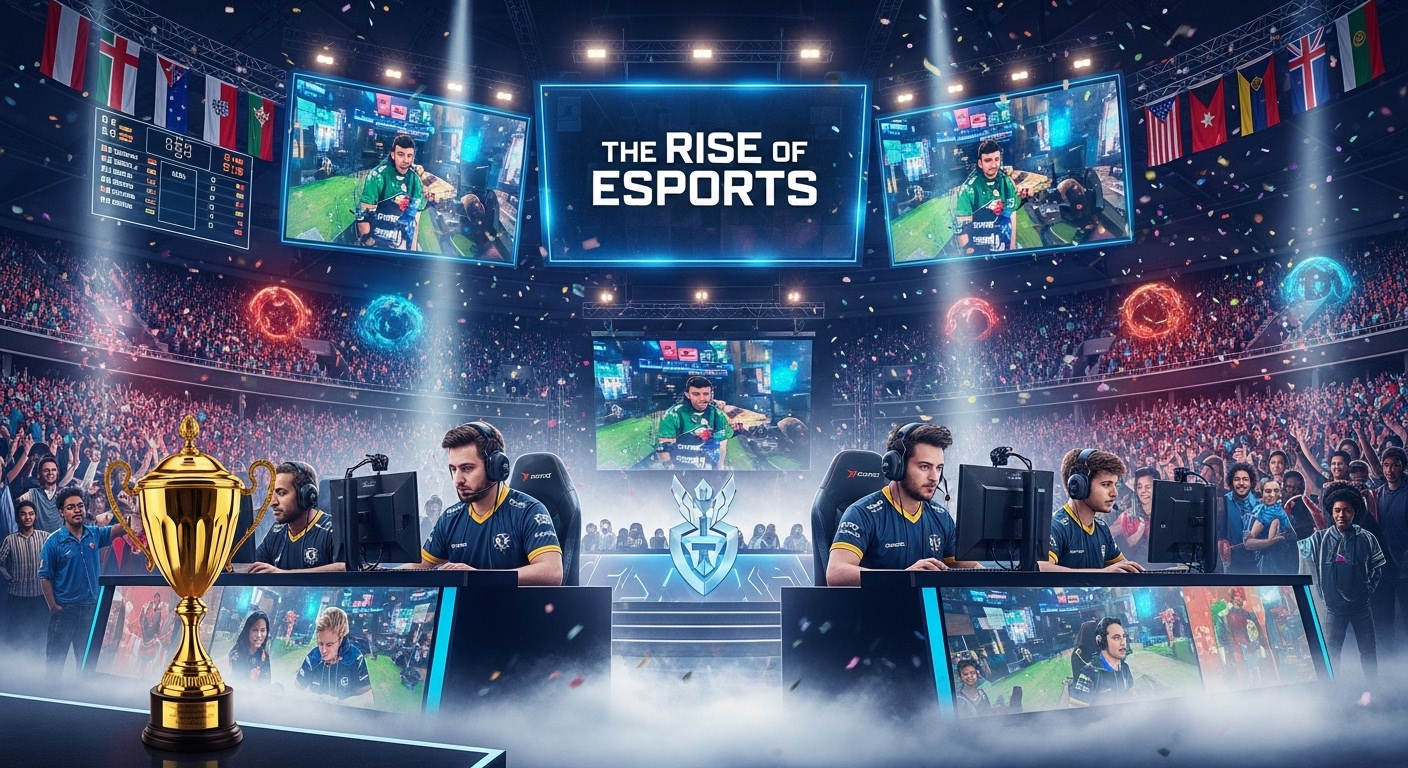
Esports, once a niche hobby enjoyed by a dedicated community, has rapidly transformed into a global phenomenon. From casual competitions to major international tournaments, esports now commands the attention of millions of viewers around the world. Competitive gaming has broken free from its origins in living rooms and internet cafes, evolving into a digital arena that rivals traditional sports in both popularity and influence. This post will explore how esports has evolved into a major force in the world of entertainment and the broader implications it has on society and culture.
A Brief History of Esports
The roots of esports can be traced back to the early days of multiplayer gaming. As online connectivity improved, games like StarCraft and Counter-Strike began to attract players who sought to test their skills in competitive environments. By the mid-2000s, large-scale tournaments like The International and the World Cyber Games provided a platform for top players to showcase their abilities. Esports’ growth accelerated with the rise of popular games such as League of Legends and Dota 2, which offered professional leagues and substantial prize pools. These developments marked the beginning of esports as a serious industry, creating the foundation for what it is today.
The Rise of Professional Gamers and Teams
The world of esports is not just about playing video games—it’s about mastering them. Professional players dedicate countless hours to refining their skills, studying game mechanics, and working with teammates to develop strategies. Like traditional athletes, esports professionals are sponsored by major brands, sign contracts, and compete in leagues across the globe. Organizations like Team Liquid, Cloud9, and FaZe Clan have become household names within the gaming community, fielding teams in various games and representing some of the best players in the world. These players and teams are celebrated as champions, with loyal fanbases that mirror the passion and enthusiasm of sports fans across the globe.
Tournaments: The Heartbeat of Esports
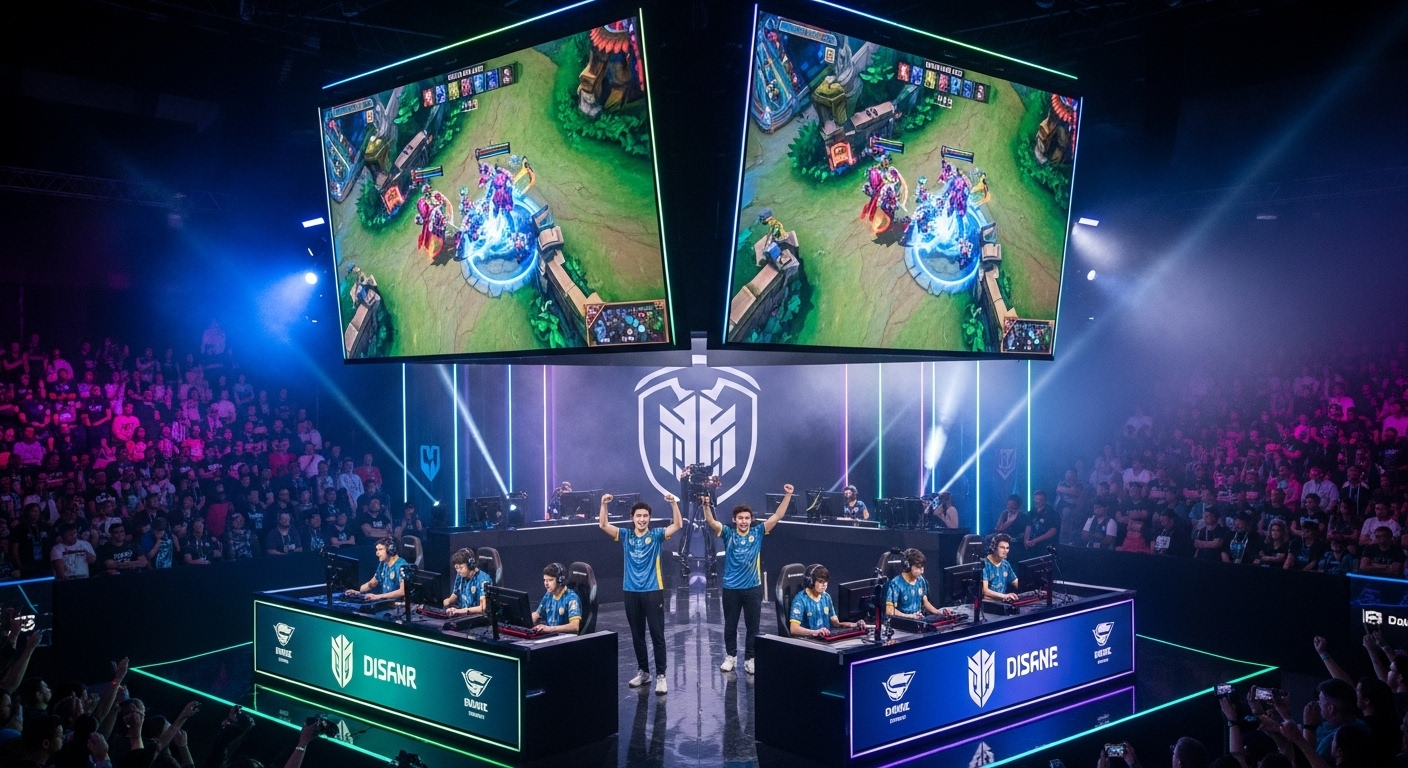
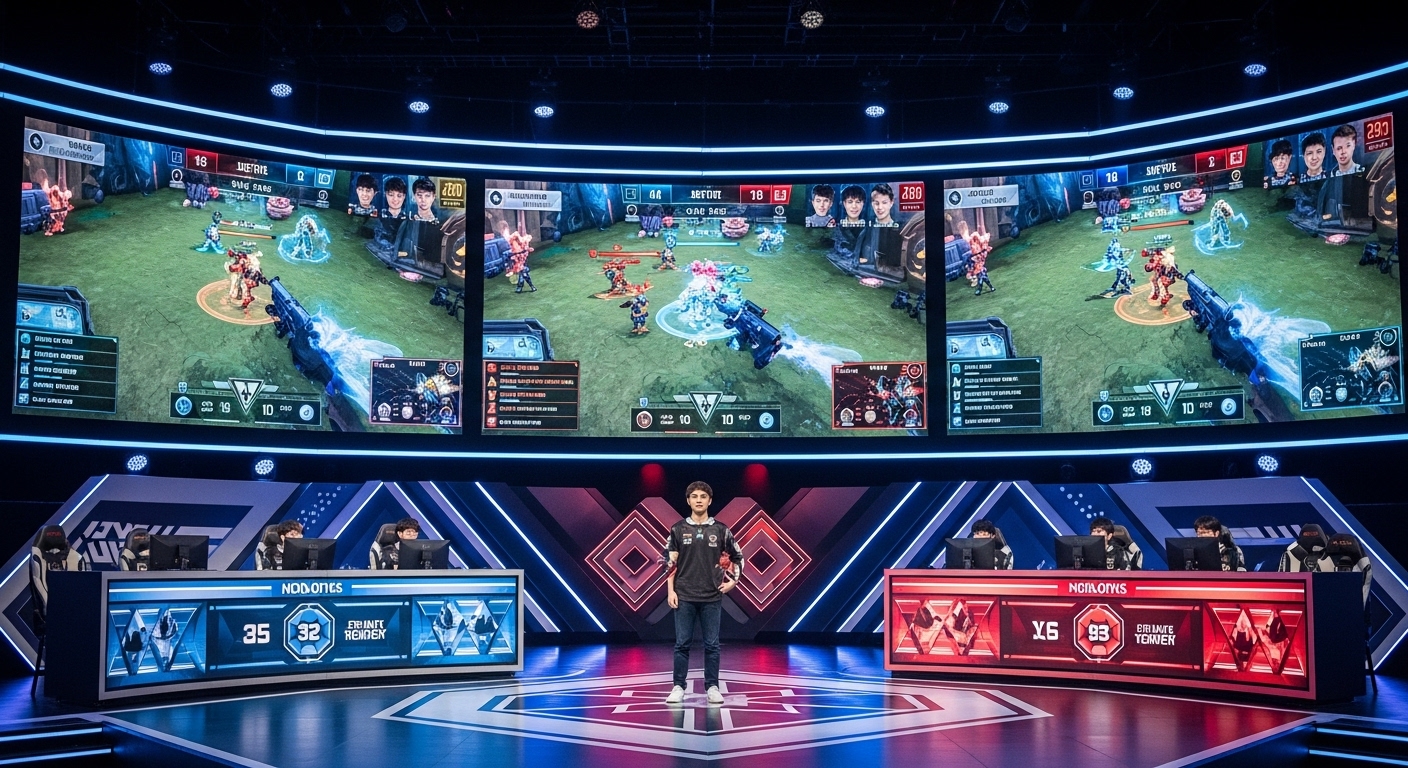
Esports tournaments are the backbone of the industry, drawing massive crowds both in person and online. Iconic tournaments such as The International for Dota 2, the League of Legends World Championship, and the CS:GO Majors are the pinnacle of competitive gaming. These events not only feature fierce competition but also offer astronomical prize pools, sometimes exceeding tens of millions of dollars. The grand finals of these tournaments are watched by millions of fans worldwide, with streams on platforms like Twitch, YouTube, and Facebook Gaming bringing the action directly into the homes of spectators. These tournaments not only showcase individual talent but also serve as a platform for gamers to make a name for themselves on the global stage.
Esports as a Business
Esports has quickly transitioned from a recreational activity into a booming business. Sponsorship deals with companies like Coca-Cola, Intel, and Samsung are a common sight, as major brands have recognized the growing influence of competitive gaming. In addition to sponsorships, streaming platforms, advertising, and media rights generate billions of dollars in revenue. The digital nature of esports also makes it a global enterprise, with fans tuning in from all corners of the world. As esports continues to grow, it’s clear that the industry will have a lasting impact on the economy, creating new job opportunities in marketing, event management, broadcasting, and game development.
The Role of Streaming in Esports
Streaming has played a pivotal role in the growth of esports. Platforms like Twitch, YouTube Gaming, and Facebook Gaming allow gamers to live-stream their gameplay, interact with fans in real-time, and build personal brands. Many professional players also stream their practice sessions, providing fans with an inside look at their training routines and strategies. Additionally, these platforms offer a space for aspiring gamers to showcase their talents and potentially break into the professional scene. Streaming has democratized the world of esports, allowing anyone with a computer and an internet connection to participate in this booming industry.
Esports and Education
Esports has even found a place in educational institutions, with many universities offering esports scholarships and establishing official teams. Academic programs related to esports management, game development, and broadcasting are also becoming increasingly common. The integration of esports into education reflects its legitimacy as a career path and its broader cultural impact. Students who are passionate about gaming now have the opportunity to pursue their interests while receiving formal education, creating a bridge between gaming and professional opportunities.
Challenges Facing the Esports Industry
Despite its rapid growth, the esports industry faces several challenges. Player burnout is a serious concern, as the demanding schedules of professional gamers often lead to exhaustion and mental fatigue. The pressure to perform consistently at the highest level can take a toll on both physical and mental health. Furthermore, the lack of standardized regulations in the esports ecosystem has led to issues such as cheating, match-fixing, and uneven team compensation. As the industry matures, these challenges will need to be addressed in order to ensure its sustainability and long-term success.
The Future of Esports
The future of esports looks incredibly promising. As technology continues to evolve, esports will likely see even more immersive and interactive experiences. Virtual reality (VR) and augmented reality (AR) could transform the way games are played and viewed, offering new dimensions of engagement. Mobile gaming is also on the rise, making esports more accessible to players and fans worldwide. Additionally, the continued expansion of esports into mainstream media, including television and large-scale live events, signals that esports is here to stay and will only continue to grow in influence.
Conclusion: Esports is Here to Stay
Esports has firmly established itself as a global force in the world of entertainment. With its massive fan base, professional players, and multi-billion-dollar industry, it’s clear that esports is not just a passing trend but a cultural revolution. As technology advances, new games emerge, and more fans engage with the content, the future of esports is limitless. What started as a subculture is now a major player in the world of sports, entertainment, and digital culture. For both players and fans alike, the world of esports offers endless opportunities for growth, connection, and excitement.