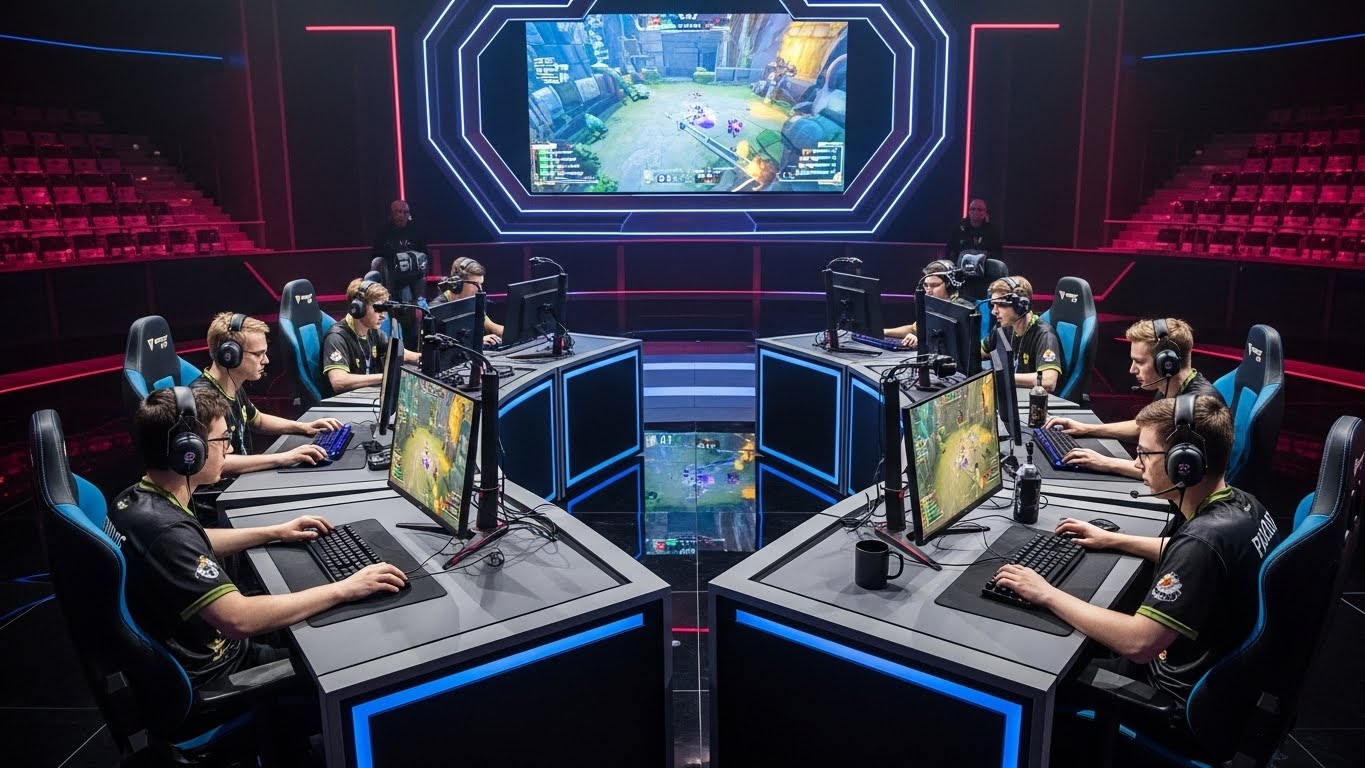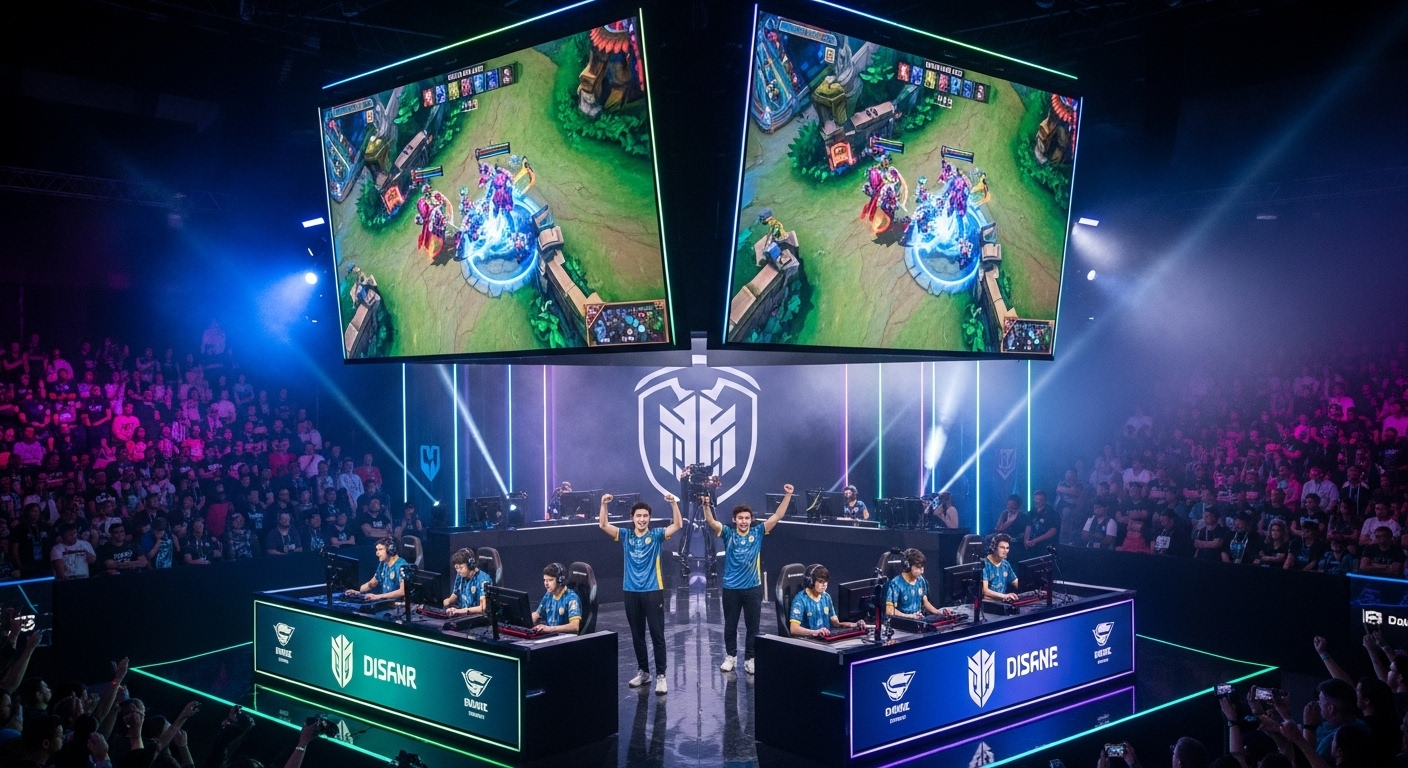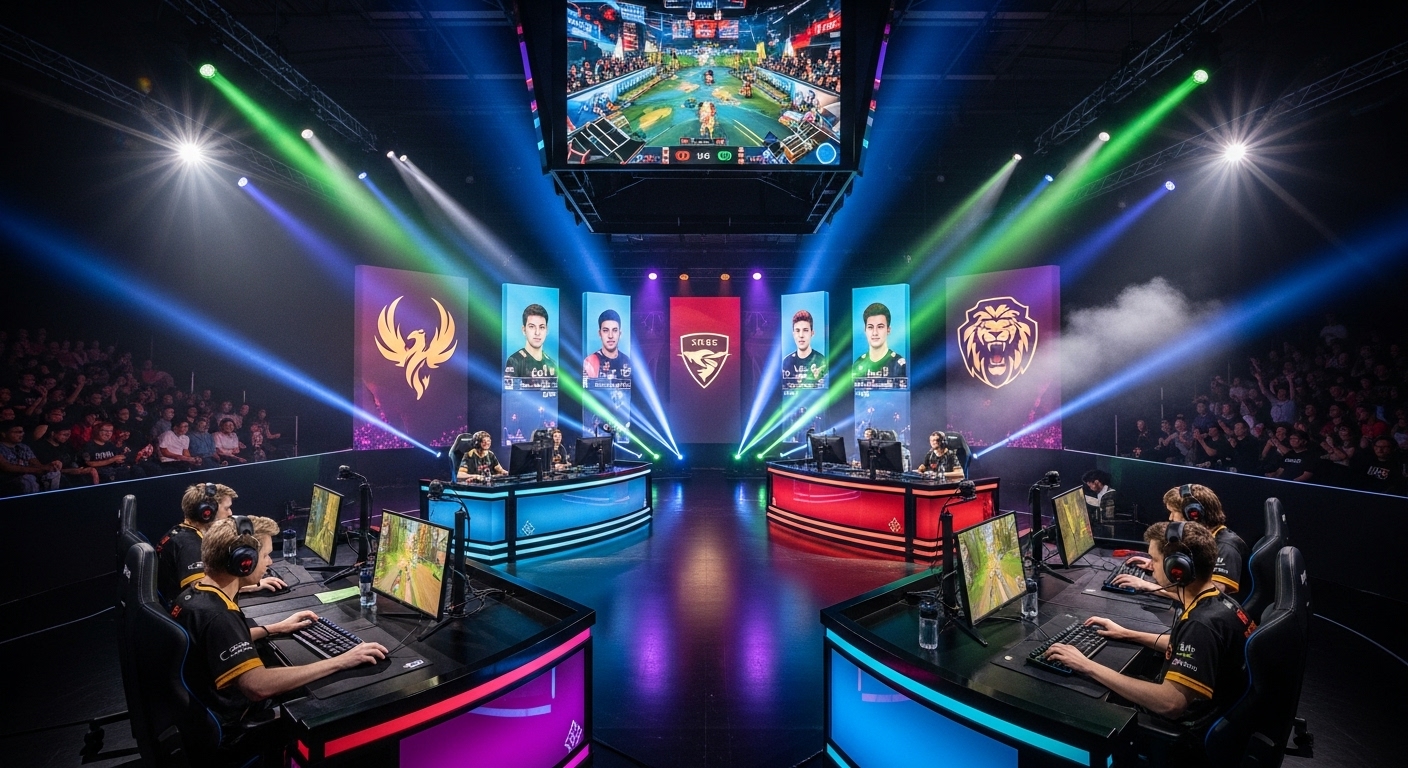
In the past decade, eSports has evolved from a niche hobby to a global phenomenon, attracting millions of fans, top-tier athletes, and massive sponsorships. As competitive gaming continues to grow, it’s becoming more apparent that eSports is not just a passing trend, but a transformative force in the world of entertainment. With dedicated leagues, intense competition, and huge financial rewards, eSports is rapidly changing the landscape of both gaming and traditional sports. This blog post will explore the rise of eSports, the key factors contributing to its success, and what the future holds for this rapidly growing industry.
The Rapid Rise of eSports
eSports, or competitive video gaming, has come a long way since its early days in arcades and local tournaments. While casual gaming has been a popular pastime for decades, the transformation of gaming into a professional sport began in the late 1990s and early 2000s. Early milestones like the Quake tournaments and the first StarCraft competitions paved the way for organized, large-scale gaming events. However, it wasn’t until the rise of broadband internet and streaming platforms like Twitch that eSports truly took off.
The first major breakthrough came with the global success of League of Legends, which not only became a popular game but also a competitive phenomenon. The League of Legends World Championship became an annual event that attracted millions of viewers from around the world. Around the same time, Dota 2’s The International tournament, with its record-breaking prize pools, also helped solidify eSports as a major force in entertainment.
Today, eSports encompasses a wide range of games, from multiplayer online battle arenas (MOBAs) like Dota 2 and League of Legends, to first-person shooters (FPS) like Counter-Strike: Global Offensive and Overwatch, as well as battle royales like Fortnite. What was once a small community of gamers has grown into a multibillion-dollar industry.
What Makes eSports So Popular?
The explosion of eSports popularity can be attributed to several key factors, including its accessibility, entertainment value, and growing sense of community.
Accessibility and Global Reach
One of the biggest factors in the rise of eSports is its accessibility. Unlike traditional sports, eSports does not require expensive equipment or specialized infrastructure. All you need is a gaming console or a computer, an internet connection, and a love for gaming. This makes it possible for anyone, anywhere in the world, to participate in competitive gaming.
Online platforms like Twitch, YouTube Gaming, and Facebook Gaming allow fans from different continents to watch live streams of major tournaments in real-time. Fans can also interact with players, streamers, and fellow spectators, fostering a sense of community that transcends borders. Additionally, the digital nature of eSports means that events can be watched from the comfort of one’s home, making it more convenient than traveling to a physical location for a traditional sports event.
Entertainment Value and High Stakes
eSports offers entertainment on a scale that is rivaled only by traditional sports. The intensity of live tournaments, the strategies involved, and the skill displayed by professional players all contribute to the excitement. Unlike casual gaming, where players may only focus on reaching a certain level or completing quests, professional eSports competitions are about the thrill of victory and the agony of defeat.
Tournaments such as The International and the League of Legends World Championship offer massive prize pools, often reaching tens of millions of dollars. The stakes are incredibly high for the players, as they compete for not only financial rewards but also international recognition. This creates a sense of drama and suspense that draws in millions of viewers. The strategies, team dynamics, and individual performances often rival that of any traditional sports league.
Professionalism and Recognition
As eSports continues to grow, it is becoming increasingly professionalized. Top-tier teams have coaches, analysts, and support staff, and they practice for hours each day to improve their gameplay. In many ways, the training and preparation involved in eSports is comparable to that of traditional athletes. Players must maintain peak physical and mental health to perform at their best.
This professionalism is mirrored in the growth of eSports organizations and leagues. Teams like Cloud9, Team Liquid, and Fnatic have become household names in the gaming world, and players like Faker (Lee Sang-hyeok) and s1mple (Aleksandr Kostyliev) have achieved global stardom. Many top-tier players have lucrative sponsorships, media deals, and social media followings, which make them just as recognizable as traditional sports stars.
Key Genres of eSports
eSports encompasses a wide range of game genres, each offering a different experience for both players and viewers. Some of the most popular genres include:
Multiplayer Online Battle Arenas (MOBAs)
MOBAs, such as League of Legends and Dota 2, are among the most prominent genres in competitive gaming. These games involve two teams of players, each controlling a unique character, with the goal of destroying the opponent’s base. MOBAs require teamwork, strategic thinking, and precise execution, making them perfect for competitive play. The high level of strategy involved in MOBAs creates intense matches that are both thrilling to play and watch.
First-Person Shooters (FPS)
First-person shooters, like Counter-Strike: Global Offensive (CS:GO) and Overwatch, are action-packed games where players compete to eliminate opponents or complete objectives. These games emphasize individual skill, fast reflexes, and accurate aim. The FPS genre has a long history in competitive gaming, with CS:GO continuing to be one of the most-watched games on streaming platforms. The explosive action and tactical gameplay make FPS games a staple in the eSports community.
Battle Royale
Battle Royale games like Fortnite and Apex Legends have taken the gaming world by storm. In these games, players compete to be the last one standing in a large, shrinking arena. These games often feature solo or team-based play, where survival and strategy are key to victory. The competitive nature of battle royale games, combined with their accessibility and large player bases, has made them a major force in the eSports scene.
Fighting Games
Fighting games, including Street Fighter, Tekken, and Super Smash Bros., are another prominent genre in eSports. These games feature one-on-one combat between players, where mastering specific moves and combos is essential. The fighting game community (FGC) has been around for decades, and events like EVO (Evolution Championship Series) are watched by millions of fans worldwide.
The Business of eSports
eSports is no longer just a hobby for gamers—it’s a global business. The industry generates billions of dollars annually, with revenue coming from sponsorships, broadcasting rights, ticket sales, merchandise, and advertising. Companies like Intel, Coca-Cola, and Nike have all invested heavily in eSports, recognizing its potential as a major source of revenue.
Sponsorships play a huge role in the financial success of eSports teams and events. Major brands are eager to reach the young, tech-savvy audience that makes up the majority of eSports fans. The growing interest in eSports has also led to increased investment in infrastructure, such as eSports arenas and training facilities.
Another major revenue stream is live streaming. Platforms like Twitch have become a central hub for eSports content, allowing players to broadcast their gameplay to a global audience. Fans can donate to their favorite streamers, purchase subscriptions, or buy in-game items, all of which contribute to the growing economic power of the eSports ecosystem.
The Future of eSports
The future of eSports looks incredibly bright. With new technologies like virtual reality (VR) and augmented reality (AR) beginning to take hold, the next generation of competitive gaming could be more immersive than ever before. As internet speeds continue to improve and streaming technology advances, eSports will only become more accessible to a global audience.
There is also a growing trend of eSports becoming more integrated with traditional sports. Major sports leagues like the NBA, NFL, and others have started to invest in eSports, either by sponsoring teams or creating their own leagues. This cross-pollination between eSports and traditional sports is likely to lead to even more mainstream acceptance and recognition for competitive gaming.
Finally, eSports’ increasing presence in educational institutions, with universities offering scholarships and even degrees in eSports management, suggests that gaming could eventually become an official, recognized part of the athletic and academic landscape.
Conclusion: eSports is Here to Stay
eSports has come a long way from its humble beginnings, evolving into a global entertainment industry that rivals traditional sports in terms of viewership, revenue, and prestige. With its accessibility, high-stakes competitions, and professionalized players, eSports is changing the way we think about gaming and sports. The future holds even more potential, with continued technological advancements, increased investment, and growing international interest.
As eSports continues to grow, it will undoubtedly become an even more integral part of the entertainment industry, captivating new audiences and creating new opportunities for players, fans, and investors alike. Whether you’re a passionate gamer, a fan of intense competition, or simply someone interested in the next big thing in entertainment, eSports is here to stay, and its future looks brighter than ever.