Introduction
In the past two decades, esports has grown from small gaming tournaments in local community halls to massive global events filling entire stadiums and drawing millions of viewers online. What was once considered a hobby or a pastime has transformed into one of the most powerful entertainment industries in the world. The rise of esports represents more than just the popularity of video games—it symbolizes a cultural and technological revolution that has changed how people play, compete, and connect.
This blog explores the world of esports in depth, tracing its origins, evolution, impact, challenges, and what lies ahead. From the early days of LAN parties to the multi-million-dollar professional leagues of today, esports has rewritten the definition of competition and entertainment for a new digital generation.
The Origins of Esports
The roots of esports can be traced back to the late 1970s and early 1980s when the first competitive video game tournaments began to appear. One of the earliest recorded competitions was held at Stanford University in 1972 for the game Spacewar!, where players competed for a year’s subscription to Rolling Stone magazine. It was a modest beginning, but it set the stage for what was to come.
By the 1980s, arcade games such as Pac-Man, Donkey Kong, and Space Invaders became the battlegrounds for high-score chasers. The 1980 Space Invaders Championship organized by Atari attracted over ten thousand participants across the United States, marking one of the first large-scale gaming competitions in history.
The 1990s saw the birth of multiplayer PC gaming, which became the foundation of modern esports. Games like Doom, Quake, and StarCraft allowed players to compete directly through local area networks (LAN). This new level of interactivity gave rise to professional gaming teams, clans, and the first global tournaments.
The Evolution into a Global Phenomenon
The early 2000s were a turning point. With the spread of broadband internet and the development of online gaming platforms, esports began to grow exponentially. Titles like Counter-Strike, Warcraft III, Halo, and Dota became central to a rapidly expanding competitive scene.
The emergence of streaming platforms later in the decade, most notably Twitch, transformed how fans consumed esports. For the first time, anyone could watch professional gamers live from anywhere in the world. This accessibility created a powerful community-driven culture and turned esports into a spectator sport on par with traditional sports broadcasts.
The 2010s were the decade when esports went truly mainstream. The introduction of games like League of Legends, Dota 2, and Overwatch brought massive audiences and financial backing. Prize pools reached millions of dollars, and international tournaments such as The International and the League of Legends World Championship drew viewers in numbers rivaling major sporting events like the Super Bowl.
The Professionalization of Esports
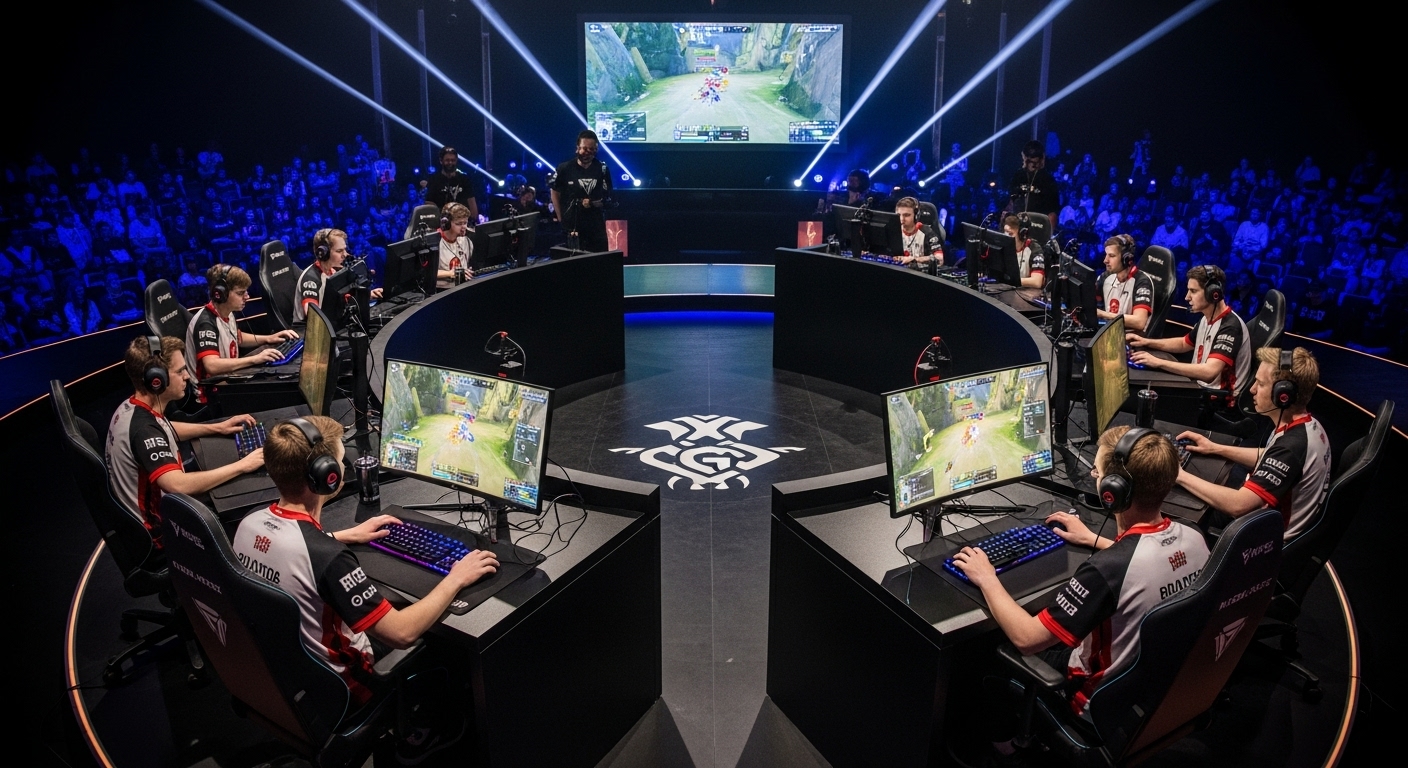
As esports grew, so did its structure and professionalism. What was once an informal collection of small tournaments evolved into a sophisticated ecosystem resembling traditional sports leagues. Teams began to employ coaches, analysts, psychologists, nutritionists, and managers to improve player performance.
Organizations such as Team Liquid, Cloud9, Fnatic, and T1 became globally recognized brands, attracting sponsorships from major companies in technology, automotive, and even fashion industries. Esports players began earning salaries, signing contracts, and building fanbases comparable to famous athletes.
Franchised leagues, such as the Overwatch League and League of Legends Championship Series, adopted city-based team models, much like the NBA or NFL. This shift solidified esports as a legitimate industry with clear career paths for players, commentators, content creators, and event organizers.
The Role of Technology in Esports
Technology has always been the driving force behind esports. Without advancements in internet speed, streaming quality, and hardware performance, competitive gaming could not have reached its current scale.
High-performance gaming PCs, advanced monitors, and low-latency peripherals allow players to perform with precision and consistency. Streaming technology has also evolved to deliver high-definition broadcasts to millions without lag, creating an immersive viewing experience.
The rise of virtual reality (VR) and augmented reality (AR) is also beginning to influence esports. Although still in its early stages, VR esports titles like Beat Saber and Echo Arena are gaining traction. Cloud gaming platforms are removing hardware barriers, enabling players from all backgrounds to compete at the same level regardless of their device specifications.
Esports as a Cultural Movement
Beyond the games themselves, esports has become a cultural phenomenon. It has influenced fashion, music, social media, and even education. Major celebrities, musicians, and athletes have invested in esports teams or participated in gaming events. Artists perform at tournament openings, and fashion brands release limited-edition collaborations with esports organizations.
Esports also represents a generational shift. Unlike traditional sports that rely on physical prowess, esports rewards mental agility, reflexes, strategy, and teamwork. It provides a platform for young people to showcase their talents and build careers doing what they love.
In many ways, esports has also broken geographical and cultural boundaries. Players from different continents compete on the same stage, communicating through the universal language of gaming. Countries like South Korea, China, the United States, and Sweden have become powerhouses in the industry, while developing regions in Southeast Asia, South America, and the Middle East are emerging rapidly.
The Esports Economy
The business side of esports is staggering. Industry reports estimate that the global esports market has surpassed the billion-dollar mark, with revenue streams coming from sponsorships, advertising, merchandise, media rights, and ticket sales.
Brands see esports as an opportunity to connect with a young, tech-savvy audience that traditional advertising often struggles to reach. Sponsorship deals now include everything from gaming peripherals to energy drinks, cars, and financial services.
Moreover, esports tourism is becoming a significant trend. Fans travel across countries to attend major tournaments, much like football or basketball enthusiasts. Cities that host these events experience boosts in local economies through tourism, hospitality, and media exposure.
Education and Career Opportunities in Esports
The rise of esports has also opened academic and professional pathways. Universities around the world now offer esports scholarships, degree programs in game management, and courses in broadcasting and digital marketing tailored to the industry.
Students can study the business of esports, event production, or game design while participating in official college leagues. These initiatives help legitimize gaming as a viable career and attract more talent to the industry.
Career opportunities go far beyond being a player. The ecosystem includes coaches, commentators (casters), analysts, marketing specialists, content creators, tournament organizers, and more. The diversity of roles reflects how esports has matured into a complete entertainment industry with various specializations.
The Global Audience and Fan Culture
One of the defining aspects of esports is its passionate and highly engaged fan base. Unlike traditional sports, esports fans often interact directly with players and teams through social media, live chats, and community platforms. This interaction creates a stronger bond and sense of belonging.
Fans don’t just watch—they participate. They create memes, fan art, and highlight compilations, contributing to the culture surrounding their favorite games. Many fans also become players themselves, blurring the line between spectator and participant.
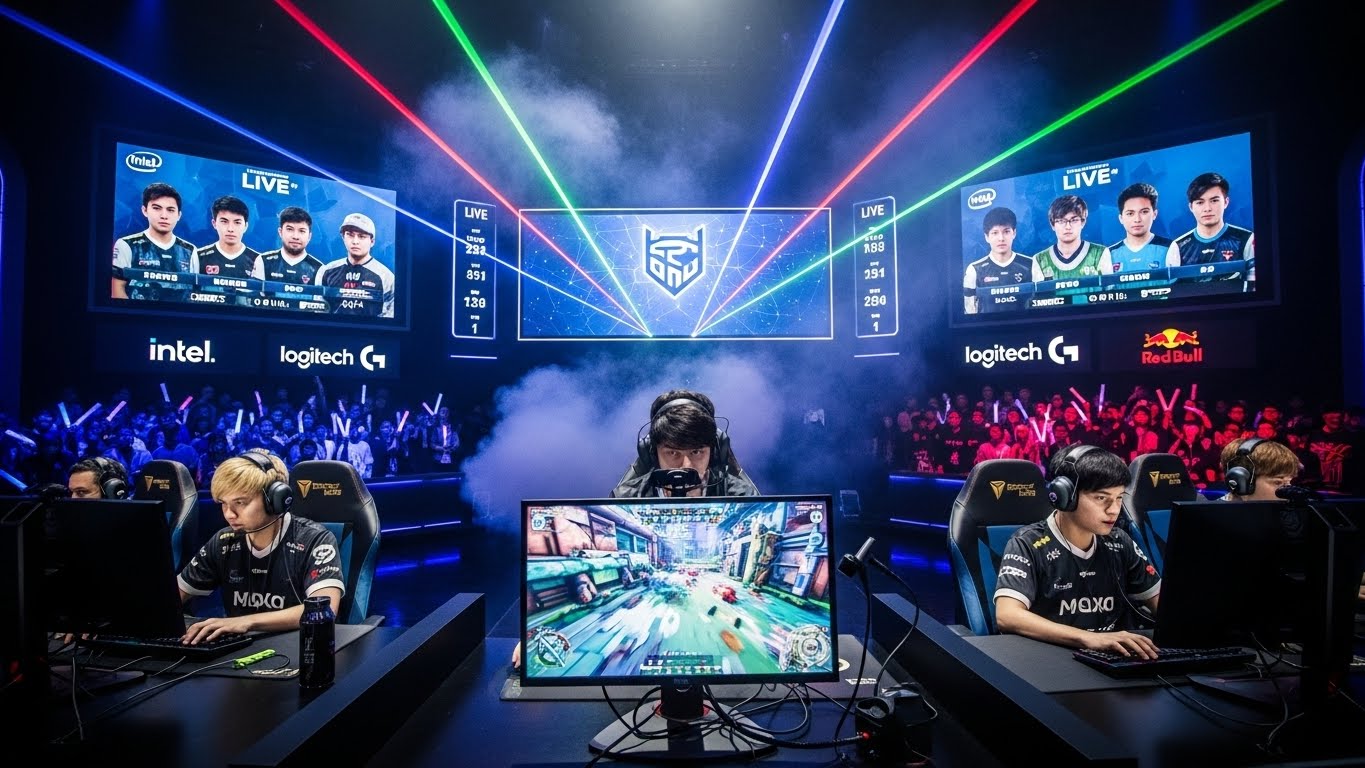
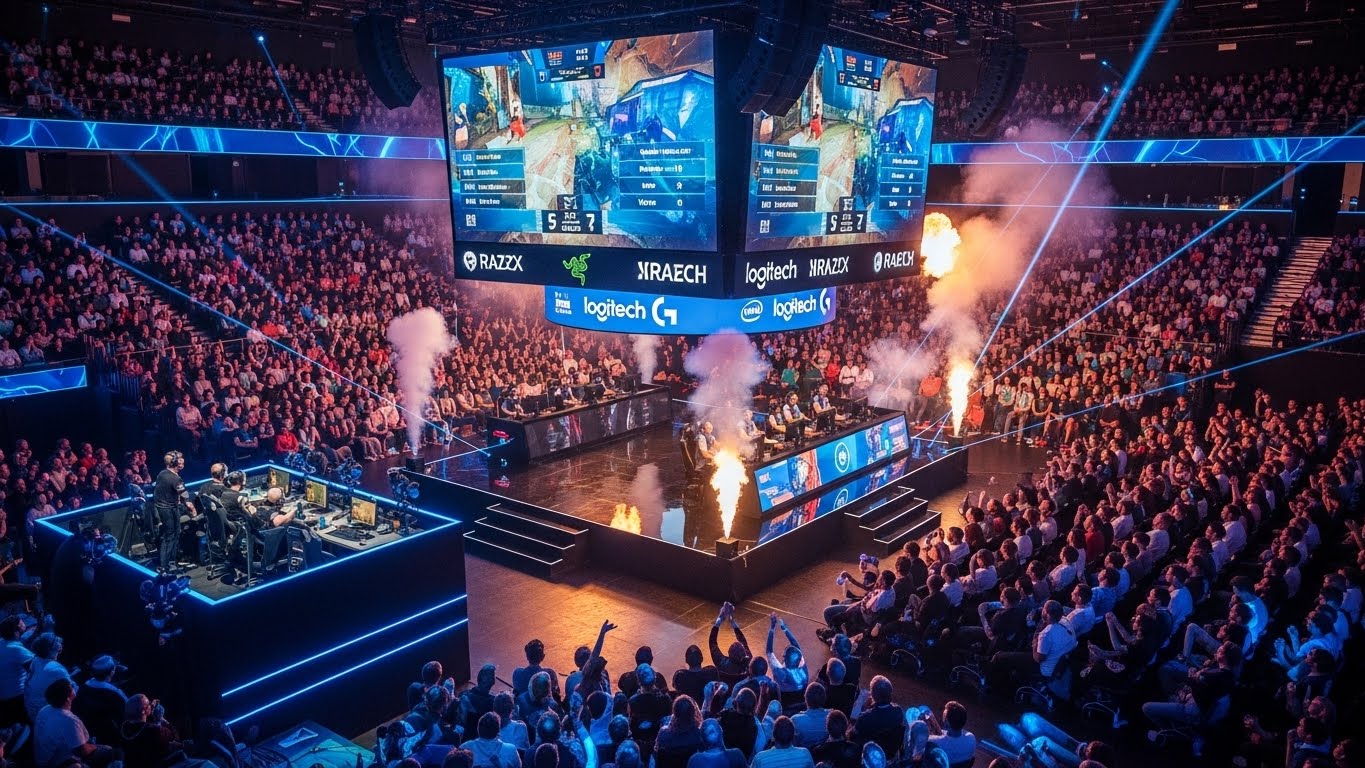
Live events further amplify the experience. Stadiums filled with thousands of cheering fans, dramatic lighting, and booming soundtracks create an electric atmosphere. The excitement rivals that of any major sporting event, proving that esports has captured the hearts of millions worldwide.
The Challenges Facing Esports
Despite its success, esports faces several challenges that must be addressed for sustainable growth.
One major issue is player burnout. Professional gamers often train for up to twelve hours a day, leading to mental and physical strain. The competitive nature of the industry also means short career spans, with many players retiring before the age of 25.
Another challenge is maintaining competitive integrity. Issues like cheating, match-fixing, and doping (using stimulants to enhance performance) have occasionally marred the reputation of esports. Establishing stricter regulations and player welfare programs is essential to preserving fairness.
Additionally, the industry must continue to work on inclusivity and representation. While the player base is diverse, professional esports still lacks gender balance and equal opportunities for underrepresented groups. Encouraging diversity will strengthen the industry’s credibility and reach.
Esports and Traditional Sports: The Convergence
Initially, traditional sports organizations viewed esports as competition. However, over time, the relationship has evolved into collaboration. Many football clubs, basketball teams, and even racing organizations now have their own esports divisions.
Games like FIFA, NBA 2K, and Formula 1 Esports have bridged the gap between real-world sports and digital competition. These collaborations bring mutual benefits—sports organizations tap into younger audiences, while esports gains legitimacy and resources from established institutions.
Some experts believe the future of sports entertainment will be a fusion of both worlds, where digital and physical competition coexist and complement each other.
The Future of Esports
The future of esports looks brighter than ever. With advancements in artificial intelligence, virtual reality, and immersive technologies, the experience for players and fans will only become more engaging.
As 5G and cloud computing continue to expand, accessibility will improve, allowing more players from diverse backgrounds to compete on a global scale. Esports is also likely to see greater integration into mainstream entertainment, education, and media industries.
In the coming years, esports could even find a place in global sporting events like the Olympics. Discussions have already begun about recognizing esports as an official discipline, which would mark a historic milestone in its evolution.
The growth of mobile esports, particularly in regions like Asia, is another promising trend. Games such as PUBG Mobile, Mobile Legends, and Free Fire have proven that high-level competition can thrive beyond traditional PC and console platforms.
The Human Element Behind the Screen
While technology drives esports, its soul lies in the people who make it possible—the players, fans, casters, coaches, and creators. Every tournament tells a story of passion, perseverance, and teamwork. Players who once competed in their bedrooms now stand on international stages, inspiring millions.
Esports teaches valuable lessons about discipline, strategy, and collaboration. It demonstrates that competition can be intellectual and digital while still evoking the same emotions as physical sports. The human connection, the triumphs, and the heartbreaks are what truly define the spirit of esports.
Conclusion
Esports has transcended its origins to become a global force that combines entertainment, technology, and community. It represents the future of competition—a world where anyone with skill, dedication, and passion can rise to the top regardless of background or location.
From humble beginnings to billion-dollar arenas, esports is not just about playing games; it’s about redefining what it means to compete and connect in the modern era. As the industry continues to grow, it will shape the next generation of entertainment, education, and digital culture.