Introduction
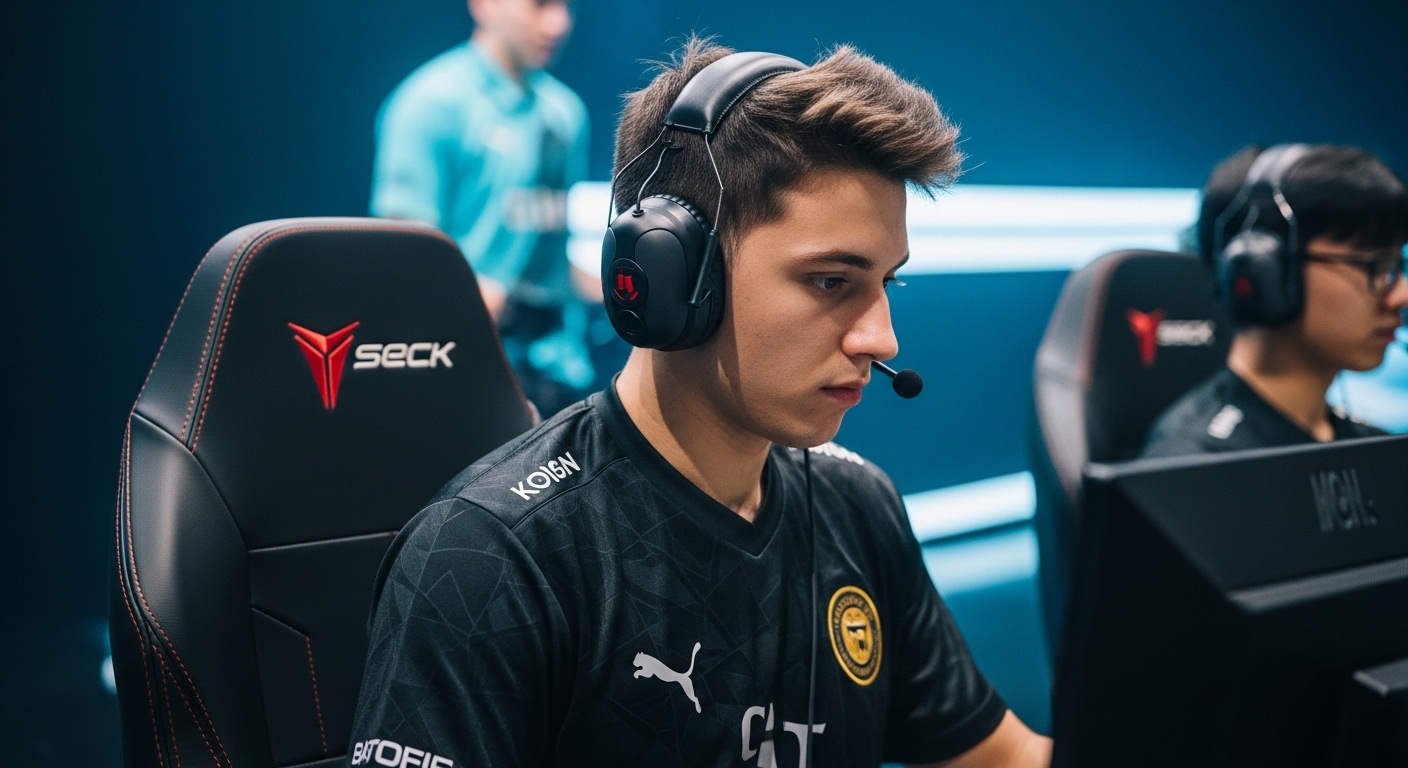
Esports, or electronic sports, has emerged as one of the fastest-growing entertainment industries in the world. From small gatherings of passionate gamers to international tournaments broadcasted to millions, esports has transformed competitive gaming into a professional and cultural phenomenon. It combines technology, skill, strategy, and entertainment, creating a unique arena where players, fans, and brands converge.
The growth of esports is not just a reflection of technological advancements but also a testament to human creativity, competition, and community building. Unlike traditional sports, esports thrives in digital environments, making it accessible to global audiences and fostering connections across countries, cultures, and languages. Esports is now a professional ecosystem with structured leagues, dedicated players, and an ever-expanding audience.
Origins of Competitive Gaming
Competitive gaming dates back to the 1970s and 1980s with the rise of arcade games. Classic titles such as Pong, Space Invaders, and Pac-Man introduced players to high-score competitions, turning casual gameplay into a test of skill and strategy. Arcades became social spaces where players could challenge each other, celebrate victories, and form communities. These early competitions laid the foundation for organized gaming culture.
During the 1990s, multiplayer games like Doom, Quake, and StarCraft enabled players to compete over local networks and eventually the internet. Online gaming allowed communities to expand beyond physical spaces, connecting players worldwide. Forums, chat rooms, and early gaming networks became hubs for collaboration, rivalry, and the sharing of strategies, creating the first international esports communities.
Professionalization of Esports
The 2000s marked the professionalization of esports. Competitive gaming became more structured with leagues, tournaments, and sponsorships. Titles like Counter-Strike, Warcraft III, and Halo offered formal competition with prize money, allowing players to pursue gaming as a full-time career. Professional teams and management structures emerged, creating an environment similar to traditional sports organizations.
The introduction of live streaming platforms revolutionized esports by allowing fans to watch competitions in real time. Streamers could engage directly with audiences, creating interactive experiences that mirrored traditional sports broadcasting. This accessibility expanded the reach of esports, attracting viewers who might not have played the games themselves.
Iconic Esports Titles
Several games have shaped the competitive landscape of esports. League of Legends, released in 2009, became a cornerstone of the industry with its professional leagues and world championships. Dota 2 set new standards with massive prize pools and international tournaments, demonstrating the financial and cultural potential of esports.
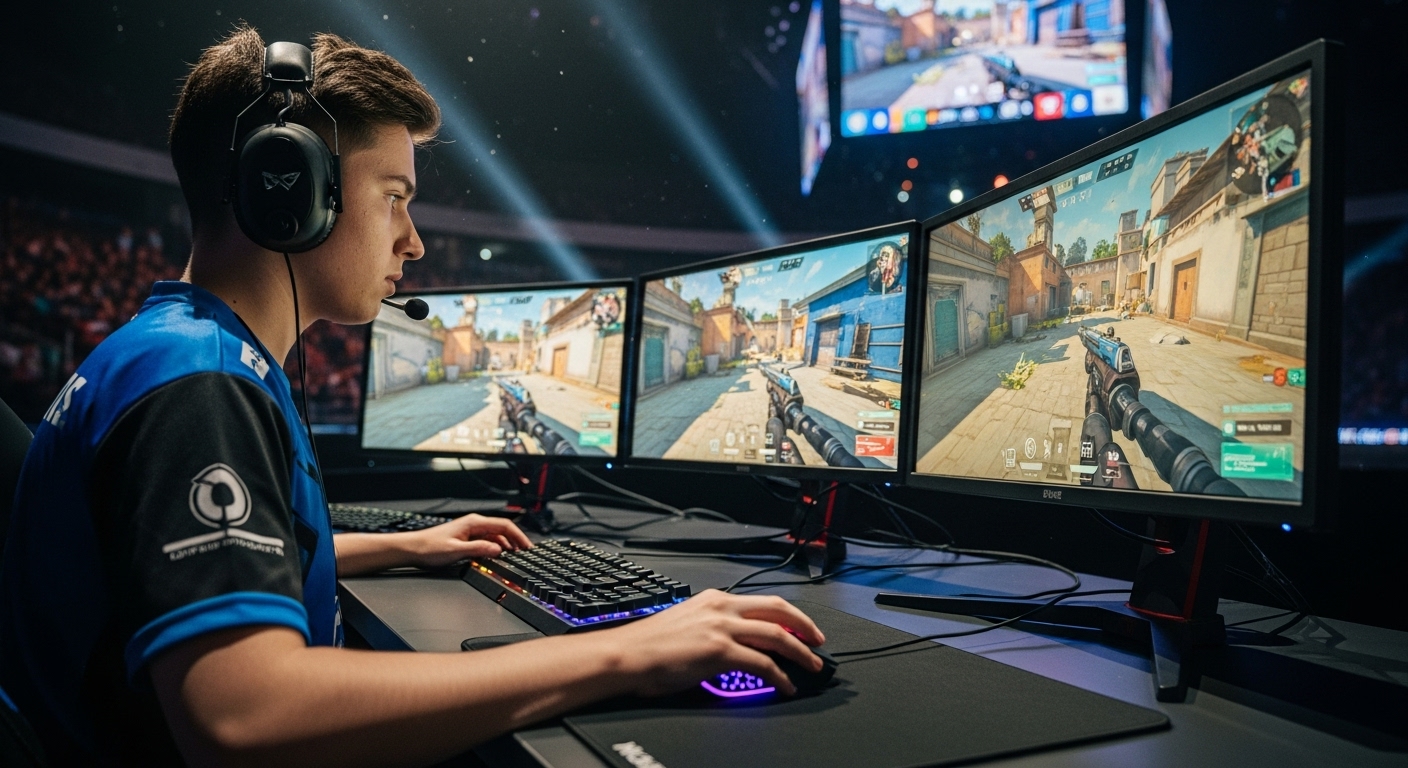
First-person shooters such as Counter-Strike: Global Offensive and Overwatch provided fast-paced, team-based competition that required precision, strategy, and communication. Battle royale games like Fortnite introduced younger audiences to esports while blending competitive gameplay with social interaction and streaming culture. Each game contributes to the diversity and richness of esports, appealing to different skills, strategies, and fanbases.
Structure of Esports Leagues
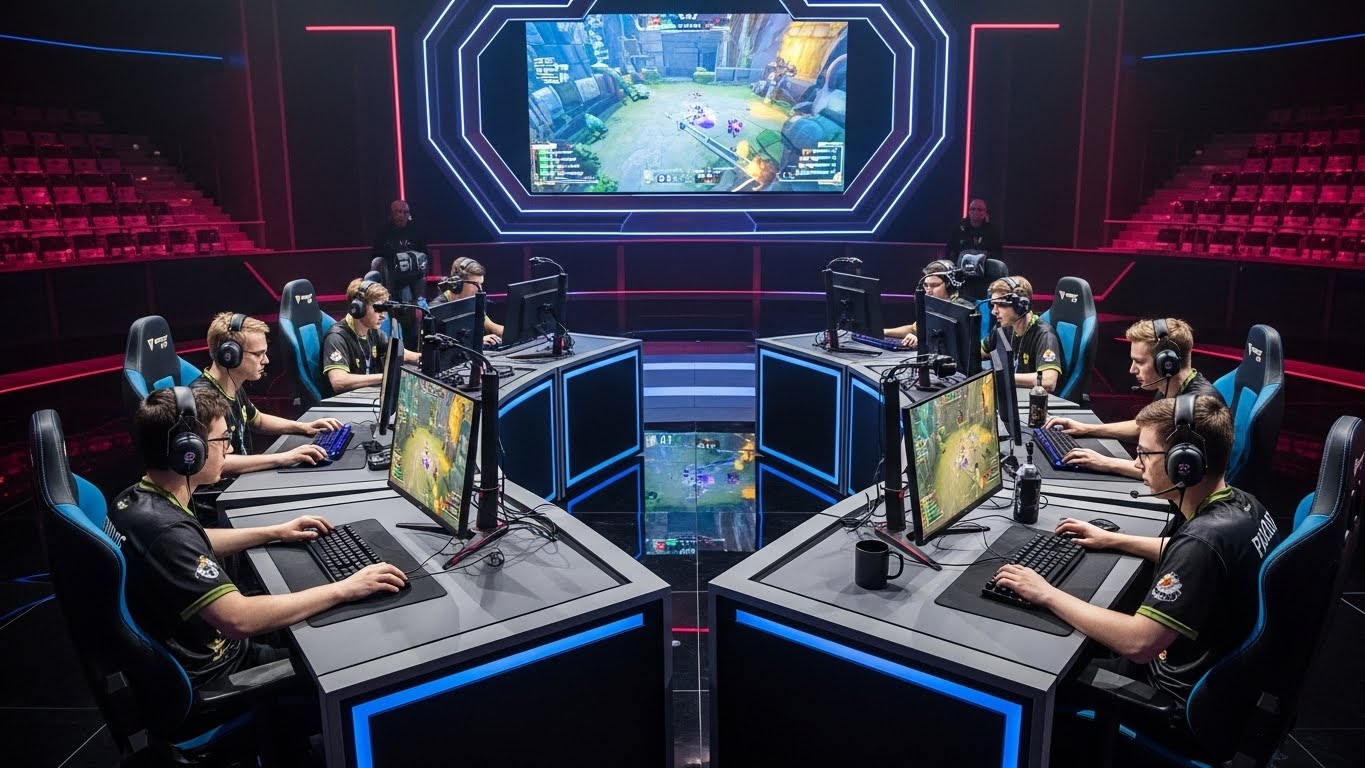
Esports leagues operate with professional structures similar to traditional sports. Teams often include owners, managers, coaches, analysts, and support staff. Leagues such as the Overwatch League, League of Legends Championship Series, and Call of Duty League follow seasonal schedules with playoffs and championships.
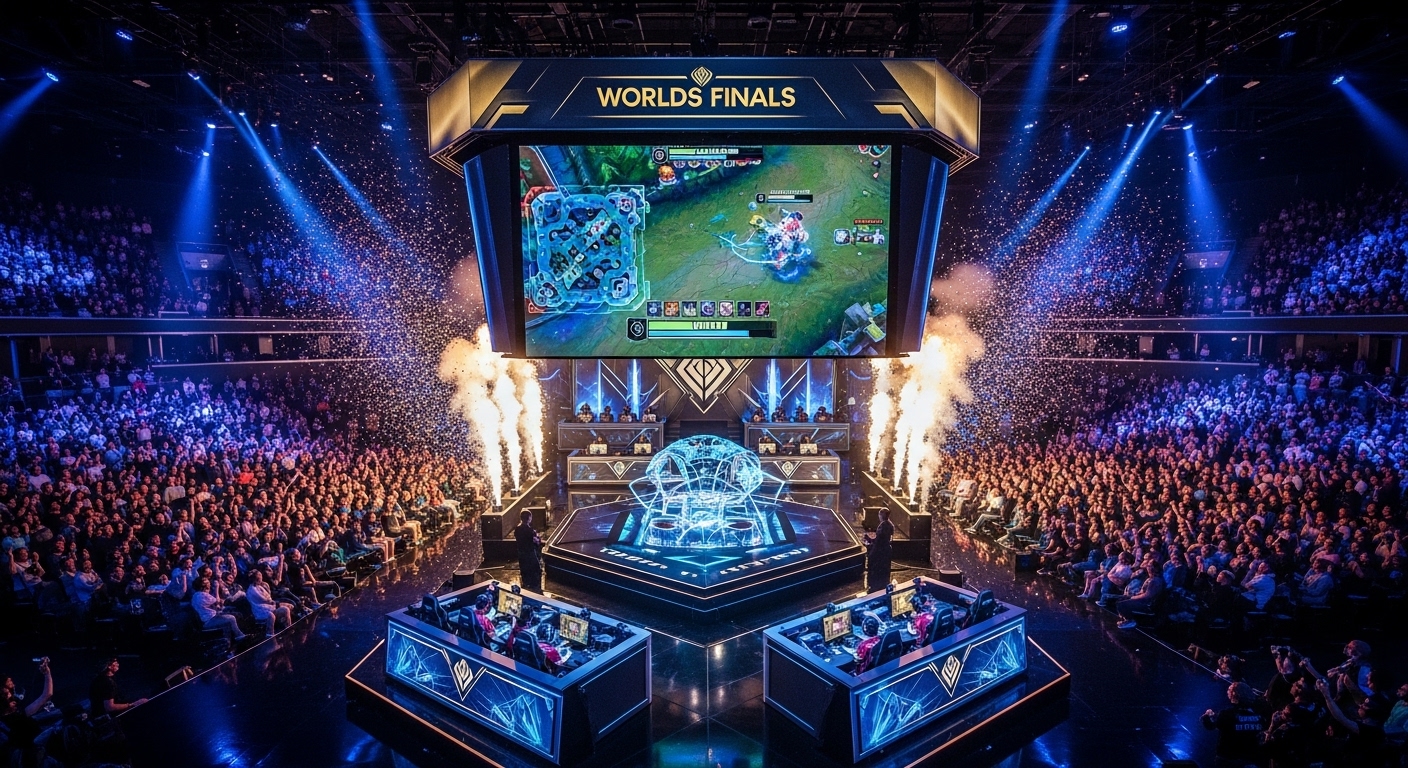
Tournaments vary from online qualifiers to live international events hosted in arenas. Prize pools can reach millions of dollars, drawing elite players and global attention. Structured leagues provide stability for players, consistent entertainment for fans, and opportunities for sponsors and brands to engage with audiences.
The Role of Streaming Platforms
Streaming platforms are central to esports’ growth. Twitch, YouTube Gaming, and other services allow fans to watch live competitions, interact with players, and participate in a global community. Streamers themselves have become celebrities, building personal brands and influencing gaming culture.
The interactivity of streaming differentiates esports from traditional sports. Fans can comment in real time, share insights, and even influence certain events. This engagement creates a strong sense of community, encouraging fans to invest emotionally and socially in the esports ecosystem.
Careers in Esports
Esports offers numerous career opportunities beyond playing professionally. Coaches and analysts develop strategies and analyze gameplay, optimizing team performance. Managers handle logistics, sponsorships, and operational decisions. Commentators and broadcasters provide live coverage and entertainment for audiences.
Content creators produce tutorials, lifestyle videos, and commentary, extending fan engagement beyond live matches. Other roles in event management, marketing, production, and game development support the industry, creating sustainable career paths for those passionate about gaming and digital entertainment.
Economics of Esports
Esports has become a multi-billion-dollar industry. Revenue comes from sponsorships, advertising, ticket sales, merchandise, media rights, and streaming subscriptions. Brands recognize esports as an opportunity to engage with younger, highly interactive audiences, leading to partnerships with technology companies, beverage brands, apparel lines, and more.
Prize pools in esports have grown exponentially. Events like The International for Dota 2 feature multi-million-dollar prizes, funded partially by community contributions. This financial growth underscores esports’ legitimacy as a professional industry and highlights its potential for future expansion.
Global Cultural Impact
Esports has transcended geographic and cultural boundaries. Players and fans from around the world compete and connect online, forming communities centered around shared interests. Countries like South Korea, China, and the United States have become hubs for professional esports, producing world-class teams and players.
The cultural impact of esports extends beyond gaming. Professional players influence fashion, music, and digital media. Gaming has become a lifestyle, with fans and players adopting rituals, terminology, and values from the esports community. Esports’ cultural influence demonstrates its role as a defining feature of digital society.
Esports and Traditional Sports
Esports has influenced traditional sports by introducing digital engagement strategies, streaming content, and interactive fan experiences. Many sports organizations now invest in esports teams to reach younger audiences and expand their digital presence.
Collaborations between esports and traditional sports have led to hybrid events, cross-promotional content, and marketing opportunities. These intersections show that esports is not just a niche activity but a major force shaping the future of entertainment and sports culture.
Educational Integration
Esports is increasingly recognized in educational settings. Schools and universities offer esports programs, scholarships, and competitive teams, recognizing its value in developing strategic thinking, teamwork, and digital literacy.
Collegiate esports leagues provide students with competitive experience while pursuing education. This integration legitimizes esports as a career pathway and fosters the next generation of players, analysts, and industry professionals.
Technology Driving Esports
Technology is fundamental to esports performance and engagement. High-speed internet, gaming peripherals, powerful computers, and broadcasting equipment enable seamless gameplay and immersive experiences. Analytics software helps teams review gameplay, optimize strategies, and gain competitive advantages.
Emerging technologies such as virtual reality, augmented reality, and artificial intelligence are expanding the possibilities of esports. Immersive environments and adaptive gameplay create richer experiences for both players and viewers, ensuring that esports remains dynamic and innovative.
Challenges Facing the Industry
Despite its rapid growth, esports faces challenges. Player health, including mental and physical well-being, is a concern due to long practice hours and competitive stress. Online harassment and toxicity in gaming communities also threaten both players and fans.
Regulatory challenges, inconsistent rules, and contract disputes are additional hurdles. The industry must balance rapid growth with ethical considerations, fair compensation, inclusivity, and player welfare to ensure long-term sustainability and legitimacy.
Future Prospects
The future of esports is promising. Virtual reality, augmented reality, and artificial intelligence will create immersive and interactive experiences. Global connectivity will expand audience participation, opening new opportunities for engagement, sponsorship, and monetization.
Esports will continue to intersect with traditional sports, entertainment, and media, creating hybrid experiences and cross-industry collaborations. Educational programs and professional infrastructure will nurture talent, reinforcing esports as a legitimate and sustainable career pathway.
Conclusion
Esports has evolved from a casual pastime into a global industry with profound cultural, economic, and technological significance. It offers opportunities for careers, community building, entertainment, and innovation, challenging traditional notions of competition and sportsmanship.
Its combination of strategy, skill, technology, and cultural influence ensures that esports will continue to shape the future of gaming, entertainment, and sports. Esports is more than a game—it is a cultural movement, a professional ecosystem, and a testament to human creativity, competition, and connection.