Introduction
Esports, short for electronic sports, has grown from niche competitions among friends into a global phenomenon that rivals traditional sports in popularity, viewership, and revenue. What once began as casual gaming competitions in small local communities has now evolved into an industry that spans continents, encompasses professional leagues, and draws millions of viewers online. The rise of esports represents not only a shift in entertainment but a cultural transformation, bridging technology, sportsmanship, and digital communities.
The appeal of esports lies in its combination of strategy, skill, and spectacle. Players compete in a variety of genres, from first-person shooters and real-time strategy games to sports simulations and battle royales. Beyond the gameplay, esports is about community, fandom, and the shared experience of watching talent perform at the highest level. In this exploration, we delve into the history, growth, and impact of esports, as well as its current structure, business models, and future potential.
The Origins of Competitive Gaming
Competitive gaming has been around as long as video games themselves. Early arcade competitions in the 1980s allowed players to showcase their skills in titles like Pac-Man, Donkey Kong, and Space Invaders. High scores on arcade machines were public, turning casual gaming into competitive entertainment.
The late 1990s saw a major shift with the rise of PC gaming. Titles like StarCraft, Counter-Strike, and Quake became staples of competitive play. Players began organizing local tournaments, and internet connectivity allowed them to challenge competitors from other cities and countries. These developments laid the foundation for modern esports leagues and tournaments.
Early esports were primarily community-driven, organized by fans and small companies. Despite limited funding, the dedication of players and viewers demonstrated the potential for competitive gaming as a legitimate sport.
The Rise of Professional Esports
The 2000s marked a turning point in esports with the establishment of professional teams and leagues. South Korea played a particularly pivotal role in popularizing esports, especially with StarCraft. The game became a national obsession, supported by professional leagues, televised matches, and dedicated gaming arenas. Players gained celebrity status, and sponsors began investing in the scene.
In North America and Europe, games like Counter-Strike, League of Legends, and Dota 2 laid the groundwork for a global esports ecosystem. Professional teams emerged, complete with coaching staff, analysts, and training facilities. Esports tournaments began offering substantial prize pools, attracting the best talent worldwide.
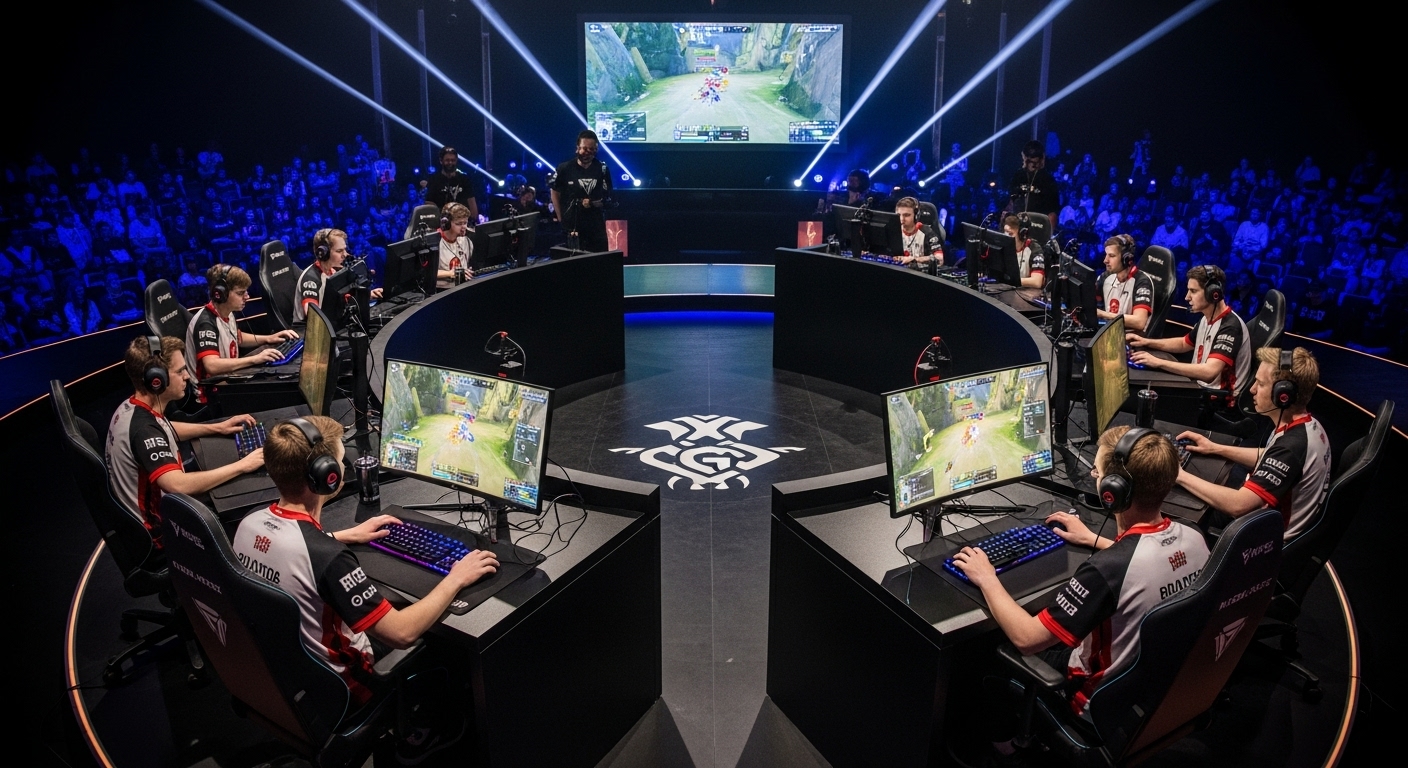
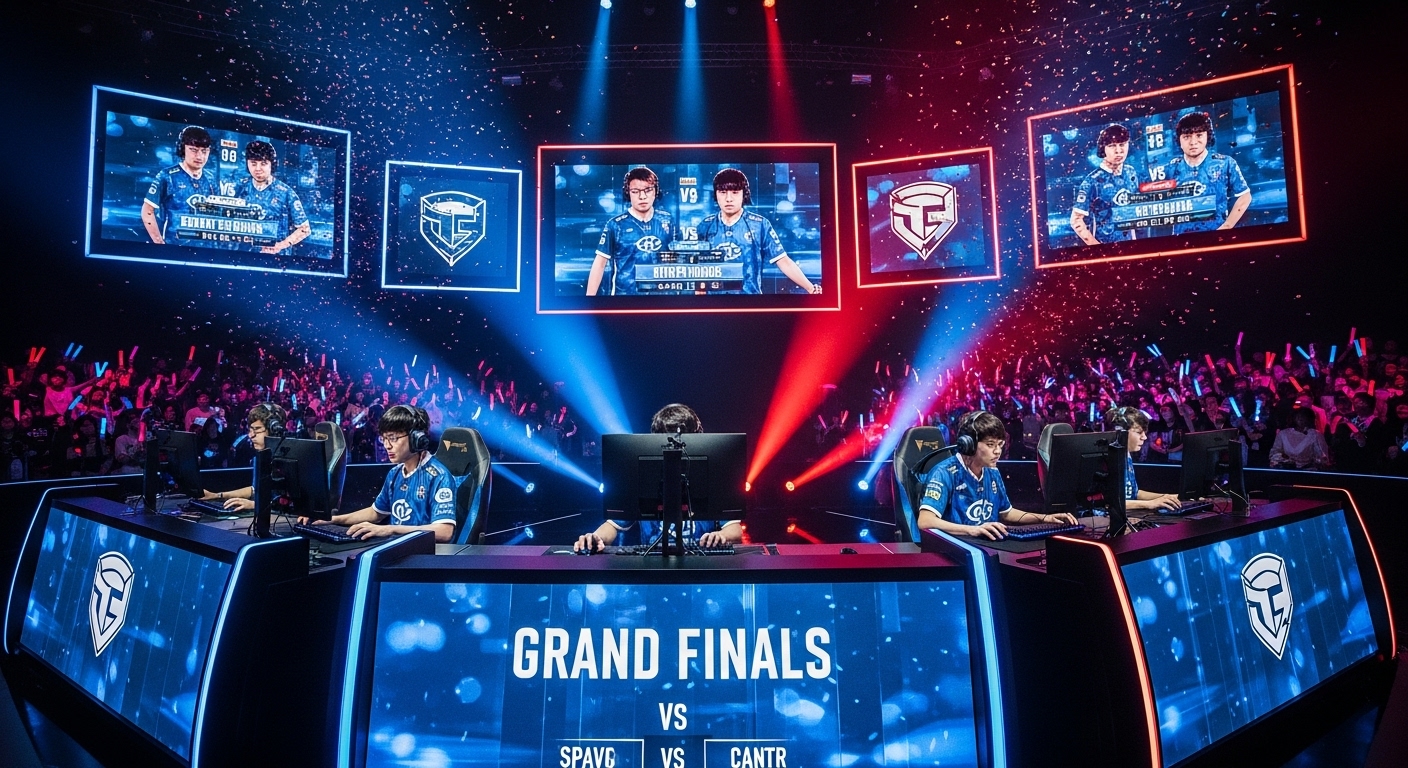
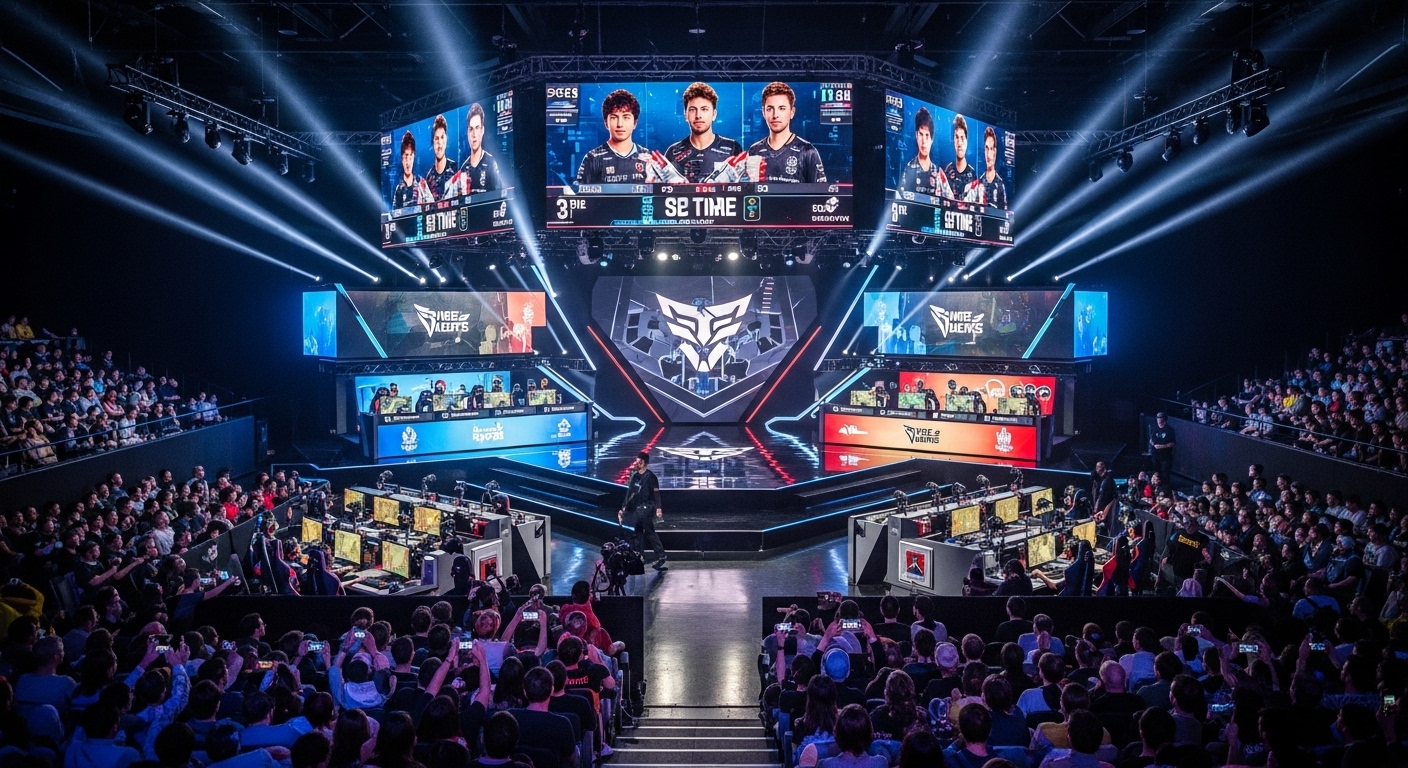
The professionalization of esports legitimized it as a career path. Players began signing contracts, earning salaries, and gaining sponsorships from major brands. Tournaments became highly produced events, combining live performances, commentary, and elaborate stage setups that mirrored traditional sports broadcasts.
Popular Esports Genres
Esports encompasses a wide range of game genres, each attracting dedicated players and audiences. Understanding these genres helps explain the diversity and growth of the industry.
Multiplayer Online Battle Arenas (MOBAs)
Games like League of Legends and Dota 2 dominate the esports landscape. MOBAs are team-based games where players control characters with unique abilities, working together to destroy the opposing team’s base. Strategy, coordination, and skillful execution are critical, making these games compelling for both players and spectators.
First-Person Shooters (FPS)
FPS games such as Counter-Strike: Global Offensive, Call of Duty, and Valorant focus on precision, reflexes, and tactical gameplay. Competitive FPS titles often feature fast-paced matches that emphasize individual skill and teamwork. High-profile tournaments attract millions of viewers and offer substantial prize money.
Real-Time Strategy (RTS)
RTS games, like StarCraft II, challenge players to manage resources, build units, and execute complex strategies in real time. These games test both strategic thinking and rapid decision-making, creating intense and intellectually engaging competitions.
Sports Simulations
Titles like FIFA and NBA 2K bring traditional sports into the digital realm. Players compete in virtual representations of soccer, basketball, and other sports, often mirroring professional athletic leagues in structure and organization. Sports simulations are unique in that they appeal to fans of both gaming and traditional sports, creating a crossover audience.
Battle Royale and Other Genres
Battle royale games, including Fortnite and PUBG, combine survival, exploration, and combat in large-scale matches. These games emphasize adaptability, strategy, and reflexes, often producing dramatic and unpredictable outcomes. Other genres, such as fighting games, card games, and racing simulations, further expand the esports ecosystem, catering to specialized communities.
The Structure of Esports Leagues
Modern esports is organized similarly to traditional sports, with structured leagues, franchised teams, and seasonal tournaments. Leagues such as the League of Legends Championship Series (LCS), Overwatch League (OWL), and Call of Duty League (CDL) exemplify this model. Teams compete over months, culminating in playoffs and championship events.
Esports tournaments often combine online qualifiers with live finals. Grand events such as The International for Dota 2 or Fortnite World Cup attract massive audiences and offer multi-million-dollar prize pools. The production value of these tournaments rivals professional sports, with elaborate stages, live commentary, player interviews, and fan engagement initiatives.
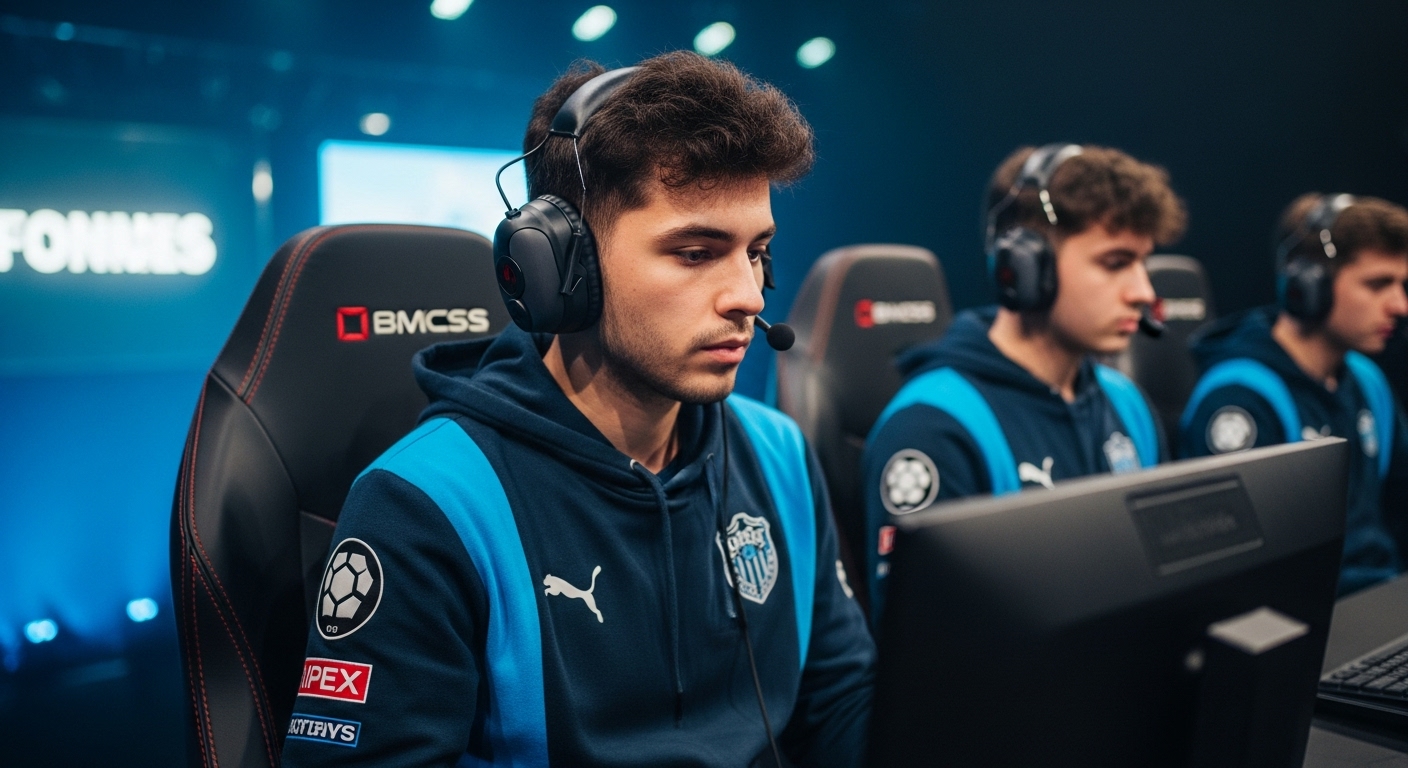
Player training is rigorous, resembling traditional athletic regimens. Professional teams employ coaches, analysts, and support staff to optimize performance. Players often follow strict schedules, including practice, strategy sessions, and physical conditioning, highlighting the seriousness and discipline required in modern esports.
The Business of Esports
Esports has evolved into a multi-billion-dollar industry, supported by multiple revenue streams. Sponsorships, advertising, media rights, merchandise, and tournament winnings all contribute to the financial ecosystem.
Brands recognize the value of esports as a marketing platform. Esports audiences are highly engaged, young, and tech-savvy, making them a valuable demographic for advertisers. Companies sponsor teams, tournaments, and content creators, integrating their products into the gaming culture authentically.
Media rights have also become a significant source of revenue. Streaming platforms like Twitch, YouTube Gaming, and other live services provide exclusive coverage, attracting global audiences and enabling monetization through subscriptions, advertisements, and donations.
Merchandising and fan engagement further bolster revenue. Fans purchase team jerseys, branded peripherals, and in-game items, creating a strong emotional connection between audiences and their favorite teams or players. The global reach of esports ensures that teams and tournaments can capitalize on fan loyalty across regions.
The Role of Streaming Platforms
Streaming has been a cornerstone in the rise of esports. Platforms like Twitch and YouTube Gaming provide a direct connection between players and audiences, allowing fans to watch live gameplay, interact with streamers, and participate in community events.
Streaming has also democratized esports. Amateur players can showcase their skills, build audiences, and even attract professional opportunities. Influencers and content creators often play a dual role, entertaining fans while promoting esports culture, tournaments, and merchandise.
Live commentary, or casting, adds another layer of engagement. Commentators analyze gameplay, highlight key moments, and create a narrative that enhances the viewing experience. Professional casting transforms matches into dynamic spectacles, combining technical insight with entertainment value.
Community and Fan Culture
Esports thrives on community. Fans are not merely passive viewers; they actively participate through online forums, social media, and fan-created content. Cosplay, fan art, and community tournaments expand the culture beyond professional play.
Online communities provide support networks for aspiring players, offering guidance, coaching, and social connections. Esports culture is built on collaboration, mentorship, and shared passion. Tournaments often foster fan participation through interactive features, fan votes, and live engagement, strengthening the sense of community.
The inclusivity of esports also contributes to its appeal. Players and fans from diverse backgrounds and regions can compete and connect on a level playing field, fostering global interaction and cultural exchange.
The Social Impact of Esports
Esports has cultural, social, and educational impact. It challenges traditional notions of sports, athleticism, and competition. While critics may question the physicality of gaming, professional esports requires mental endurance, strategic thinking, and team coordination, akin to traditional sports.
Esports also provides career opportunities beyond playing. Coaches, analysts, event organizers, broadcasters, and content creators all contribute to the ecosystem. Educational institutions now offer scholarships, training programs, and degrees focused on esports management, game design, and digital media.
Moreover, esports has inspired social movements. Charitable tournaments, awareness campaigns, and community-driven initiatives demonstrate how gaming can positively influence society. It fosters global cooperation, emphasizes strategic collaboration, and provides a sense of belonging for participants.
Challenges Facing Esports
Despite its growth, esports faces challenges. Player burnout is a significant concern due to intense training schedules and high performance expectations. Mental health is increasingly recognized as a critical component of esports sustainability.
Regulatory and ethical issues also arise. Cheating, match-fixing, and doping are concerns that require oversight. The industry must balance rapid growth with integrity, ensuring fairness and transparency.
Monetization and commercialization can also be double-edged. While financial investment drives growth, it can pressure teams and players to prioritize profit over creativity or community. Maintaining the cultural authenticity of esports while scaling as a global industry remains a critical challenge.
The Future of Esports
The future of esports is bright and multifaceted. Technological advancements will continue to shape gameplay, viewership, and community engagement. Virtual reality and augmented reality may introduce new immersive formats, allowing fans to experience matches from the perspective of players or within 3D arenas.
Global expansion will continue as emerging markets embrace esports, creating new teams, fans, and talent pools. Crossovers with traditional sports, entertainment, and education will broaden esports’ cultural relevance. Artificial intelligence and data analytics will enhance player performance, strategy development, and spectator experience, raising the competitive standard.
Esports is likely to become even more integrated with mainstream media, combining entertainment, technology, and sports in innovative ways. Its global reach, cultural impact, and adaptability ensure it will remain a dominant force in entertainment for decades to come.
Conclusion
Esports has grown from humble beginnings into a global phenomenon that combines skill, strategy, and spectacle. It offers players professional opportunities, fans unforgettable experiences, and communities a shared sense of passion. The industry represents a convergence of technology, culture, and entertainment, challenging traditional boundaries and redefining competition.
While esports faces challenges in sustainability, ethics, and mental health, its potential for growth and influence is undeniable. It provides a platform where talent, strategy, and community intersect, creating entertainment that is dynamic, participatory, and globally accessible.
The evolution of esports is far from over. As technology advances and cultural acceptance continues to rise, esports will continue to expand, innovate, and inspire, solidifying its place as a defining element of modern entertainment.