In recent years, the world of esports has transformed from a niche community into a global phenomenon, attracting millions of fans, millions of dollars in investment, and a level of mainstream recognition that rivals traditional sports. With the rise of competitive gaming, the landscape of entertainment has shifted, creating new opportunities for players, sponsors, and streaming platforms. But what exactly is driving this meteoric rise, and how does it shape the future of gaming and entertainment as we know it? In this post, we explore the rise of esports, its current impact, and its potential to revolutionize the entertainment industry further.
What Is Esports?
Esports, short for electronic sports, refers to organized multiplayer video game competitions, particularly between professional players, individually or as teams. These competitions are often structured with formal leagues, tournaments, and regular seasons, much like traditional sports such as basketball, soccer, or football. Esports typically involves games such as League of Legends, Dota 2, Counter-Strike: Global Offensive, Overwatch, and Fortnite, among others.
While competitive gaming has existed since the early days of arcade games and the first gaming consoles, esports as a distinct industry began to take shape in the early 2000s. Online multiplayer games, improvements in broadband internet, and the growing availability of streaming platforms like Twitch laid the groundwork for the rise of esports as we know it today.
The Global Explosion of Esports
Over the past decade, esports has expanded beyond its humble beginnings. From small-scale LAN (local area network) parties to large-scale international tournaments, esports has attracted millions of viewers. Esports tournaments now fill stadiums, with large-scale events like The International (the annual Dota 2 championship) drawing massive crowds and offering multi-million-dollar prize pools.
In 2021, the global esports audience reached approximately 474 million people, according to Newzoo’s Global Esports Market Report. This figure is expected to surpass 500 million in the coming years. The massive audience reach, paired with the development of professional leagues and teams, has cemented esports as one of the fastest-growing sectors in the entertainment industry.
Why Esports Is So Popular
There are several key factors contributing to the rapid growth of esports, many of which can be linked to the evolution of technology, changing audience behaviors, and the shift in how people consume entertainment.
1. Access to Technology and Streaming
The rise of broadband internet, along with the accessibility of high-quality streaming platforms like Twitch, YouTube, and Facebook Gaming, has played a critical role in making esports more visible to the public. In particular, the ability for players and fans to interact through live streams has enhanced the sense of community within the esports ecosystem.
Streaming has allowed gamers to watch matches in real-time, providing them with an up-close experience of the action. The growth of platforms like Twitch, where fans can watch their favorite gamers or esports teams live, has made esports more interactive and engaging. It has also led to the development of a new breed of content creators, who build massive fan bases while competing or broadcasting their gaming experiences.
2. Diversity of Games and Genres
Esports isn’t limited to just one genre or type of game. From strategy games like StarCraft and Dota 2 to first-person shooters like Call of Duty and Counter-Strike, and even battle royales like Fortnite and Apex Legends, there’s a diverse range of games that cater to different types of players. This diversity allows esports to appeal to various audiences and ensures that people with different gaming preferences can enjoy watching competitive gaming.
Moreover, the variety of games ensures that there is always something new and exciting happening within the esports ecosystem, whether it’s a surprise victory in a high-stakes tournament or a new game emerging as the next big competitive title.
3. Appeal to Younger Audiences
Esports’ rise coincides with a generation of digital natives who are more accustomed to engaging with video games and online content than traditional media. The younger demographic, particularly those aged 16-34, is especially drawn to esports for its fast-paced action, competitive nature, and sense of community.
Esports also serves as a form of social interaction for younger audiences. With global connectivity, players can form teams, engage with other fans, and compete across international borders without leaving their homes. For many, watching esports events or following their favorite teams is a form of entertainment that rivals watching traditional sports.
4. Monetization and Sponsorships
The commercialization of esports has played a crucial role in its growth. Large brands, including Nike, Adidas, and Coca-Cola, have invested heavily in the esports industry, sponsoring teams, events, and players. These sponsorships help fund prize pools and allow esports organizations to pay players and staff competitive salaries, further professionalizing the industry.
In addition to sponsorships, esports has found new ways to monetize content through advertising, merchandise sales, and media rights deals. Events like The League of Legends World Championship and The International have multi-million-dollar prize pools, and companies are willing to pay top dollar to have their logos on jerseys or broadcast their ads during streams. This commercial infrastructure has helped esports grow into a billion-dollar industry, with projections showing that it will continue to expand.
The Infrastructure of Esports
Esports is no longer just about players competing in their bedrooms or at small local tournaments. The industry has evolved into a multi-faceted ecosystem, with professional teams, dedicated arenas, streaming platforms, and even esports universities. Some of the most significant changes in the esports landscape have come from the development of this infrastructure.
1. Esports Organizations and Teams
Similar to traditional sports, esports features well-established teams that compete at the highest level. These teams are often sponsored by major companies, and the players themselves can earn six-figure salaries through tournament winnings, sponsorships, and streaming revenue.
Some of the most notable esports organizations include Cloud9, Team Liquid, and Fnatic, all of which field teams in multiple games. These organizations also serve as talent scouts, managing player development and providing resources for teams to succeed on the global stage.
2. Esports Arenas
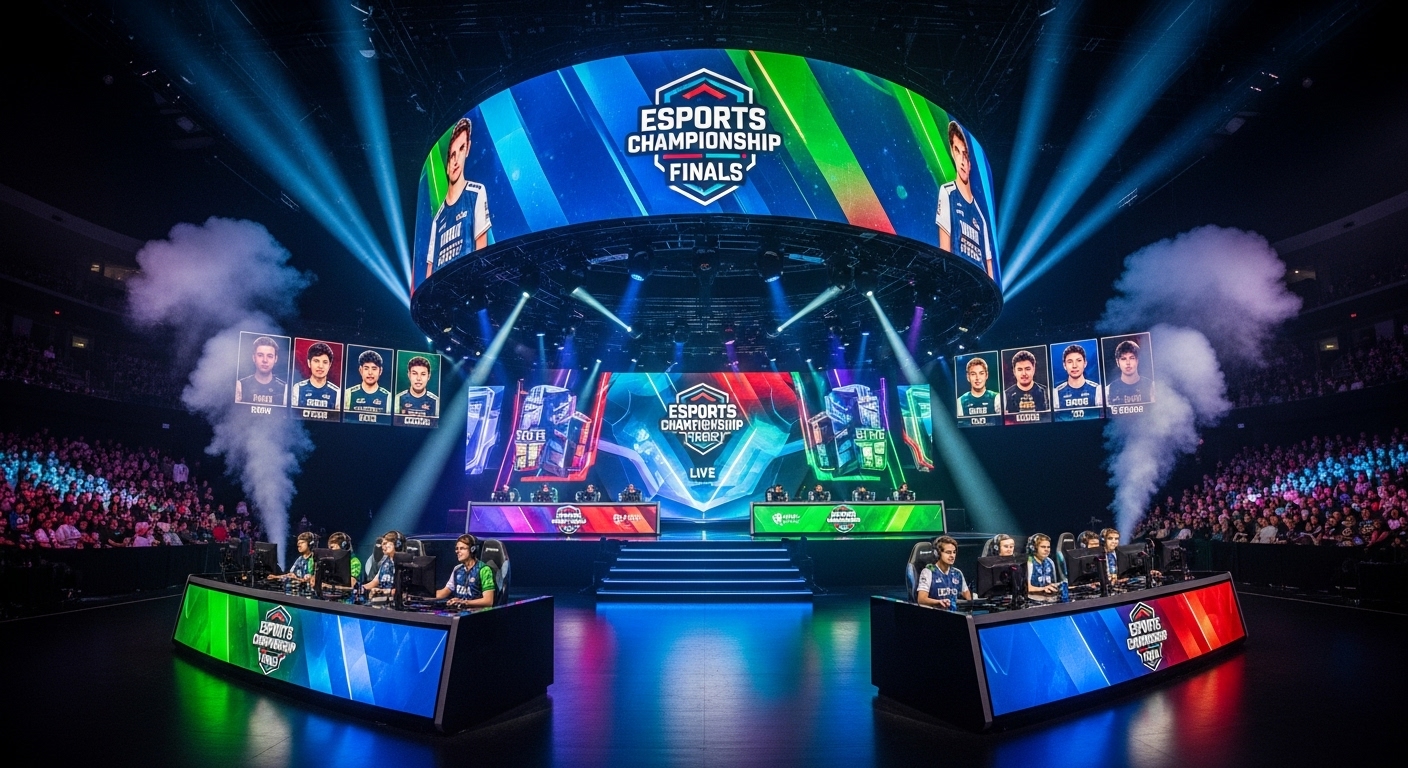
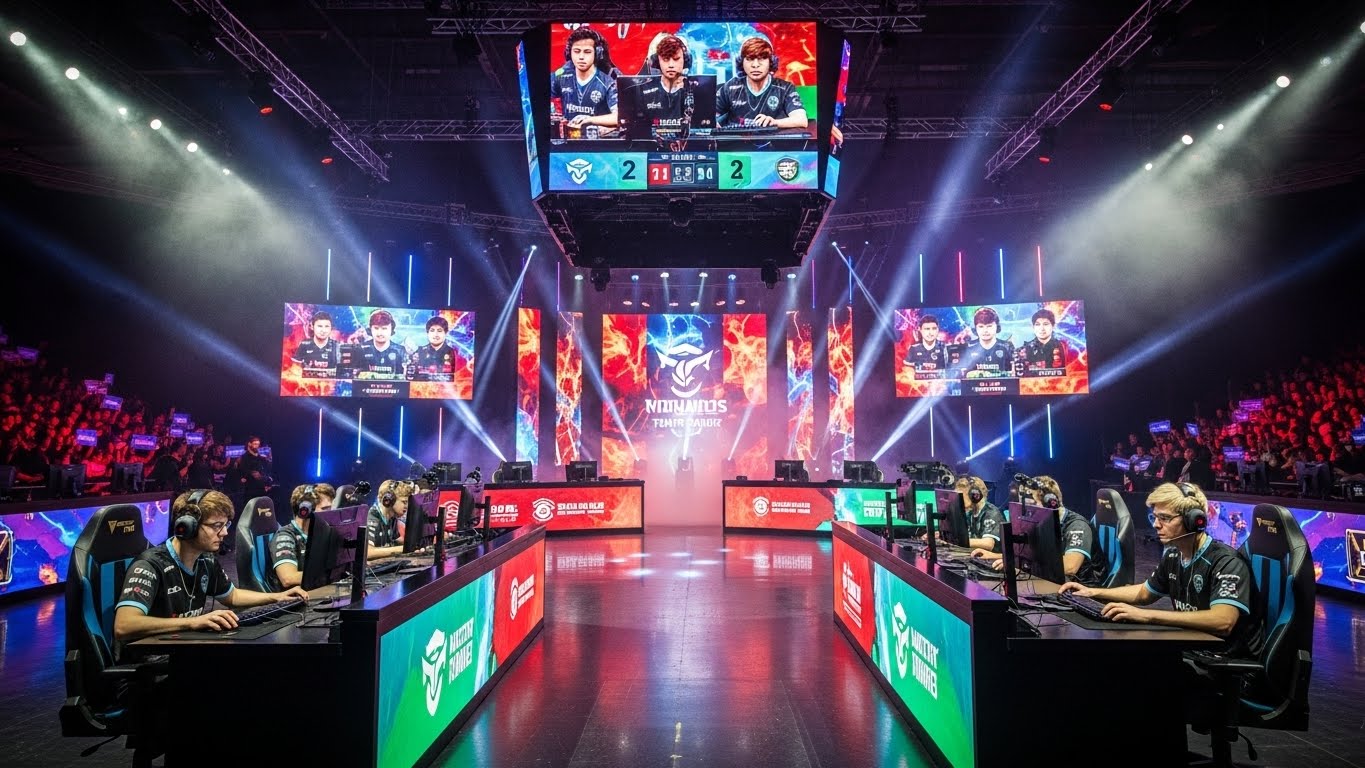
In some parts of the world, esports has reached a level of prominence where dedicated arenas are being built to accommodate fans and players. These arenas host high-profile events like League of Legends championships or the Overwatch League. In 2018, the Esports Arena in Las Vegas opened its doors, marking a turning point in how esports are presented to the public.
These arenas provide fans with an immersive, live experience, complete with live commentary, high-definition screens, and exclusive access to players and teams. The development of esports-specific venues shows that the industry is becoming a significant force in entertainment, akin to traditional sports.
The Future of Esports
The future of esports looks incredibly promising, and many experts believe that we are only scratching the surface of its potential. As technology continues to advance, the industry is likely to evolve in several exciting ways:
- Virtual Reality (VR) and Augmented Reality (AR) – As VR and AR technologies improve, esports could take on a new dimension. Imagine watching a Counter-Strike match where you can experience the game from the perspective of the players in real-time. Virtual arenas could also be developed, where fans can attend esports events in a fully immersive digital environment.
- Integration with Traditional Sports – The growing interest from traditional sports franchises in esports suggests a blending of the two industries. Teams like the NBA’s Philadelphia 76ers and NFL’s Dallas Cowboys have invested in esports teams, indicating a future where esports may be seen as a staple in the broader sporting world.
- Global Expansion – Esports is already a global phenomenon, but it has yet to reach its full potential in regions like Africa, parts of Asia, and the Middle East. As internet infrastructure improves in these areas, esports will become more accessible, leading to new talent and audiences.
- Increased Legitimacy – As esports continues to mature, there will be a stronger push for regulations and governance. Issues like fair play, cheating, and player well-being are starting to be addressed through player unions, governing bodies, and standardized rules.
Conclusion
Esports is more than just a passing trend. It is a cultural and economic revolution that is reshaping how people view entertainment, competition, and community. With millions of fans, significant investment, and a rapidly expanding global reach, esports has firmly established itself as a driving force in the entertainment world.
As technology continues to advance and more industries recognize the potential of esports, the next decade is likely to bring even more growth, innovation, and excitement to the world of competitive gaming. Whether you’re a player, a fan, or simply an observer, the esports ecosystem is one that will continue to captivate audiences and define the future of gaming.