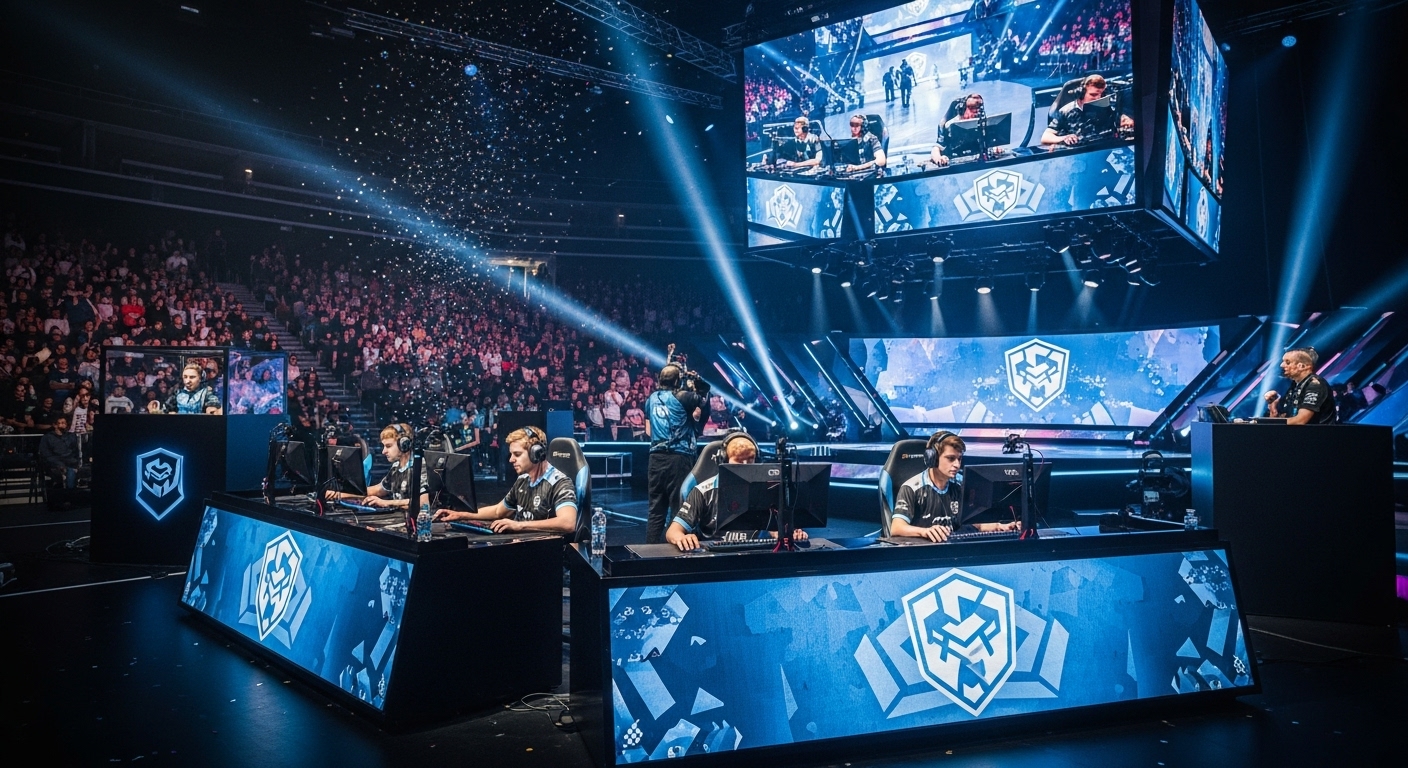
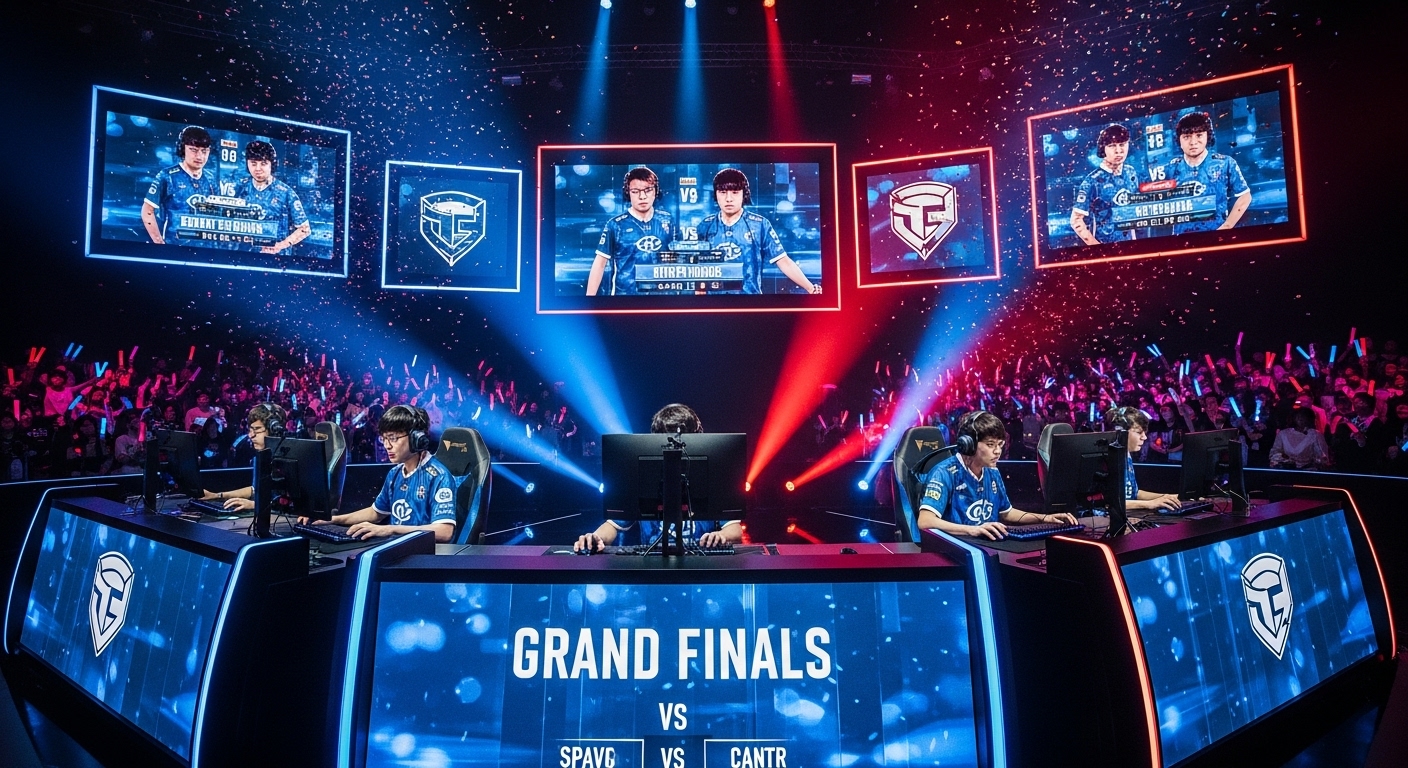
Esports has rapidly transformed from casual gaming into a global competitive industry that rivals traditional sports in viewership, revenue, and cultural influence. What once existed as friendly matches between gamers has evolved into professional tournaments, international leagues, and full-time careers for players, coaches, analysts, and content creators. Esports represents the convergence of technology, entertainment, and competition, redefining how modern audiences experience sports. This blog explores the world of esports, its growth, its impact on individuals and society, and the future it continues to shape.
Understanding What Esports Really Is
Esports, short for electronic sports, refers to organized competitive video gaming where players or teams compete under structured rules in professional or semi-professional settings. Unlike casual gaming, esports emphasizes skill mastery, strategic planning, teamwork, and consistent performance. Players train for hours daily, analyze gameplay footage, and compete in scheduled tournaments much like athletes in traditional sports.
Esports spans multiple game genres, each with unique mechanics and competitive demands. These competitions are broadcast to millions of viewers worldwide, making esports both a sport and a form of digital entertainment.
The Early Beginnings of Competitive Gaming
The origins of esports can be traced back to the early days of video gaming when players competed for high scores on arcade machines. As technology advanced, multiplayer gaming became possible, allowing players to compete against each other rather than the game itself. Local competitions soon expanded into regional and international tournaments as internet connectivity improved.
By the early 2000s, competitive gaming began gaining serious recognition, particularly in regions with strong gaming cultures. Organized leagues, sponsorships, and professional teams emerged, laying the foundation for the esports industry as it exists today.
Major Esports Game Categories
Esports includes a wide range of games, each requiring different skill sets and strategies.
Multiplayer Online Battle Arena games focus on teamwork and strategic coordination. Players select characters with unique abilities and work together to outmaneuver and defeat the opposing team.
First-Person Shooter games emphasize precision, reflexes, and tactical awareness. Success depends on quick decision-making and strong communication among teammates.
Real-Time Strategy games require players to manage resources, control units, and make strategic decisions under constant pressure.
Sports simulation games digitally recreate real-world sports, blending traditional sports knowledge with gaming skills.
Battle royale games place large numbers of players into a single match where survival, adaptability, and positioning determine victory.
Each genre attracts distinct audiences and contributes to the diversity of esports competition.
Training and Discipline in Professional Esports
Contrary to the misconception that esports players simply play games for fun, professional esports requires intense discipline. Players follow strict practice schedules, often training six to ten hours a day. This includes mechanical practice, strategy development, team scrimmages, and reviewing past performances.
Mental preparation is just as important as gameplay skills. Players must remain focused under pressure, adapt quickly to changing situations, and maintain emotional control during high-stakes matches. Many professional teams employ sports psychologists to help players manage stress and build mental resilience.
Physical health is also increasingly prioritized. Regular exercise, proper posture, balanced nutrition, and sufficient rest are essential for maintaining long-term performance and preventing injuries.
The Business and Economy of Esports
Esports has grown into a multi-billion-dollar global industry. Revenue streams include tournament prize pools, sponsorship deals, team merchandise, advertising, media rights, and live event ticket sales. Major esports tournaments attract massive audiences, rivaling or exceeding traditional sporting events in online viewership.
Professional teams operate like traditional sports organizations, with players under contract, salaried staff, and long-term branding strategies. Sponsors recognize the value of esports audiences, particularly younger demographics, making esports an attractive marketing platform.
The economic impact of esports has also led to job creation in areas such as event production, broadcasting, marketing, game development, and journalism.
Esports as a Social and Cultural Movement
Beyond competition, esports has become a powerful social platform. Online communities allow fans to connect, discuss strategies, support teams, and celebrate achievements regardless of geographical boundaries. Esports brings together people from diverse backgrounds, united by shared interests and passion.
For many individuals, esports provides a sense of belonging and identity. Players and fans often form strong connections through teams, tournaments, and online interactions. This social dimension has made esports especially significant in the digital age, where virtual communities play a central role in everyday life.
Esports has also influenced popular culture, inspiring content creation, fashion trends, and digital storytelling. The culture surrounding esports continues to evolve, shaping how entertainment is consumed and experienced.
Memorable Moments That Defined Esports
Esports history is filled with iconic moments that have left lasting impressions on fans worldwide. Legendary plays, unexpected comebacks, and underdog victories have become part of esports folklore. These moments are celebrated not only for their technical brilliance but also for the emotions they evoke.
Such events demonstrate the unpredictability and excitement of competitive gaming. They inspire aspiring players and reinforce the idea that dedication, teamwork, and perseverance can lead to extraordinary achievements.
Challenges Facing the Esports Industry
Despite its success, esports faces several challenges. Player burnout is a significant concern due to intense training schedules and competitive pressure. Long-term health issues, including repetitive strain injuries and mental fatigue, require ongoing attention from teams and organizations.
Another challenge is maintaining fair competition. Issues such as cheating, match-fixing, and inconsistent regulations can threaten the integrity of esports. Industry leaders continue to work toward standardized rules, ethical guidelines, and transparent governance.
Public perception remains an obstacle in some regions, where esports is still viewed as less legitimate than traditional sports. However, growing institutional support and educational programs are steadily changing these attitudes.
The Role of Women and Diversity in Esports
Esports has historically been male-dominated, but progress toward inclusivity is steadily increasing. Women are making significant contributions as players, coaches, analysts, and content creators. Initiatives aimed at promoting diversity and creating safe competitive environments are helping to broaden participation.
Diversity strengthens esports by introducing new perspectives and expanding its audience. Continued efforts toward equality and representation are essential for the sustainable growth of the industry.
Content Creation and Streaming Culture
Streaming has played a crucial role in the rise of esports. Live broadcasts allow fans to watch competitions in real time, interact with players, and engage with commentators. This direct connection between audiences and competitors has revolutionized sports consumption.
Content creators extend the reach of esports beyond professional tournaments. Educational videos, entertainment content, and community-driven events help attract new fans and maintain engagement. The relationship between esports and content creation is symbiotic, with both fueling each other’s growth.
The Future of Esports
The future of esports is filled with innovation and opportunity. Advances in technology are expected to enhance gameplay, training methods, and viewer experiences. Virtual environments may become more immersive, and data-driven analysis will continue to improve competitive strategies.
Educational institutions are increasingly recognizing esports as a legitimate discipline, offering programs and scholarships that support aspiring professionals. As acceptance grows, esports may further integrate with mainstream sports and global entertainment.
Sustainability, inclusivity, and player well-being will be key factors in shaping the next phase of esports evolution.
Conclusion: Esports as the Sport of the Digital Generation
Esports is more than a trend; it is a defining feature of modern digital culture. It combines competition, technology, creativity, and community in a way that resonates with the current generation. From professional players to passionate fans, esports offers opportunities for connection, growth, and achievement.
As esports continues to expand, it challenges traditional ideas of what sports can be. It proves that competition does not require physical boundaries and that skill, strategy, and teamwork can thrive in virtual arenas. The rise of esports reflects a broader shift in how society views entertainment, sportsmanship, and global connection.