Introduction: A New Era of Competitive Excellence
Over the past decade, esports has evolved from a niche hobby into a global entertainment powerhouse. What began as small-scale gaming competitions held in crowded internet cafés has transformed into a multi-billion–dollar industry that attracts millions of viewers, professional athletes, corporate sponsors, and passionate communities from every corner of the world. Esports is no longer just about playing games; it is a cultural movement reshaping entertainment, technology, education, and even traditional sports. This blog explores the rise of esports, its impact on society, and the future it promises.
The Evolution of Esports: From Casual Play to Global Phenomenon
The growth of esports is a story of technological progress and shifting cultural values. As gaming hardware improved, internet speeds accelerated, and online communities grew, competitive gaming found fertile ground to flourish. Early tournaments focused on strategy games and first-person shooters, but today esports spans countless genres including battle royale, sports simulators, role-playing games, and mobile gaming.
Televised tournaments, stadium events, and mainstream news coverage have pushed esports into the public consciousness. What was once a subculture has become a legitimate professional pathway for thousands of competitors. Major tournaments now offer prize pools that rival traditional sports, and top players enjoy fame and income comparable to professional athletes. This evolution showcases how entertainment is constantly reinvented by the passions and creativity of its participants.
The Rise of Professional Players and Teams
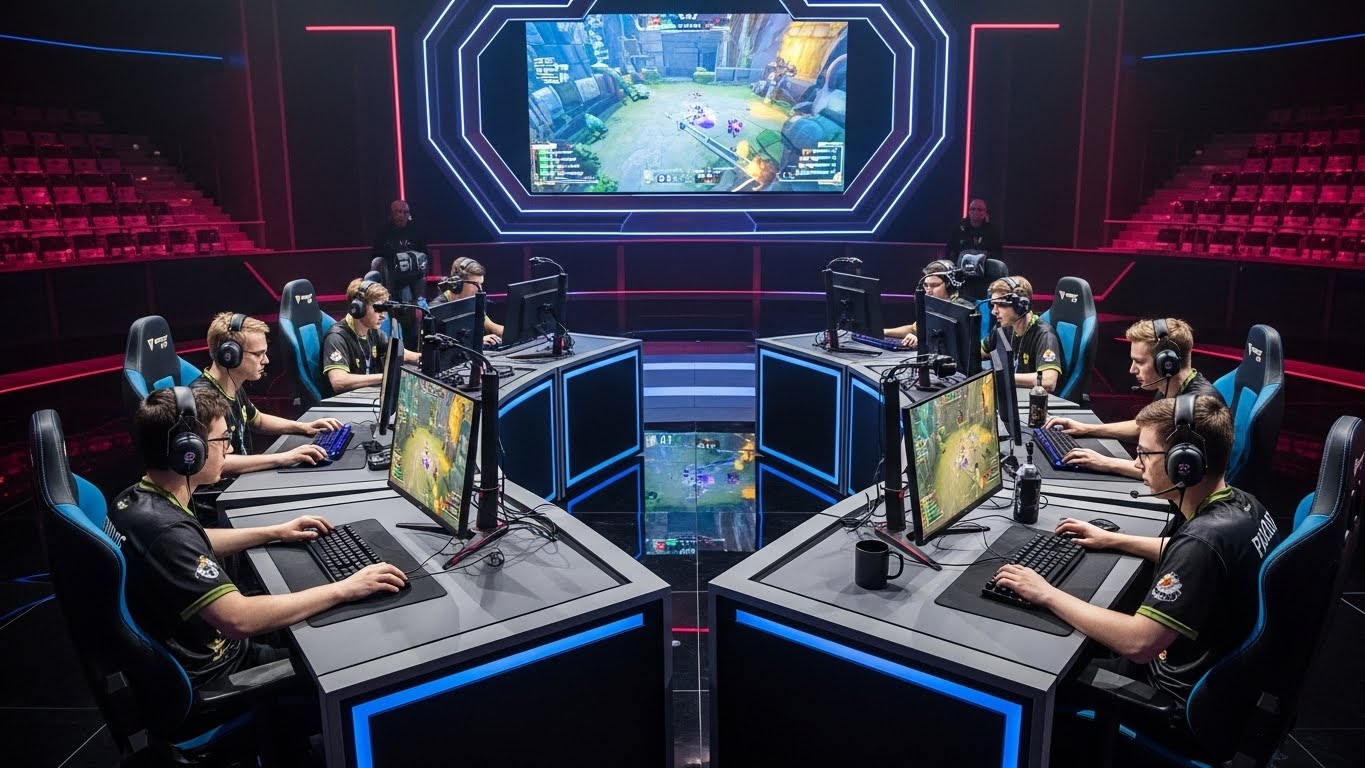
In today’s esports ecosystem, professional players train as rigorously as athletes in any physical discipline. Their daily routine includes hours of practice, strategic review, team communication exercises, and personal health management. Many top-tier teams work with coaches, psychologists, fitness experts, and nutritionists to ensure their players maintain peak performance.
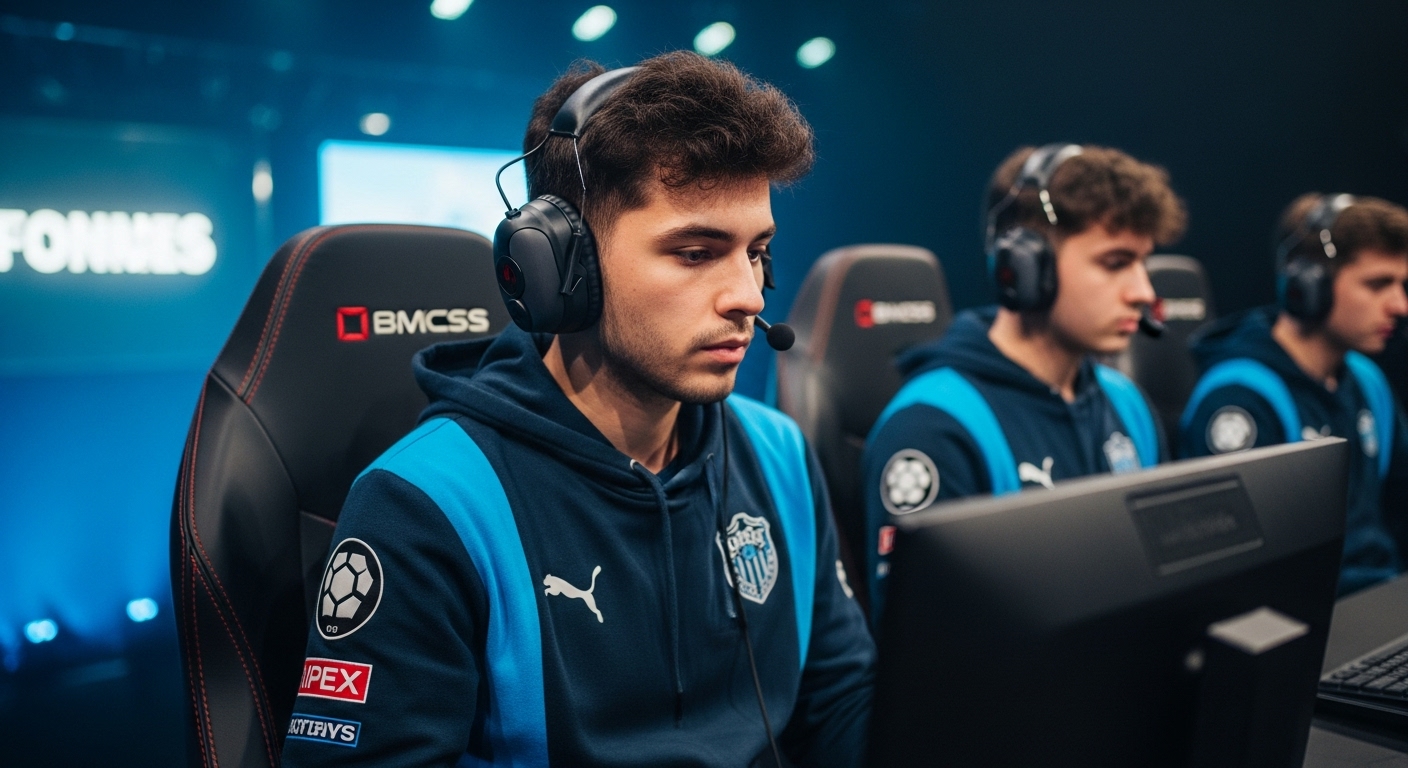
What makes esports particularly fascinating is the global diversity of its talent. Players from different countries compete side-by-side, bringing unique tactical approaches and cultural perspectives to the arena. Teams often recruit members based solely on skill and potential rather than geography, creating international rosters that reflect the truly borderless nature of competitive gaming. The rise of these teams has also fostered dedicated fanbases, merchandise lines, and even regional rivalries similar to traditional sports leagues.
Esports Arenas and the Spectator Experience
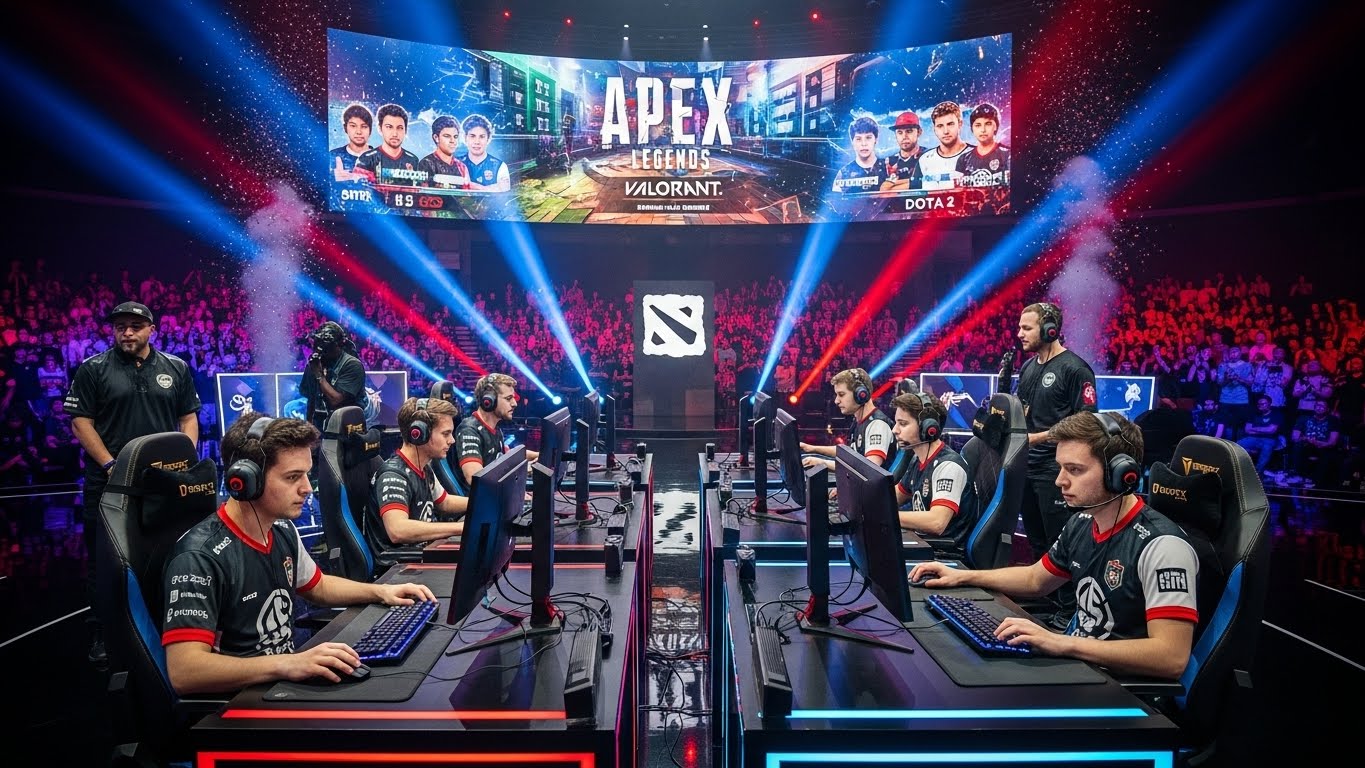
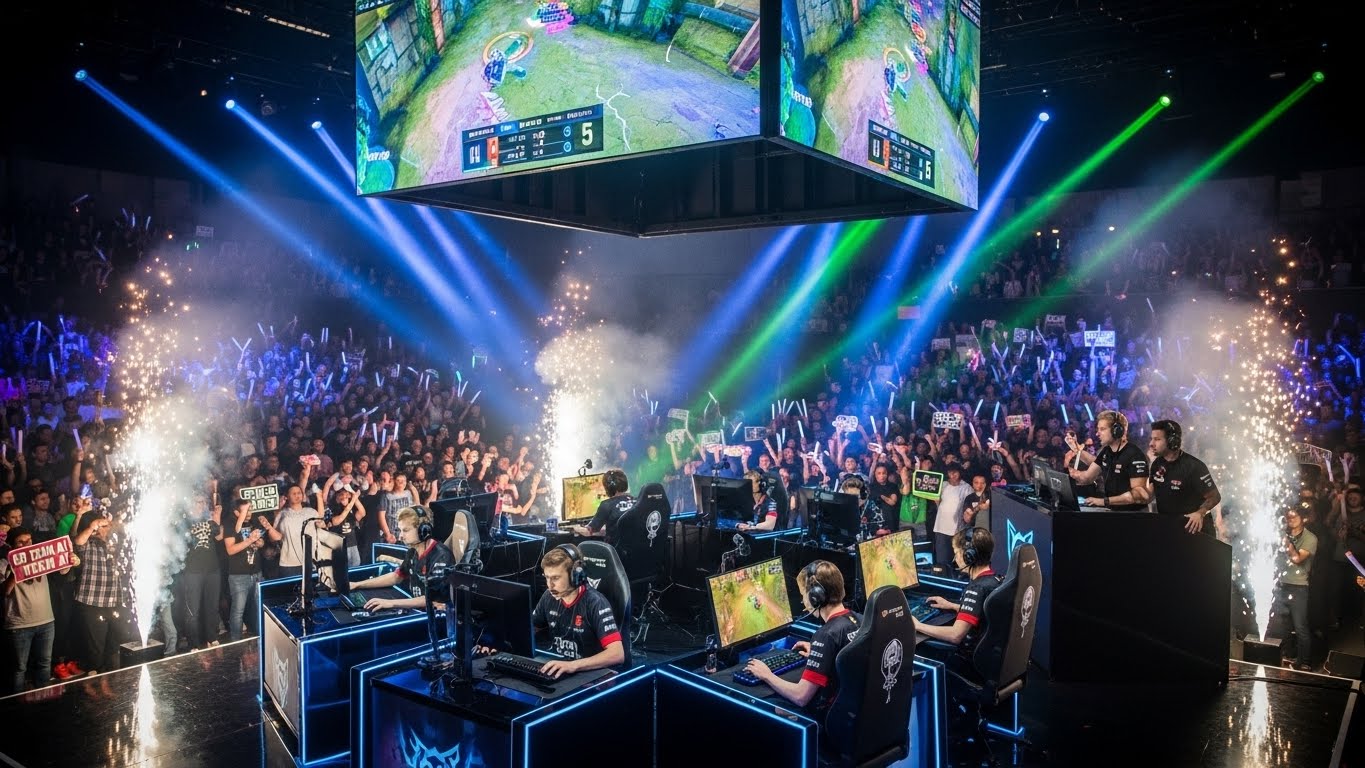
Gone are the days when gaming events were limited to online streams or small gatherings. Modern esports competitions often take place in massive arenas filled with roaring fans, stadium lights, and dramatic stage setups. The spectator experience has been elevated into a full-scale entertainment spectacle complete with live commentary, player introductions, and cinematic graphics.
For viewers at home, esports offers multiple camera angles, instant replays, and interactive chat discussions that enhance engagement. Many fans tune in not only to watch their favorite players compete but also to learn strategies, celebrate victories, and become part of an enthusiastic global community. Esports has proven that thrilling competitions do not require physical contact; they only need passion, skill, and a story worth following.
Esports and Technology: A Relationship of Innovation
Technology is the backbone of esports, and the industry continually pushes the boundaries of what is possible. High-performance gaming equipment, advanced streaming platforms, and cloud-based servers offer high-quality experiences to both players and viewers. Innovations in virtual reality, augmented reality, and artificial intelligence are expected to expand the possibilities of future esports experiences.
Streaming services have played a critical role in esports growth, allowing fans to connect with players, follow tournaments, and even support their favorite content creators financially. This direct relationship between players and their audience has created a new era of digital celebrity, where personality, skill, and storytelling determine success as much as competitive performance.
The Business of Esports: Sponsorships, Brands, and Financial Growth
Esports has drawn the attention of major global brands across technology, fashion, energy drinks, and even automotive industries. Sponsorship deals fund teams, events, and content creators, enabling them to focus fully on their careers. As the audience grows, companies recognize the potential of connecting with young, tech-savvy consumers who are highly engaged and loyal.
Professional organizations manage player contracts, marketing, merchandise, and corporate partnerships. Events generate revenue through ticket sales, media rights, and sponsorship packages. Prize pools continue to climb, giving players and teams powerful motivations to compete at the highest level. The business side of esports is rapidly becoming as structured and influential as traditional sports franchises.
Esports in Education: New Opportunities for Learning
Schools and universities around the world are increasingly embracing esports as an educational tool. Many institutions now offer scholarships for talented players, competitive teams representing their schools, and academic courses focused on game design, management, and digital strategy. The presence of esports in education goes beyond gaming; it encourages critical thinking, teamwork, leadership, and communication.
Students who may not find their place in traditional sports often discover confidence and belonging through esports programs. Furthermore, careers in esports extend far beyond playing—commentary, coaching, event management, game development, and analytics are just a few of the paths that appeal to young minds with a passion for gaming and technology.
Esports Culture and Community Building
The esports community thrives on shared enthusiasm and the diversity of its members. Online forums, social media platforms, and gaming events foster connections between fans worldwide. Unlike traditional sports, esports communities form around multiple games and genres, allowing individuals with different tastes to find their own niche.
Cosplay, fan art, player streams, and game-themed events contribute to a rich culture that celebrates creativity and individuality. This sense of inclusion and acceptance makes esports a welcoming space for people of all backgrounds. Communities rally behind their favorite teams, celebrate tournament victories, and support each other in game-related discussions, creating an atmosphere of camaraderie that rivals even the most passionate sports fanbases.
Challenges Facing the Esports Industry
Despite its successes, esports still faces challenges that need to be addressed as the industry grows. Player burnout is a significant concern due to the intense training schedules and mental pressure of competition. Ensuring players receive proper support, rest, and long-term career planning is essential for sustainable development.
Additionally, organizations must handle issues such as fair play, match integrity, and the need for standardized regulations across leagues. Maintaining a positive, accepting environment is crucial to preventing toxicity in online communities. With continued effort and innovation, the esports industry is poised to overcome these obstacles and strengthen its foundation for the future.
The Future of Esports: A Limitless Horizon
Looking ahead, esports is expected to reach even greater heights. Advances in technology will enable more immersive gameplay and viewing experiences. Global collaboration between countries and organizations will continue to expand opportunities for players and fans. Esports may eventually become part of major athletic events and international competitions, reaching a level of mainstream acceptance once thought impossible.
Furthermore, as new generations grow up playing video games and engaging with digital culture, esports will remain relevant and influential. The industry’s adaptability and creativity ensure that it will continue to evolve alongside technological and cultural shifts.
Conclusion: A Digital Revolution in Motion
Esports is more than just a trend—it is a revolution in entertainment, community, and competition. It represents the spirit of innovation and the power of connection in a rapidly changing world. From professional players to casual fans, educators to business leaders, everyone has a role in shaping the future of this dynamic industry. As esports continues to grow, it will redefine what it means to compete, to spectate, and to be part of a global community united by passion and play.