Introduction: The Rise of Digital Competition
Esports, once dismissed as a niche hobby for passionate gamers, has evolved into a global entertainment powerhouse. Over the past two decades, competitive gaming has grown at an unprecedented pace, attracting millions of fans, professional players, major corporations, and even national governments. Today, esports stands tall alongside traditional sports, drawing massive live audiences, selling out arenas, and shaping careers for players, creators, and entrepreneurs worldwide.
This blog explores the evolution, impact, culture, challenges, and future of esports—all without any links and in a clear, engaging format.
The Birth of Esports: How It All Began
Esports didn’t start as the massive industry we see today. Its roots stretch back to the early days of video gaming, when small groups of enthusiasts gathered to see who could earn higher scores or clear levels faster.
The first known organized gaming competition took place in the early era of arcade games, when skills were measured by leaderboard rankings rather than prize pools. With the introduction of home consoles and PC gaming, competitions grew more structured.
As internet connectivity improved, multiplayer games began to flourish, giving rise to community tournaments, LAN parties, and eventually international events. The seeds of modern esports were planted not by corporations, but by passionate players who loved the thrill of competition.
The Expansion of Esports Across the Globe
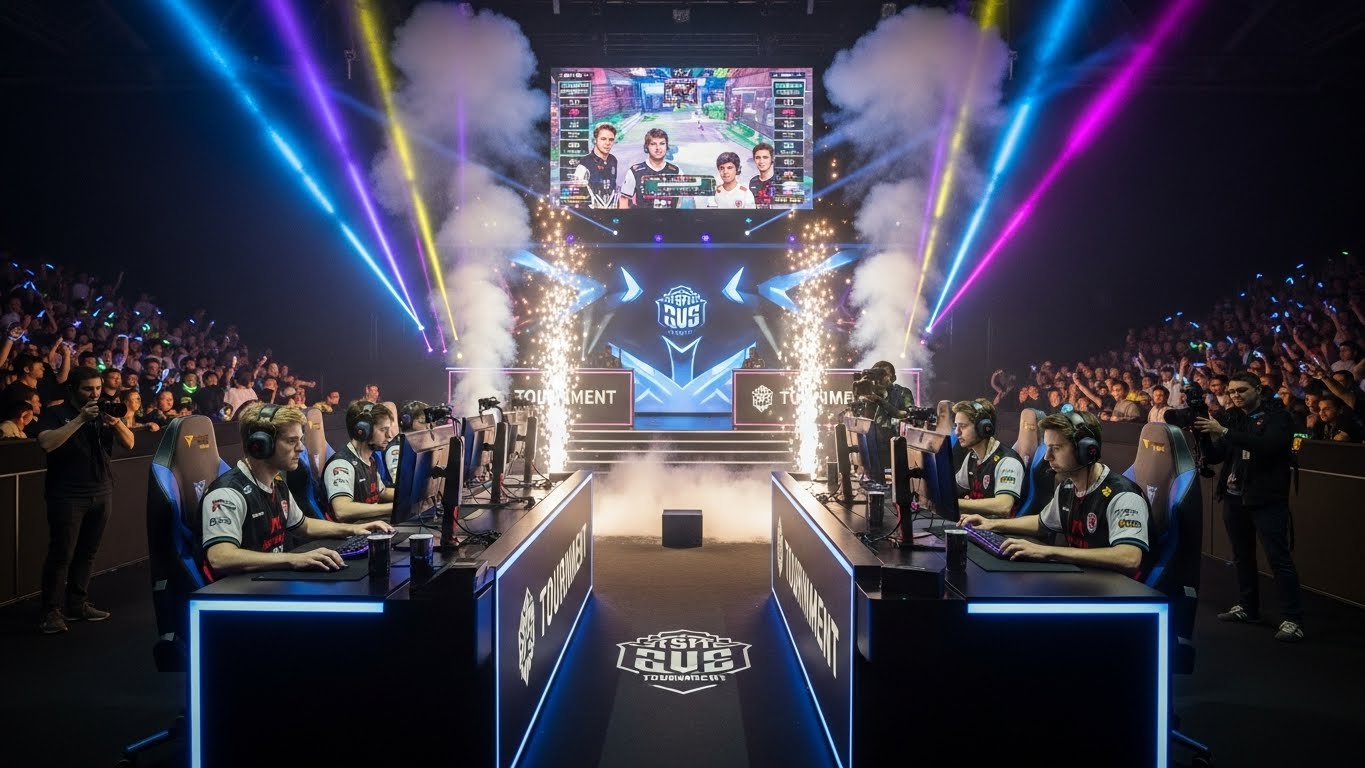
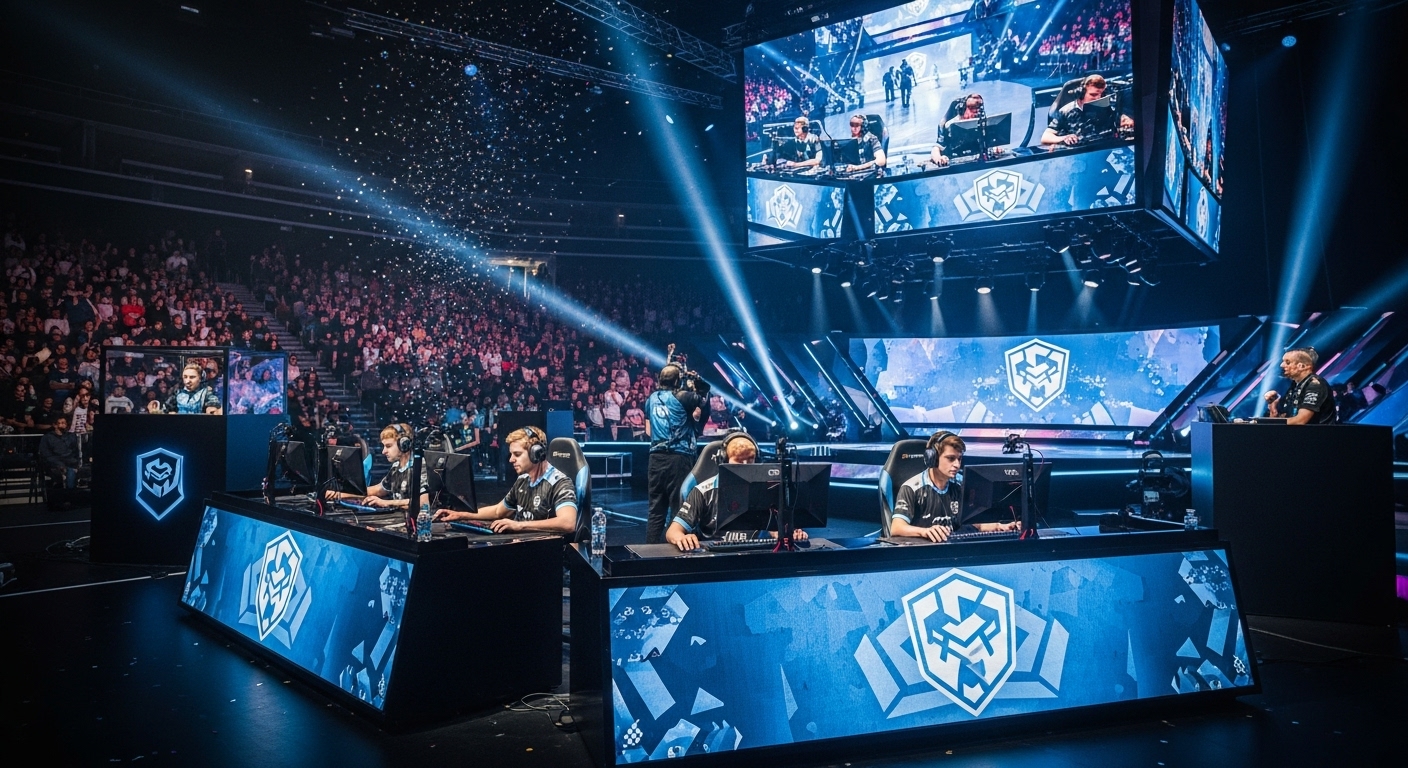
Today, esports tournaments can fill stadiums traditionally reserved for concerts or physical sports. The appeal lies in accessibility and diversity. Anyone with a computer or console can aspire to compete professionally, regardless of physical strength, age, or location.
Countries such as South Korea, the United States, China, and several European nations have built thriving ecosystems around esports. Dedicated training facilities, professional coaching staff, and structured team organizations have become the norm.
In many parts of the world, esports is no longer considered a hobby—it is a legitimate career path.
Why Esports Captivates Millions
The success of esports can be credited to several key factors:
1. Accessibility
Most competitive games are free or inexpensive, allowing millions to participate and watch without barriers.
2. Global Community
Gamers from different cultures unite in digital worlds, building friendships, rivalries, and massive communities.
3. High-Level Skill
Professional players display mechanical precision, strategic depth, and teamwork comparable to athletes in traditional sports.
4. Entertainment Value
With energetic commentary, unpredictable outcomes, and dramatic comebacks, esports matches provide thrilling spectacles.
5. Technological Integration
Streaming platforms and social media allow fans to connect directly with players, teams, and creators, enhancing engagement.
Major Esports Titles That Shaped the Industry
The esports world is diverse, with each game building its own fan base and competitive ecosystem. Some of the most influential genres include:
Multiplayer Online Battle Arena Games
These titles involve teams competing to out-strategize and outplay their opponents. They require high-level teamwork and complex decision-making.
First-Person Shooters
Fast-paced, reflex-driven games where precision and communication define success.
Sports and Racing Games
Virtual representations of real-world sports that attract fans who enjoy both competitive gaming and traditional athletics.
Battle Royale Games
Survival-based titles that combine strategy, unpredictability, and large-scale competition.
Each of these genres contributes to the rich and diverse landscape of modern esports.
The Role of Streaming in Esports Growth
Streaming platforms revolutionized esports. Before streaming, fans had limited access to live matches or gaming content. Today, anyone can watch a professional competition from anywhere in the world.
Streamers, content creators, and professional players interact directly with their audiences through live chats, voice communication, and digital communities. The social aspect keeps fans engaged daily, not just during tournaments.
Streaming also offers players additional income sources, creating more sustainable careers beyond competitions alone.
Esports as a Career: More Than Just Playing Games
Contrary to older stereotypes, esports is a legitimate and lucrative industry offering a wide range of career opportunities.
Beyond professional players, the industry relies on:
- Coaches and analysts
- Commentators and hosts
- Event organizers
- Game designers
- Social media managers
- Content creators
- Marketing teams
- Cybersecurity experts
Just as traditional sports employ thousands behind the scenes, esports thrives because of a vast network of dedicated professionals.
The Culture of Esports: Community, Identity, and Passion
Esports culture is built on shared passion and creativity. Fans celebrate their favorite teams, create memes, develop fan art, and form global communities centered around their favorite games.
Cosplay, music, digital art, and online events blend with esports to create a unique cultural landscape. Gaming conventions and tournaments have become social hubs where fans meet players, attend workshops, and experience the vibrancy of the gaming world.
The inclusive nature of esports also supports diversity. Players from different genders, backgrounds, and countries compete on equal digital ground, making esports one of the most globalized forms of entertainment.
Challenges Faced by the Esports Industry
Despite its tremendous growth, esports faces significant challenges that must be addressed for long-term sustainability.
1. Player Health and Burnout
Professional gaming demands intense practice hours, leading to stress, eye strain, and physical issues. Many organizations now emphasize mental health and balanced training schedules.
2. Industry Stability
Some games rise quickly and fade just as fast. Maintaining stable careers requires flexible planning and financial support.
3. Fair Competition
Cheating, hacking, and match-fixing can threaten the integrity of esports. Strong regulations and advanced technologies are necessary to preserve fairness.
4. Youth Involvement
Many aspiring players start young. Ensuring safe, healthy, and balanced development for young gamers is a growing concern for families and educators.
5. Corporate Influence
As major companies invest in esports, maintaining the spirit of competition while navigating commercial pressures becomes a delicate balance.
Esports and Education: A New Academic Frontier
The educational sector has embraced esports in surprising ways. Schools and universities around the world now offer:
- Esports scholarships
- Organized collegiate leagues
- Academic programs focused on game design, marketing, and event management
These programs recognize the strategic thinking, teamwork, problem-solving, and communication skills that competitive gaming builds. Esports is proving to be more than entertainment—it is a learning platform shaping the next generation.
Women in Esports: Breaking Barriers
Women have always been part of gaming, yet their representation in professional esports has been limited due to stereotypes and online harassment. Today, however, the landscape is changing.
More women are stepping into competitive gaming, leadership roles, content creation, and broadcasting. Organizations worldwide are promoting inclusive environments where female gamers can thrive. As visibility grows, the industry becomes more diverse and welcoming.
The Economic Impact of Esports
Esports is now a billion-dollar industry. Its growth fuels multiple sectors:
- Technology and hardware
- Entertainment and media
- Advertising and sponsorship
- Event management
- Fashion and merchandise
Brands recognize the influence of gaming culture and invest heavily in esports teams, tournaments, and creators. This economic expansion creates new opportunities for innovation and entrepreneurship.
The Future of Esports: What Comes Next
The future of esports is bright, with trends pointing toward even greater integration into mainstream culture. Some expected developments include:
Virtual Reality Competition
Immersive experiences could redefine how games are played and watched.
More Professional Infrastructure
Expect dedicated esports arenas, improved player welfare systems, and enhanced global coordination.
Stronger International Recognition
Discussions about including esports in major global competitions are ongoing, signaling rising legitimacy.
Expanding Genres and New Titles
As technology advances, new forms of competitive gaming will emerge, attracting fresh audiences.
Deeper Integration With Traditional Sports
Collaborations between sports leagues and gaming companies will continue to blur the lines between physical and digital competition.
Conclusion: A Revolution Beyond Entertainment
Esports is more than a trend—it is a cultural movement reshaping how people play, connect, compete, and create. It transcends borders, unites diverse communities, and builds careers for millions around the world.
From small gaming clubs to sold-out stadiums, esports has proven that passion and technology can create a global phenomenon unlike anything before. As the industry continues to evolve, its impact will only grow stronger, inspiring future generations of players, creators, leaders, and fans.