Introduction: The Digital Sport Taking Over the World
Esports, once considered a niche hobby, has evolved into a global phenomenon. The rise of competitive gaming has transformed entertainment, career paths, and community interaction in ways unimaginable a few decades ago. Millions of people now follow esports tournaments, root for professional teams, and engage in online gaming communities. The industry blends technology, skill, and strategy, creating an immersive experience that rivals traditional sports. This blog explores the origins, growth, impact, and future of esports, showing how it became a defining feature of modern digital culture.
The Origins of Esports: From Arcade Rooms to Online Arenas
The story of esports begins in the early days of video gaming. In the 1970s and 1980s, players competed in arcade games like Space Invaders and Pac-Man, often gathering in small communities for high-score contests. While these competitions were local and informal, they established the first foundation for competitive gaming.
By the 1990s, competitive gaming began to formalize with titles like StarCraft, Quake, and Counter-Strike. South Korea played a pivotal role in turning esports into a professional venture, especially with StarCraft tournaments that were broadcasted on television. Internet cafes, or “PC bangs,” became training grounds for aspiring players. These developments transformed esports from casual play into a structured, competitive pursuit.
The Global Audience: Millions Watching Every Move
One of the most significant factors driving esports growth is its massive and engaged audience. Unlike traditional sports, esports thrives on online viewership, allowing fans worldwide to watch competitions live, interact with commentators, and follow favorite players in real time.
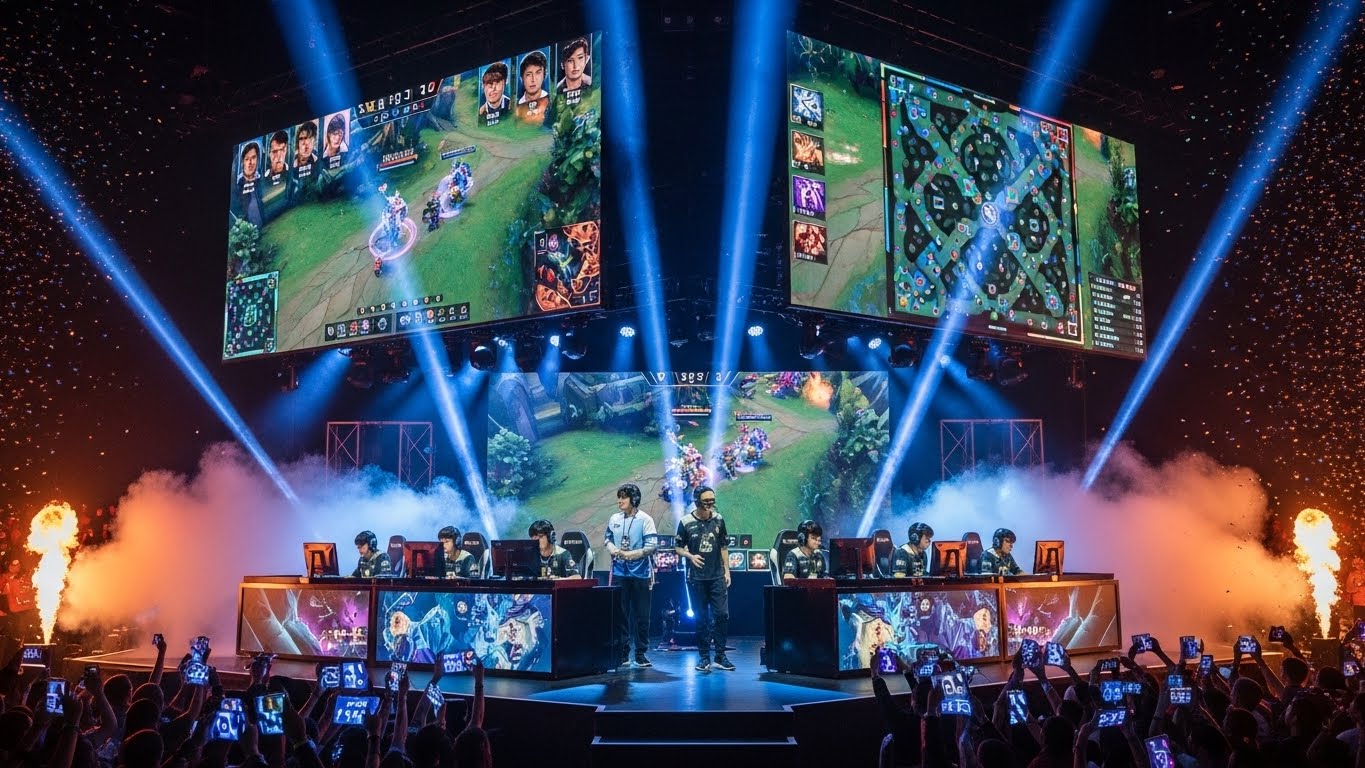
Streaming platforms have revolutionized esports by making tournaments accessible to anyone with an internet connection. Major events now attract audiences in the tens of millions, rivaling even the most popular global sporting events. The combination of strategic depth, fast-paced action, and immersive storytelling keeps fans captivated and fosters a sense of global community.
Professional Gamers: Athletes of the Digital World
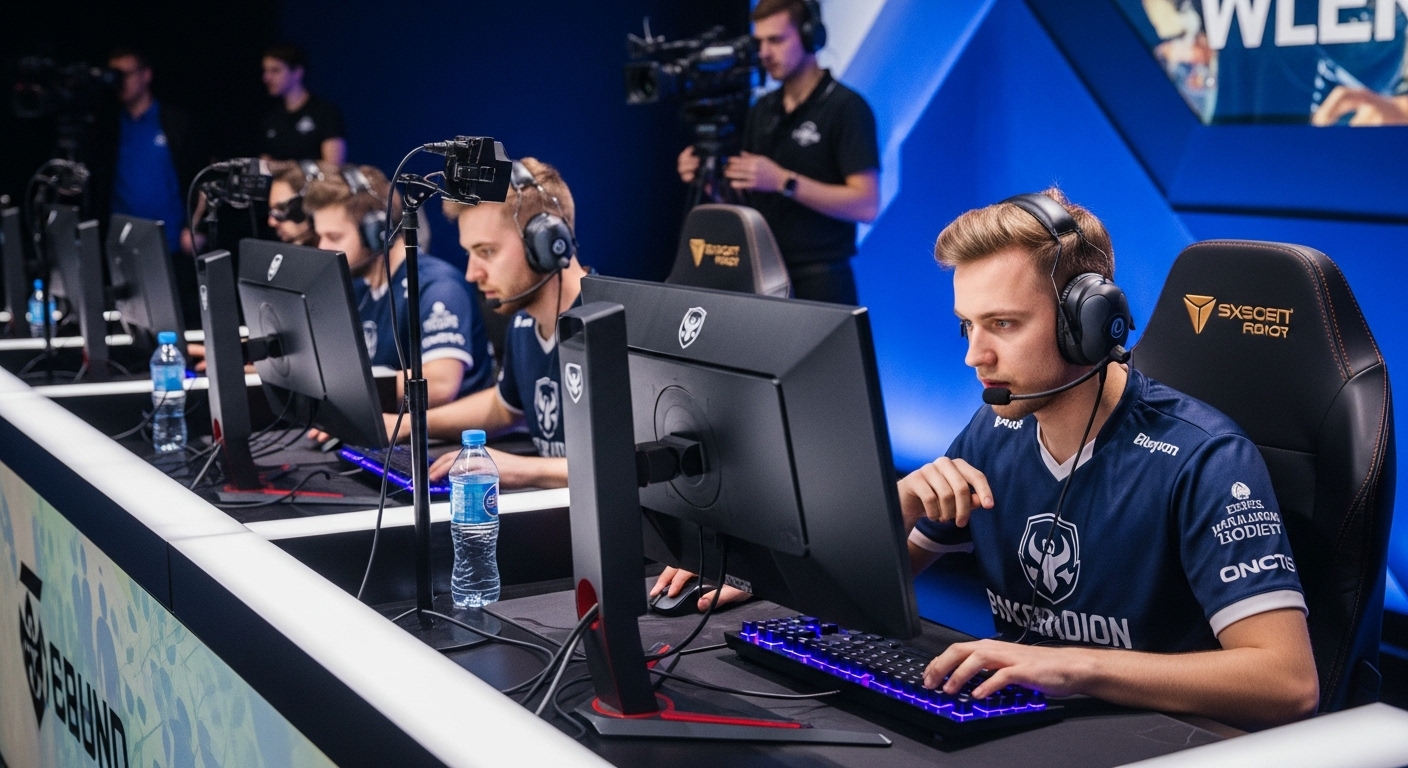
Esports players are not just gamers; they are professional athletes. Training for competitive gaming is intense, often requiring eight to twelve hours of practice daily. Players must master mechanical skills, strategic thinking, communication, and mental resilience.
Many professional teams employ coaches, analysts, nutritionists, and mental health experts to ensure peak performance. Players are constantly refining strategies, analyzing opponents, and perfecting their execution. This professionalization demonstrates that esports demands dedication, discipline, and skill comparable to traditional sports.
Esports Organizations: Building the Competitive Landscape
Behind the players are esports organizations that operate like traditional sports franchises. These organizations manage multiple teams, sponsor players, organize events, and cultivate fan communities. They provide salaries, housing, training facilities, and access to coaching and support staff.
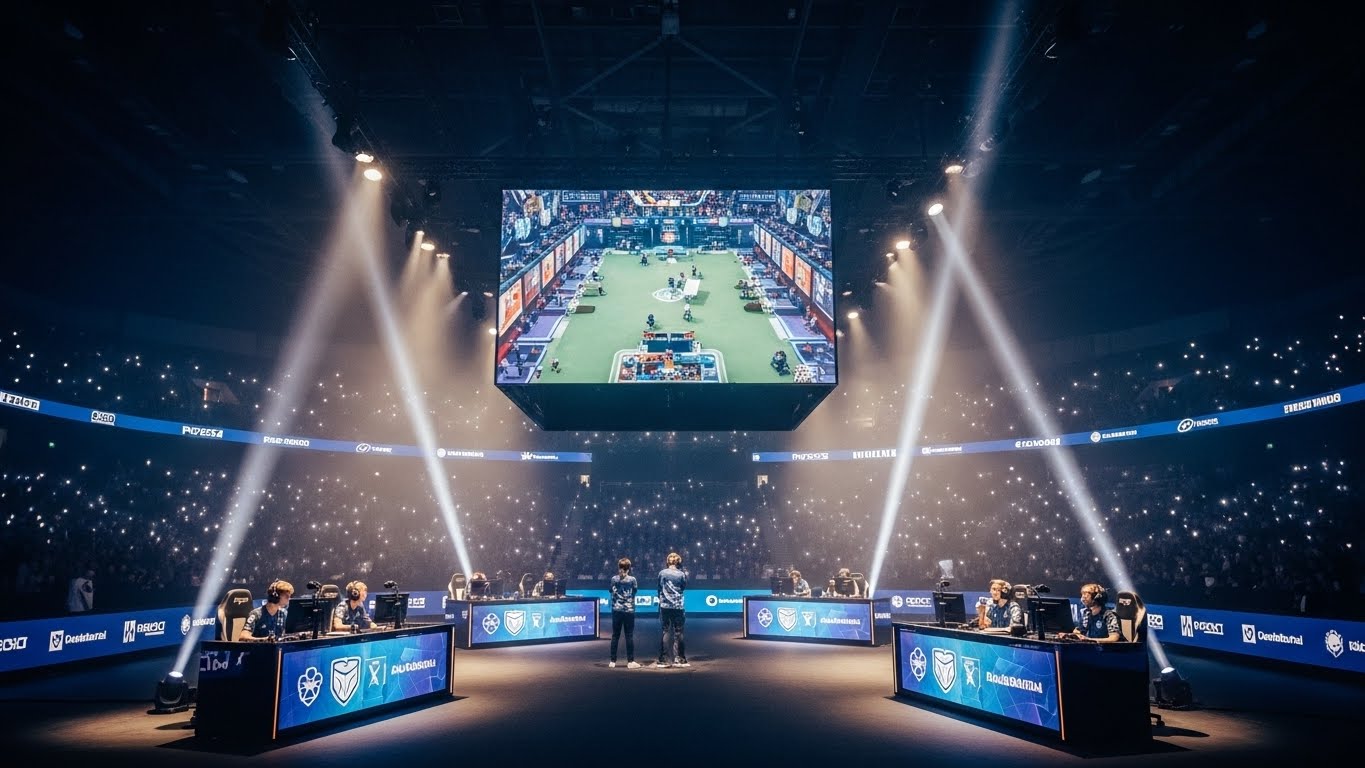
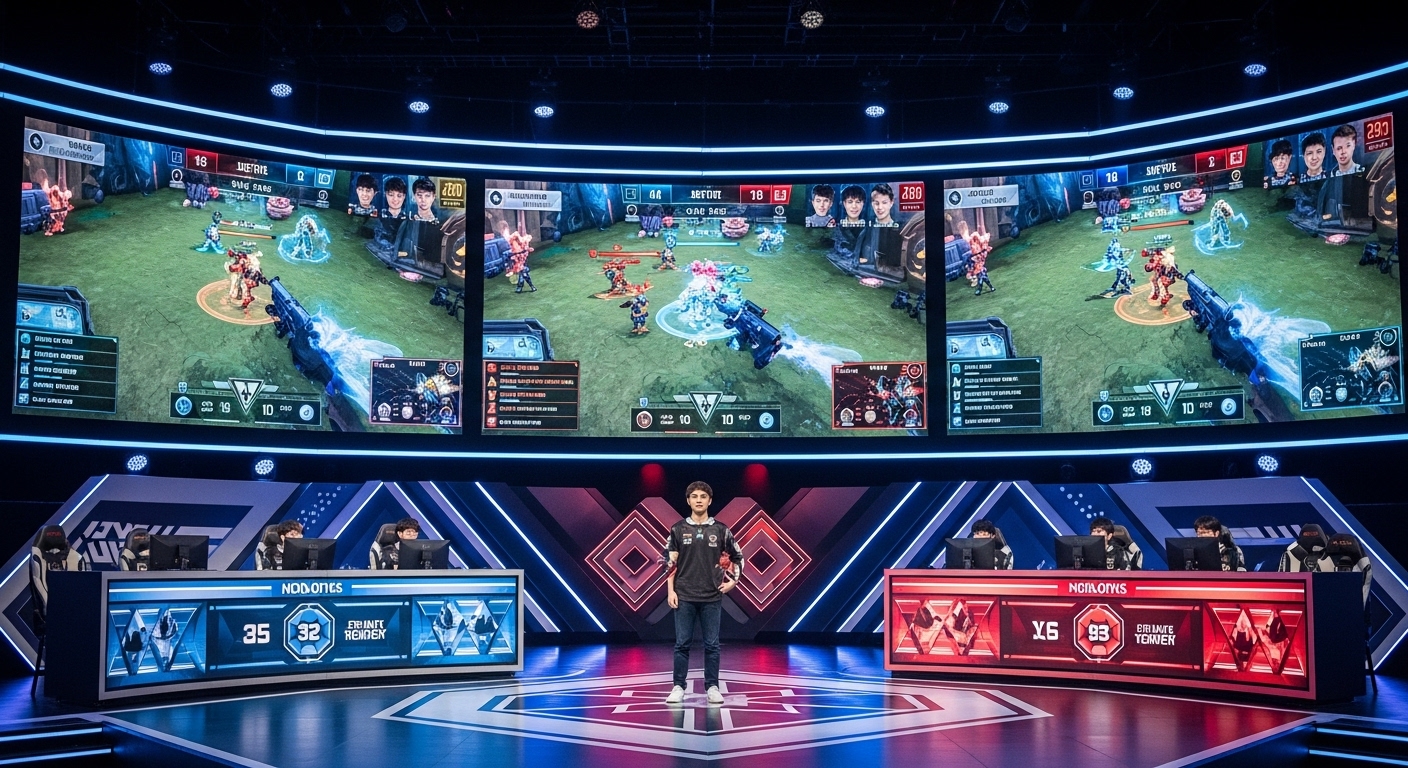
Organizations have turned competitive gaming into a sustainable business, creating careers and establishing standards for professionalism. Multi-million-dollar esports arenas, equipped with state-of-the-art technology, training areas, and streaming capabilities, reflect the industry’s growth and sophistication.
Economic Powerhouse: The Money Behind Esports
Esports is more than entertainment—it is a booming industry. Revenue comes from sponsorships, advertising, merchandise sales, media rights, tournament ticketing, and streaming. Prize pools for major tournaments can reach millions of dollars, attracting top talent worldwide.
Global brands have recognized esports’ potential to engage younger audiences. Technology companies, fashion brands, energy drink manufacturers, and automotive industries invest heavily in sponsorships. Universities and colleges have begun offering esports scholarships, further legitimizing it as a career path and showing its financial viability.
Technological Advancements Fueling Growth
The growth of esports is deeply linked to technological innovation. High-speed internet, powerful computers, and advanced gaming peripherals allow players to compete at unprecedented levels. High-refresh-rate monitors, mechanical keyboards, and precision mice enhance player performance, while streaming software allows global audiences to enjoy real-time broadcasts.
Technology also facilitates international competitions, connecting players across continents and creating a truly global community. Continuous advancements ensure that esports remains dynamic, immersive, and increasingly accessible.
Cultural Impact: How Esports Shapes Society
Esports has a profound cultural influence. Professional gamers are admired as role models, inspiring fans to pursue careers in competitive gaming, content creation, or technology. Online communities foster teamwork, communication, and friendship, often bridging geographical and cultural gaps.
Esports encourages skills such as strategic thinking, problem-solving, multitasking, and leadership. These skills are transferable to education, business, and personal development. By creating social spaces and role models, esports has become more than a pastime—it is a cultural force shaping modern digital life.
Diverse Game Genres: Something for Every Player
Esports thrives on variety. Different genres attract different audiences and require unique skill sets. Key esports genres include:
- Multiplayer Online Battle Arenas (MOBA): Emphasizing teamwork, strategy, and map control.
- First-Person Shooters (FPS): Focusing on reflexes, precision, and coordination.
- Real-Time Strategy (RTS): Requiring resource management and long-term planning.
- Fighting Games: Highlighting individual skill, timing, and execution.
- Sports Simulations: Replicating real-world athletic competition in virtual form.
This diversity ensures esports appeals to a broad audience, fostering engagement and cultivating specialized fan communities.
Challenges in the Esports Industry
Despite rapid growth, esports faces several challenges.
Player Health and Burnout
Intense training schedules and high competition levels can lead to mental and physical fatigue. Organizations are increasingly focusing on wellness programs, proper rest, and balanced practice routines.
Short Career Lifespan
Esports careers often peak in early adulthood. Transitioning to coaching, content creation, or management is essential for long-term sustainability.
Regulation and Fair Play
With multiple games and regions, ensuring standardized rules and fair competition is challenging. Anti-cheating measures and transparent tournament governance are critical for credibility.
Community Toxicity
Online communities can sometimes become toxic, with harassment and negative behavior impacting players and fans. Active moderation and mental health support are vital for maintaining a positive environment.
The Future of Esports
The future of esports is bright, driven by technological innovation and expanding global interest. Virtual reality, augmented reality, and artificial intelligence could redefine gameplay, create immersive spectator experiences, and provide new opportunities for interaction.
Esports arenas continue to grow in scale and sophistication. More educational institutions are adopting esports programs, offering professional training and scholarships. As the industry expands, esports may integrate further into mainstream entertainment, influencing culture, media, and global events.
Conclusion: Esports as a Global Cultural Force
Esports has evolved from casual competitions to a professional, economically significant, and culturally influential industry. It empowers players, entertains millions, and builds global communities.
The journey of esports reflects the intersection of technology, skill, and culture, illustrating how digital entertainment can redefine traditional concepts of sports and competition. As the industry continues to grow, esports will remain a central part of modern culture, shaping how people connect, compete, and celebrate achievement in the digital age.