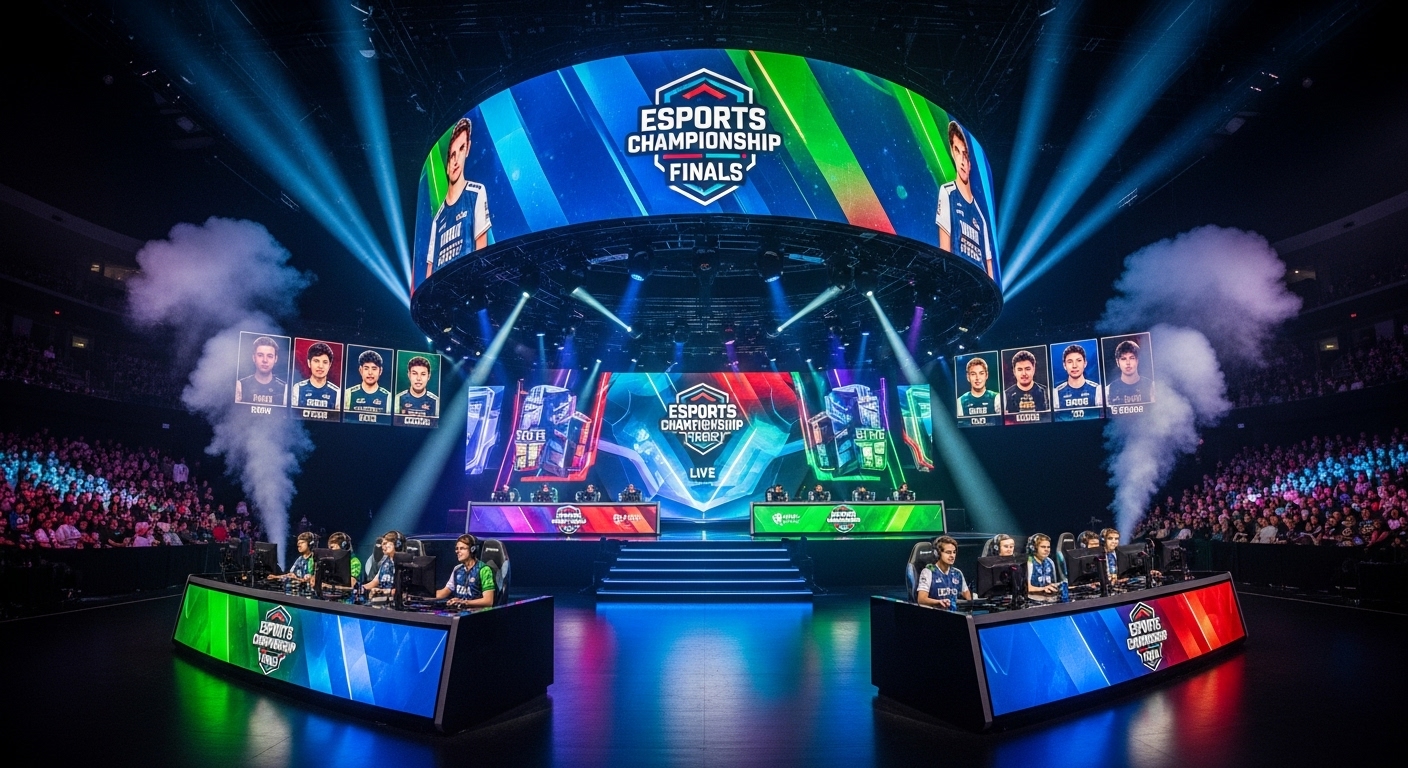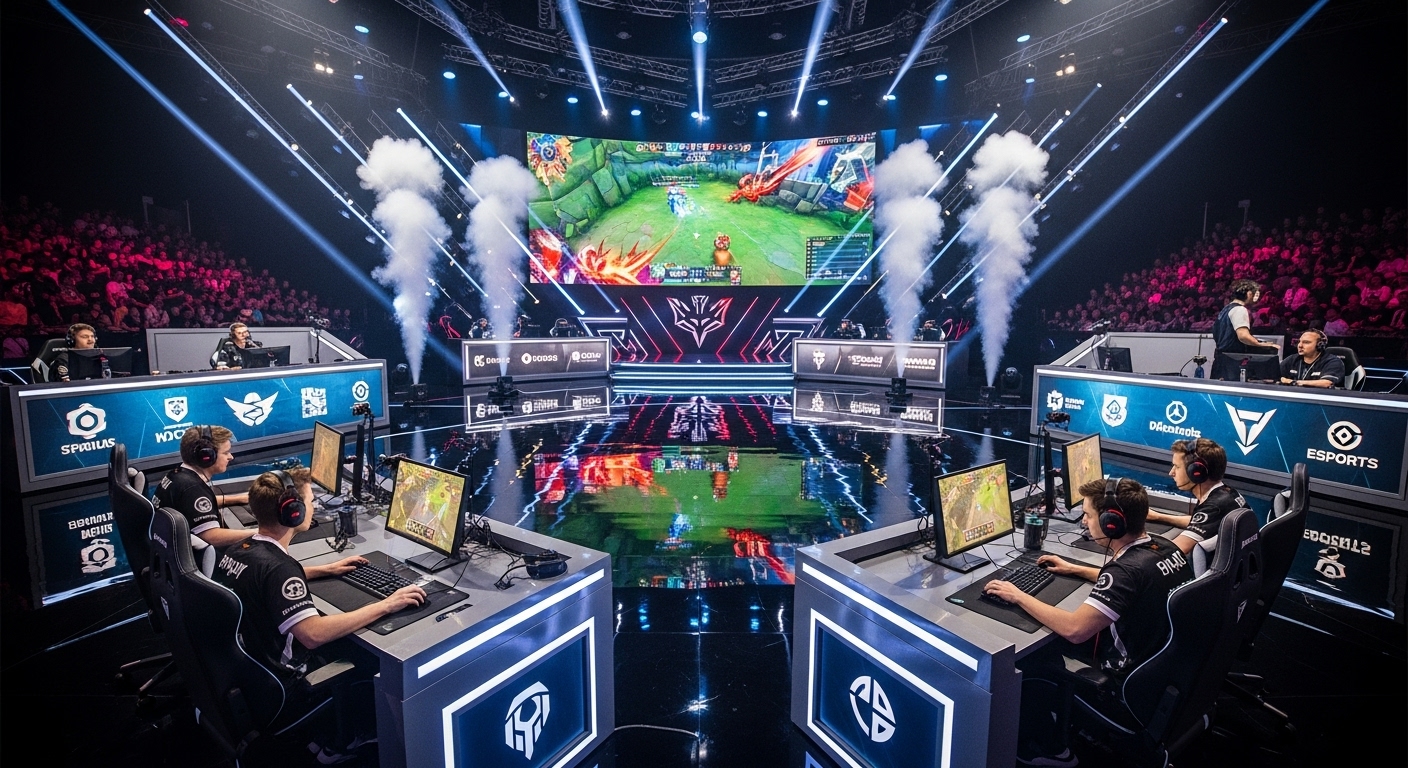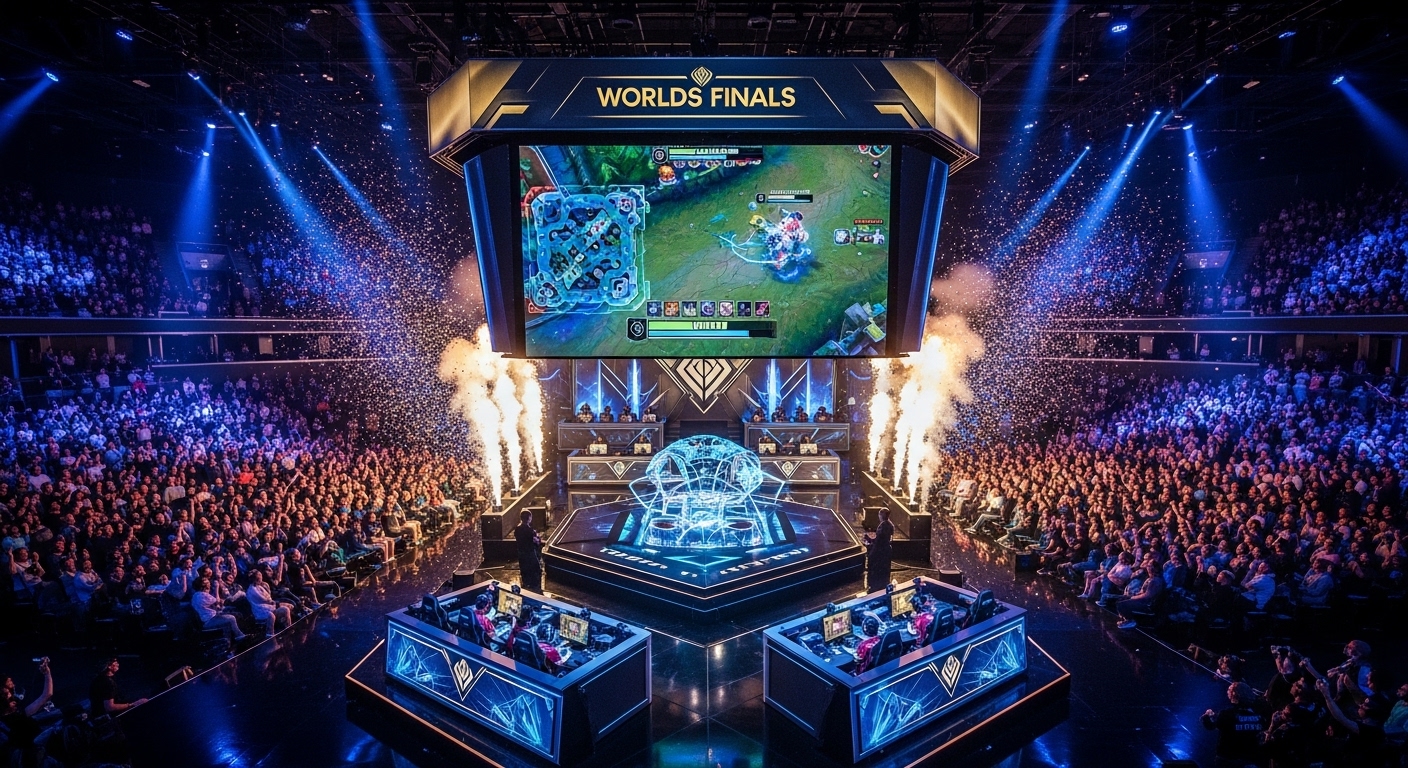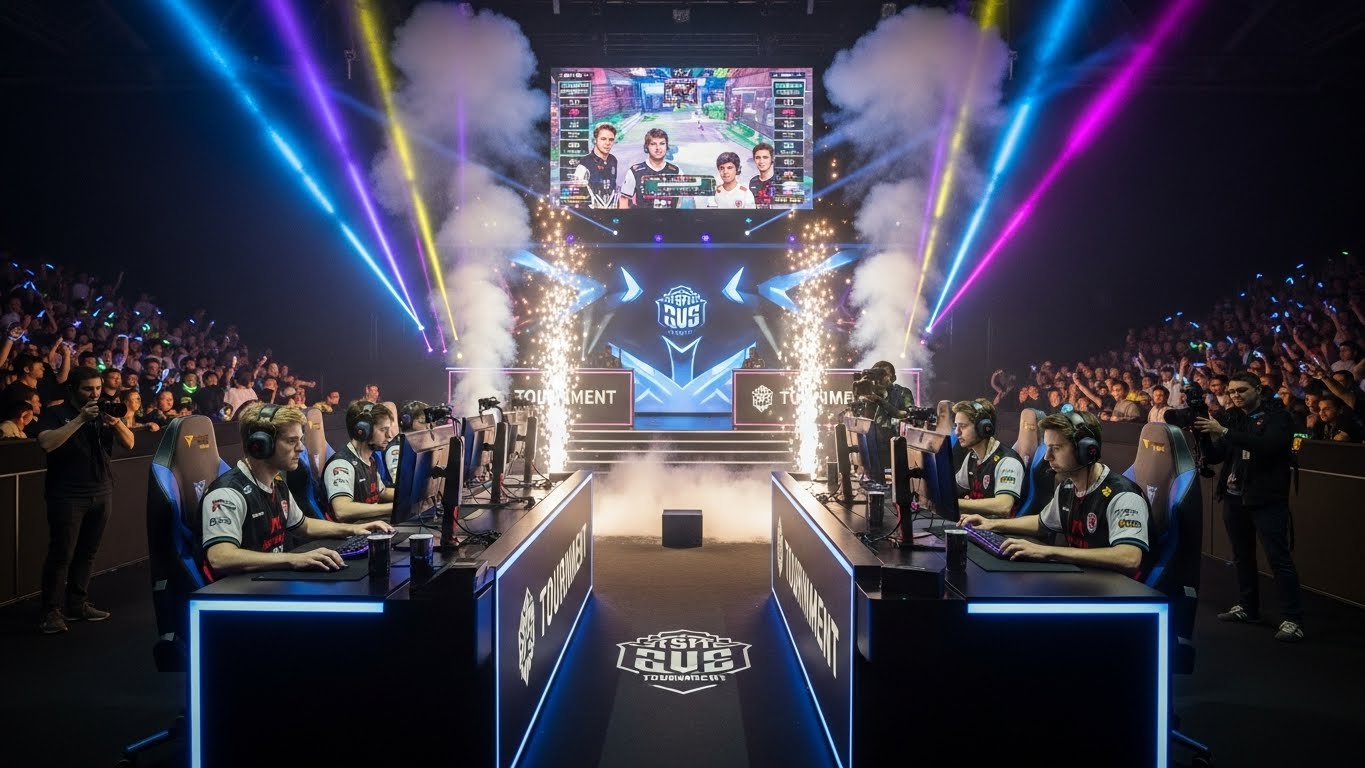
The world of competitive gaming, once a niche hobby for a small community, has rapidly evolved into a global phenomenon. Esports has risen to prominence, becoming a multi-billion-dollar industry with millions of players, fans, and professional organizations. What began in the late 20th century as casual competitions in arcades and online games has now grown into a massive cultural force that spans continents and cultures. This blog post explores the rise of esports, its cultural impact, and its future as a dominant player in the entertainment world.
The Genesis of Esports: From Arcade Games to Competitions
The origins of esports can be traced back to the early days of video games in the 1970s and 1980s. Arcade games like Pong, Space Invaders, and Pac-Man became immensely popular during this time, but it wasn’t until the 1990s that the first organized competitive gaming events began to take shape. The earliest competitions were often small, informal affairs, with players gathering to compete in their favorite arcade games or local LAN (Local Area Network) tournaments.
One of the most significant early milestones was the Red Annihilation tournament in 1997. Hosted for the game Quake, this event was one of the first to attract substantial media attention and sponsorships, helping to lay the foundation for modern esports. In the following years, gaming communities around the world began to organize more competitive events, and the idea of esports started to take root. It was clear that competitive gaming had the potential to become a mainstream pursuit.
As the internet gained widespread popularity in the late 1990s and early 2000s, online gaming also began to flourish. Titles such as StarCraft, Counter-Strike, and Warcraft III helped establish the groundwork for what would eventually become a professional competitive scene. In South Korea, StarCraft became a national phenomenon, and the country played a pivotal role in the growth of esports, creating dedicated television channels and professional leagues that elevated gaming to new heights.
The Global Expansion: Esports Becomes Mainstream
As technology advanced and internet speeds improved, esports began to transcend geographical boundaries. The early 2000s saw the rise of global tournaments, such as the Cyberathlete Professional League (CPL) and the Electronic Sports World Cup (ESWC), which attracted players from all over the world. These events helped set the stage for larger, more structured competitions, and gaming companies like Blizzard, Valve, and Riot Games started to take notice of the potential for esports as a professional sport.
By the mid-2000s, esports had grown from an underground subculture into a legitimate form of entertainment. With the launch of online streaming platforms like Twitch in 2011, fans from around the globe could watch live esports events in real-time. This accessibility revolutionized the industry, allowing players and teams to reach global audiences and build dedicated fanbases. Esports became more than just a competition—it became a spectator sport, much like traditional sports such as football or basketball.
At the same time, game developers began to realize the potential of esports as a business. Riot Games, the company behind League of Legends, was one of the first to fully embrace esports as a core part of its business model. League of Legends, launched in 2009, quickly became a staple in the esports world, with its competitive scene drawing millions of viewers annually. The game’s esports ecosystem included professional leagues, regional tournaments, and a massive World Championship event, offering millions of dollars in prize money.
Similarly, Valve’s Dota 2 introduced The International, a tournament known for its ever-growing prize pool, which in 2021 surpassed $40 million. This was a watershed moment for esports, proving that competitive gaming could generate serious financial returns.
The Emergence of Professional Esports Leagues
As esports continued to grow, the need for more formalized and professional leagues became apparent. In 2013, the League of Legends Championship Series (LCS) was launched, establishing a clear pathway for aspiring players to enter the professional esports scene. The LCS featured regular season play, regional playoffs, and international tournaments, creating a framework for players to showcase their talents on a global stage.
Meanwhile, Blizzard’s Overwatch took esports to new heights by creating the Overwatch League (OWL) in 2018. The OWL modeled itself after traditional sports leagues, with city-based franchises that allowed for more stable team ownership, player contracts, and long-term investment. This shift toward professionalization was a game-changer, attracting major investors, media companies, and even traditional sports teams to enter the world of esports.
The rise of these professional leagues signified the maturity of esports as an industry. Teams began to invest in player development, coaching staff, and infrastructure, mimicking the practices seen in traditional sports organizations. High-level players were treated as athletes, training daily to hone their skills in their respective games. These organizations also started to attract sponsorships from major global brands, including Coca-Cola, Intel, and Red Bull, adding legitimacy to the esports ecosystem.
The Role of Streaming and Social Media in Esports’ Growth
Streaming platforms like Twitch, YouTube Gaming, and Facebook Gaming have played a pivotal role in the rise of esports. These platforms provide a space for players to broadcast their gameplay, interact with fans, and create content that can be monetized. Esports players have become celebrities in their own right, with top streamers amassing millions of followers and earning substantial incomes through sponsorships, donations, and ad revenue.
Twitch, in particular, has been a major driver of the esports industry. In addition to hosting live broadcasts of major tournaments, Twitch offers an interactive element that traditional sports broadcasting cannot match. Fans can chat with players and other viewers in real-time, creating a sense of community that enhances the overall viewing experience. For many esports fans, Twitch has become the go-to platform for not only watching professional competitions but also connecting with their favorite streamers and learning more about the games they love.
Social media has also been a key factor in promoting esports. Platforms like Twitter, Instagram, and TikTok allow players, teams, and tournament organizers to engage with fans on a personal level. This has led to a more intimate connection between players and their supporters, helping to create a global fanbase that spans continents. Esports personalities often share behind-the-scenes glimpses of their lives, which helps humanize them and makes them more relatable to fans.
The Cultural Impact of Esports
Esports has become more than just a form of entertainment—it has had a profound cultural impact. The growth of esports has led to the creation of new career opportunities, with job titles such as game analysts, commentators, coaches, and social media managers becoming common in the industry. Esports has also influenced the way we think about gaming culture. What was once considered a solitary, niche hobby is now recognized as a legitimate form of entertainment enjoyed by millions.
The rise of esports has also fostered a sense of community among gamers. Competitive gaming has long been a way for players to connect with others who share similar interests, but esports has taken this to a global level. Events like the League of Legends World Championship and The International have brought together fans from all over the world to celebrate their love for gaming. These tournaments are not just about watching players compete—they are social events, filled with passionate fans who cheer for their favorite teams and players.
Esports has also played a role in breaking down cultural and geographic barriers. Players and fans from different countries and backgrounds come together to enjoy a shared experience. This global connectivity is unique to esports and sets it apart from traditional sports, which are often limited by regional boundaries. The rise of international tournaments and cross-cultural team compositions has further strengthened the idea of esports as a truly global phenomenon.
The Future of Esports: Expanding Horizons
The future of esports looks incredibly promising, with the industry continuing to expand in terms of viewership, sponsorships, and overall influence. As technology continues to evolve, new gaming experiences, such as virtual reality (VR) and augmented reality (AR), may play a role in further enhancing the esports experience. These innovations could lead to even more immersive and interactive competitions, drawing in a wider audience and offering new opportunities for players and fans alike.
Esports’ inclusion in major global events is another sign of its growing acceptance. The International Olympic Committee has expressed interest in the possibility of including esports in the Olympics, although discussions are ongoing. This could further cement esports’ place as a legitimate sport and offer additional visibility on a global stage.
Moreover, as esports continues to mature, there will be more opportunities for younger players to enter the competitive scene. Collegiate esports programs have already been established at many universities, and esports scholarships are now offered by institutions worldwide. This trend is likely to continue, allowing the next generation of esports athletes to receive the training and support they need to succeed.
Conclusion: Esports as a Cultural Mainstay
Esports has come a long way since its humble beginnings in the 1990s. What started as small, local competitions has now grown into a multi-billion-dollar industry with a global fanbase, professional leagues, and a thriving ecosystem of players, coaches, analysts, and broadcasters. As esports continues to evolve, its influence on global culture will only grow stronger.
With the rise of new technologies, the expansion of professional leagues, and the increasing popularity of streaming platforms, esports is poised to become an even more dominant force in the entertainment world. As it continues to break down barriers and bring together fans from all walks of life, esports is not just a trend—it is here to stay, shaping the future of competitive gaming and entertainment for years to come.