Introduction
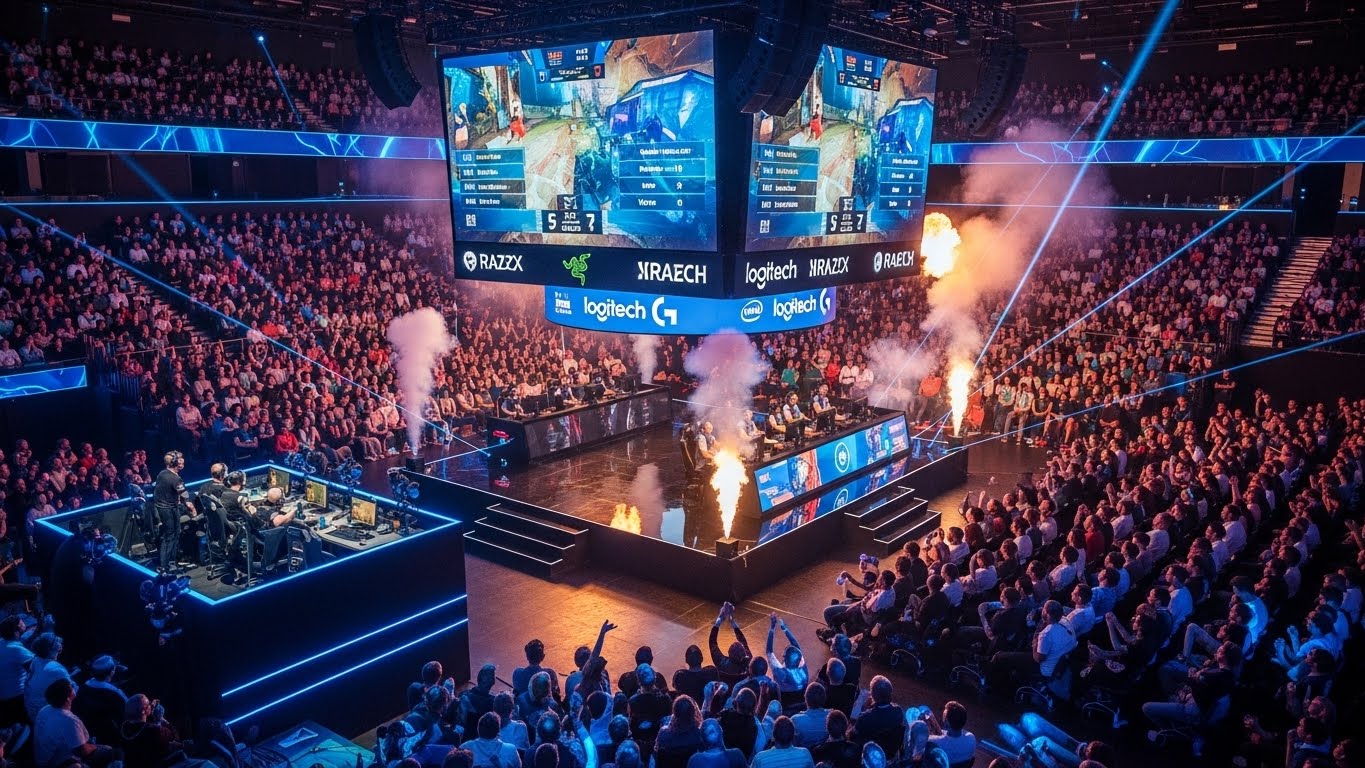
In the twenty-first century, few phenomena have reshaped the entertainment landscape as dramatically as esports. What was once a small community of dedicated gamers competing in smoky arcades or small LAN cafés has evolved into a multibillion-dollar global industry. Esports today fills stadiums, commands millions of live viewers online, and has birthed professional athletes who are as recognized as traditional sports stars. The term “esports,” short for electronic sports, refers to organized, competitive video gaming, where individuals or teams play against each other in popular games such as League of Legends, Dota 2, Counter-Strike, Fortnite, and Valorant. Yet, esports is much more than just competition; it is a cultural movement that bridges technology, media, youth culture, and global community. To understand its impact, one must explore its history, the evolution of its professional scene, its influence on culture and business, and the boundless potential it holds for the future.
The Origins of Esports
Esports did not emerge overnight. Its origins trace back to the early 1970s, when video games themselves were still an experiment. The first recorded video game competition took place at Stanford University in 1972, where students competed in the game Spacewar for a one-year subscription to Rolling Stone magazine. Though small, it marked the beginning of competitive gaming. By the 1980s, arcade games like Pac-Man, Donkey Kong, and Space Invaders became the first titles to encourage high-score competitions. Players battled for leaderboard dominance, and gaming magazines began listing the top scorers, transforming casual play into recognized achievement. In 1980, Atari hosted the Space Invaders Championship, drawing over ten thousand participants, and this became the first large-scale gaming competition in history.
As home consoles like the Nintendo Entertainment System rose in popularity during the 1980s and 1990s, competitive gaming slowly entered living rooms. Nintendo’s World Championships in 1990 were a milestone event that brought together players from across the United States to compete for the title of the world’s best gamer. Meanwhile, the rise of personal computers in the late 1990s introduced a new breed of games that would become the foundation of modern esports — titles like StarCraft, Quake, and Counter-Strike offered complex multiplayer experiences that encouraged strategy, teamwork, and competition on an entirely new level.
The Rise of Online Multiplayer and Global Competition
The turn of the millennium marked the true beginning of esports as we know it. The internet revolutionized gaming by enabling players to connect and compete globally. Suddenly, geography no longer limited competition. South Korea quickly emerged as the epicenter of esports, with StarCraft becoming a national obsession. Professional players such as BoxeR and Flash became celebrities, and television networks broadcasted live matches to millions. This infrastructure set the standard for professional gaming leagues worldwide.
In the West, titles such as Counter-Strike, Warcraft III, and later Dota and Halo developed competitive communities. The early 2000s saw the formation of organized leagues like Major League Gaming (MLG) in North America and the Electronic Sports World Cup in Europe. These organizations laid the groundwork for structured competition with teams, sponsorships, and prize pools. By the late 2000s, platforms like Twitch and YouTube transformed esports again by providing a way for fans to watch matches live from anywhere in the world. This accessibility fueled an explosion in popularity, transforming what was once a niche interest into a mainstream entertainment industry.
The Business of Esports
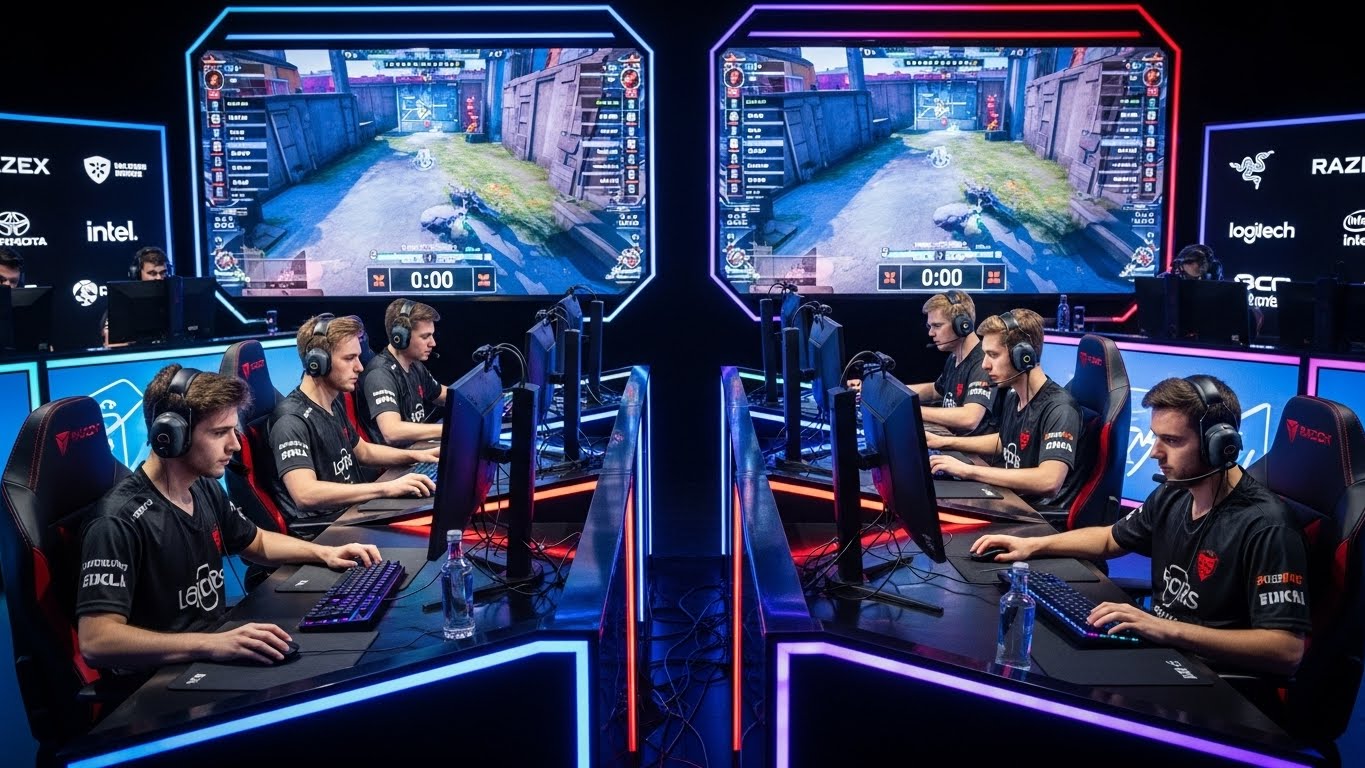
Modern esports is a complex business ecosystem. It involves professional players, teams, sponsors, game developers, event organizers, streaming platforms, and millions of fans. Revenue comes from multiple sources — sponsorships, advertising, ticket sales, merchandise, and media rights. Global corporations such as Intel, Red Bull, and Adidas now sponsor esports teams and events, recognizing the enormous marketing potential within gaming audiences.
The scale of prize pools has also skyrocketed. Dota 2’s annual world championship, The International, regularly features prize funds exceeding tens of millions of dollars, largely crowdfunded by the game’s community. Similarly, League of Legends’ World Championship attracts millions of concurrent viewers, rivaling traditional sporting events like the Super Bowl in terms of online audience.
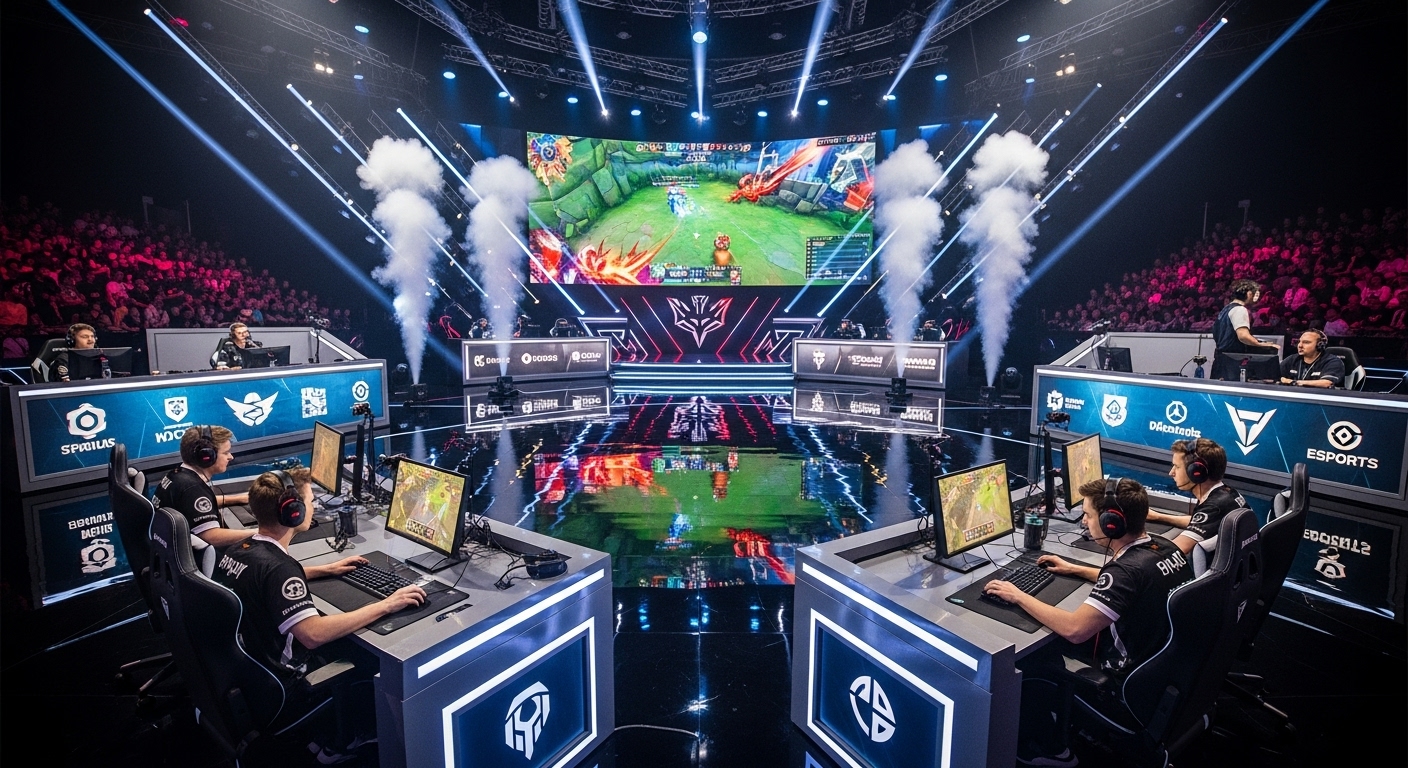
Esports organizations function similarly to traditional sports franchises. Teams such as Team Liquid, Fnatic, Cloud9, and T1 manage rosters across multiple games, sign sponsorship deals, and build global fan bases. Many even have training facilities, coaches, analysts, and psychologists to support players’ physical and mental health. Game publishers themselves also play a central role; companies like Riot Games and Valve both organize and finance major tournaments, using esports as a way to sustain player engagement and brand loyalty for their games.
The Players: Digital Athletes of a New Era
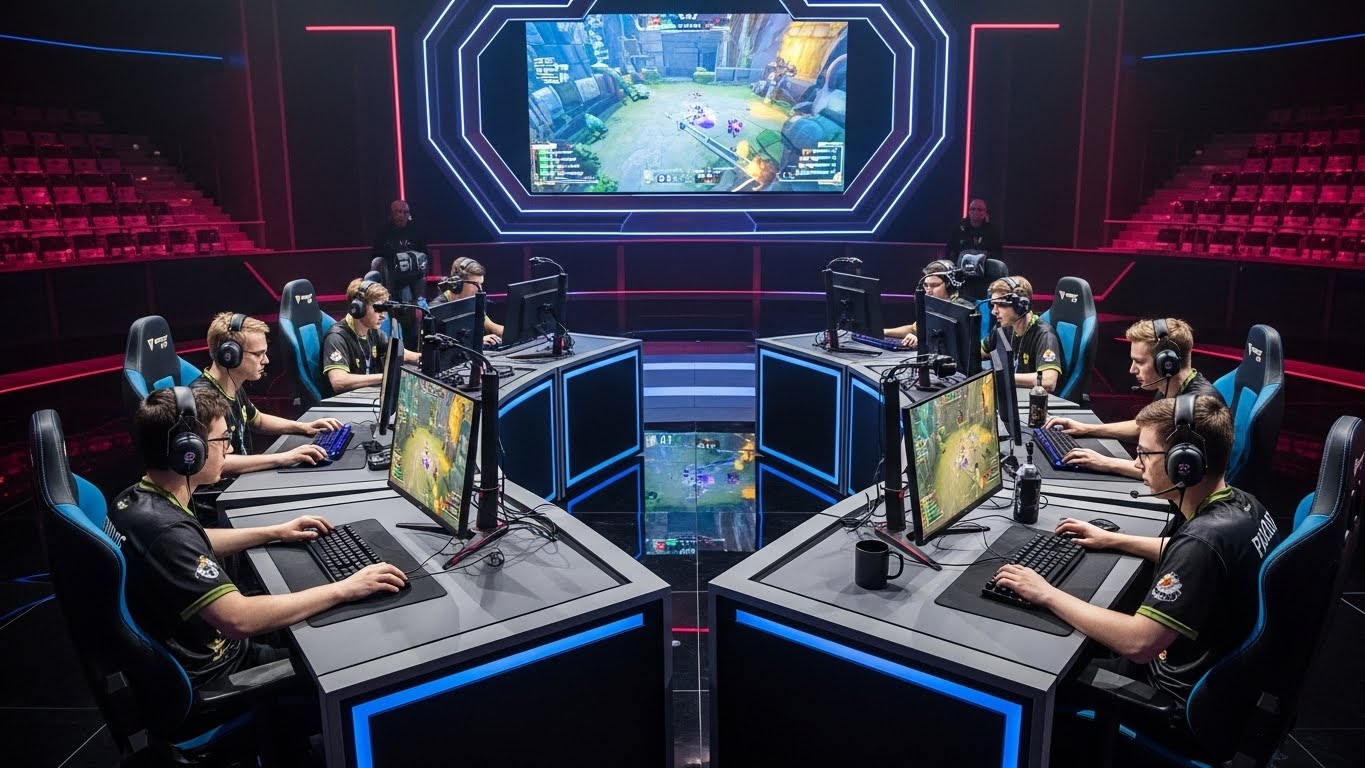
The professional gamer is no longer a stereotype of a lone teenager playing in a dark room. Today’s esports athletes are highly skilled, disciplined professionals who train for hours each day to maintain their competitive edge. Reaction time, strategy, teamwork, and communication are essential skills. Esports players undergo intense practice routines that mirror those of traditional athletes, including physical workouts, strategic analysis, and nutrition management.
However, the career of an esports player can be short-lived. Because reflexes and cognitive speed peak in early adulthood, most players retire in their mid-to-late twenties. Many transition into coaching, content creation, or commentary roles within the industry. The mental toll of constant competition, public scrutiny, and online pressure can be immense, making mental health support an increasingly important topic within the esports ecosystem.
Despite these challenges, esports players enjoy unprecedented visibility. Some, like Faker from League of Legends or s1mple from Counter-Strike, have achieved legendary status, their names known worldwide. They represent the new generation of digital athletes — proof that competition and mastery transcend physical boundaries.
Esports and Mainstream Acceptance
The conversation about whether esports can be considered a “real sport” has long been debated. Traditionalists often argue that without physical exertion, gaming cannot be compared to athletics. Yet, many of the qualities that define sports — competition, skill, discipline, teamwork, and strategy — are intrinsic to esports. In fact, the Olympic Committee has recognized the significance of competitive gaming by hosting the Olympic Esports Series, signaling growing legitimacy.
Mainstream acceptance has also been fueled by universities and governments embracing esports. Dozens of universities worldwide now offer scholarships for esports athletes, just as they do for football or basketball players. Some countries, including South Korea, China, and the United States, have recognized esports players as professional athletes, allowing them to compete internationally with official visas. Esports arenas have been built in major cities, and television networks now regularly broadcast major tournaments.
What once seemed like a hobby has evolved into a global phenomenon. Esports is not merely an extension of gaming but a form of modern entertainment that combines competition, storytelling, and community engagement in a uniquely digital format.
The Role of Streaming and Content Creation
Streaming has been the heartbeat of esports’ growth. Platforms such as Twitch, YouTube, and Facebook Gaming have turned esports into an always-accessible experience. Fans no longer have to wait for scheduled tournaments — they can watch their favorite players practice, interact live through chat, and become part of the community. Streaming blurred the lines between professional competition and personal entertainment.
The most successful esports figures are not just skilled players but also content creators and influencers. Personal branding has become a cornerstone of the industry. Players like Ninja, Shroud, and Pokimane have built massive followings that transcend esports, appearing in mainstream media and collaborating with global brands. This symbiosis between esports and content creation has made gaming culture one of the most powerful digital movements in the world.
Esports Culture: A Global Community
At its core, esports is about community. Online games bring together millions of players across cultures, languages, and continents. The shared excitement of competition creates connections that defy geography. Esports events often feel like festivals, combining music, art, cosplay, and digital fandom. Fans wave team banners, chant player names, and celebrate victories with the same passion as football supporters.
The rise of social media has amplified this culture, allowing fans to engage directly with players and teams. Esports memes, fan art, and highlights circulate widely, keeping the conversation alive between tournaments. The community aspect also promotes diversity and inclusion. Though gaming has historically been male-dominated, women and nonbinary players are increasingly carving their place in the scene, supported by inclusive leagues and organizations striving for equality.
The Technological Backbone of Esports
Esports thrives on technology. High-speed internet, powerful graphics hardware, and streaming platforms have made it possible for millions to play and watch in real time. Game developers continuously innovate to balance competition and fairness while maintaining engaging gameplay. Artificial intelligence, data analytics, and performance tracking tools are becoming vital in training and strategy.
Virtual reality and augmented reality are also emerging as the next frontier. Imagine future esports where players physically move within immersive digital arenas, blending athleticism and virtual skill. Cloud gaming could make high-level competition more accessible by removing the need for expensive hardware, further democratizing participation across the globe.
The Globalization of Esports
Esports is not confined by borders. Major tournaments attract players from dozens of countries, and fans worldwide tune in regardless of language. South Korea remains a powerhouse, but China, Europe, and North America are strong contenders. Meanwhile, regions like Southeast Asia, Latin America, and the Middle East are emerging rapidly, investing heavily in infrastructure and teams.
Governments are recognizing the economic and cultural benefits of esports. National federations are being established to regulate competition, develop talent, and host international events. For younger generations, esports has become a legitimate career path — not just as players but as coaches, casters, analysts, designers, and event organizers.
Challenges Facing Esports
Despite its success, esports faces several challenges. The rapid growth has brought concerns about player burnout, fair play, and sustainability. Match-fixing, cheating, and doping scandals have occasionally tarnished the industry’s reputation, prompting calls for stronger regulation. Another issue is financial stability. While top-tier teams and tournaments thrive, smaller organizations often struggle to maintain consistent revenue.
The reliance on publishers also poses a unique challenge. Unlike traditional sports, where no single company owns the game, every esports title is the intellectual property of its developer. This means game updates, balance changes, or even server shutdowns can instantly reshape or end competitive scenes. Ensuring fair governance and long-term stability remains a priority as esports continues to professionalize.
The Educational and Social Value of Esports
Esports offers more than entertainment — it fosters skills that are increasingly relevant in modern society. Strategic thinking, teamwork, communication, and adaptability are core to competitive gaming. Many educational institutions now incorporate esports into their programs, recognizing its potential to teach valuable life skills.
For younger generations, esports can provide a sense of belonging and achievement. Communities built around gaming can be powerful spaces for socialization, creativity, and cultural exchange. Programs designed to use esports for youth development are emerging globally, turning what was once viewed as a distraction into a constructive and inspiring pursuit.
The Future of Esports
As technology evolves, so too will esports. The future promises even more integration between gaming, entertainment, and mainstream culture. Virtual and augmented reality may create entirely new competitive genres. Artificial intelligence could revolutionize coaching, training, and broadcasting, providing real-time analytics and immersive viewer experiences.
Moreover, esports is poised to become a permanent fixture in education and professional sports institutions. Universities will continue to offer scholarships, while traditional sports teams are investing in esports divisions, bridging the gap between physical and digital competition. With global audiences growing, esports could one day become a regular feature in international multi-sport events.
Esports also holds immense potential for social change. Its digital nature allows for inclusivity, giving opportunities to people who may not have access to traditional athletic programs. It can connect individuals across political and cultural divides, fostering understanding and shared enthusiasm through competition.
Conclusion
Esports is more than a passing trend; it is a defining cultural movement of the digital age. From humble beginnings in university labs and arcades to global arenas filled with millions of fans, competitive gaming has rewritten the rules of sports and entertainment. It embodies the convergence of technology, creativity, and human ambition.
In a world increasingly driven by connectivity, esports stands as a symbol of how play, competition, and community can transcend physical and cultural barriers. Its players are the new athletes of the digital frontier, its fans the heartbeat of a new kind of global unity. Whether you are a gamer, a viewer, or simply a curious observer, one thing is certain — esports is here to stay, and its story has only just begun.