Introduction to Esports
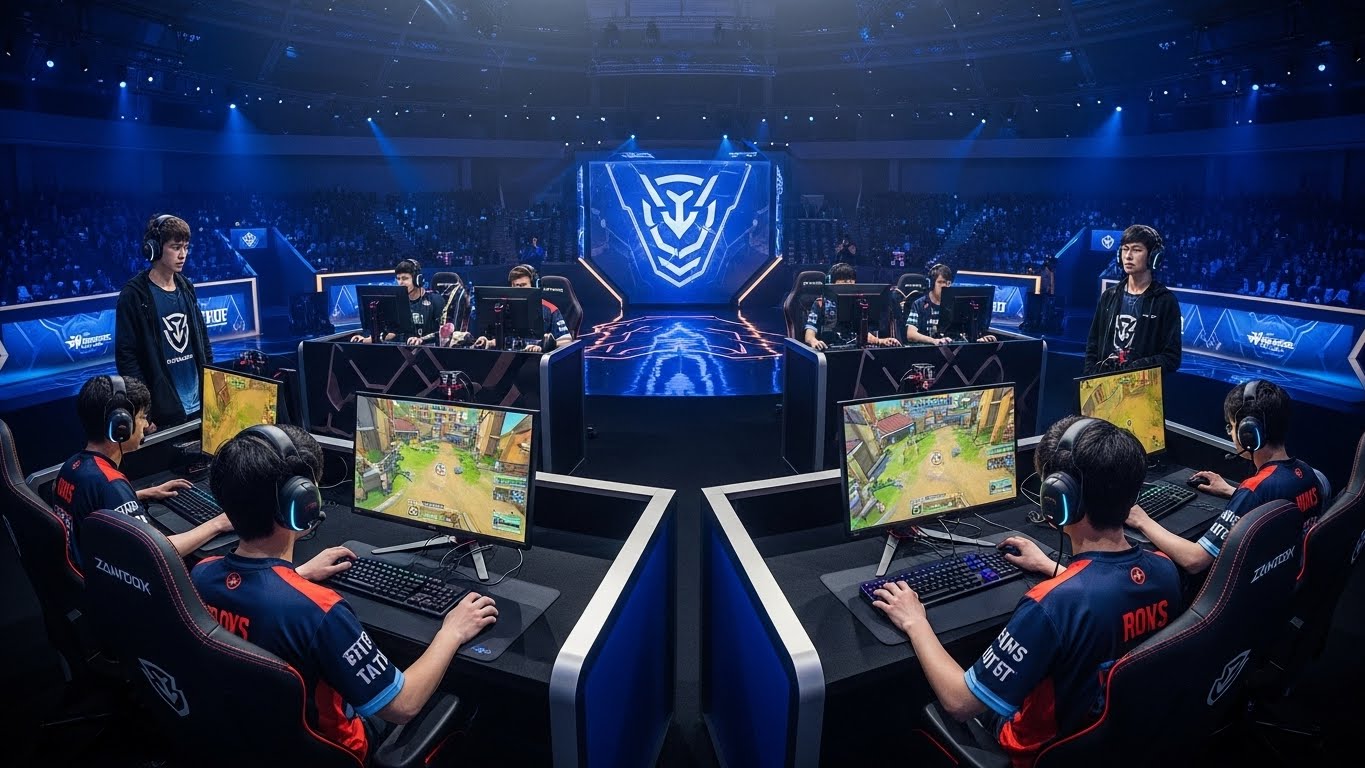
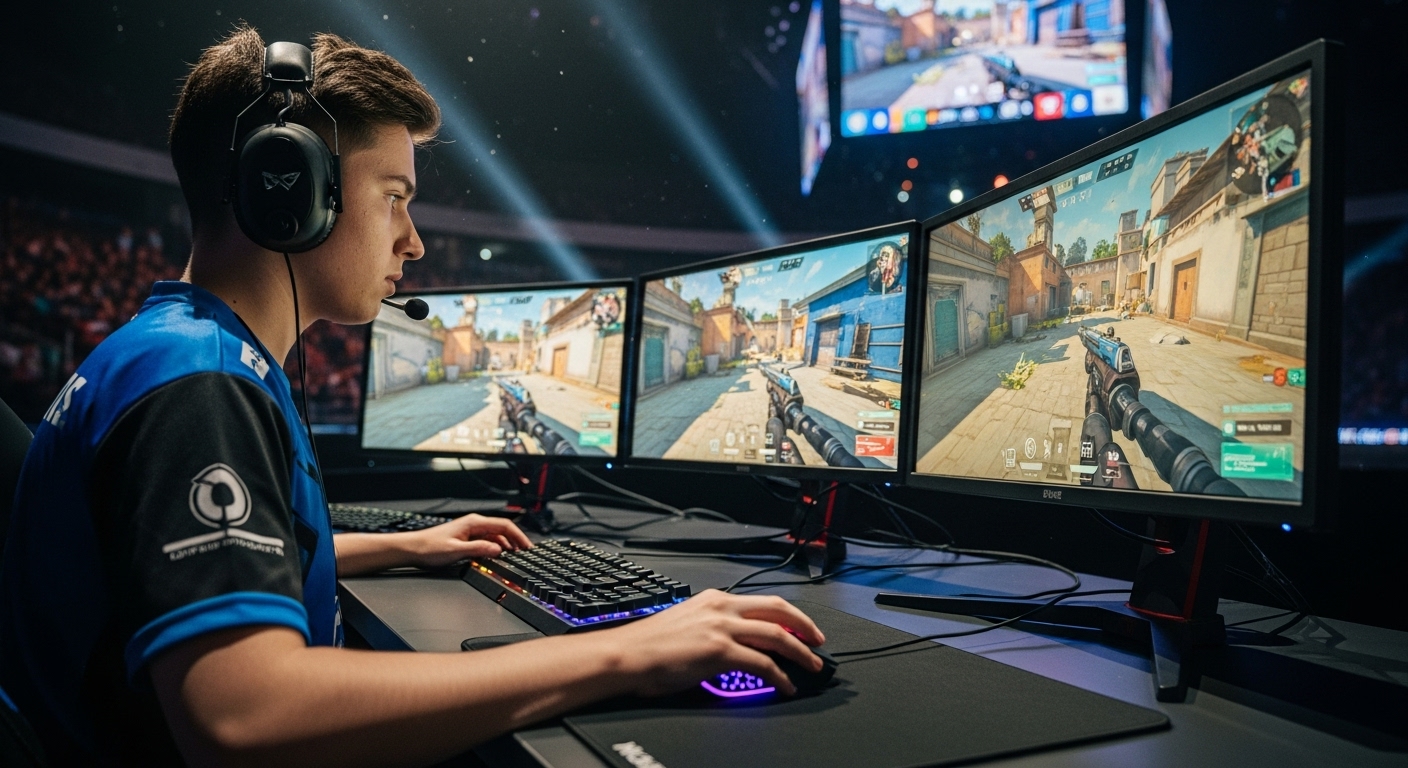
In the modern age of technology and entertainment, few phenomena have grown as rapidly and powerfully as esports. What was once seen as a casual pastime for gamers has evolved into one of the most dynamic industries in the world. Esports, short for electronic sports, refers to organized competitive video gaming. Players compete individually or in teams across various games that test strategy, speed, teamwork, and mental endurance. The rise of esports has blurred the lines between traditional sports and digital competition, creating a new global culture that attracts millions of fans, sponsors, and professional players.
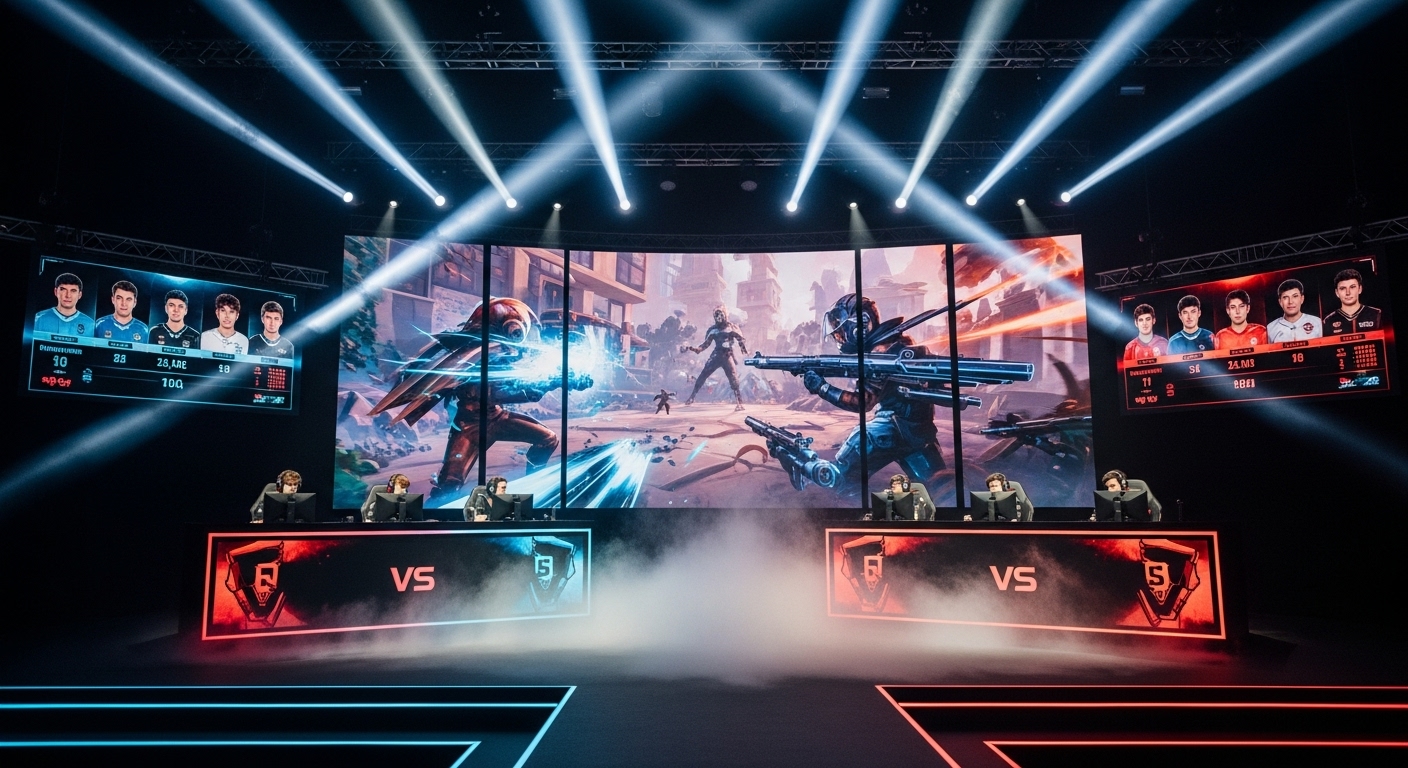
Esports is no longer limited to teenagers playing in internet cafes or small gaming rooms. It has become a billion-dollar global enterprise with packed stadiums, professional commentators, global tournaments, and an ecosystem of coaches, analysts, and production teams. The transformation of esports into a legitimate form of entertainment and competition showcases the power of digital culture and the human drive for mastery, regardless of the medium.
The Early Days of Competitive Gaming
The roots of esports can be traced back to the early days of video gaming. In the 1970s and 1980s, video games such as Pong, Space Invaders, and Pac-Man began capturing public imagination. The first known video game competition took place in 1972 at Stanford University, where students competed in the game Spacewar!. The prize for the winner was a subscription to a popular magazine, but this small event marked the beginning of a cultural shift.
As arcades gained popularity in the 1980s, gamers began to compete for high scores, with names appearing on leaderboards that motivated others to outperform them. Competitions were informal but thrilling, as players developed reputations for being unbeatable in certain titles. The 1990s brought the internet revolution and with it, the ability for gamers to connect globally. Titles such as Doom, Quake, and StarCraft became early esports favorites, especially in South Korea where competitive gaming gained enormous popularity and respect.
South Korea’s government investment in broadband infrastructure during the late 1990s created a perfect environment for online competition. Television stations began broadcasting professional StarCraft matches, creating a fanbase that mirrored traditional sports audiences. This era laid the foundation for esports as we know it today—organized, professional, and driven by community enthusiasm and technological progress.
The Growth of Esports in the 21st Century
The early 2000s marked the true dawn of esports as an industry. Global tournaments, corporate sponsorships, and professional leagues began to emerge. Games like Counter-Strike, Warcraft III, and Dota brought players from around the world into organized competitions. The launch of platforms such as Twitch and YouTube Gaming later changed everything, allowing fans to watch live matches from anywhere.
Major tournaments such as The International for Dota 2 and the League of Legends World Championship began offering multi-million-dollar prize pools, attracting professional players and teams supported by sponsors, coaches, and investors. Suddenly, gaming was not just a hobby—it was a career path.
One of the defining aspects of esports’ rise is its inclusivity. Unlike traditional sports, esports has fewer barriers related to physical ability, gender, or geography. All that matters is skill, strategy, and dedication. This accessibility helped the community expand rapidly across the globe.
The Role of Technology in Esports Evolution
The success of esports is deeply intertwined with advancements in technology. High-speed internet, powerful gaming PCs, and streaming platforms have made it possible to host and broadcast matches to millions of viewers in real time. The development of online multiplayer infrastructure and sophisticated graphics has created immersive experiences that rival real-world sports.
Virtual reality and augmented reality are now being explored to further enhance the esports experience. These innovations could allow fans to “step inside” the game environment as spectators or even compete in more physically interactive ways. Additionally, artificial intelligence has begun to influence coaching and analytics, helping teams understand opponents’ strategies and improve their gameplay through data-driven insights.
The Global Esports Ecosystem
The esports ecosystem is vast and interconnected. It includes game developers, tournament organizers, streaming platforms, professional teams, sponsors, and millions of fans who form the community’s heartbeat. Developers such as Riot Games, Blizzard, and Valve play a crucial role by designing and maintaining games that balance competitiveness and entertainment.
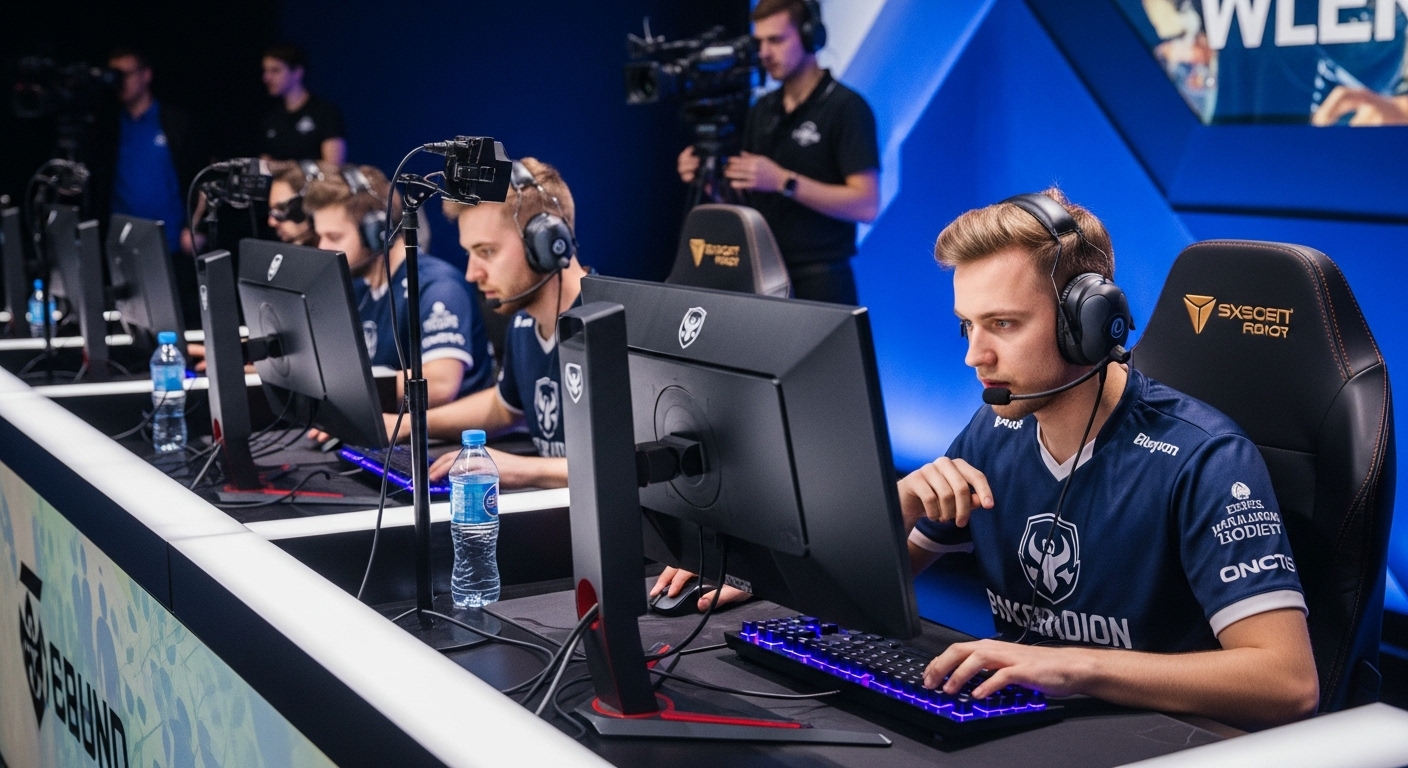
Professional esports teams operate much like traditional sports franchises. They recruit talented players, hire coaches, strategists, and nutritionists, and participate in structured leagues and tournaments. These organizations also engage in brand building, merchandise sales, and content creation, adding more depth to the industry.
Streaming platforms like Twitch and YouTube have transformed esports into a spectator sport. Fans tune in to watch their favorite players and teams compete, often engaging in live chats and discussions. This level of interactivity has created a unique fan culture that feels more connected and participatory than most traditional sports experiences.
Popular Esports Titles and Their Impact
Several games have become synonymous with the esports movement. Each title brings its own community, rules, and culture, contributing to the industry’s diversity.
League of Legends is one of the biggest esports games in the world, with millions of active players and viewers. Its annual World Championship is a massive event featuring top teams from around the globe, incredible production value, and enormous prize money.
Counter-Strike: Global Offensive continues to dominate the first-person shooter genre, known for its intense tactical gameplay and long-standing legacy.
Dota 2 is famous for its strategic complexity and The International, which holds some of the largest prize pools in esports history.
Fortnite introduced a new wave of younger players and fans, combining creative gameplay with a massive online audience.
Other titles like Valorant, Overwatch, Call of Duty, and Rocket League have also carved their own spaces within the esports landscape, each contributing to the industry’s rich diversity.
The Economic Power of Esports
The financial impact of esports is staggering. What began as a small niche has transformed into a multi-billion-dollar global industry. Revenue streams include sponsorships, advertising, ticket sales, streaming rights, merchandise, and in-game purchases.
Brands from outside the gaming world, such as car manufacturers, energy drink companies, and tech giants, have entered the esports space as sponsors. These partnerships demonstrate the commercial value of the esports audience—young, tech-savvy, and highly engaged.
Players and teams now sign professional contracts that include salaries, bonuses, and endorsement deals. Major tournaments are held in massive arenas with tickets selling out in minutes. Streaming viewership often surpasses that of traditional sports broadcasts, making esports one of the most-watched forms of entertainment on the planet.
Esports as a Career Path
In the past, parents might have dismissed gaming as a waste of time. Today, professional gaming is a legitimate career with structured training, income, and global recognition. Top players earn millions through competition, streaming, and sponsorships.
Beyond players, esports creates numerous career opportunities: event management, shoutcasting (commentary), production, coaching, marketing, journalism, and game development. Universities around the world now offer esports scholarships and degree programs, recognizing the discipline, teamwork, and creativity involved in competitive gaming.
Esports and Education
The integration of esports into education is one of the most exciting modern developments. Many schools and universities have started to include esports clubs, leagues, and academic programs. This not only promotes teamwork and leadership but also teaches students valuable skills in communication, technology, and strategy.
Esports encourages digital literacy and fosters critical thinking, problem-solving, and collaboration. These are skills that translate well into many professional fields. In addition, esports programs are becoming valuable recruitment tools for educational institutions seeking to attract students interested in technology and digital entertainment.
The Cultural Impact of Esports
Esports has become more than just a competitive activity—it’s a cultural movement. Gaming influences fashion, music, art, and even film. Esports stars have become global celebrities, and gaming communities are now recognized as social and creative spaces.
Major events often feature elaborate opening ceremonies, musical performances, and artistic displays that rival traditional entertainment spectacles. Fans express their passion through fan art, cosplay, and online discussions, creating a vibrant ecosystem of creativity.
Esports also fosters cross-cultural exchange. Players from different countries collaborate, compete, and communicate, breaking down barriers and building global friendships. The community’s diversity is one of its greatest strengths, showing how digital platforms can unite people across languages and borders.
Challenges in the Esports Industry
Despite its rapid success, esports faces several challenges that must be addressed for sustainable growth. Issues such as player burnout, mental health, and fair pay have come to light. The intense competition and long hours of practice can lead to stress and exhaustion, prompting the need for better player welfare programs.
Another major challenge is maintaining integrity. With high stakes involved, esports organizations must ensure that cheating, match-fixing, and hacking are strictly controlled. Strong governance, regulation, and transparency are essential to preserve credibility.
There is also a need to address gender diversity and inclusivity. While esports is open to all, the community has historically been male-dominated. Encouraging more female participation and creating safe environments for all players will strengthen the industry and promote equality.
The Role of Media and Broadcasting
Media coverage has played a critical role in making esports a mainstream form of entertainment. Professional broadcasting, skilled commentators, and cinematic production have elevated esports to the level of traditional sports events.
High-quality broadcasts, instant replays, slow-motion highlights, and live analysis have turned esports into a visually engaging experience. The use of advanced graphics and augmented reality adds excitement to the viewing process, helping non-gamers appreciate the complexity of the games.
Esports journalism and documentaries have also contributed to the storytelling aspect of the industry, shedding light on player journeys, rivalries, and behind-the-scenes drama. This human connection makes esports relatable and emotionally engaging for a broader audience.
The Future of Esports
The future of esports looks brighter than ever. With technology advancing rapidly, esports will continue to grow, evolve, and innovate. Emerging trends such as virtual reality gaming, blockchain-based tournaments, and the rise of mobile esports are set to expand the audience even further.
Mobile esports, in particular, are revolutionizing accessibility. Games like PUBG Mobile and Mobile Legends have brought competitive gaming to regions where expensive hardware was previously a barrier. This inclusivity is driving esports expansion in Asia, Africa, and Latin America.
Moreover, the integration of esports into mainstream sports organizations is becoming more common. Traditional sports teams and leagues are investing in esports divisions, recognizing the shared values of competition, teamwork, and fan engagement.
Conclusion
Esports is more than just gaming—it is a digital revolution that has redefined competition, entertainment, and global community. From humble beginnings in college basements to sold-out stadiums and worldwide broadcasts, esports has proven that passion, skill, and innovation can create a new frontier of human achievement.
As technology continues to evolve, esports will only grow stronger, connecting people from all walks of life through a shared love of competition and creativity. The digital arena of esports stands as a testament to how entertainment, technology, and culture can merge to shape the future of global sport.
With every match played and every victory celebrated, esports reminds us that the pursuit of excellence knows no boundaries—whether on a field, a court, or a virtual battlefield. The rise of esports is not just the story of a new sport; it is the story of a new generation defining what it means to play, to compete, and to connect in the twenty-first century.